
Explore interior trends, AI design insights, styling guides and real transformations
Sofas that define European living rooms: choosing size, style and functionality
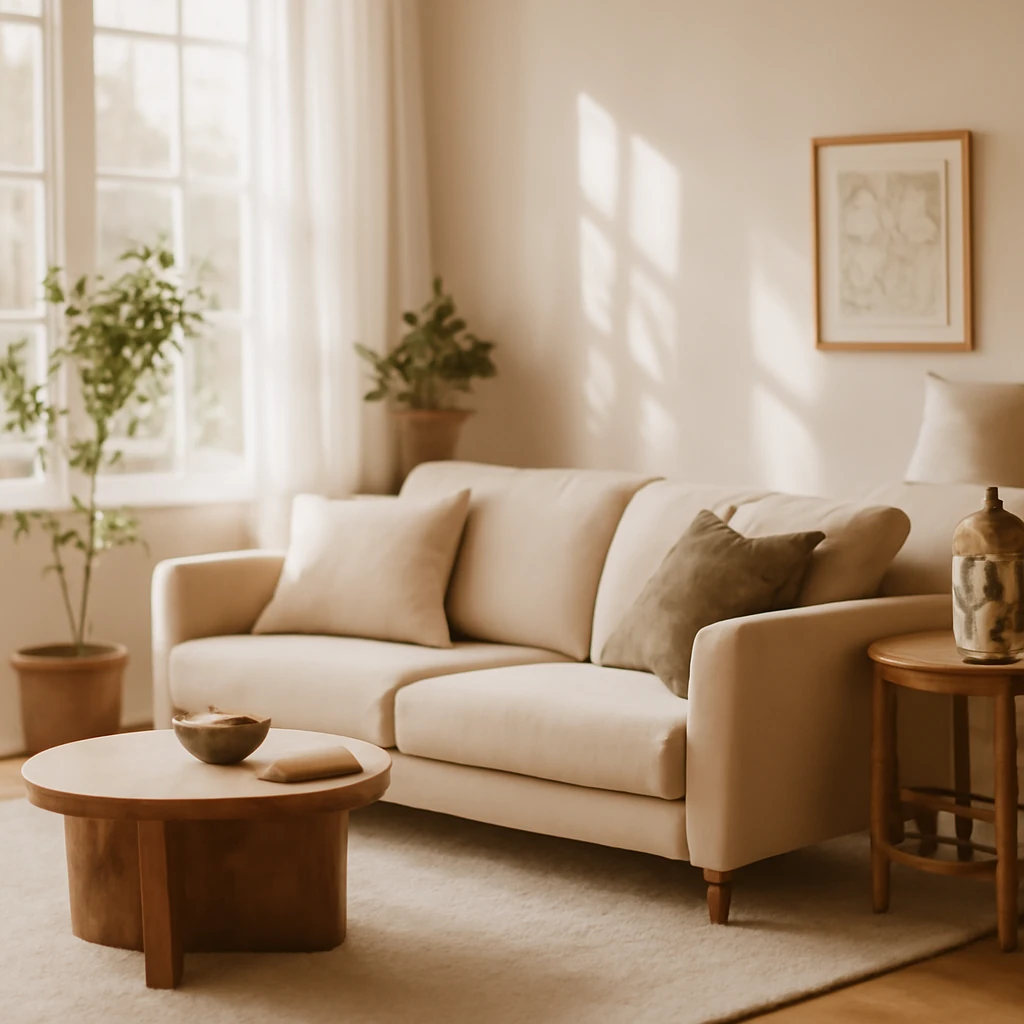
What is a sofa?
In Europe, the sofa is more than a single piece of furniture. It is the central seating anchor of the living room, capable of defining the room’s scale, comfort, and atmosphere. Across generations and styles, the sofa has evolved from a status symbol used to entertain guests to a flexible, daily-use item that can become a bed, a lounging surface for family life, or even a compact focal point in a narrow apartment corridor. The essence remains: a sofa is a frame for relaxation, conversation, and everyday living.
Historically, sofas have roots in households where seating for guests carried ceremonial weight. Over time, designers have translated that ceremonial function into practical, comfortable forms suitable for modern European homes. A well-chosen sofa can anchor a space, bridge different zones in an open plan, and adapt to changing needs without sacrificing style.
Construction features of a sofa
- Backrest and arms of a sofa are typically at similar heights, creating a coherent, horizontal silhouette.
- The seat is usually a solid, firm base rather than a patchwork of cushions, contributing to a clean, durable feel.
- Clean lines and a restrained profile characterise most traditional and contemporary sofas alike.
- Size tends to be compact compared with many traditional family seating arrangements, making sofas suitable for both modestly sized rooms and larger living areas.
- Seat height commonly sits between 35 and 40 cm. Some models include an additional mattress or cushion that increases seating height to around 43–47 cm for enhanced comfort or sleeping use.
How a sofa differs from other similar pieces
Difference from a sofa versus a couch
- In many European contexts, a sofa is treated as a formal seating piece with a consistent back and arm height. A couch may be more casual, sometimes featuring a higher back or a softer overall silhouette.
- So as a general rule, a sofa tends to have a more rigid, monolithic seat and a uniform height of back and arms, while a couch might incorporate varied seat cushions and a looser arrangement.
- Design language often leans toward a sofa having a continuous, structured seat, whereas a couch may invite a looser arrangement of cushions and modules.
Difference from a daybed or sofa bed
Daybeds and sofa beds are designed with sleeping functionality in mind. A sofa bed can be transformed into a bed with a relatively simple mechanism, enabling overnight guests to sleep comfortably without a separate bed. The sofa bed typically retains a defined back and arms, but the seat mechanism folds or unfolds to reveal a sleeping surface. In modern European interiors, a sofa bed is valued for combining daytime seating with a practical nighttime solution, especially in small apartments or homes with limited guest accommodation.
Some models use a hidden mattress or a fold-out system that lies flush with the main sofa, while others adopt a pull-out or roll-out design that creates a fuller bed surface. When choosing a sofa bed, consider the mattress quality, the ease of transformation, and how the sleeping surface supports the back and joints for regular use.
Difference from a settee or bench with a back
A settee or a bench with a back is often shallower and sometimes lacks the full back-to-arm continuity of a sofa. Sofas typically offer a more generous seating depth, comfortable ergonomics, and a balance of backrest and armrest heights that suit longer periods of sitting. In European interiors, the sofa is usually the pivot piece that anchors a seating arrangement, whether it is a compact urban living room or a spacious family space.
Types of sofas
Classic sofa - a timeless straight or slightly curved form with a wide seat and a fixed back. It prioritises comfort, durability and a traditional silhouette that fits into many interiors.
Convertible sofa - includes a transformation mechanism that converts seating into a bed. These sofas come with various mechanisms and often offer built-in storage as well.
Modular or sectional sofa - comprised of separate modules that can be rearranged to fit the room. This type is particularly adaptable for irregular layouts or multi-zone living spaces.
Practical notes for choosing a sofa type
- Consider how the room is used day to day. If a dedicated guest sleeping area is not available, a sofa bed or a modular system with a comfortable sleeping surface may be ideal.
- In open-plan homes, a modular or straight sofa in a consistent fabric can help define the living zone without visually crowding the space.
How to choose the right size
Your choice depends on how you plan to use the sofa and the size of the room. Here are practical guidelines to help you determine the right dimensions without overcrowding the space.
If you need seating only
Seat length is the most important factor for comfortable seating. For a single occupier, a seat length of 60–70 cm provides comfortable allocation. If two people will regularly sit side by side, aim for a sofa with a total length around 120 cm. For three people, a seat length near 180 cm is comfortable.
The overall width of a sofa in the closed state varies, but a typical compact model measures 50–90 cm in depth when flatted, while the seat depth reduces slightly with the back cushion height. A comfortable sitting experience for someone of average height and build (around 1.65–1.80 m tall and 75 kg) is usually achieved with a seat depth of 55–62 cm. A lower backrest can make lounging less comfortable for taller individuals, so if long repose is important, consider models with a deeper seat or additional cushions for support.
If you want a sleeping surface
A three-seater without a dedicated sleeping mechanism can function as a regular daytime bed for light napping or short rest periods, but for regular overnight use a proper sleep function is preferred. Sofa beds come in three broad families of mechanisms:
- Fold-out or book mechanisms - simple to operate, with the mattress concealed beneath the seat, often includes storage solutions.
- Pull-out or roll-out mechanisms - a mattress either slides out from beneath the seat or extends from within the frame, creating a larger sleeping surface.
- Turning or unfolding mechanisms - a traditional approach where the sofa transforms by unfolding a bed platform, often used in larger models.
When evaluating a sofa bed, test the ease of conversion, the thickness and quality of the mattress, and the firmness of the sleeping surface. A comfortable night’s sleep is as important as daytime seating, particularly in spaces used by guests or family members with back or joint concerns.
Upholstery and finishes
The upholstery choice affects durability, maintenance and the overall character of the sofa. European homes favour a range of options, from durable performance fabrics to real and faux leathers, each with distinct care regimes and aesthetic potential.
For allergy sufferers - faux leather
Faux leather or vinyl presents a wipe-clean surface that does not trap dust as readily as some fabrics. It is easy to maintain and can be a practical choice in family homes, clinics or hospitality spaces. For regular care, use anti-static sprays and wipe with a soft damp cloth, followed by thorough drying to prevent cracking over time.
For homes with pets - scratch-resistant fabrics
Pet-friendly fabrics feature tight weaves or surface treatments that resist claw marks. A durable weave, such as a tight twill or bouclé with a protective finish, helps maintain a fresh look even with daily wear. Consider colour and texture that conceal marks while remaining easy to clean.
For families with children and dining on the sofa - stain-resistant finishes
For sofas that often double as a dining or play area, fabrics with water-repellent finishes are highly beneficial. Treated textiles cause liquids to bead and roll off, allowing quick cleanup without staining. Many textiles can be treated with a prevention spray during maintenance cycles to extend the life of the upholstery.
Quality and durability - microfibre and bouclé
Microfibre and bouclé fabrics offer durability with a tactile richness. Microfibre blends are often praised for their resilience and ease of cleaning, while bouclé provides a forgiving texture that hides minor wear. For premium aesthetics, leather remains a strong choice, though it demands careful maintenance and seasonal conditioning to retain its look and comfort over time.
Sofas in different European interiors
Classic design with a Chesterfield silhouette
The Chesterfield sofa endures as a quintessential classic, prized for its deep button-tacked back, rolled arms and refined presence. In contemporary European interiors, a Chesterfield can anchor a traditional drawing room, or soften a modern space when rendered in a neutral fabric or leather that harmonises with other materials such as timber, marble or glass.
Modern minimalist - clean lines and restrained forms
In a modern or contemporary setting, a sofa with straight lines, low profile and monochrome or restrained tones creates a calm backbone for the space. Materials range from light oaks and pale veneers to steel frames and subdued upholstery shades. The emphasis is on geometry, proportion and the way the sofa sits within the room rather than on decorative flourish.
Scandinavian influence - light, airy and functional
Scandinavian-inspired sofas celebrate simplicity, bright fabrics, and modular flexibility. They pair well with pale woods, neutral palettes and natural textures such as wool and linen. The result is a serene, approachable seating arrangement that maximises daylight and creates a sense of space.
Boho warmth - colour, texture and personality
Boho interiors layer textures, patterns and rich hues. A sofa in this setting acts as a comforting anchor with a solid, unfussy silhouette that lets textiles and cushions do the talking. Choose warm-toned fabrics, tactile weaves and cushions in earthy tones to achieve a balanced, lived-in ambience.
Where to place a sofa in different rooms
In a spacious living room - the sofa as a centrepiece
In large, open-plan spaces the sofa often acts as the focal point. Position it to face a primary light source or a media area, ensuring there is enough circulation around the seating zone. If the sofa is used to divide a room, consider a colour or fabric that matches the main upholstery to keep the space coherent rather than cluttered.
In a compact living room - a considered footprint
Smaller rooms require proportionate furniture. Look for compact models with a clean profile and shallow depth. A modular sofa that can be reconfigured to create a corner or a slim linear arrangement often offers the most versatility in tight footprints. Pair the sofa with a slim coffee table and vertical storage to preserve floor area for movement.
In a bedroom - a cosy lounging edge
A sofa in a bedroom can function as a reading corner or a seating area at the foot of the bed. Choose lines and fabrics that harmonise with the room’s palette, and consider a smaller scale sofa or a sofa chair to keep circulation open while adding comfort and practicality.
In a children’s room or family space - durable and forgiving
In rooms where children’s activities take place, opt for resilient fabrics, washable slipcovers or removable covers. A robust sofa with easy-to-clean surfaces helps families maintain a tidy and welcoming environment with less upkeep.
In a kitchen or dining area - elevated seating options
For seating near a dining table, consider a sofa with a higher seat height that aligns with dining chairs. This arrangement allows comfortable seating at the table without compromising the room’s flow or sight lines.
In a balcony or conservatory - weather-ready options
In outdoor-adjacent spaces, consider weather-resistant fabrics and finishes. Where climate allows, a compact outdoor sofa can extend living space. If the space is protected, a sofa with removable slipcovers or textiles suited to humidity can provide durability and ease of maintenance.
Soften and style with upholstery and accessories
Beyond the sofa frame, cushions, throws and contrasting textures play a vital role in balancing the seating arrangement. A pair of cushions in a complementary shade can reinforce the room’s colour story, while a throw or two introduces texture and warmth. In European interiors where daylight shifts with the seasons, layering fabrics helps adapt the mood from bright daytime to cosy evenings.
Maintenance and care for longevity
A sofa is a long-term investment. Regular care protects both appearance and comfort. Here are practical practices:
- Rotate seat cushions where possible to maintain even wear across the seating surface.
- Vacuum regularly using a soft brush to remove dust and surface debris from fabric weaves.
- Attend to spills promptly with a blotting technique rather than rubbing the fabric to prevent embedded stains. For leather, use conditioner designed for the specific leather type and avoid direct sun to prevent fading.
- Follow manufacturer guidelines for professional cleaning and maintenance intervals, especially for performance fabrics and leather finishes.
Choosing a sofa for your space: a quick checklist
- Define the sofa’s primary role: seating only, daily lounging, sleeping accommodation, or a mix of uses.
- Measure the room carefully, accounting for doorways, traffic flow and surrounding furniture.
- Decide on the sofa’s silhouette: straight, curved, or modular. Consider how it visually relates to nearby structures such as coffee tables, media units and shelves.
- Select upholstery that suits your climate, lifestyle and maintenance preferences. Test comfort by sitting for several minutes in a showroom or at home with a trial period if offered.
- Assess the mechanism if you require a sleep function: try the fold-out and ensure the mattress supports a healthy sleeping posture.
- Consider colour and texture in relation to the room’s light and existing materials. A timeless neutral can be more versatile, while a bold hue should be used with intent to become a design signature.
In summary
- A sofa is a versatile, enduring anchor for European living rooms, balancing form and function with a timeless silhouette and adaptable features.
- Choosing the right size depends on how the space is used and the room’s scale. For sleeping, consider a dedicated mechanism and comfortable mattress quality.
- Upholstery choices dramatically influence durability, maintenance and character. Match fabrics to lifestyle, room use and climate for longevity.
Final thoughts
Whether you favour the quiet elegance of a classic Chesterfield or the understated discipline of a modern minimalist sofa, the right piece should feel inevitable in the space it occupies. In European interiors, the best sofas combine thoughtful dimensions with durable materials and a timeless silhouette that sustains both everyday use and evolving design trends. A well-chosen sofa can unify a room, support daily life and, over time, become a favourite setting for conversation, work, play and rest.
You may also like these articles
 Colour & Materials
Green Interiors: A European Guide to Palettes, Psychology and Mood
Exploring green in European homes: palettes, psychology and rooms.
Renovation
Post-Renovation Cleaning: Eight Essential Steps for a Fresh European Home
Eight practical steps to restore order after renovation across Europe.
Kitchen Design
Designing a Tiny Kitchen: Space-Smart Solutions for European Homes
Space-saving strategies for European small kitchens.