
Explore interior trends, AI design insights, styling guides and real transformations
The Timeless Allure of Provencal Kitchens: A European Guide to Rustic Elegance
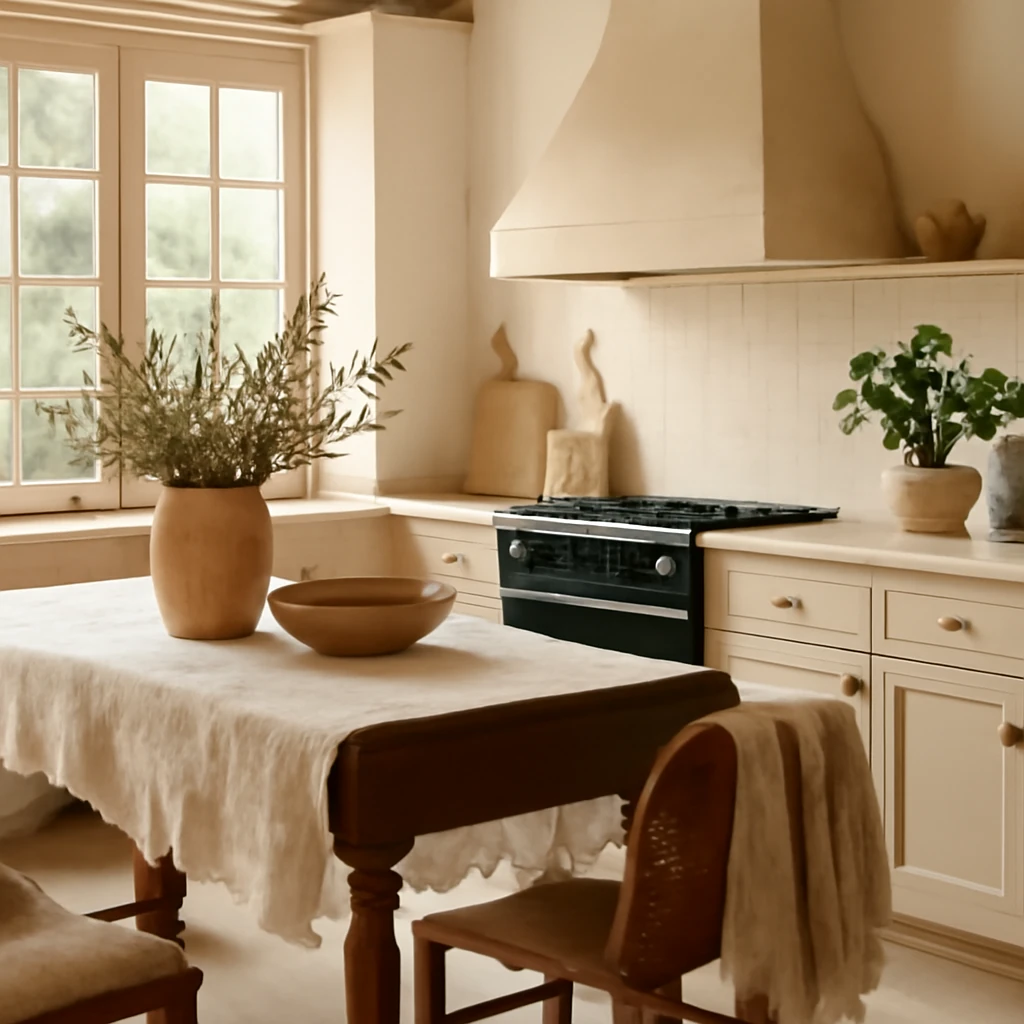
Introduction: Provencal charm in the European kitchen
Provencal kitchen design is a celebration of natural materials, light-coloured surfaces and a quiet, sun-warmed ambience. It draws on the rustic elegance of the southern French countryside, yet translates beautifully to contemporary European homes - from city centre flats with open-plan living to revived rural properties in the countryside. The goal is a kitchen that feels timeless, welcoming and creative, where everyday tasks become moments of pleasure rather than routine. In this guide, we explore how to bring Provençal warmth into your kitchen while ensuring practicality, durability and a sense of light-filled calm that suits modern life.
What makes Provencal kitchens distinctive
The Provençal aesthetic rests on a few defining ideas that can be adapted across Europe. When you step into a Provencal-inspired kitchen, you should sense an atmosphere of effortless charm grounded in authentic materials and restrained ornament. The key characteristics include:
- Weathered, natural textures that feel tactile and lived-in;
- A light, fresh colour base - creams, warm beiges, stone greys with gentle lavenders or sage accents;
- Visible timber and metal details that recall old-world craftsmanship;
- Textiles and florals that soften the space without overwhelming it;
- Confidence in imperfect surfaces: a deliberate, hand-crafted look rather than pristine perfection.
In practice, this translates to kitchens that combine rustic surfaces with contemporary organisation, where beauty and function live side by side. The style works equally well in heritage properties and modern builds, provided the materials and light balance are treated with care.
Walls, ceilings and floors: tactile surfaces with a timeless grain
In Provencal interiors, wall, ceiling and floor finishes are not merely about decoration, they define atmosphere. The emphasis is on warmth, texture and a sense of provenance.
Walls
Rather than relying on perfectly smooth walls, Provencal kitchens embrace texture. Lime plaster that gains a subtle patina, or brickwork laid in a traditional, irregular pattern, both contribute to the rustic, historic feel. In smaller or more urban kitchens, consider light-coloured wall panels or ceramic tiles with a restrained, natural texture around the work zones to keep maintenance straightforward yet visually rich.
If you opt for wallpaper, choose designs with florals or botanical motifs in soft tones that echo the palette of the room. Textured wallpapers in pale neutrals can add depth without crowding the space. In larger rooms, adapting a feature wall with a subtle stucco finish can provide a focal point without shouting for attention.
Ceiling
One of the most expressive elements in Provencal design is the ceiling. Exposed timber beams - painted in a light colour or left natural - imbue the room with character and height. For spaces with generous ceiling heights, decorative, painted beams can become a signature feature. In rooms with lower ceilings, rely on lighter ceiling finishes and understated beam details to avoid a crowded feeling. If beams are impractical, consider a pale plaster ceiling with fine cornicing or a subtle, decorative moulding to hint at traditional craftsmanship.
Floor
Floors in Provencal schemes typically favour warmth and durability. Wide timber planks in a light to mid tone create a natural base that pairs well with stone, ceramic or terracotta tiles. Porcelain or ceramic tiles in a muted terracotta, stone or marble-look can mimic a rustic floor while offering easy maintenance. For smaller kitchens, a matte, timber-look laminate or tile that reflects light can visually expand the space. If you choose a patterned mosaic or a geometric tile, keep the palette restrained to maintain serenity and cohesion with the rest of the room.
Colour palettes and textiles: softness with character
The Provencal colour story is rooted in daylight and landscape. Neutral bases are enriched with gentle colour notes drawn from nature, such as lavender, sage, stone, sand and warm terracotta.
In practice, you might specify walls and cabinetry in soft ivory or pale stone, with worktops in a warmer beige or limestone. Introduce colour through textiles, ceramics and accessories: linen curtains in natural hues, cotton tablecloths with delicate floral motifs, and a collection of ceramic vases in muted lavender or cornflower for a subtle accent.
Textiles play a central role in the Provençal look. Linen and cotton fabrics offer a breathable, casually elegant texture. For window treatments, choose light-weight, airy fabrics that allow daylight to filter through while maintaining privacy. Consider sheer linen drapes in the kitchen zone near the dining area to preserve the airy feel while softening reflections on surfaces.
Lighting and daylight: bright, welcoming illumination
In Provence-inspired kitchens, lighting is designed to mimic natural daylight, ensuring spaces glow with warmth from dawn through dusk. You can balance daylight with layered lighting - ambient, task and decorative - without compromising the rustic mood.
Maximising daylight
Windows are crucial, often serving as the main source of natural light. If a full-height, floor-to-ceiling window isn’t feasible, explore generous glazing, light-coloured neighbouring walls and light textiles to reflect daylight deeper into the room. For kitchens with limited external light, consider light-coloured wall finishes, reflective surfaces and glass-fronted cabinetry to bounce light around.
Artificial lighting
Choose fittings with warm colour temperature (2700–3000K) to reproduce a sunlit ambience. A statement pendant or a wrought-iron chandelier can act as a focal point, while wall sconces with fabric or parchment shades provide soft, even glow along work zones. Ensure the lighting plan avoids harsh shadows in the work triangle and under upper cabinets. Dimmer switches offer flexibility to shift from practical cooking light to cosy evening ambience.
Prefer fixtures with natural materials - brass, brushed copper, or dark bronze evoke traditional craftsmanship and pair gracefully with timber and stone. Where possible, position lighting to highlight textures on walls and ceilings rather than peering into bright, direct light sources.
Furniture and fittings: warm wood, craft details and practical storage
Provencal kitchens favour furniture that looks as though it has evolved over time, not as if it was manufactured to be perfect from the start. This means a blend of functional storage and visibly crafted details that celebrate the artisan's hand.
Cabinetry and storage
Open-fronted cabinetry with a weathered, whitewashed or distressed finish is a hallmark of the style. Cabinets may be solid wood or veneered in warm timbers, with minimal doors to keep the space feeling airy. A mix of closed storage for necessities and open shelving for crockery and glassware helps to maintain a relaxed, lived-in look. For a more contemporary twist, combination systems with integrated appliances can be concealed behind cabinetry that retains the characterful exterior.
Countertops and sinks
Countertops in natural stone, such as limestone or lightly veined marble, or high-quality quartz with a warm undertone, align with the Provençal ethos of natural, durable materials. Sinks can be traditional apron-front or undermounted, but always in materials that pair well with the finish of the cabinets. Think rustic metal taps in bronze or copper to complete the timeless look.
Furniture styles and details
Seaoned wooden tables, sometimes with visible patina, and chairs with a handmade feel anchor the space. A central island or a compact work table in distressed timber offers practical prep space and a natural gathering point. Metal details - cast iron or wrought iron handles, legs, and rails - provide subtle contrast while reinforcing the sense of craftsmanship.
Materials and textures: a tactile, nature-inspired core
Natural materials are foundational in Provençal design. Wood, stone, ceramic and metal are used with care to create a space that is warm to the touch and resilient in daily use. The choice of finishes matters as much as the materials themselves: imperfect textures, brushed finishes and a soft patina all contribute to the authenticity of the look.
Accessories and the art of “the little things”
Accessories are where Provencal kitchens bloom. The aim is to curate objects with a sense of history and purpose, rather than a curated showroom neatness. Thoughtfully chosen items can elevate the atmosphere without overpowering it.
- Elegant ceramic tableware with subtle floral motifs that nod to herb gardens and field botanicals.
- Wall clocks with a vintage or artisanal feel that echo the country-room mood.
- Decorative pottery, jugs and herb pots arranged in small collections to imply daily life and use.
- Woven baskets, ceramic canisters and terracotta planters for practical storage and a rustic silhouette.
- Wooden boards, bread boxes and spice jars that highlight a craft-first approach to cooking.
Textiles - lavish but restrained - wrap the space in tactile warmth. Linen napkins, cotton tea towels and light curtains in natural tones help soften hard surfaces while maintaining a practical edge for a busy family kitchen.
Practical adaptation for European homes: blending tradition with modern life
To make a Provencal kitchen work in a contemporary European home, focus on balancing authentic character with smart organisation. Consider the following practical guidelines:
- Combine open shelving with concealed storage to keep the working zone uncluttered while preserving the charm of visible wares.
- Choose appliances that are sympathetic in scale and finish. A range cooker or a sleek induction hob with a classic finish can bridge old-world aesthetics and modern performance.
- Use a colour strategy that anchors the space in light neutrals. Introduce colour accents through textiles and decorative pieces rather than large areas of bold colour.
- Prioritise durability and ease of cleaning in finishes. For example, select wipe-clean wall tiles around the sink and cook zone, paired with a breathable, heat-resistant work surface.
- In compact kitchens, maximise light and air by employing reflective backsplashes and lighter-toned cabinetry. Keep decorative elements proportional to the room to avoid visually shrinking the space.
The result is a kitchen that feels both rooted in tradition and perfectly aligned with modern European lifestyles - an environment in which cooking becomes a daily pleasure rather than a chore.
Small spaces and seasonal living: a Provencal mindset in compact kitchens
The Provençal approach translates especially well to small kitchens where clever layout and careful scale are essential. A few strategic choices can create a sense of airiness and sunlit calm in limited square metres:
- Light-coloured cabinetry and countertops reflect daylight, making the space feel larger.
- Open shelving at eye level can visually expand the room, while keeping essential items within easy reach.
- Large, uncluttered work surfaces maintain a sense of order and calm.
- Textiles in soft tones that echo the walls help unify the space and soften edges created by compact dimensions.
Small kitchens benefit from the same principles as larger spaces: texture, quality materials, balanced lighting, and a clear line of sight between cooking and dining areas. The emphasis remains on a warm, welcoming atmosphere rather than a perfectly uniform aesthetic.
Maintenance, durability and sustainability in Provencal kitchens
Around Europe, homeowners increasingly prioritise sustainability alongside style. The Provencal kitchen lends itself to enduring, repairable materials, rather than throwaway, trend-driven choices. Consider these sustainability-focused approaches:
- Choose solid timber or responsibly sourced veneer for cabinetry, select finishes that age gracefully rather than peel or crack easily.
- Opt for natural stone, ceramic or high-quality composite worktops that resist heat, stains and scratches.
- Use lime plaster or lime-based paints in dry zones for their breathability and low VOC content, improving indoor air quality over time.
- Invest in durable, repairable hardware - hinges, handles and taps with a patina that develops with use rather than a glossy, easily dented surface.
With careful material choices and gentle maintenance, a Provencal kitchen can age gracefully, gaining character rather than losing its vitality. Routine care - gentle cleaning, avoidance of abrasive products and prompt attention to spills - helps maintain its warmth and charm for decades.
Crafting your Provencal kitchen: a step-by-step approach
Turning these principles into a real kitchen involves a considered sequence of decisions. Here is a practical framework you can adapt to your European home:
- Define the palette: start with a light base (cream, ivory, stone) and select one or two soft accents (lavender, sage, cornflower) to carry through textiles and accessories.
- Plan the surfaces: decide on a mix of textures - plaster or brick walls, timber ceilings, stone or stone-look countertops, and a warm-toned floor that ties everything together.
- Choose cabinetry with character: opt for timber cabinets with a slightly aged finish or whitewashed surfaces. Keep doors simple to preserve a calm atmosphere.
- Spec the lighting: layer ambient, task and decorative lighting. Include a central feature for a touch of drama, while ensuring work areas are well lit.
- Integrate hardware and fittings: select bronze or copper taps, a timber-framed dining piece, and iron details to echo the artisan aesthetic.
- Decide on textiles and accessories: linen drapes, cotton napkins, ceramic vessels and woven baskets add warmth and a lived-in quality.
- Implement storage thoughtfully: combine closed cabinetry with open shelves to showcase everyday wares while preserving order.
- Test in daily life: arrange the layout so that cooking, cleaning and dining flows naturally, with easy access to the fridge, oven and sink.
With these steps, a Provencal kitchen can be tailored to suit a wide range of European homes and lifestyles, from busy family hubs to quiet, refined entertaining spaces.
Conclusion: a kitchen that ages beautifully
The Provencal kitchen is more than a stylistic choice - it is a philosophy of living where beauty, practicality and memory come together. By embracing natural materials, restrained colour, tactile textures and handcrafted details, you create a space that feels both timeless and distinctly European. It invites daily ritual: a scent of herbs on the breeze, the soft glow of evening light across a stone surface, the quiet satisfaction of a well-laid table. In a world of fast-changing trends, the Provencal kitchen offers a stable centre - a place where cooking, gathering and everyday life are enriched by warmth, character and timeless elegance.
You may also like these articles
 Trends
Steampunk Interiors: A European Guide to Industrial Chic
Steampunk interiors blend Victorian texture with modern practicality for bold, brass-toned European homes.
 Colour & Materials
Beige as a Foundation: Subtle, Versatile Colour for European Homes
A practical guide to beige interiors for European spaces
Tips & How-To
From Pallets to Comfortable Seating: A European DIY Guide to Pallet Sofas
DIY pallet sofas for European homes: build, finish, and style.