
Explore interior trends, AI design insights, styling guides and real transformations
Sofas for every space: shapes, mechanisms and practical guidance
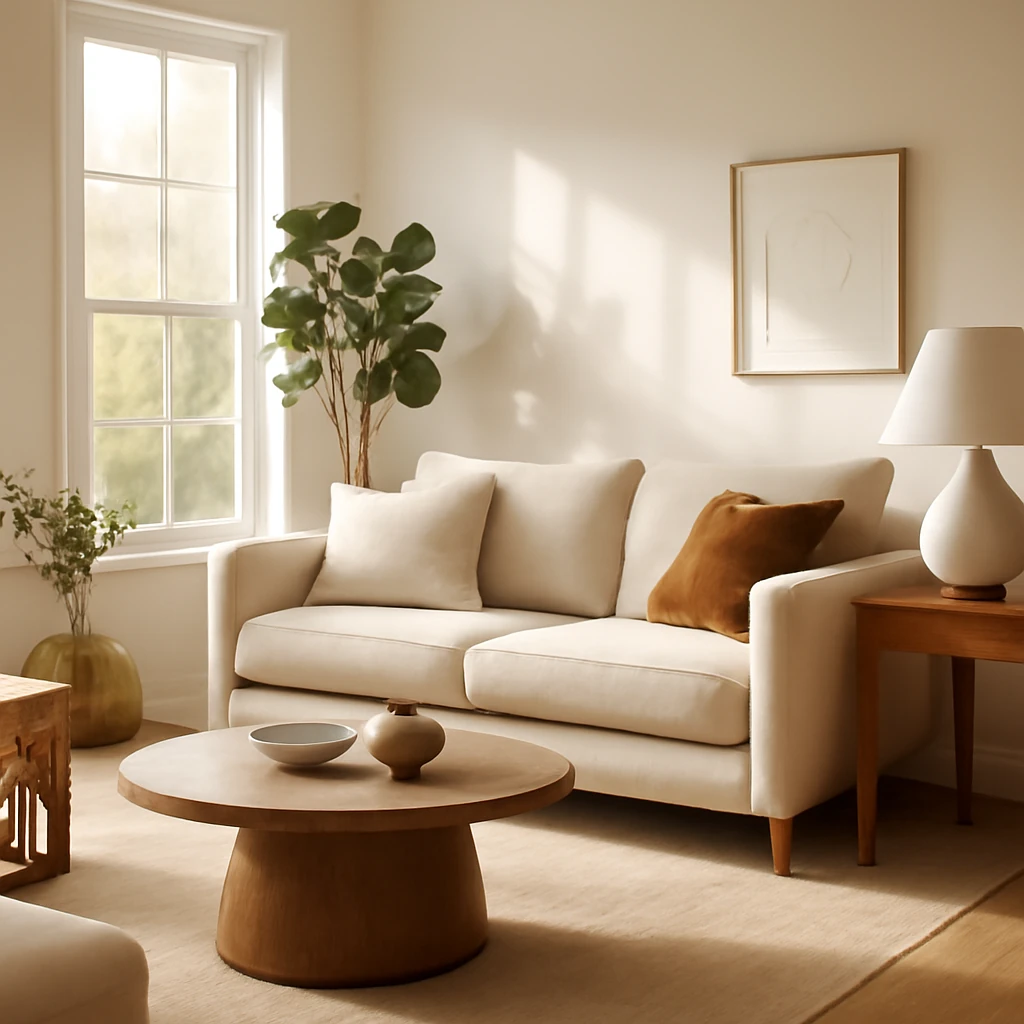
Types of Sofas by Shape
A sofa is a cornerstone of any home, shaping both comfort and the overall interior mood. Across Europe, living spaces range from compact city flats to generous, open-plan rooms. The silhouette of a sofa influences layout, movement through the space and how you socialise, work and unwind. Here we explore the main shapes you’ll encounter, and how each can enhance your home.
Straight Sofas - the practical staple
Straight sofas align neatly with walls or form a clean central axis in a room. They are a versatile choice for contemporary, Nordic and modern interiors where geometric precision and simplicity are valued. Because of their linear profile, straight sofas generally occupy less visual space than corner or modular models, lending a sense of air and flexibility to the room.
In compact urban flats a straight sofa can anchor the lounge without dominating the footprint, leaving space for a small dining area or a compact desk. For multi-use spaces, a straight sofa can switch between living and working zones with ease.
- In a compact city flat, a straight sofa along a wall creates a flexible, uncluttered seating area.
- In an open-plan living-dining space, a straight sofa defines the living zone while keeping sightlines open to other functions.
Tip: if you want a sofa that doubles as a bed without complex preparation, look for models with a flat seat depth of at least 80 cm. That depth supports a comfortable lay-down without extensive transformation.
Corner Sofas - for zoning and social seating
Corner sofas, including L- and U-shaped configurations, excel at shaping rooms and creating distinct zones within larger spaces. They often work well in open-plan living areas, where a corner sofa can separate the lounge from the dining or kitchen zones or provide a cosy corner for reading and conversation.
These sofas naturally offer generous seating and a sense of intimacy for gatherings. In more compact rooms, a well-chosen corner piece can maximise seating without overwhelming the floor area.
- Corner configurations help delineate living and dining zones in open-plan layouts.
- For family rooms or studios, a corner sofa can substitute multiple pieces, providing an integrated seating solution.
When planning, ensure there is comfortable circulation around the piece and that the sofa does not obstruct doorways or windows. Aim for at least 70 cm of clearance to allow easy movement around the sofa.
Modular Sofas - for flexible layouts
Modular sofas are constructed from separate sections that can be mixed and rearranged to suit changing needs. They are ideal for adaptive living spaces, from busy family homes to collaborative work-and-relax zones in open-plan interiors. Each module can serve a different function - a reading nook, a conversation corner, or a place for children to play nearby.
The beauty of modular systems is their adaptability: you can reconfigure the arrangement to fit awkward corners, expand or reduce seating as family life evolves, or create a cosy cluster for conversations. Modules can also be swapped out over time to refresh the look without a full replacement.
- In larger spaces, modular components create intimate nooks for reading and lounging.
- For irregular rooms, modular sofas optimise corner-to-centre proportions and maximise comfort.
Practical note: to visually lighten a modular sofa, consider removing a side with bulky arms or substituting one side with a neighbouring pouffe. This creates extra seating while preserving openness.
Island Sofas - a sculptural centrepiece
Island sofas are fully upholstered and comfortable from every angle, making them ideal focal points in larger rooms or public lounges. Their design often places seating around the perimeter, facing inward to encourage social interaction. Island forms can be round, oval, rectangular or undulating, and they frequently require generous space to allow unobstructed movement around the furniture.
When choosing an island sofa, ensure there is sufficient clearance around the piece - typically a minimum of 70 cm walking space. Island models are best suited to rooms that are generous in plan and near a natural centre of gravity within the living area.
In European homes with open-plan layouts, an island sofa can act as a soft room divider while remaining a warm, inclusive seating option for guests.
Sofas by Transformation Mechanism
All sofa designs can be divided into two broad categories: fixed models and those with a transformation mechanism. The right choice depends on how you use your sofa and how often you need an extra sleeping space.
Fixed Sofas
Fixed sofas do not convert into beds. They prioritise comfort, support and long-term durability, making them ideal for living rooms and spaces where a dedicated bed is not needed. They are typically simpler to maintain and can offer more stable seating and back support than sofa beds.
- Fixed sofas are excellent for lounge areas where daily sleeping is not required.
- When space is tight, a well-contoured fixed sofa can provide superior back support and long-lasting comfort.
Sofa Beds and Other Transforming Mechanisms
European markets offer a range of sofa beds and converting mechanisms designed to balance comfort, space and ease of use. The most common mechanisms include Eurobook, pantograph, click-clack, and pull-out varieties. Each has its own advantages and considerations, depending on how often you expect to use the bed and where the sofa will be placed in the room.
Eurobook
The Eurobook mechanism hides a bed inside the sofa and allows a relatively flat sleeping surface to emerge from the seating area. It does not require the sofa to be moved away from the wall for operation, which makes it suitable for compact rooms. This system is valued for a neat, bed-like surface that remains comfortable for regular sleep without the need to reposition the furniture extensively.
- Eurobook offers a straightforward transformation with a reclining mattress and a stable sleeping plane.
- Best suited for rooms where space is at a premium and a dedicated bed is not feasible.
Pantograph
The pantograph mechanism is a modern, space-efficient solution in which the seat is pulled forward and the back folds down to form a flat, comfortable bed. Because there are no protruding feet or rails, pantograph sofas are particularly friendly to carpeted floors and can sit close to the wall while still offering a generous sleeping area.
- Pantograph sofas save floor space and avoid door-swing or wall clearance issues when opening into a room.
- They are well-suited to contemporary interiors where a clean, uninterrupted wall line is desirable.
Click-Clack
The classic click-clack mechanism folds the back down and rear cushions to create a flat sleeping surface. It is simple, reliable and generally easy to operate. This mechanism tends to be lighter on wear than some more complex options and is a familiar solution for guest rooms or occasional use.
- Click-clack models offer quick transformation with minimal effort.
- Ideal for rooms that occasionally double as guest spaces.
Pull-Out / Roll-Out Beds
Pull-out or roll-out beds feature a hidden mattress that slides out from under the seating area, creating a spacious sleep surface. They are highly functional for regular guests or family members who sleep in the living room. The main considerations are the height of the bed surface when fully extended and the potential for a deeper seating area to feel less cohesive when stowed away.
- Pull-out systems are widely understood and easy to use, with many options tailored to different budgets.
- Some configurations reduce the seat depth when converted, so it’s important to test comfort in both configurations.
Other Transforming Mechanisms
Today’s market includes a variety of additional mechanisms that blur the line between sofa and bed. Some operate with hidden lifting, others with spring-assisted sections, and a few integrate modular elements that can be rearranged into a guest bed or a daybed. Regardless of mechanism, the key considerations are the stability of the bed surface, the quality of the mattress, and how easy the transformation remains with daily use over time.
Additional Features to Consider
Beyond shape and mechanism, modern sofas offer a range of features that can optimise storage, technology integration and everyday convenience. When designing a European living space, consider the following elements as part of your sofa choice.
- Integrated storage: hidden compartments, drawers or chaise-end storage can be invaluable for bedding, cushions and throws, helping to keep rooms tidy and organised.
- Built-in surfaces: some models include wide armrests or snap-on tables that can hold a book, a laptop, a coffee cup or a small decorative lamp - handy in compact rooms where surfaces are at a premium.
- Technology and power: USB charging ports, wireless charging pads and discreet power sockets in the arms or bases can turn a sofa into a practical work or media hub while avoiding clutter.
- Soft-close features and high-grade components: durable frames, quality springs and well-distributed seating support extend the life of the sofa and maintain comfort after years of use.
- Massage options and comfort explainers: some models offer targeted back support or gentle massage nodes - beneficial after long days, though not essential for everyone.
Remember not to chase every feature at once. Prioritise those that genuinely improve your daily life - such as a sofa with a practical bed function for guests, or one with easy-clean upholstery for households with children or pets.
How to Choose the Right Sofa
With an understanding of shapes and mechanisms, you can approach selection with clarity. Consider how you will use the sofa, how you will interact with it daily, and what dimensions and features align with your space and lifestyle.
In the bedroom - orthopaedic comfort
When the sofa doubles as a sleeping space, comfort and support are paramount. A generous sleeping area with an evenly supported mattress is essential for tranquillity and daily rest. Choose a system that permits easy conversion while maintaining a consistent, comfortable sleeping plane. For single-person use, a sofa with a wide seat and a firm but forgiving upholstery can provide a restful night without the need for additional bedding.
In smaller bedrooms, compact, storage-enabled models offer practical solutions to keep linen and essentials within reach while keeping the floor uncluttered.
In the living room - comfort and durability for everyday use
The living room is where you entertain, unwind and spend long periods seated. Here the depth of the seat, the height of the back and the firmness of the cushioning all contribute to how inviting the sofa feels. Test different seat depths - deeper seating invites relaxation, while shallower seats can promote a more energetic atmosphere and better posture during conversation or work on a laptop.
Upholstery choice matters too. Durable fabrics such as wool blends, performance synthetics or high-quality leather suit European homes well, especially in high-traffic living spaces. Colour and texture can influence the room’s mood - neutrals create calm, while richer tones or textures offer warmth and personality.
In the children's room - safe and easy to clean
In spaces used by children, safety and durability are non-negotiable. Look for models with rounded edges and soft, washable fabrics or seat covers designed to resist stains and wear. Storage-friendly sofas with integrated drawers can help teach organisation while giving children a secure and practical area for play and reading.
In the home office - reliable and functional
A home office sofa should support both short breaks and longer sessions of reading or informal discussions. Compact straight or small L-shaped pieces with a high-back structure provide refuge during busy workdays. Choose upholstery that is easy to wipe clean and resistant to spills, and consider a model with additional surface options or a small side table for a laptop and notes.
In the hallway - durable and practical
The entry area benefits from robust, easy-care seating that can withstand frequent use and entryway traffic. A compact sofa or a cushioned bench can serve as a welcoming perch for removing shoes while contributing to the overall style of the home. Removable covers or simple-clean fabrics are particularly convenient in these spaces.
Practical Checklist
- Identify how you will primarily use the sofa: sleeping, lounging, working, entertaining or a combination of these.
- Measure your space carefully, including doorways, hallways and the intended path of delivery. If your access is tight, consider modular pieces that arrive in parts.
- Choose a silhouette compatible with your room’s proportions: straight for narrow rooms, corner for open-plan zones, modular for flexible layouts, or island for a central focal point.
- Decide whether you need a transformation mechanism and which type suits your lifestyle and space best. Remember to test the ease of use and comfort in both configurations.
- Assess upholstery and maintenance needs. If you have children or pets, prioritise durable fabrics and easy-clean options. Consider removable covers or stain-resistant finishes where appropriate.
- Set a realistic budget that prioritises frame quality and upholstery. A well-built sofa will last longer and maintain comfort more reliably than a cheaper alternative.
- Consider accessories that extend the sofa’s usefulness: built-in storage, side tables, or integrated charging options can dramatically improve daily life in European homes.
Putting It All Together: A European Living Room Plan
European living rooms often combine comfort with elegance, balancing function and aesthetics. A well-chosen sofa should act as the room’s anchor and a springboard for rest and sociability. Start by defining a focal point - this could be a fireplace, a view, or simply a well-placed lighting scheme. Then plan seating around that anchor with proportionate scale: avoid oversized pieces in small spaces and steer away from multiple small seating options that make a room feel disjointed.
When space allows, consider a versatile mix: a straight sofa for daily seating, a couple of lounge chairs or a compact modular unit to accommodate guests, and perhaps a small island sofa to create a social hub. This combination supports flexible living - perfect for contemporary European homes that blend work, family life and leisure in a single environment.
Materials, Colour and Finishes
The material palette you choose sets the tone of the room as strongly as the sofa’s silhouette. Natural fibres such as wool, linen and cotton blends provide refined textures and breathable comfort, while performance fabrics and high-quality faux leathers offer practical durability for busy homes. Velvet and bouclé remain popular for adding depth and tactile warmth, particularly in neutral schemes or with accent colours that pop against a calm backdrop.
Colour strategy matters. Light neutrals - stone, taupe, soft greys - create a light, breathable base and make small rooms feel more generous. Rich hues such as deep emerald, navy or charcoal can offer dramatic contrast in larger spaces, complementing timber floors and metallic accents. If you prefer pattern, subtle weaves or tonal textures can add interest without overpowering the space.
Consider the room’s lighting when selecting colour. Daylight can reveal undertones that differ from artificial lighting at night, so test swatches in different lighting conditions before committing to a large purchase.
Care, Sustainability and Longevity
Sofas are long-term investments. A sturdy timber frame, well-engineered springs and quality upholstery yields a sofa that stays comfortable and retains its shape over time. When possible, opt for sofas that use responsibly sourced materials and have clear warranty terms. Regular maintenance - rotating cushions, vacuuming to remove dust, and addressing spills promptly with appropriate cleaners - extends the life of your furniture and maintains its appearance.
In European homes, where mobility and space efficiency are often essential, consider modular or sectional systems that can be reconfigured rather than replaced as lifestyle needs evolve. A modular sofa can be refreshed with new modules, allowing you to transform the room without purchasing an entirely new piece of furniture.
Conclusion
Choosing the right sofa is about harmonising form, function and space. By understanding shapes, transformation mechanisms and practical features, you can select a piece that not only looks beautiful but enhances daily life - whether in a compact city apartment, a family home with an open-plan ground floor, or a contemporary workspace that doubles as a social hub. In short, a well-chosen sofa supports better living in every European home, aligning comfort with a refined sense of style.
You may also like these articles
 Tips & How-To
Restoring Classic Furniture in Europe: A Practical Guide
Revive timeless furniture with practical European techniques.
Renovation
Refreshing Your Kitchen Countertop: DIY Techniques for European Homes
Four practical DIY methods to refresh a kitchen countertop across European homes.
Tips & How-To
From jar to jewel: 12 handmade candle holders that elevate modern European interiors
12 handmade candle holders to illuminate European interiors with style.