
Explore interior trends, AI design insights, styling guides and real transformations
A European Christmas Wreath: 2025 Trends, Materials and How-To
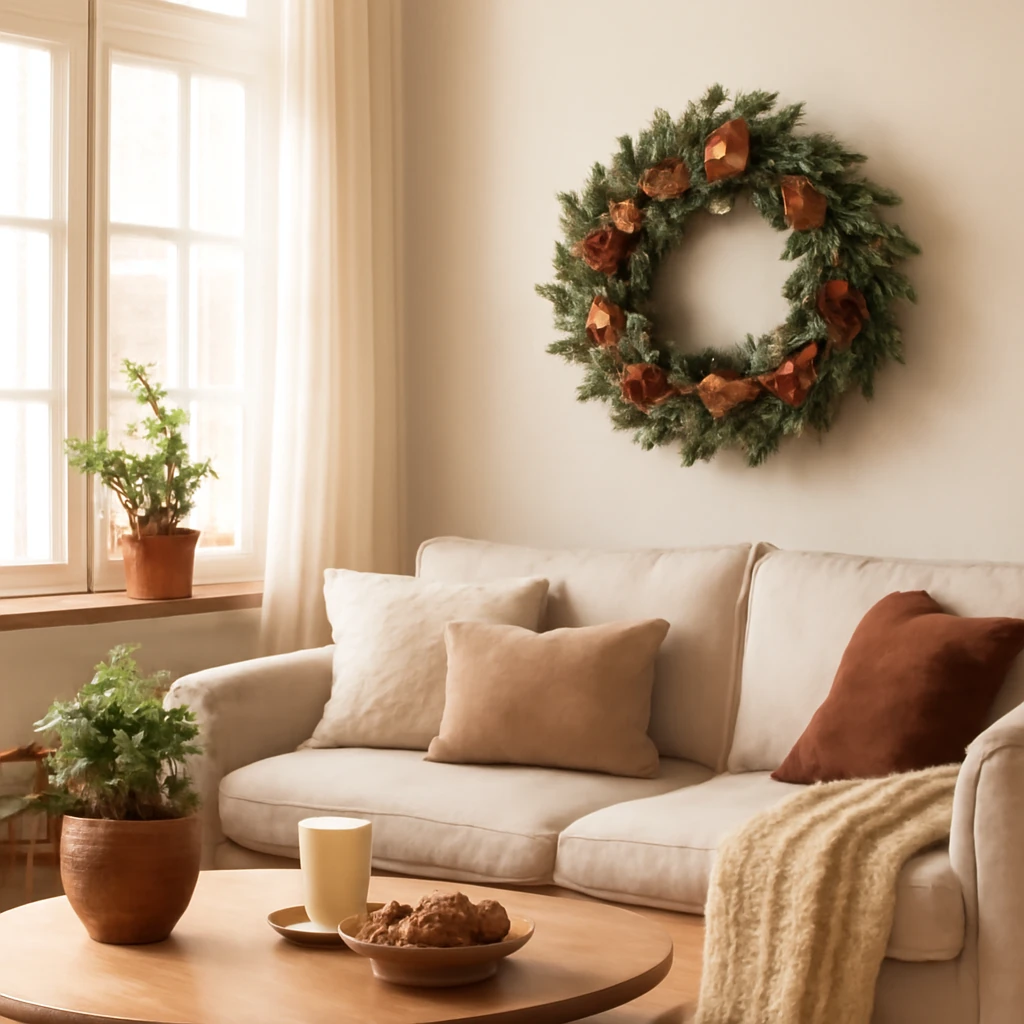
The festive wreath: more than a decoration
A Christmas wreath is one of the most enduring symbols of the season, offering a warm welcome at the front door or a cosy accent inside. In European homes, a wreath can act as a focal point or a subtle detail that ties the room together. It is adaptable to the scale of a space, from compact corridor doors to generous interior walls, and it can be assembled from a wide range of materials to suit every aesthetic - from rustic naturalism to pared-back modernism.
Rather than relying on a single look, the 2025 approach emphasises thoughtful restraint, sustainability and personal connection. The aim is to craft a wreath that feels harmonious with the home’s architecture and its seasonal mood, rather than a maximal display of colour. The result is a refined, durable decoration that can be reused year after year with small adjustments for variation.
Trends for 2025: how to interpret a European Christmas wreath
Attention to tone, texture and provenance sits at the heart of modern wreath styling. Here are the three core directions likely to resonate across European homes in the new year:
- Eco-style and natural materials. A perennial favourite, natural textures - evergreen foliage, pine cones, dried fruits and native botanicals - offer a grounded, seasonal beauty. A wreath built from sustainable materials remains appealing across interiors, especially when it is designed to be reused and reshaped for different occasions.
- Minimalism with a touch of metallic elegance. Clean lines, restrained palettes and quiet sophistication. The emphasis is on quality over quantity, with two or three carefully chosen accents - perhaps a brass bead, a slate-grey ribbon or a subtle gold thread - that catch the eye without shouting.
- Retro and vintage warmth. Nostalgia has enduring charm. A wreath that nods to mid-century colour palettes or antique ornaments can feel timeless when paired with a classic interior. Use a green base with seasonal keepsakes and aged textures to evoke a sense of cosy remembrance.
Designers note: in 2025, the Year of the Wood Snake inspires a preference for slender, elegant greens and natural wood elements. If you want a playful nod to the year, consider a ribbon in a bright metallic or a subtly shimmering accessory that reflects light without overpowering the composition.
What to decorate with: material ideas for a European setting
When planning a wreath, start with the base and then layer materials in a coherent sequence. The following lists offer a European-friendly spread of ideas that balance durability, scent, texture and visual impact.
- Natural materials: pinecones, fir or spruce branches, dried citrus slices, preserved leaves, dried berries, oak acorns, chestnuts, coffee beans, wooden beads, and whole spices such as cinnamon sticks, star anise and rosemary sprigs.
- Whole greenery: noble evergreens, eucalyptus, bay, or myrtle. Choose varieties that hold their form when cut and do not shed heavily in warm rooms.
- Decorative extras: metallic threads in bronze, brushed gold or silver, glass or wooden beads, small glass baubles, and soft velvet ribbons in muted tones.
- Fabric and rope accents: linen, cotton or velvet ribbons, natural jute or hessian cords to anchor a rustic or contemporary look.
- Sweet and edible accents (for decorative purposes only): wrapped chocolates, mandarins and other citrus in protective packaging, crisp biscuits or dried fruit garnishes. Note: edible elements should be avoided where the wreath is exposed to heat or small children and pets.
Tip: when selecting materials, opt for harmonious tones - skinny greens, muted crimsons, deep burgundies, olive and sage greens - and use no more than two or three colours to maintain elegance.
How to make a Christmas wreath: step-by-step by material
From natural materials
Natural-material wreaths remain a cornerstone of contemporary European interiors. They embody autumnal and winter craft traditions while offering longevity when stored properly.
What you can use:
- Pinecones and evergreen sprigs
- Sprigs of fir, pine or cedar
- Dried oranges or citrus slices
- Preserved foliage and dried flowers
- Acorns, hazelnuts, chestnuts
- Coffee beans, seeds or peppercorns for texture
- Evergreen leaves for a glossy finish
- Wooden beads and natural fibres
- Whole spices (cinnamon, star anise, rosemary)
Basic construction: glue a circular base, such as a thick cardboard ring or a wire hoop, and attach greenery in a consistent direction. If using a cardboard ring, reinforce with papier-mache or a wrapped fabric border to add volume. Work from the outer edge toward the centre, layering the most substantial elements first (cones, large sprigs) and filling gaps with smaller items and foliage. Secure with a hot glue gun and wrap the base with a narrow ribbon or twine when finished.
General method
- Prepare your base: use a ring of about 25–40 cm in diameter, depending on space and weight considerations. A heavier ring performs better on a wall or a sturdy door.
- Attach greenery in a single direction to avoid a lopsided look. Rotate the ring only if you want a circular pattern around the centre, but consistency is preferred for a disciplined aesthetic.
- Secure the largest elements first, then fill with mid-sized pieces, finishing with small accents and textures for depth.
- Dress the wreath with a ribbon loop for hanging. Ensure the loop is well anchored to the back of the base so the weight is evenly distributed.
Optional finishing touches: a light spray of gold or bronze paint on selected pinecones or berries can lift the piece without overpowering its natural feel. Keep metallic touches subtle to preserve the wreath’s natural charm.
From greenery: a simpler noble option
If you prefer a lighter composition, a greenery-forward wreath offers a refined, understated look. Use longer, flexible branches to create a nest-like base, then secure with twine or a discreet glue path. For a luxurious finish, trim the greenery to about 15–20 cm lengths to maintain a plush, compact silhouette.
From fabric or ribbon
Textile wreaths suit contemporary interiors where sparkle is kept to a minimum. A fabric-wrapped base provides a soft texture that blends well with neutral walls and light floors. The method is straightforward:
- Cut fabric or ribbon into uniform strips, about 10–15 cm long.
- Wrap the strips around a circular base, layering them in rows to create gentle volume. Secure each strip with hot glue or a small stitch at the back.
- Adorn with a few simple accents - single pinecones, a wooden bead or a small ceramic star - and finish with a delicate loop for hanging.
This approach is particularly effective in minimalist or Nordic-inspired interiors where excessive decoration would feel intrusive.
From rotan (rattan) or woven fibres
Woven bases offer tactile warmth and durability, ideal for high-traffic areas where décor must withstand daily use. A rotan or synthetic rattan wreath can be built around a traditional hoop or formed into a compact circle by winding and tying the fibres with a natural twine.
Step-by-step:
- Cut the wicker or rattan segments to roughly two-thirds of the intended diameter.
- Layer four interlaced branches to create a thick core, then form a ring and secure with binding twine.
- Continue weaving other pieces in the same direction, gradually increasing the wreath’s width. Space fibres evenly to achieve a balanced texture.
- Once the ring reaches the desired thickness, secure the ending with a final twist and tuck it behind the base. Add a subtle finish by tying a slim, matte ribbon around the circumference.
Rattan creates a coastal or craft-inspired look that works well in contemporary European homes, especially when paired with natural woods and soft lighting.
From available materials at home
A thrift-friendly approach uses items most households already have. The process remains the same: a sturdy ring base, a glue gun, and a plan to arrange the elements so the result feels intentional rather than improvised.
- Leftover yarns turned into soft pom-poms with a glued backing
- Loomed or stitched felt shapes (stars, snowmen, houses)
- Decorative pieces such as old Christmas baubles, fabric scraps, or stitched motifs
Pair these with a restrained palette to maintain a cohesive look. If the finish becomes overly busy, remove some elements and re-balance with negative space.
From edible decorations
Edible arrangements offer a playful and sensory alternative, particularly for table centrepieces or a display on a windowsill. The idea is to create a decorative ring that temporarily hosts sweets or dried fruit rather than a bakeable, long-lasting installation. Use a sturdy base and secure items with hot glue, placing edible pieces strategically to avoid contact with heat or moisture that could cause deterioration.
- Wrap a ring with fabric or decorative paper to create a clean canvas for candies
- Affix wrapped chocolates, mandarin segments, and cookies with care, leaving gaps for greenery to show through
- Fill remaining spaces with evergreen sprigs or dried berries to maintain a festive look
Warning: edible wreaths should be enjoyed promptly and kept away from heat or direct sunlight. Do not rely on edible elements for long-term decoration in spaces that are frequently heated or damp.
Mandarins and other fruits: a festive citrus wreath
A bright, citrus-forward wreath is a cheerful alternative that resonates with European winter markets and seasonal cooking. The mandarin wreath is easy to assemble and can double as a fragrant, edible gift or a small dining-table feature. Here is a practical method:
- Choose mandarins of a uniform size and offer protective packaging to keep the fruit intact
- Lay a long strip of clear cellophane or protective wrapping over a foam or cardboard ring to create a neat harness
- Arrangement: place mandarins along the ring with a small gap between each piece, then secure with a thin twine or ribbon that runs behind the fruit and is tied at the back
- Decorate with a lightweight ribbon and a few evergreen sprigs to complete the look
Note: this design is best placed on a table or sideboard where the fruit can be enjoyed and replaced easily over the festive period.
Where to place the wreath in a European home
Traditionally, wreaths adorn doors, but they can also enliven interiors by enhancing light-filled windows, above the fireplace, on a patch of wall, or along a staircase. In compact dwellings, consider a smaller indoor piece on a hall console or a wall-mounted display by the dining table. When choosing a placement, balance the weight of the wreath with the mounting method and the wall or door’s surface.
- A front door welcomes guests and sets the seasonal tone, ensure the hanging mechanism is robust and weather-resistant if used outdoors.
- Interior doors, such as pantry or wardrobe doors, provide a controlled display area that won’t obstruct movement.
- Above a fireplace or on a feature wall, align the wreath with other decorative objects to create a cohesive vignette.
- Windows can showcase a wreath suspended from a suction hook or a discreet adhesive loop. For sash windows, use a slender, non-damaging attachment to avoid marks when the window moves.
Consider safety: heavy wreaths belong on interior walls or doors, where there is less risk of nearby fabric or drapery catching on seasonal elements. Avoid placing very large or heavy pieces where they could serendipitously fall or interfere with daily use.
How to fix and hang a wreath safely
Once your wreath is assembled, choosing the right hanging method is crucial to prevent damage and ensure stability. Here are practical options for various surfaces common in European homes:
- Back-mounted loop: create a discreet loop on the back using sturdy cord, twine or a narrow metal ring. Attach the loop securely with glue or a stitch, then hang on a door handle, a wall hook or a nail.
- Adhesive-based methods for light wreaths: use double-sided mounting strips or a removable putty that adheres to glass, smooth plaster, and painted surfaces. Be mindful that heavier pieces may require mechanical fixings.
- Wall-safe hooks for heavier installations: small flush-mount hooks or hooks designed for lightweight decor provide reliable support on interior walls. If the surface is painted, test for adhesive residue before application.
- Magnetic solutions for metal doors: lightweight wreaths can be mounted with strong magnets, ensuring the magnets are positioned to distribute weight evenly and avoid scratching the surface.
Special cases: when mounting on wooden doors or doors with delicate finishes, avoid long exposure to adhesives. Consider a reversible hanging method, such as a fabric loop that can be taken down without marks, or a removable mounting strip designed for painted surfaces.
Care, storage and longevity
A well-made wreath can be reused across multiple festive seasons with minimal maintenance. Here are simple care tips to extend its life:
- Store in a cool, dry, and well-ventilated space. Use a breathable box to prevent moisture build-up and maintain the integrity of natural materials.
- Avoid direct sunlight and high heat, which can cause colours to fade and materials to brittle.
- Check for pests or mould if stored in damp spaces, and refresh the greenery with a light mist of water in dry environments to preserve fragrance and appearance.
- Replace perishable accents (such as dried citrus or fresh greenery) with replacement items from time to time to keep the wreath looking fresh, especially if you plan to reuse it year after year.
- Clean gently with a soft brush or cloth to remove dust. Do not use aggressive cleaners on natural materials, as this may damage textures.
Tips for a timeless European wreath aesthetic
To design a wreath that remains stylish across seasons and trends, consider the following principles:
- Choose a unifying colour story. For example, greens with bronze accents or deep reds with natural timber tones create a cohesive, sophisticated look.
- Prefer natural shapes and textures over overly glossy finishes. The tactile quality of natural materials lends warmth and a sense of heritage to a modern home.
- Balance complexity with restraint. A wreath should feel abundant, yet not chaotic. If your base is intricate, keep embellishments minimal, and vice versa.
- Build versatility. Opt for materials that can be repurposed for other cold-weather crafts or table-scale arrangements, extending the value of your purchase.
- Respect scale. In a large foyer, a 40–45 cm wreath makes a strong statement, in a compact apartment hallway, a 20–25 cm piece is more appropriate and visually comfortable.
Final thoughts: your own interpretation of 2025
Crafting a wreath is both a creative act and a practical investment in better seasonal styling. By choosing materials thoughtfully, aligning with trends that emphasise sustainability, and applying precise construction methods, you create a wreath that not only looks beautiful in the moment but also holds meaning for years to come. In Europe, where homes range from urban apartments to rural townhouses, the wreath offers a universal language of warmth, hospitality and seasonal renewal. Let your space speak with a wreath that blends natural textures, controlled colour, and personal touches - an item that complements your interior and invites guests to linger in the soft glow of winter decor.
You may also like these articles
 Bathroom Design
Smart, stylish and affordable: a European guide to bathroom renovations
Create a chic bathroom on a budget with practical European-ready tips.
Small Spaces
Welcoming Entrances: Designing a Practical and Stylish European Hallway
A guide to stylish, space-saving hallways across European homes.
Small Spaces
Book-Style Sofa Mechanism: A Practical Guide for European Homes
A practical guide to the book-style sofa mechanism for compact European living.