
Explore interior trends, AI design insights, styling guides and real transformations
Practical Balcony Upgrades on a Budget for European Terraces
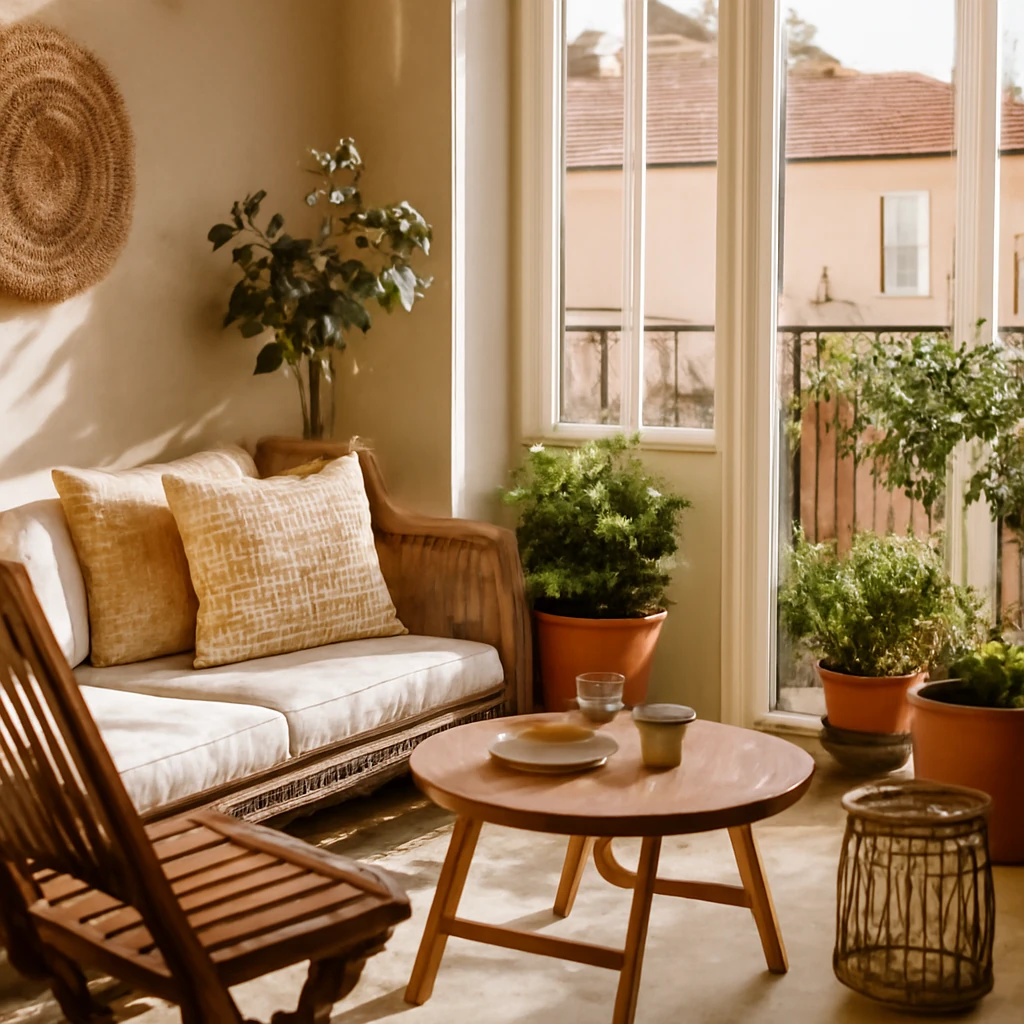
Balconies across Europe are often overlooked as living spaces. With a thoughtful plan and a few affordable updates, you can extend your home outdoors and create a comfortable, stylish refuge from spring through autumn. This guide offers practical, budget-conscious ideas to refresh European balconies, from updating window frames to clever shade, lighting, and storage solutions that work in compact urban terraces as well as larger seasonal spaces.
Refresh the frames: painting wooden window frames or cleaning plastic
Framing is the first impression of any balcony. Wooden window frames benefit from a disciplined refresh with exterior-grade paint. Begin by removing glass panels only if necessary to access all surfaces, sand the wood thoroughly, fill any nicks, apply a primer, and finish with two coats of weatherproof paint. Use a slightly different formulation for exterior versus interior faces to maximise durability in varying climates. If you live in a region subject to strong sun, choose UV-resistant finishes to minimise colour fade and warping.
Plastic or PVC frames can yellow over time. Restore their whiteness or keep them neutral by cleaning with a mild detergent and warm water. For stubborn stains, make a paste of baking soda and water, apply it to the surface, let it sit for 10–15 minutes, then scrub gently and rinse. Dry thoroughly to prevent moisture creeping into seams. Regular maintenance every season will keep the frames looking sharper for longer.
Update the floor
Updating the balcony floor is one of the most impactful improvements, and it can be done quickly with durable, weather-ready materials. Choose options that can be laid over the existing surface and withstand humidity, rain, and sun. Below are common, reliable choices, with practical installation tips.
Outdoor vinyl flooring
Outdoor vinyl flooring offers a family-friendly, low-maintenance solution. Allow the vinyl to acclimatise on the balcony for 24 to 48 hours so it can adjust to the ambient humidity and temperature. Roll out the material, cut to size, and leave a small overhang of a few centimetres along the edges. After positioning, leave it for another 24 hours before securing the edges with skirtings or edging strips. Use a compatible adhesive only if recommended by the manufacturer, and ensure the balcony surface is clean and dry before laying.
Composite decking tiles
Locking composite decking tiles are popular for balconies because they are quick to install and require no glue. They snap together in a grid and can be removed easily for cleaning or replacement. Ensure the base is flat and dry, and lay the tiles with a slight gap at the edges to allow for drainage. Clean with a soft brush and mild soap as needed, avoid abrasive cleaners that could dull the surface. European homes with variable weather will benefit from a tone that hides dust and wear between cleanings.
Wood-look decking or porcelain paving
For a warmer, natural look, consider decking boards treated for outdoor use or porcelain paving tiles with a wood-grain finish. Wooden boards should be treated with a weatherproof oil or sealant at least once a year, especially in regions with harsh winters or heavy rainfall. Porcelain paving with a stone or timber effect provides a robust, largely maintenance-free option that can be laid in both straight and herringbone patterns to suit different balcony shapes. When planning, factor in drainage grade and the need for a slight slope to direct water away from the dwelling.
Brick-look wall using plaster or plasterboard
A brick-look feature wall creates texture and depth without a full structural renovation. The approach below uses a plaster-based technique to simulate brickwork, suitable for limited spaces and European balconies with diverse architectural styles.
Prepare a smooth, clean surface and apply a bonding primer. Create marks for the bricks by placing thin painter's tape in a regular grid to form horizontal and vertical lines, this will guide the brick pattern. Mix a light-weight plaster or plaster skim and apply in thin layers, following the tape lines. While the plaster is still malleable, press a textured tool or a dry cloth to create the characteristic brick texture. Allow the plaster to set lightly, then remove the tape and allow full curing. Prime again, then paint in a rustic brick colour or a modern tonal palette to suit the balcony’s overall atmosphere. Finish with a breathable topcoat to protect the plaster from weather and UV exposure. This method is cost-effective and can be adapted to curved or irregular balcony walls as needed.
Wall of wooden slats
A wall made from wooden slats introduces warmth and a natural texture that pairs well with greenery. Planed timber slats, laid horizontally or vertically, offer a contemporary finish and can be sealed with a clear varnish or tinted sealant to highlight the wood grain. Install using a clean, flat backing board and a minimal set of fixings to keep the surface smooth and uniform. Leave small gaps between slats to allow air flow and minimise moisture retention, which helps prevent warping. If you prefer a less permanent approach, consider pre-finished slats that can be fixed with light adhesive or removable clips for easy maintenance. The key is to keep the mounting discreet so the wall reads as a seamless, continuous expanse rather than a cluttered paneling.
Make a sofa from wooden pallets
On a compact balcony, a full sofa may feel impractical or overwhelm the space. A custom seating unit built from reclaimed wooden pallets offers a low-cost, high-impact solution. Start by selecting sturdy pallets free from rot and major cracks. Disassemble if needed and plan a rectangular frame that fits snugly against a wall or into a corner. If required, trim the base to align with walls for a flush fit. Assemble the frame with robust screws, then add a thick foam mattress or cushions cut to size. Upholster with outdoor-grade fabric that resists fading and moisture, and consider removable covers for easy cleaning. Securing the base to the balcony floor or wall can help prevent movement in windy conditions, but use friction-safe fixings that won’t damage the surface. Pallet sofas deliver a casual, architecturally lean look that complements plants and railings without overpowering the space.
Sofa from a cabinet
Repurposing a compact cabinet or chest as a sleeper or lounging area can deliver clever storage and comfort in one unit. Remove the drawers, add a soft foam layer or a thin mattress on top, and top with a couple of cushions. If you want a backrest, attach a lightweight panel behind the cushions for support. Ensure the cabinet is weather-treated or store the unit inside during heavy rain to prolong its life. This approach is ideal for narrow balconies where built-in seating would feel boxed in, offering a flexible, modular alternative that can be adjusted with cushions, throws, and covers to suit seasonal mood boards.
Place a coffee table
A compact coffee table anchors seating and provides a surface for drinks and small plates. Build or repurpose a low table from an old wooden crate, a sturdy stool with a wooden top, or a narrow storage chest. For durability, choose materials that resist moisture and sun exposure. If you use a wooden crate, sand and seal the edges and consider shortening the height to ensure comfortable elbow clearance when seated. A removable top or a tray-style surface can help with cleaning and maintenance, while a weatherproof finish keeps the look cohesive across seasons.
Install wall shelves
Wall-mounted shelves maximise vertical space and allow you to keep essential items off the balcony floor. Use shallow shelves of moisture-resistant timber or metal with a powder-coated finish. Install brackets into the structural backing where possible, and space shelves evenly to create a sense of order. For plant lovers, shelves with integrated drainage or raised edges prevent soil and moisture from spilling onto the floor. Treat all wooden surfaces with a protective finish to withstand sun and rain, and consider removable shelves for seasonal changes in foliage or lighting patterns.
Freestanding storage and plant display
A freestanding shelf unit or a storage chest can neatly organise tools, cushions, and gardening supplies. Choose units with corrosion-resistant hardware and weatherproof finishes or seal each surface with a UV-protective varnish. Elevate planters on feet to improve air circulation and reduce damp from the balcony floor. A tall unit can double as a plant display wall, visually enlarging the space while keeping it neat and uncluttered. When selecting storage, prioritise breathable containers and moisture-resistant materials to prevent mould and musty smells in damp climates.
Hang a hammock
For moments of true leisure, a hammock can transform a balcony into a relaxing retreat. Select a model sized to fit the available width, with sturdy hardware and high-quality cords or straps rated for outdoor use. Install anchors into robust structural points that can bear the weight of adults and movement. If you have a long balcony with a railing, consider a freestanding stand that does not rely on wall or ceiling anchors. Ensure the hammock fabric is breathable and quick-drying, and add weatherproof cushions for a welcoming, comfortable lounging zone. Regularly inspect fixings and anchors for signs of wear, especially after storms or heavy winds.
Incorporating these ideas requires only careful planning and sensible budgeting. The aim is to create a cohesive space that reflects your style while remaining functional across European seasonal patterns.
As you embark on a balcony refresh, bear in mind a few practical tips. Measure accurately to avoid over- or under-filling, choose materials with matching tolerances for expansion and contraction, and consider thermal and moisture resistance given the climate you live in. Start with one or two changes that will have the most visual impact, then layer in additional textures, lighting, and greenery as budget allows. Above all, balance aesthetics with practicality to ensure the balcony remains a welcoming outdoor room year after year.
Seasonal maintenance matters too. A quick spring clean, a mid-summer refresh of cushions and textiles, and an autumn check of seals and protective coatings will extend the life of each element. If you share a balcony with neighbours or live in a multi-story building, be mindful of building regulations and weight limits when planning major structural additions or heavy furniture. When in doubt, consult a professional who can advise on load-bearing capacity and approved methods for exterior alterations in your location.
You may also like these articles
 Kitchen Design
Designing a Grand Kitchen for a Modern European Home
A guide to planning and styling a large European kitchen with smart layouts and durable finishes.
Renovation
Design-Driven Apartment Renovation: A Practical Guide
A practical blueprint for smart, stylish apartment renovations across Europe.
Colour & Materials
Grey in Interiors: Nine Timeless Pairings to Elevate European Homes
Discover how grey anchors European interiors with nine versatile pairings.