
Explore interior trends, AI design insights, styling guides and real transformations
Gates and Entryways for European Homes: Modern Solutions for Style, Security and Practicality
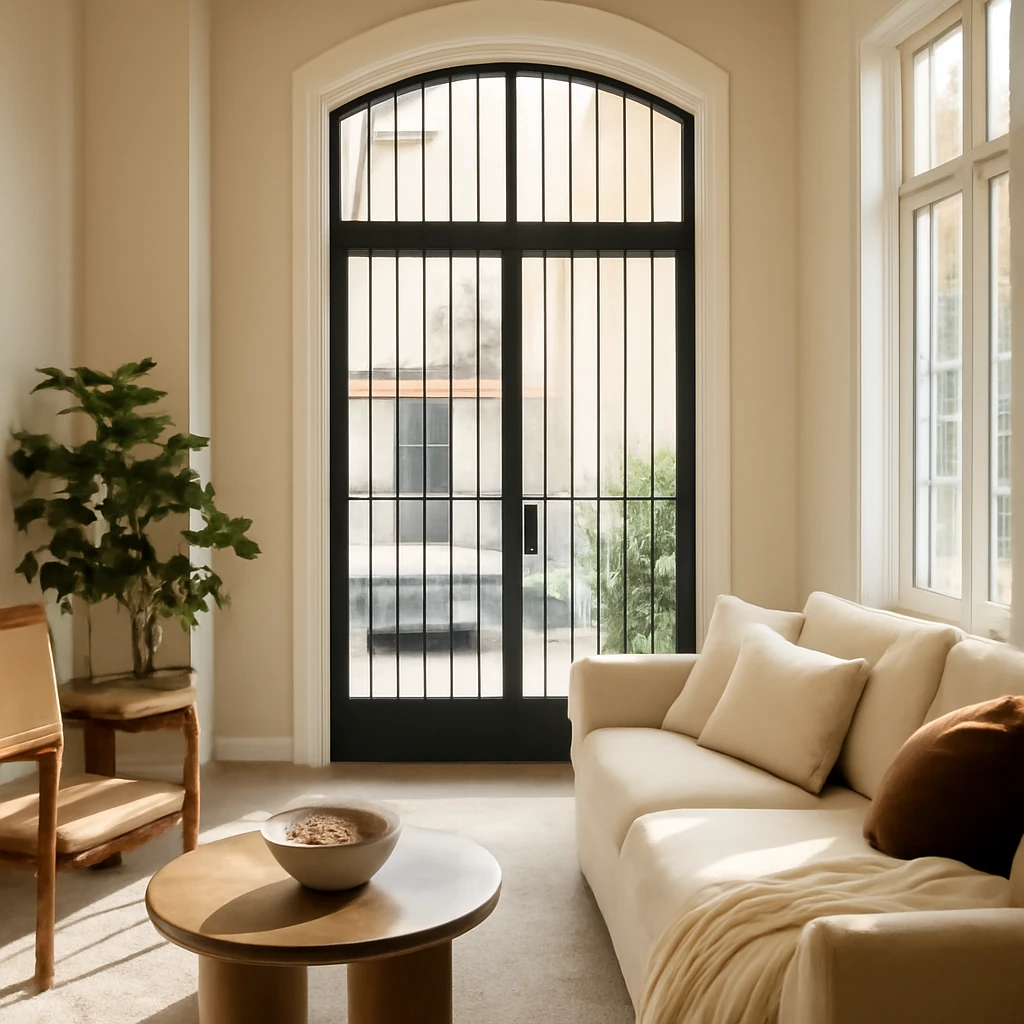
Gates and entryways for European homes: modern solutions for style, security and practicality
Gates and pedestrian entrances are more than functional barriers. In European settings they form the first architectural gesture of a home, shaping curb appeal, controlling privacy and enhancing security while contributing to the overall material and colour palette of the property. A well-considered gate and accompanying pedestrian passage can seamlessly unite the street, the façade and the garden, while remaining robust against changing weather, city regulations and evolving lifestyle needs. This article offers a comprehensive guide to the most relevant options for private homes across Europe, from opening mechanisms and materials to sizing, automation and design integration.
Choosing gates and entryways for a private home
When selecting gates and a pedestrian door, begin with a practical assessment of site, climate and architectural language. European homes range from city townhouses to rural cottages and contemporary villas, each with its own requirements for scale, installation constraints and maintenance. The aim is to achieve a coherent look that also provides the desired level of privacy and security, without compromising access or daylight. Below is a structured approach to make informed choices that work across diverse European contexts.
Types of gates by opening mechanism
Swing gates
Swing or hinged gates are a timeless choice for many European properties. They are straightforward to install, forgiving in terms of adjustment and typically cost less than motorised alternatives. A swing gate consists of two leaves mounted on hinges that swing open either inwards or outwards. The simplicity of the mechanism makes them durable, however, space is a critical consideration. Where space is limited, inward-opening leaves can encroach on the driveway or footpaths, while outward-opening doors may require softening the impact with clearances from walls or adjacent features.
- Advantages: high rigidity with relatively simple mechanics, easy to repair, generally affordable to purchase and install.
- Disadvantages: need clear space when opened, in icy or snowy conditions leaves can freeze to the ground, requires regular maintenance to hinges and latch components.
For European settings, a widely adopted configuration is a double leaf, with each leaf typically ranging from 1.2 m to 1.6 m in width, providing a total clear opening of 2.4 m to 3.2 m when fully opened. For smaller plots, a single-leaf version can offer a practical alternative, commonly around 3.0 m wide as a comfortable vehicle access. Pedestrian gates integrated within the leaf or as a separate, narrower leaf (0.9 m to 1.2 m) are often used to provide convenient, pedestrian-only access without compromising vehicle security.
Sliding gates
Sliding gates move horizontally along the boundary line. They are particularly well suited to European properties where space outside the boundary is constrained, or where a long driveway would be obstructed by a swinging leaf. There are several subtypes:
- Cantilever sliding gates: the leaf runs on rollers and is supported by a cantilevered rail, which means there is no track on the ground. Ideal for snowy or icy climates since there is no ground rail to accumulate debris, but they require precise installation and robust foundations.
- Track-driven sliding gates: a ground rail guides the leaf. This is a common solution but requires regular cleaning of the track in winter, to prevent jams from dirt, sand or snow.
- Suspended or top-hung sliding gates: the leaf moves along a rail mounted above the opening. This design can reduce the footprint of the mechanism, but the installation demands careful planning to maintain headroom for vehicles and pedestrians.
Advantages of sliding gates include maximum utilisation of space, compatibility with long driveways and the ability to traverse uneven ground. However, they tend to be more costly than swing gates and require regular maintenance of tracks or cantilevers to ensure smooth operation in wet or sandy climates.
Rising or sectional gates
Rising gates – sometimes known as rising or sectional doors when used for larger openings – are increasingly chosen where the site horizon is restricted or where a canopy or carport limits vertical space. These gates operate by winding or lifting sections, typically via a counterbalance, so the leaf tucks away under a canopy or into a dedicated housing. They are a practical solution for properties with limited driveway length or uneven terrain, and they can be paired with integrated pedestrian doors. The design allows for a neat, modern look while keeping the opening clear for both vehicles and pedestrians.
Types of gates by function
Beyond opening style, gates are categorised by how they operate and the level of automation involved.
Standard (manual) gates
Manual gates retain classic appeal and are attractive for those prioritising straightforward mechanics and lower upfront costs. A manually operated gate is easy to repair and does not rely on power supply or electronics, reducing risks related to external connectivity. The trade-off is convenience and automation, especially for frequent use, poor weather or limited mobility on the driver’s side.
Automatic gates
Automation modernises any gate type - swing, sliding or rising - and offers convenience through remote control, smartphone integration and even access by scheduled or contactless means. In Europe, automated gates can be programmed to operate via remote fobs, keypads, or mobile apps connected to home automation systems. Modern safety features include obstacle detection, anti-squeeze protection, and secure braking systems. Automation adds value and ease of use but requires careful installation, ongoing maintenance and compliance with safety standards.
- Automation can be added to most gate types, though installation complexity and cost vary by mechanism.
- Smart integration enables scheduling, temporary access codes for visitors, and monitoring via home networks.
Types of pedestrian gates
Pedestrian gates can be integrated within the main gate structure or installed as standalone gates, positioned to align with the parcel’s path to the primary entrance. In European contexts, pedestrian gates are often designed to match the gate leaf in terms of material, finish and detailing, creating a cohesive, seamless boundary. When space is constrained, a pedestrian gate within the main leaf reduces the number of separate access points and minimises potential trip hazards.
- Embedded within a leaf: the pedestrian access is part of the main gate leaf, saving space and simplifying alignment with the driveway.
- Standalone pedestrian gate: separate from the vehicle gate, offering independent operation and often clearer sightlines for pedestrians.
Materials
Material choice defines appearance, maintenance needs and resilience. The two prevalent families in European projects are metal and timber, with increasingly popular composites and aluminium as low-maintenance alternatives. Each material has its own character, longevity and treatment requirements.
Metal
Metal gates and doors offer robust security and a wide range of design options, from minimalist perforated sheets to ornate designs. With proper coatings and periodic maintenance, metal structures can endure for decades. Modern finishes such as powder coating, galvanising, and epoxy paints resist harsh weather, salt spray in coastal regions, and heavy use. The main maintenance challenge is protecting exposed metal from corrosion, any scratch or chip should be addressed promptly to prevent rust from developing and spreading.
- Benefits: strong, secure, versatile in style, long-lasting when properly finished.
- Maintenance: regular cleaning and repainting as coatings wear, plus inspection of hinges, fasteners and locks.
Timber
Timber gates convey warmth and a natural aesthetic that complements many European landscapes, from pressed-hedge gardens to stone farmhouses. Timber requires careful treatment to resist moisture, fungal decay, insects and warping. Regular sealing, staining or painting with UV protection helps preserve colour and integrity. Timber is highly repairable, and with skilled craft can be fashioned into a wide range of profiles - from simple battens to intricate, carved panels.
Pros and cons: timber offers beauty and sustainability but needs ongoing maintenance and seasonal protection. A well-sealed hardwood species or durable softwood with appropriate treatment can deliver long-term performance with proper care.
Aluminium and composites
Aluminium is lightweight, corrosion-resistant and low-maintenance, making it a popular choice for contemporary properties. Composite panels and high-quality PVC-coated finishes provide a similar look to timber or steel with reduced upkeep. These materials are particularly suited to coastal or high-humidity regions where weather resistance is paramount. They can be formed into intricate patterns, laser-cut details and smooth modern profiles.
Finish and coatings
The finish defines durability, appearance and maintenance interval. European projects often employ powder-coated steel or aluminium, galvanised steel with topcoat, or painted finishes designed to resist chalking, UV degradation and pollution residue. Finishes come in a wide colour range, with matte, satin and gloss options. For timber, finishes include varnishes, stains or paints with clear sealants to protect from moisture while highlighting the grain.
Variants of finish and decoration
Detailing can transition from minimal to highly decorative, allowing gates to echo the architectural language of the house and surrounding landscape. Decorative ironwork, laser-cut patterns, or perforated metal can create permeable visual screens that balance privacy with light quotient. For coastal properties, consider finishes with enhanced rust protection and UV stabilisers. For rural or country houses, timber detailing or weathered metal finishes can enhance charm and authenticity.
Automation and smart control
Automation offers convenience and enhanced security, but it also adds complexity and cost. A well-planned automation system includes:
- Reliable motorised drive units appropriate to the gate type (swing, sliding or rising).
- Safety features such as obstacle detection, anti-squeeze devices, and safe-reverse logic.
- Power supply considerations, battery back-up, and optional solar charging in remote locations.
- Access options: remote controls, keypads, proximity readers, and smartphone integration for monitoring and control via apps or home automation hubs.
In Europe, installations should comply with local safety regulations and standardised safety practices. When integrating automation, allocate space for control units, limit switches and wiring routes to minimise weather exposure and ensure easy maintenance access.
Sizes: how to determine the right proportions
There are no universal legal metrics for gates and pedestrian doors in private settings, but practical norms help ensure smooth operation and day-to-day usability. The goal is to balance secure enclosures with convenient access for all family members, delivery services and guests.
- Vehicle access: aim for a total clear opening of about 3.0 m to 3.5 m for single- or double-leaf gates, depending on anticipated vehicle sizes and the driveway angle. If you foresee a need to accommodate larger or wider vehicles, plan for 4.0 m or more, ensuring the leaves can pass without corner impact.
- Pedestrian access: a separate pedestrian gate or a pedestrian leaf within the gate should be about 0.9 m to 1.2 m wide, providing comfortable passage with bags or parcels. If the gate is used by wheelchair–friendly traffic, consider 1.2 m to 1.4 m widths and extra turning space.
- Leaf width: for swing gates, leaves commonly range from 1.0 m to 1.5 m each, depending on total opening and plot width. For cantilever sliding systems, plan the footprint of the housing to ensure the leaf clears the drive without encroachment on planting or paving.
Design considerations: how the gate integrates with the rest of the property
Gate design should cohesively connect with the fence, the driveway or path, and the architectural language of the house. When planning, consider:
- Architectural style harmony: match proportions, materials and detailing with the house (for example, a modern minimalist home benefits from clean lines and restrained metal finishes, while a traditional stone house pairs well with wrought-iron or timber infill with decorative motifs).
- Material continuity: choose finishes that echo the selection for railings, boundary walls and any gates around the garden to create a unified composition.
- Light and privacy balance: perforated panels or laser-cut screens can provide warmth and glimpses of the garden, while solid infill offers privacy when needed.
- Neighbourhood context: in historic districts or conservation areas, local guidelines may influence the choice of materials, colours and degrees of ornament.
- Landscape integration: ensure the gate design respects topography, boundary line geometry and planting, with a plan for seasonal maintenance and accessibility.
Maintenance, durability and care
European climates demand thoughtful maintenance strategies. A well-maintained gate remains a strong investment, protecting the property and preserving curb appeal. Key practices include:
- Regular cleaning to remove dirt, salt and pollution residues, especially near coastlines or urban industrial environments.
- Timber care: periodic sealing, staining or painting with UV protection and moisture barriers, address cracking or warping promptly.
- Metal care: inspect coatings for chips or scratches, touch up promptly to prevent corrosion, reapply protective finishes as required by the environment and wear.
- Automation upkeep: schedule annual servicing for motors and safety devices, check alignment and re-lubricate mechanical components as recommended by the manufacturer.
- Drainage and ground conditions: ensure foundations and tracks do not collect standing water or debris, particularly in regions with heavy rainfall or snow.
Security and safety considerations
A gate should not merely secure the perimeter, it should also navigate everyday life with ease and safety. In European contexts, typical concerns include opportunistic intrusion, child and pet safety, and the risk of obstruction during adverse weather. Practical steps include:
- Use robust locking mechanisms and consider deadbolts or multi-point locking systems for added security.
- Choose automation with integrated safety features: obstacle detection, photoelectric beams and safe-stop capabilities.
- Ensure clear sightlines from the street to the gate to deter unwanted approaches, while maintaining privacy for residents.
- Plan essential lighting near the gateway and along paths to improve visibility at night, increasing both safety and convenience.
- Consult local regulations about permitted heights, reflective surfaces and any remote-control requirements that may apply in shared spaces or public footpaths.
Budgeting and planning: practical steps to take before purchase
Investing in gates and entryways requires careful budgeting and staged planning. A practical approach includes the following steps:
- Define your priorities: security level, degree of automation, maintenance expectations and the architectural language you wish to express.
- Measure accurately: obtain precise drive width, post-to-post spacing, and headroom for any rising mechanisms or canopy features.
- Identify constraints: consider site drainage, slope, access restrictions for delivery vehicles and the proximity of neighbouring boundaries.
- Develop a concept: select a material family (metal, timber, composite) and a design language that harmonises with the house and landscape.
- Obtain quotes from qualified fabricators and installers: verify warranties, aftercare services and the availability of spare parts for the chosen system.
- Plan for maintenance: establish a routine based on climate, material choice and usage, budget for periodic repainting or resealing where required.
Working with professionals: choosing the right partner
Choosing a reputable fabricator or fencing specialist is crucial for a durable, well-finished result. Consider the following criteria when selecting a partner:
- Experience with the chosen materials and gate types, request case studies or references for similar installations.
- Clarity of quotations: itemised pricing for gate leafs, tracks or cantilevers, foundations, automation, safety devices, and installation labour.
- Design collaboration: the ability to translate your architectural language into a gate design with careful attention to proportion, detailing and finishing.
- Aftercare and warranties: defined maintenance intervals, parts availability, and responsive service.
- Local compliance: familiarity with regional building codes, safety standards and any applicable heritage or planning guidelines.
Case ideas: design directions for contemporary and traditional homes
To illustrate how gate design can be tailored to different contexts, consider these two design directions:
- Contemporary villa with clean lines: opt for aluminium gates with a powder-coated matte finish in a neutral colour, consider a cantilever sliding configuration for a long driveway. A slim vertical slat pattern or a laser-cut abstract motif can provide a refined, high-contrast look that echoes minimal architecture while maintaining privacy. Pair with a matching pedestrian gate and a low-maintenance companion fence in aluminium or steel, finished to complement the house’s exterior materials.
- Traditional stone house with rustic appeal: timber gates in a waxed or stained finish deliver warmth and authenticity. Combine with a timber pedestrian gate and softened metal hardware in a dark patina. Integrate subtle decorative details such as simple ironwork or carved panels that reflect the house’s historic character. Ensure the boundary walls and paving are in harmony with the gate’s profile to create a seamless transition from street to garden.
Maintenance plan templates and seasonal checks
Implementing a simple, regular maintenance schedule helps gates perform reliably for years. A practical plan could include the following seasonal checks:
- Spring: inspect hinges, latches and motors, clean tracks or cantilever rails, test automatic opening and closing functions, refresh weather protection on timber.
- Summer: monitor coatings for blistering or fading, reapply protective finishes if necessary, check electrical connections and lighting near the gateway.
- Autumn: remove debris from tracks, reseal timber if required, ensure drainage around foundations is unobstructed before winter.
- Winter: clear snow and ice from driveways, check for ice buildup on hinge pins and mechanisms, maintain lubrication in moving parts following manufacturer guidance.
A final checklist for a successful installation
Before committing to a purchase, run through this concise checklist to ensure a balanced, durable and beautiful result:
- Consistency: align material, finish and proportion with the house and landscape.
- Functionality: confirm the opening width, pedestrian access, and any restrictions related to the site orientation and vehicle types.
- Safety: ensure appropriate safety features, compliant motors and robust anchoring in the ground.
- Maintenance plan: choose materials and finishes that suit climate, and set a realistic maintenance schedule.
- Budget: plan for the initial investment plus ongoing upkeep and potential future replacements or upgrades.
Conclusion: gates as a lasting architectural element
In European homes, gates and entryways are more than hardware, they are an essential architectural element that frames the property, channels movement, and softens the boundary between public street and private space. A thoughtful combination of mechanism, material, finish and detailing creates a gateway that is not only secure and practical but also a refined expression of the property’s character. With careful planning, a high-quality installation and a proactive maintenance regime, gates can elevate curb appeal, support family living, and stand the test of time in varied European climates.
You may also like these articles
 Bedroom
Scandinavian Bedrooms: Calm Light and Natural Textiles for European Homes
Nordic-inspired bedrooms: calm spaces, natural textures, layered lighting.
Tips & How-To
Corner Sofas in Europe: How to Size, Shape and Select for Every Living Room
Master the art of choosing the perfect corner sofa for European homes.
Bathroom Design
Painting Bathroom Walls: Debunking 6 Myths for European Wet Rooms
Debunking myths about painting bathroom walls in Europe.