
Explore interior trends, AI design insights, styling guides and real transformations
Smart, Budget-Friendly Kitchen Renovation: Seven Practical Strategies
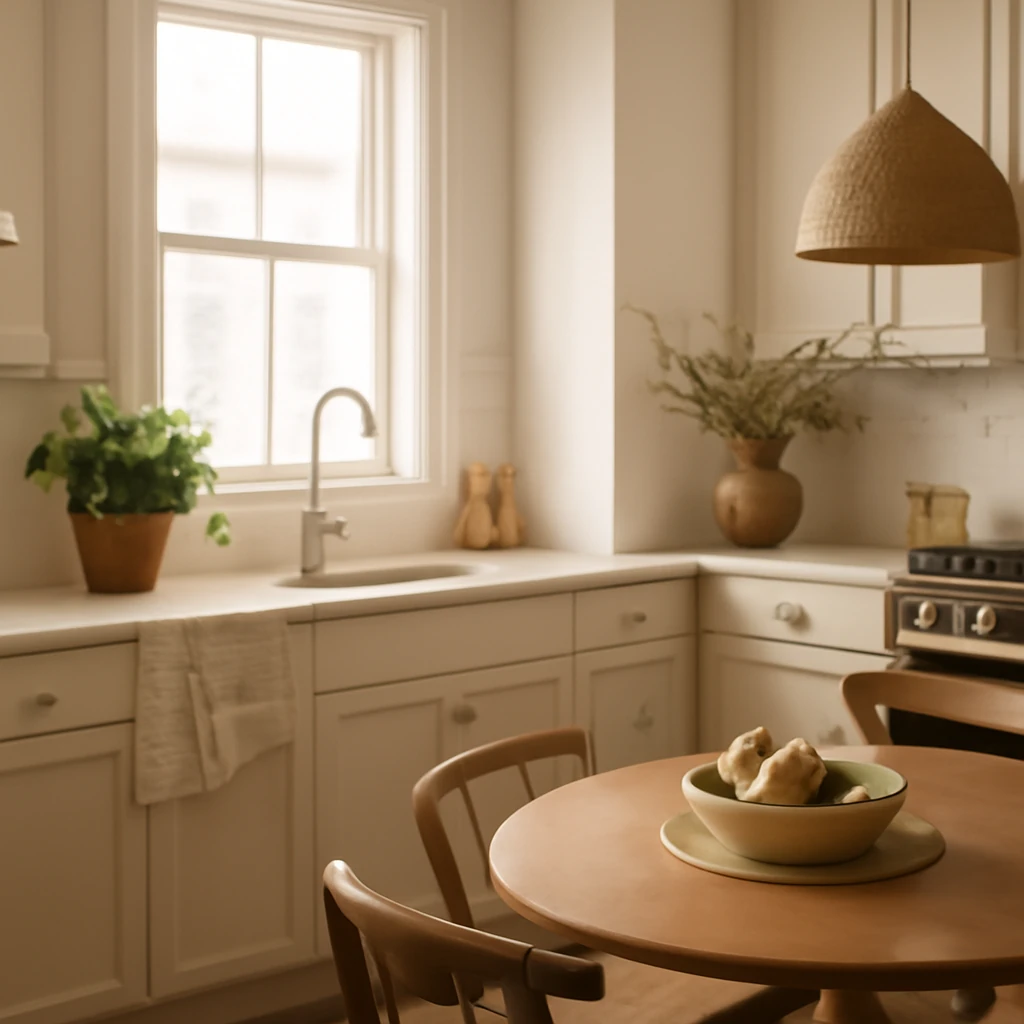
The kitchen is the heartbeat of the home. In many European households it serves as a social hub as well as a workspace, where meals are prepared, conversations unfold, and daily routines converge. Because this room endures heavy wear - from splashes and heat to constant use - refreshing it often makes more sense than a full-scale rebuild. When the budget is tight, a well-planned renovation can deliver a refreshed look, improved organisation and practical durability without oversized expense. Below are seven common money-draining mistakes and how to avoid them, followed by practical, design-forward strategies tailored for European homes.
1. Do-it-yourself to a point: take on what you can, but don’t tackle everything
The guiding principle of a cost-conscious kitchen refresh is clear: maximise hands-on effort where you can, but recognise where professional skill is essential. Electrical wiring, plumbing drops and the installation of ceramic tiles - these are trades that benefit from licensed expertise and inspection. Likewise, window and glazing upgrades, where required for energy efficiency and safety, are best left to specialists who understand current European standards and building regulations.
For the DIY route, map out tasks you can confidently complete without compromising safety or quality. If wiring or wet areas are involved, reserve those jobs for a qualified electrician or plumber. Simple updates such as painting a door, replacing handle hardware, updating a splash of colour on a feature wall, or installing a rail system for cookware can deliver remarkable impact at modest cost. When you’re unsure, run a small trial on a non-critical area first - consistency and accuracy pay off in saved time and avoided errors down the line.
- Assess mains services and ensure any reconfiguration respects current electrical and plumbing safety standards.
- Keep original plumbing traces if they’re serviceable, repositioning sinks or pipes often invites extra expense.
- Prioritise professional help for installation of major elements (oven, hob, ventilation, plumbing) and leave cosmetic updates within your scope.
Approaching the project with this measured divide helps you stay within budget while avoiding potentially costly mistakes.
2. Get creative with the existing layout and furnishings
A kitchen refresh doesn’t always require new units. In many European homes, clever reuse of existing layout elements can dramatically change the feel of the space. For example, repositioned or repurposed furniture can serve as a worktop, island or extra storage without a full cabinet replacement. You can achieve a lot by focusing on these strategic tweaks:
- Repaint and refresh applied surfaces. A bold, well-chosen colour or a soft, light shade can transform perceived scale and light levels without major structural work.
- Update doors and facades instead of entire cabinet systems. Doors can be covered with wallpaper, faux leather, or decorative veneers to deliver a new texture, while keeping the underlying carcasses intact.
- Refresh hardware - handles, pulls and hinges - so doors read as new without replacing cabinetry.
- Repurpose an old dresser or sideboard as a compact kitchen island or worktable by adding a robust countertop and undermount storage beneath.
- Use wall rails, hooks and open shelving to create a lighter, airier feel and to showcase your best pieces, this can reduce the need for bulky wall cabinetry.
Small changes, thoughtfully executed, can yield a big impact. The key is to maintain a coherent design language - choose a restrained colour palette, consistent hardware finishes, and a unifying texture or material story that ties old and new together.
3. Choose budget-friendly wall finishes that still look intentional
Once you’ve refreshed the major components, the walls form the backdrop that defines the whole project. A well-considered sequence - refinish the focal areas first, then select wall treatments - keeps costs down while delivering the desired ambience. If you’re working with a limited budget, begin with wall preparation, then apply a finish that aligns with your overall palette.
In practice, European kitchens often use white or light-grey walls to maximise light and perceived space. Warmer accents - vanilla, apricot, pale rose or the soft tone of milk chocolate - bring warmth without overpowering the room. The most economical option for large areas is usually paint, provided that walls are properly prepared, a water-based acrylic paint offers good coverage and durability at modest cost. Expect roughly a hundred currency units per litre in standard markets, with careful preparation and priming dramatically reducing the amount required.
Wallpaper is a close second. It can disguise small surface irregularities and add texture or pattern where paint alone would fall short. Look for vinyl-based wallpapers with reinforced bases (fleece or non-woven) for kitchen use, and choose substrates that permit some moisture exchange. Glass or fibre-reinforced wall panels can be considered in particularly damp zones, though air circulation behind panels remains important to avoid damp-related issues.
Be mindful of the limits of wall panel systems in kitchens. Partially cladding with PVC or MDF panels is possible in select areas, but these materials can trap moisture at joints and behind edges if not properly ventilated. In the majority of situations, a well-prepared plaster or drywall surface with a compatible finish is the most reliable route for budget renovations. If you must level uneven walls, apply a veneer of plaster or an appropriate flexible filler, then sand smooth before painting or wallpapering.
Practical tip: plan for seasonal savings - buy wall coverings during sales, but reserve primers, fillers and paints for near the renovation window when they’ll remain usable within their shelf life.
4. The splashback: invest in a durable, stylish focal point
The splashback is both a functional element and a key design feature. On small kitchens, it can define the character of the space while protecting walls from moisture and splashes. When on a budget, you don’t have to compromise on performance - there are durable options that combine style and cost efficiency.
Ceramic and porcelain tiles remain popular for their durability and long-term cost efficiency. For a contemporary twist, consider a “brick” look or geometric patterns in bold colours, but balance these with calmer surrounding surfaces to avoid visual overload. Glass splashbacks offer a seamless, easy-to-clean surface that reflects light and can make a compact kitchen feel larger, however, they can be more sensitive to impact and require careful installation. Metal splashbacks (stainless steel or brushed aluminium) deliver a professional, easy-clean finish and pair well with industrial or minimalist aesthetics. If tile or glass feels excessive, a high-quality high-gloss acrylic or tempered glass panel with a tailored print or subtle texture can provide a bold focal point at a lower price.
When choosing materials, consider maintenance, heat exposure and how easy the surface is to keep clean. Plan for a backing board that resists moisture and a retrieved sealant system to protect edges. Where possible, source materials from suppliers that offer offcuts or remnants in a range of sizes - this can yield substantial savings while enabling you to configure a more cohesive pattern across the splashback area.
5. Flooring that stands up to daily use and is easy to maintain
Flooring in a kitchen must withstand spills, dropped items, heat, and foot traffic. The European market offers a variety of affordable, durable options that stay visually appealing for years with minimal maintenance. The leading option for price-conscious renovations is quartz vinyl flooring (also known as QVT or engineered vinyl tiles), a composite that blends a hard-wearing core with a durable vinyl wear layer. It is highly resistant to moisture, easy to clean, and simple to install, with many products designed for straightforward click-lock or adhesive installation. The most common finishes imitate timber, stone or concrete and can be laid directly over a clean, level substrate, often without extensive subfloor preparation.
Other economical, practical choices include linoleum, which is kinder to the environment, warmer underfoot, and very straightforward to install. It comes in a wide range of colours and patterns and can be a stylish base for both contemporary and retro kitchen designs. If you prefer a more traditional look, large-format porcelain or ceramic tiles remain widely available and affordable, provided the floor is sufficiently flat to allow a stable grout line.
When selecting flooring, consider the pros and cons of each option in the context of your space. In open-plan kitchens, choosing a flooring that continues into adjacent zones creates visual unity and can make the area feel larger. If you plan a long-term solution, invest in a surface with good scuff resistance and a finish that tolerates humidity and temperature fluctuations. Remember that cheaper floors often come with higher long-term maintenance costs, so balance upfront savings against ongoing care and replacement timing.
6. Affordable furniture and fittings that still feel complete
Full kitchen cabinetry can be a significant expenditure. A practical strategy is to work with existing carcasses where they are sound and upgrade the appearance through doors, hardware and ancillary pieces. You may also opt for more flexible storage systems and transitional furnishings that blend with a refreshed, cohesive look.
Begin with the crucial plumbing and fixtures - these should deliver reliable performance and a timeless look, but you do not need to chase the most expensive models. Look for mid-range fittings that balance durability, design, and finish. Choose a robust, corrosion-resistant finish such as stainless steel or brushed metal in tones that harmonise with other metal accents like tapware, lighting, and hardware.
To unify the space without overspending, set a consistent material language: a repeat of materials such as timber veneer, matte black or brushed nickel in fixtures, hardware, and lighting. A single colour story or finish across the handles, faucet, sockets and light fixtures creates visual coherence without the need for a full re-fit of the kitchen units.
Smart storage solutions can dramatically improve functionality at a modest cost. Consider open shelving or slim, tall storage units positioned along alcoves or beneath windows. Use wall-mounted rails and hooks to free up counter space and to organise frequently used items. A compact bar counter or a moveable island can be constructed from a reclaimed cabinet base topped with a durable surface, providing a flexible working area that can double as a dining spot or a social hub during cooking sessions.
If possible, reuse an old sideboard or dresser as a kitchen island. A quality countertop can be installed on top to provide an expansive work surface while still keeping the footprint modest. Additionally, consider tall, open storage units tied into the room’s geometry - these can offer generous storage without visually weighing down a small kitchen.
Finally, the importance of lighting cannot be overstated. Affordable, well-chosen lighting can transform a space. Combine ambient lighting with task lighting over work zones and accent lighting for display shelves to create a welcoming, functional atmosphere. Budget-friendly fixtures from mainstream retailers often provide contemporary aesthetics and durability when paired with a consistent colour palette and material language.
7. Decor with restraint: a light touch goes a long way
When it comes to decor, the instinct to over-accessorise is tempting, especially in compact spaces. Yet in a budget renovation, restraint is a virtue. Minimal decor helps maintain a sense of order and flow, making the kitchen feel larger and more organised.
Let practical items and a few carefully chosen objects do the talking. Choose a small number of high-quality accessories - think a refined set of storage jars, a compact herb garden, and a handful of eye-catching yet cohesive pieces. Select curtains and textiles in colours that echo the walls or countertop tones, favouring light, airy fabrics that maximise daylight and reduce visual weight.
Plants bring life and softness to the room. A window box with herbs or a couple of terracotta pots placed on a shelf enlivens the space without clutter. If storage allows, display a single statement piece, such as a well-chosen ceramic dish or a piece of artisan pottery, to add personality without crowding the surfaces.
In short, keep surfaces clear, organise with intention, and allow a few well-judged details to do the styling work. The result is a kitchen that feels fresh, cohesive and timeless, even when the budget is modest.
Putting it all together: a practical, design-forward approach to European kitchens
Renovating a kitchen on a sensible budget is not about chasing the cheapest options - it’s about making smarter decisions about where to invest and where to economise. Start with a clear plan that prioritises the core work: ensure electricals and plumbing are safe and functional, then build your aesthetic around durable, easy-to-maintain finishes and clever storage solutions. By treating the project as a sequence - tech and structure first, finishes second, decoration last - you can achieve a space that feels newly built without the hefty price tag.
European homes vary widely, from compact city flats to rural two-bedroom houses, but the principles remain universal: keep a light, cohesive colour palette to maximise space and natural light, select finishes that can withstand daily use, and design with flexibility in mind so the kitchen can adapt to changing lifestyles without requiring repeated renovations. With patience, planning and a bit of creative ingenuity, a budget kitchen refresh becomes a meaningful investment in comfort, efficiency and daily joy.
You may also like these articles
 Tips & How-To
Ten dangerous houseplants and how to keep your home safe
Dangerous houseplants: safety-first guide for European homes
Living room
How to style the wall behind your television: 13 fresh and practical solutions
13 practical ideas to style the wall behind your TV in European living rooms.
Bedroom
Is It Time for a New Mattress? A Practical European Guide to Sleep Comfort
A practical European guide to knowing when to replace your mattress and how to choose a new one.