
Explore interior trends, AI design insights, styling guides and real transformations
Smart, Affordable Renovation: 10 European‑Ready Ideas for a Fresh Home
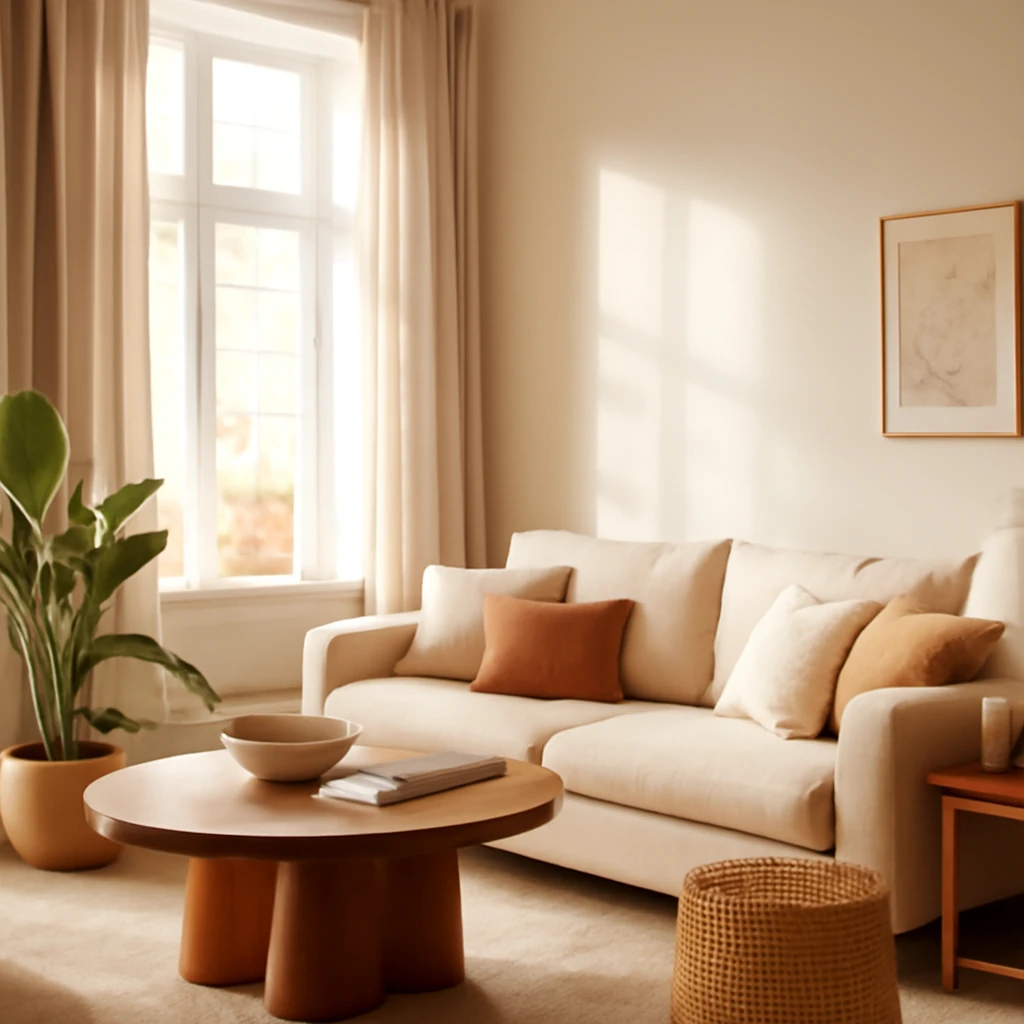
1. Set a plan of action
Before you pick up a tool, define the scope of the project and align expectations with your budget and timetable. An honest plan anchors decisions and helps you avoid scope creep. Start by surveying the space: measure each room, door openings, window sizes, and ceiling heights, note awkward layouts and ventilation points. Create a phased plan: what must be completed before the next stage, what can wait, and what can be changed later without major disruption. Build a realistic budget by listing every element: materials, fixtures, labour, delivery charges, and contingencies. A sensible rule is to reserve a cushion of 10–20 per cent for unexpected costs. Then compare prices across suppliers and trade networks. In European markets, the same product can vary significantly in price between retailers and wholesalers. Consider buying key materials in larger quantities to save on delivery, but balance this against storage space and the risk of damage. Plan for energy and water efficiency upgrades first: insulation, windows, draught-proofing, and smart controls often yield long-term savings that offset upfront outlay.
2. Choose quality materials
It is possible to strike a balance between budget and quality by selecting natural materials that are durable and have a timeless appeal. In European homes, long‑lasting choices such as engineered wood floors, ceramic or porcelain tiles, plaster finishes, and natural stone veneers can outlive cheaper synthetics. If the budget is tight, consider upgrading the floor with engineered boards instead of solid oak: they’re more affordable, easier to install, and can be refinished. For walls, durable finishes are essential in busy households. When parquet is too costly, wide-format tiles or high‑quality vinyl with a ceramic look can deliver a sophisticated effect. For kitchens and bathrooms, choose moisture‑resistant materials and ensure correct backing, waterproof membranes, and vapour barriers are installed. Shopping for materials in bulk, negotiating with suppliers, and selecting generic, widely available products often yields substantial savings. Finally, opt for finishes that wear well: matte rather than high-gloss, neutral tones, and simple profiles that won’t quickly look dated.
3. Consider alternatives to paint
Quality paint and the materials required for preparatory wall leveling can be more expensive than modern, washable wallpapers. If your budget is constrained, wallpaper is a sensible option for living spaces, bedrooms, and hallways. Choose non-woven or vinyl wallpapers with wipe-clean finishes for busy rooms, and test patterns cleverly: light stripes or subtle textures can visually extend a room. In damp areas such as kitchens and bathrooms, moisture‑resistant wallpapers or tile or tile‑effect panels can be a better long-term choice. However, paint remains the most affordable route for bathrooms if you select a moisture‑resistant formulation and plan proper ventilation. Remember that bathroom walls should be finished with products rated for humidity. For floor-to-ceiling wet zones, consider tile or tile-effect panels and protective coatings, or opt for waterproof wall coverings where appropriate.
4. Leave ceilings simple
Sometimes the simplest solution is the most economical and stylish. Instead of investing in suspended or large stretch ceilings, prepare the surface and paint with a quality water-based emulsion. This approach preserves ceiling height, which in many European homes ranges from about 2.4 to 2.7 metres, and keeps the space light and airy. If you wish to add character, a decorative plaster cornice or a gentle stencil around the perimeter can be a cost-efficient alternative to modular ceiling systems. When selecting lighting, plan to run cables efficiently and leave space for future upgrades without heavy structural changes. In short, keep ceilings plain, pristine, and timeless, let lighting create depth and mood rather than expensive finishes.
5. Refresh kitchen cabinets
If you’re renovating the kitchen, full cabinet replacement isn’t always necessary. Swap the doors and fronts, keep the carcasses intact, and update the hardware. A refreshed kitchen can dramatically change the feel of the space without the expense of a full rebuild. In many European homes, existing carcasses are perfectly serviceable, you can sand, stain, or paint the fronts to your chosen colour or finish. Pair with a new worktop, a modern sink, and a high‑quality mixer tap to elevate the look. Also consider updating internal storage with adjustable shelves and clever organisers to maximise space. By combining a few targeted upgrades, you can achieve a high‑end appearance with far lower outlay than a full cabinet replacement.
6. Rethink wall-hung sanitaryware
Saving space in bathrooms is appealing, and wall‑hung toilets and bidets offer a streamlined look. They do, however, require a concealed cistern and a frame system, which adds upfront cost and specialist labour. If your budget is tight, consider a traditional floor‑mounted toilet paired with a compact bidet spray or handheld bidet. It saves on installation and makes future changes easier. If you do choose wall‑hung sanitaryware, work with a trusted installer and ensure compliance with local building codes and warranty requirements. A well‑planned bathroom renovation can remain minimal and elegant while staying within budget.
7. Keep the balcony comfortable without overspending
Balconies in many European apartments function as outdoor extensions of living spaces. If you aim to save on renovation costs, avoid heavy insulation upgrades and focus on smart sealing and draught‑proofing. Prioritise window and door seals, thermal curtains, and outdoor rugs to create a comfortable microclimate. Don’t rush to replace windows unless necessary, older frames can often be improved with better seals and weatherstripping to reduce heat loss. However, do not compromise on electrical safety: balcony lighting and power outlets must be rated for external use and installed by a qualified electrician. For finishes, opt for durable, weather‑resistant materials that can withstand seasonal changes without frequent replacement.
8. Economise wardrobe space
Integrated, built‑in wardrobes usually cost less to install than freestanding systems and maximise available space. In a European home, you can conceal storage behind flush doors or a thick curtain to achieve a clean, contemporary look. When planning interiors, allocate a dedicated zone for clothing, shoes, and accessories with sturdy hanging rails, adjustable shelves, and clever organisers. Fix the system directly to the walls, not to movable partitions, to preserve a sleek appearance. If space is tight, consider a compact footprint with deep drawers and pull‑out baskets. Lighting inside wardrobes, such as compact LEDs, improves visibility and makes retrieving items effortless. Upgrading rails and organisers is often more economical than purchasing a new freestanding wardrobe.
9. Decorate with handmade items
Rather than investing in expensive, imported decorative elements, opt for handmade and upcycled pieces. DIY techniques - stencilling walls, painting lamp bases, or bending metal to imitate wrought iron - can deliver bespoke character at a fraction of the cost. Create your own wall art with simple patterns and colour blocking, craft a unique lampshade using fabric scraps, or repurpose a vintage tray as a focal point. By combining DIY projects with affordable, locally sourced materials, your home gains a personal, artisanal quality without the heavy price tag.
10. Work with light to elevate the mood
Smart, layered lighting can transform a space from ordinary to memorable. Start with a single overhead fixture that provides comfortable ambient light and add floor lamps, table lamps, and wall lights to create depth. In European homes with varied room shapes, consider zones: a reading corner, a cosy living area, and a task-focused workspace. When wiring for multiple light layers, plan for energy efficiency: choose LED lamps, daylight-friendly colour temperatures, and dimmable controls to adjust the atmosphere across times of day. Be mindful that installing new cabling for chandeliers or ceiling coves can be costly, if renovating on a budget, opt for a balanced combination of a central pendant and portable lamps. The aim is flexible, warm illumination that can be refined as the space evolves.
You may also like these articles
 Bedroom
Bed Heights for European Homes: Loft, Mezzanine and Attic Solutions
Master bed height for lofts, mezzanines and unusual spaces.
Renovation
Two-Bedroom Renovation in Europe: Planning, Style and Smart Living
Smart planning, flexible spaces and timeless style for European two-bedroom flats.
Tips & How-To
How to Place Furniture in European Rooms: Expert Guidance
Expert strategies for arranging furniture that fit European homes—without crowding.