
Explore interior trends, AI design insights, styling guides and real transformations
Provencal Kitchens: Rustic European Charm for Modern Homes
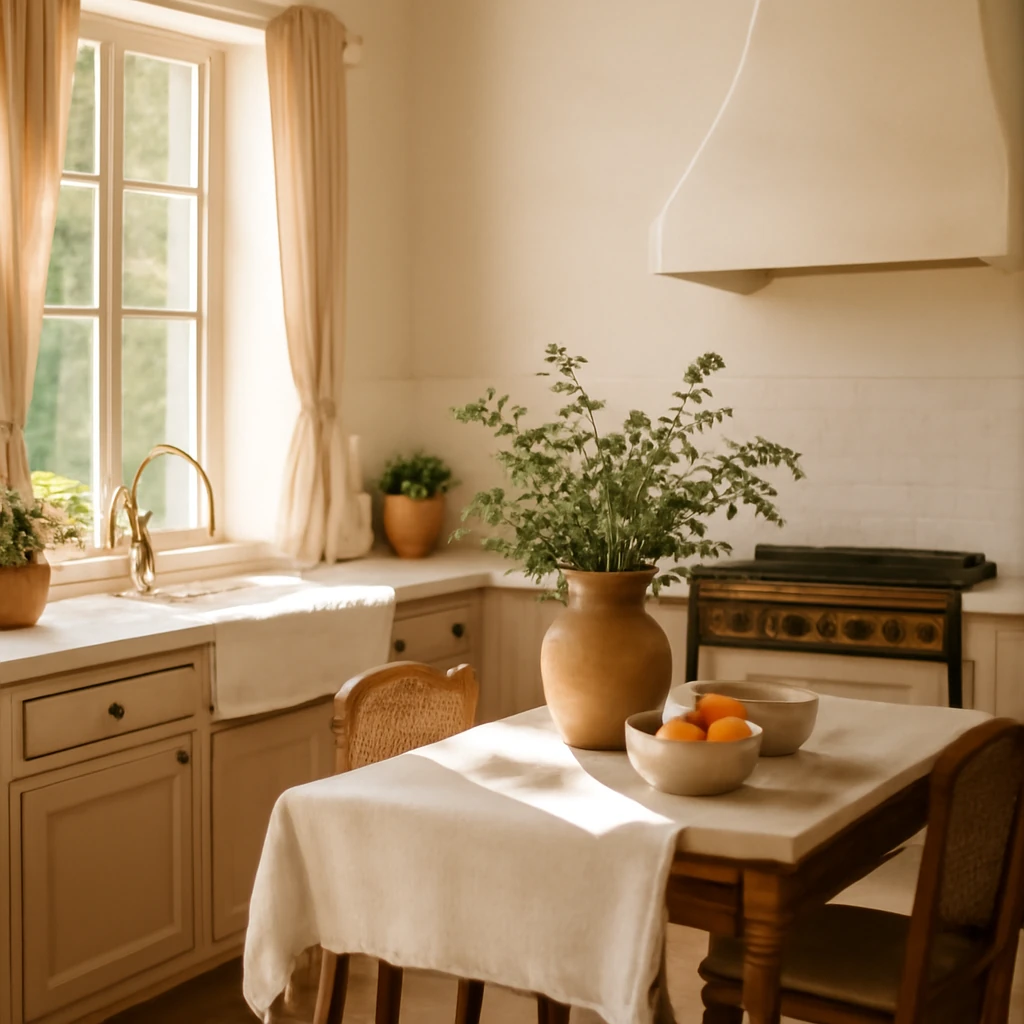
Provencal kitchens: a timeless European favourite
In Europe, the Provencal kitchen is celebrated for its warmth, informal elegance and sense of place. Born from the sunlit farms and hillside villages of Provence, this style translates well into contemporary homes across the continent. It carries a gentle rustic charm that remains refined enough for city apartments, yet generous and comfortable for rural houses and countryside retreats. The aim is not to replicate a tourist postcard but to create a kitchen that feels lived in, cherished and inherently social - a place where cooking becomes a daily ritual and meals become moments of connection.
Distinctive features of Provencal design
The Provencal kitchen is characterised by a cohesive set of ideas that work in harmony. These are the elements that repeatedly signal the style to a discerning eye:
- Light, warm colour palettes. The space is bright but never stark. Whites, creams and warm beiges are so common they read as a soft canvas that reflects natural light and makes the room feel more expansive.
- Natural textures and materials. Mineral plaster, natural stone, unglazed ceramics, wooden panels or ceiling beams - these bring tactility and warmth. The emphasis is on materials that age gracefully and develop a patina over time.
- Wrought iron and woven furniture. Handcrafted details and artisanal finishes contribute to the authentic, human scale of Provencal interiors. Expect curved chairs, metal accents and hand-turned pieces that invite touch.
- Abundant textiles. Linen and cotton textiles in florals and small geometric prints, along with soft cushions and table runners, soften edges and add a cosy, lived-in feel.
- Plants and natural decoration. Fresh herbs on the windowsill, potted flowering plants and terracotta pots bring colour and fragrance, enhancing the sense of a productive, sun-warmed kitchen garden.
- Delicate decorative items. Porcelain figurines, patinated frames, candles in vintage holders and other small objects that tell a story without overpowering the space.
Variants of the Provencal style
Within the Provencal umbrella there are several contemporary interpretations. Each keeps the core mood while offering a different temperament to suit various home types and preferences.
Classic Provencal
A traditional interpretation features light furniture with raised or beaded panels, bronze or brass hardware, and a restrained patina. Pair this with linen textiles and muted pastels to achieve a calm, collected look that feels timeless and dignified.
Shabby Provencal
This variation adds visible history: subtly worn finishes, gently distressed paint, and vintage finds that carry a sense of provenance. The effect is intimate and nostalgic, giving the kitchen a familiar, forgiving charm that invites gatherings and conversation.
Provencal Modern (Provencal Moderne)
Here, the rustic roots are retained but the geometry is cleaner and the palette more controlled. Arched doorways may be pared back, while lighting and surfaces are more streamlined. The result is a refined version of Provencal warmth that pairs easily with contemporary appliances.
Nordic-Provencal (Scandi-Provencal)
In this fusion, the warmth of Provencal materials meets the simplicity of Nordic design. Expect plenty of light timber, restrained decoration and a cooler, airy feel that still carries Provençal spirit in textiles and colour.
Modern Provencal
Modern Provencal embraces pared-back forms and contemporary hardware while retaining soft, tactile materials. Textiles are still important, but patterning is subtler, and lighting tends to be more architectural than ornamental.
Provencal-Loft
Combining rustic Provençal elements with an urban loft attitude - exposed brick, timber beams and a restrained, industrial edge. Soft furnishings temper the harder surfaces, creating a balanced, creative environment.
Rustic Provencal
The countryside version emphasises raw timber, natural stone, open shelving and an informal dining setup. It mirrors farmstead practicality with a homely, hospitable aesthetic.
Planning a Provencal kitchen layout
A kitchen in Provencal style adapts to the room size and living patterns. In a European context, the workflow remains important, but the layout can be more fluid, prioritising comfort and sociability as much as efficiency.
Small kitchens
In compact spaces, a linear or straight run is common. The aim is to maximise storage without crowding the room. A compact island or a slim peninsula can serve as a dining surface or a breakfast bar. Consider integrating a small wine cabinet or a recessed storage module into the run to keep surfaces clear.
Medium to large kitchens
For larger spaces, a U- or L-shaped layout creates dedicated zones for preparation, cooking and cleaning, while permitting a separate dining area within the same room. A central island often works well if there is enough clearance, offering both extra workspace and a place for social interaction. A semi-integrated breakfast bar or a low divider can subtly define zones without breaking the open feel.
- Island features: a suspended shelf or open metal rack above the island can echo Provençal workshops and offer practical display space for ceramics and glassware.
- Bar counter: a slim, classic design with wooden legs and a simple, elegant profile suits smaller rooms or restricted layouts.
Corner and straight layouts
A corner configuration makes efficient use of footprint while preserving generous worktops. Linear kitchens are equally effective when space is at a premium, particularly if you plan an integrated dining zone along the wall or in front of a window seat.
Integration with dining and living areas
Open-plan layouts are common in modern European homes. A Provencal kitchen can integrate with a living or dining area through a gentle visual transition - soft textiles, timber-framed furniture and light colourways unify the spaces while a glass or timber-framed partition can be used to preserve a sense of privacy when needed.
Finishes, materials and surface treatments
The material language of Provencal design emphasises authenticity and tactility. Surfaces should feel well-loved and ready to endure daily life while remaining aesthetically refined.
Ceiling treatments
A white plaster ceiling with visible timber beams is the quintessential Provencal feature. Beams may be left natural, whitewashed or lightly stained to suit the palette. In more contemporary spaces, ceiling panels or shiplap boards can substitute for exposed beams, provided they preserve the warm, handmade vibe.
Wall treatments
Walls typically reflect soft, natural tones. Options include decorative plaster for texture, limewash or mineral paints with subtle sheen, and paper with delicate florals or small motifs. Wooden panels or wainscoting in pale tones can provide architectural interest without stealing the limelight from furniture and textiles.
- Decorative plaster or limewash creates a handcrafted look with depth and warmth.
- Wallpaper with small-scale botanical or geometric patterns offers a restrained nod to Provence without feeling fussy.
Backsplash and lath
The splashback is a focal point in Provencal kitchens. Traditionalists favour hand-painted ceramic tiles, colourful glazes and artisan patterns. In more restrained interiors, a light-coloured ceramic tile in a classic brick or herringbone layout can provide a calm counterpoint to the natural wood and stone elsewhere.
Flooring
Wooden floors with a slight driftwood tone, wide planks and a matte finish are ideal. Alternatively, natural stone or terracotta tiles add authenticity in larger rooms or rural houses. The flooring should feel continuous across adjoining spaces to maintain a cohesive flow between kitchen, dining and living areas.
Colour palette for a Provencal kitchen
The Provencal palette is diverse, with white and cream serving as anchor tones and colour accents drawn from the landscape of Southern France. In a European context, the palette can shift to suit lighter northern homes or warmer southern settings while keeping the same underlying mood.
White and warm neutrals
White or ivory spaces create a bright, airy base. Warm undertones prevent the room from feeling cold, think soft cream, eggshell and pale biscuit as safe, versatile foundations.
Black and dark accents
Black is rarely dominant in Provencal kitchens but works effectively in details - for example, a grill, hardware, a border tile or a countertop edge. In contemporary schemes, black adds depth without overpowering the light, pastoral feel.
Blush and pink tones
Powdered pinks, dusty rose and warm blush shades are classic Provencal companions to whites and creams. They appear in textiles, ceramics and soft furnishings, providing gentle colour without shouting for attention.
Verdant greens
Muted sage or olive greens recall herb gardens and olive groves. Walls or kitchen islands in these tones can create a subtle, restorative atmosphere, especially in spaces with abundant natural light.
Beiges and warm browns
Beige and taupe underpin the rustic elegance of Provencal kitchens. Wooden furniture, rattan or wicker, and aged brass hardware sit comfortably within these hues, delivering a tactile and durable impression.
Soft blues and greens
Blue-grey and milky blue palettes pair well with pale timber and stone, lending a Mediterranean cool that remains cosy and human.
Pastels and greens in combination
Pastel greens, lilac or lavender accents can play harmonically with creams and whites, especially in textiles and ceramics. Use them sparingly to avoid overt sweetness and to maintain sophistication.
Lemon and vanilla brightness
Lemon and vanilla notes offer a sunny uplift without creating glare. These hues work beautifully on backsplashes, crockery or soft furnishings, tying the space to a sunlit Provence without literal replication.
Turkish and turquoise hints
In modern interpretations, hints of turquoise or teal can bring a coastal nuance while remaining firmly within the Provençal mood when balanced with neutral surfaces.
Connecting Provencal kitchens with other rooms
One of the strengths of Provencal interiors is their ability to blend with adjacent spaces. European homes increasingly favour open plans that maintain a sense of architecture and cohesion across different zones.
With the living room
In open-plan layouts, the Provencal kitchen can be defined by textiles, lighting and furniture rather than physical barriers. A glass or wooden screen with classic glazing details can delineate the kitchen without interrupting the flow. Consider a dining area with a timber table and wicker chairs to reinforce the rustic connection between the spaces.
With the bedroom
Where kitchens border sleeping quarters, softer textiles and soft-edge storage help to preserve privacy. A textile curtain or a delicate bookcase screen can visually soften the transition, offering a degree of separation while keeping the space warm and inviting.
Studio living
For studio apartments, the Provencal approach can unify the entire dwelling. Treat the kitchen, dining and living zones as a single warm room with a shared palette and consistent materials. The furniture should be carefully chosen to define each zone while preserving an airy, seamless atmosphere.
Decor and accessories for a Provencal kitchen
Decoration in Provencal interiors is abundant but not overpowering. The aim is to celebrate craftsmanship, memory and everyday use. Here are practical ideas to create a contemporary Provencal feel without tipping into nostalgia.
- Wall decor: Framed botanical prints, plates and mirrors with patinated frames can create gentle focal points. Leave some wall space uncluttered to prevent the room from feeling busy.
- Table and kitchen textiles: Linen tablecloths, cotton napkins and embroidered runners evoke Provence’s rural markets. Mix plain and patterned fabrics to achieve a balanced rhythm.
- Slipcovers and upholstery: Soft, washable fabrics in natural tones make seating practical and comfortable. Floral or botanical motifs can appear on cushions to reinforce the theme.
- Textile accents: Curtains, valances and banded trims add layered softness. Opt for light, breathable fabrics that filter daylight gently.
- Lighting and ambiences: Use a combination of ceiling fixtures and task lighting. Wrought-iron or white ceramic pendants above the dining area create a focal point, while wall sconces with fabric shades add warmth to corners and seating areas.
Shutters, textiles and storage
Functional textiles like cafe curtains or light shutters can regulate daylight and provide privacy where needed. For storage, prefer open shelves mixed with closed cabinets, display beautiful ceramics, copper pans and herb jars to reinforce the artisanal feel of the space.
Lighting and atmosphere
Lighting in Provencal kitchens serves both function and mood. A layered approach works best, combining ambient, task and accent lighting. Key ideas include:
- Panelling or ceiling-mounted lighting that casts a soft, even glow across the room.
- A white, wrought-iron or timber-finished chandelier above the dining zone to echo Provençal charm.
- Pendants with fabric or glass shades above the island or bar area for task lighting with decorative value.
- Wall-mounted sconces with candle-like bulbs to evoke a rustic, intimate atmosphere around seating corners.
Budget-conscious strategies for a Provencal kitchen
Creating a Provencal kitchen does not require a large budget if you plan thoughtfully. The following approaches help you achieve authentic character without compromising on quality.
- Choose a practical wall finish for the main surfaces, such as a durable acrylic paint in a warm white or biscuit tone. It’s economical, easy to refresh, and stable in humid kitchen environments.
- Use slipcovers or simple textile overlays for seating rather than purchasing entirely new furniture. Custom covers in linen or cotton can transform a room at a modest cost.
- Introduce greenery and herbs. Potted plants and herb jars bring life and colour while requiring minimal investment and maintenance.
Practical tips for European homes
Across Europe, climatic differences and housing typologies influence how Provencal kitchens are designed. Here are practical considerations to tailor the concept to your locale:
- In northern homes with cooler climates, lean towards warmer textures and additional layers of textiles to create perceived warmth and comfort.
- In southern or sun-drenched locales, maximise natural light with pale walls and light timber, and incorporate outdoor links such as a garden view or terrace seating to extend the living area.
- For apartment dwellers, focus on scale and proportion. A compact island or a smart peninsula can serve as a social hub without overpowering the room.
- In country houses, celebrate space. Consider larger pieces, more extensive timber beams and a feature dining table that anchors the Mediterranean mood.
Final thoughts: cultivating a Provencal mood in today’s homes
The Provencal kitchen is more than a design style, it is a philosophy of living that values the joy of gathering, the craft of making and the warmth of shared meals. By combining natural materials, handmade details and a bright, forgiving palette, European homes can achieve a mood that feels both timeless and relevant. Whether you curate a vintage-inspired studio in a bustling city, a sunlit apartment with a view of the harbour, or a cottage with timber beams and a garden, the Provencal approach offers a flexible, enduring template. Start with a calm canvas, layer in character through textiles and light reflections, and let the space evolve with you as a favourite, well-loved centre of daily life.
You may also like these articles
 Tips & How-To
A Practical Yearly Deep Clean: The Essential European Guide
Plan a seasonal, thorough annual clean to refresh every corner of your European home.
Tips & How-To
Colourful Wardrobes: A Practical Guide to Painting for Space and Style
Turn a plain wardrobe into a colour feature that enlarges space.
Tips & How-To
Transform Your Kitchen with Durable, Washable Wallpaper: Styles, Colours and Expert Tips
Practical kitchen wallpapers for durable, beautiful interiors across Europe.