
Explore interior trends, AI design insights, styling guides and real transformations
Five renovation types for European homes: a practical guide
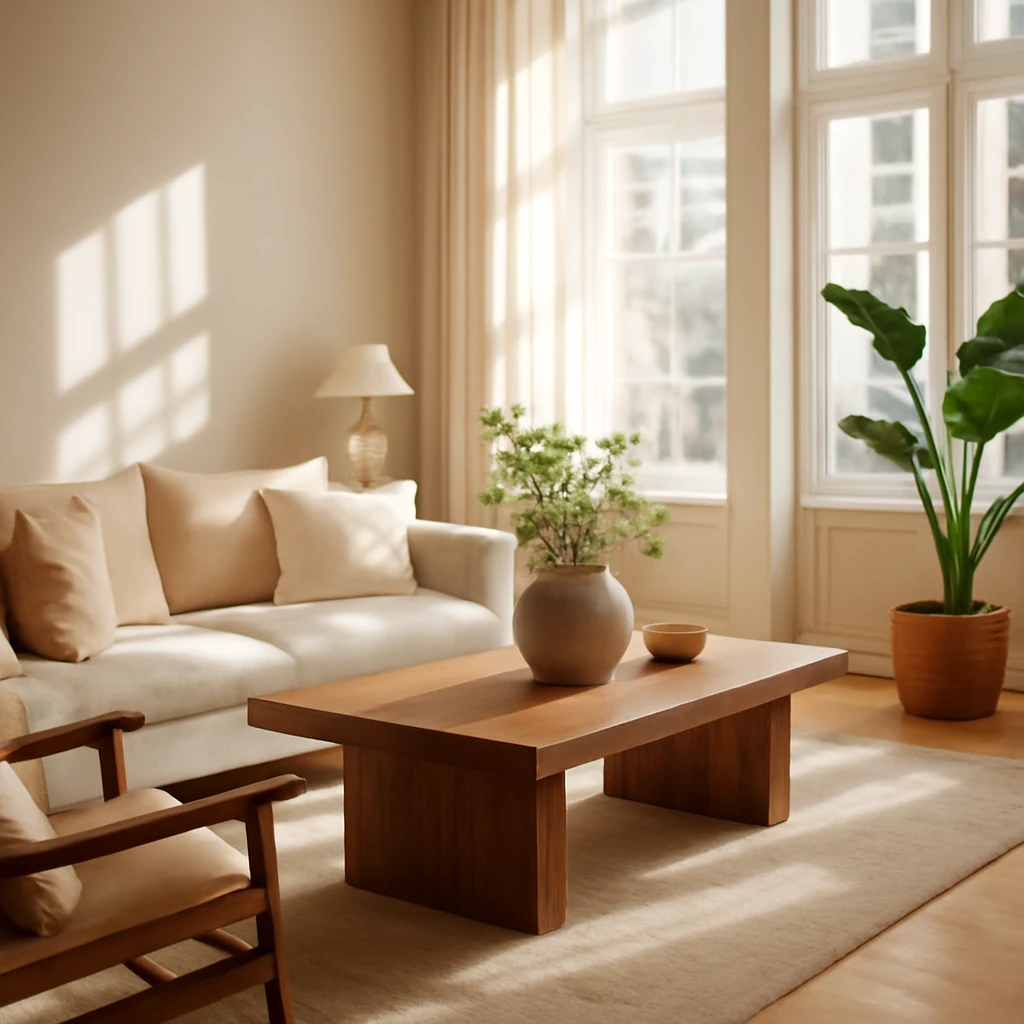
Introduction: The spectrum of renovation beyond cosmetic fixes
Renovation across Europe is rarely a simple refresh. The market offers a spectrum from quick cosmetic updates to fully reimagined spaces, and professional practice often groups tasks into a set of core strategies, each with distinct aims, timelines, and budgets. In this article we explore five common approaches, with practical guidance on who they suit and what you might expect to spend.
Cosmetic renovation
What is it?
Cosmetic renovation updates the appearance without altering the building’s core systems. Examples include repainting walls, swapping doors, and refreshing tiling. The objective is to rejuvenate the space and mend surface defects - cracks, scuffs, worn surfaces. In many European homes, a cosmetic refresh is typically undertaken every 5–10 years, depending on wear and climate.
Who is it for?
Ideal when the infrastructure is sound and no structural or layout work is required. It is also a common pre-sale strategy to lift market appeal and improve room perception.
Cost
Budgeting for a typical flat or apartment usually falls in the range of €600–€1,500 per square metre, with materials and labour included, subject to location, finishes and access to skilled trades.
Major renovation
What is it?
When structural and service systems require attention, a major refurbishment is undertaken. This may involve upgrading plumbing and electrical networks, reconfiguring spaces, removing walls, installing new ventilation and heating, and addressing energy efficiency improvements. It often requires planning permissions and careful coordination of trades.
Who is it for?
Suitable for new-builds or older dwellings needing substantial transformation to improve comfort, functionality, and long-term value. This is common in conversion projects and in cases where the existing layout no longer suits the occupants.
Cost
From around €2,000–€3,800 per square metre, depending on scope, finishes, and regional labour rates. More complex structural work or bespoke details can push costs higher.
Decorating
What is it?
Decorating focuses on interior styling and layout adjustments without structural works. It may involve rethinking furniture arrangements, changing soft furnishings, selecting textiles, wallpapers, lighting, and accessories to refresh the character of a space.
Who is it for?
For households content with the footprint but seeking a new mood, or those preparing a home for sale who want a cohesive, current look without major disruption.
Cost
Consultation fees typically start around €120. A typical decorating project may involve three visits: assessment and problem definition, sourcing and selection of furniture and materials, and finalising layout and styling. Total cost depends on scope and rates of the professionals involved.
Care-free renovation
What is it?
A fully managed renovation with a dedicated team: a designer, a project supervisor (author), and a professional contractor. The client delegates day-to-day decision-making, while the team coordinates schedule, quality, and budgeting to ensure a smooth delivery.
Who is it for?
Best for time-poor homeowners who value a high-quality result and a stress-free process. This approach is particularly appealing to families or professionals with demanding schedules who want guarantees and clear milestones.
Cost
From around €2,000 per square metre up to €4,000 per square metre, depending on scope and timeline. The final price is typically contract-based and reflects the level of service, materials, and installation complexity.
Euro-renovation
What is it?
A colloquial term for a renovation performed without proper architectural oversight or a cohesive project plan. It often relies on ad-hoc decisions by the contractor, bypassing scoped design input and professional controls. The result is frequently inconsistent quality, conflicting systems, and budget overruns.
Who is it for?
Not well suited to those who value reliability and long-term comfort, it may appeal to clients who want to learn from mistakes or are prepared to endure the risks of a non-coordinated process.
Cost
What appears cheaper at first can become the most expensive path. In European markets, apparent savings can rapidly erode as issues arise - misaligned installations, delays, and hidden costs can triple or more the final bill compared with a well-planned major renovation.
Choosing the right path for your home
Before committing to a route, consider the following framework: evaluate the condition of the building’s structure and services, clarify your priorities (time, budgets, comfort), assess the importance of a cohesive design and a clear programme, and choose a team with transparent pricing, a written brief, and a phasing plan. A well-structured process reduces risk, protects value, and ensures the finished space meets both practical needs and aesthetic aspirations. Working with a skilled designer or project manager who can assemble the right trades and manage permits, warranties, and certifications is a wise investment in Europe’s diverse housing stock.
You may also like these articles
 Furniture
Designing and Filling the Hallway Wardrobe for European Homes
Smart, spacious hallway storage ideas for European homes.
Colour & Materials
Green Interiors: Mastering Colour and Materials in European Homes
A design-forward guide to greens: from natural forest tones to emerald luxury.
Kitchen Design
Ergonomic kitchen design for daily joy: layout, height and harmony
Practical guidance on ergonomic kitchen layouts for European homes.