
Explore interior trends, AI design insights, styling guides and real transformations
Finishing the balcony: materials and ideas to create a stylish, practical extension
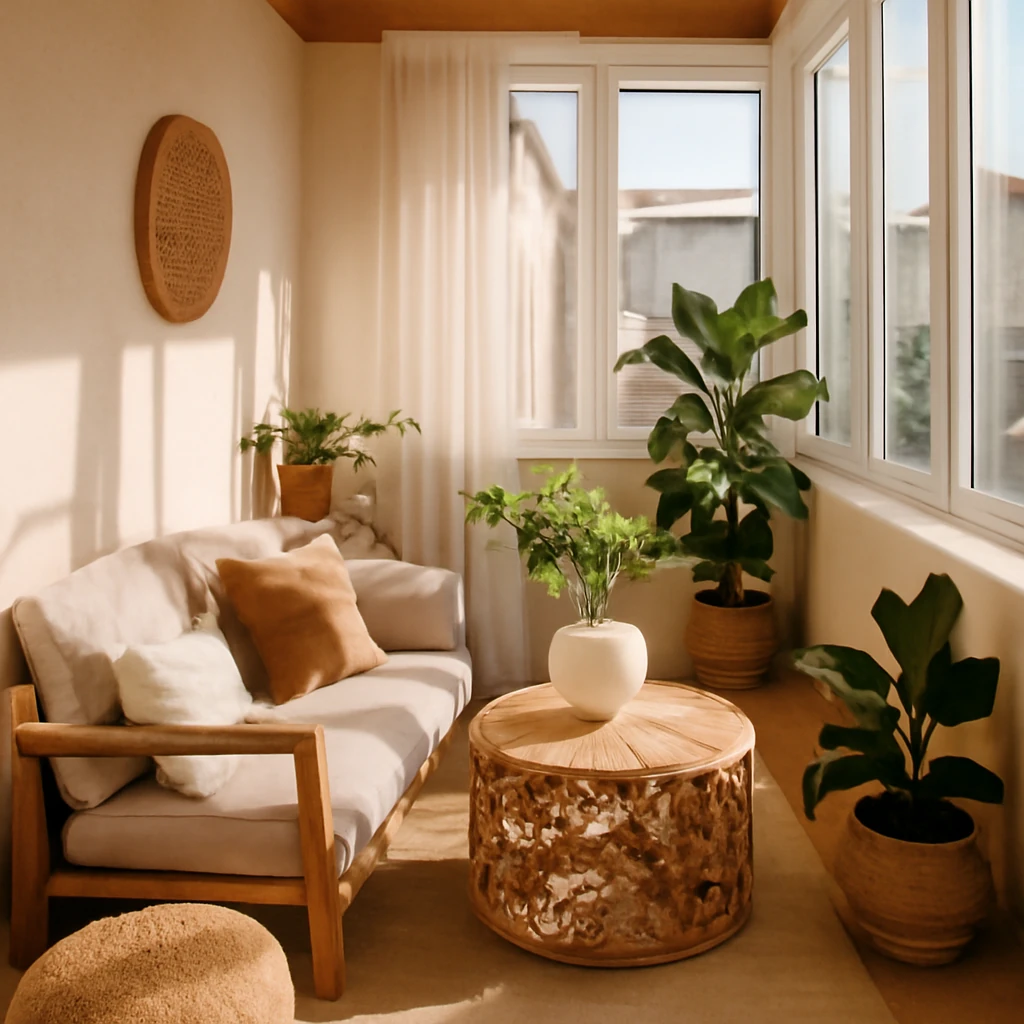
Balconies as living spaces
Across Europe, balconies and loggias are more than mere appendages to the home. They extend living space, offer precious daylight, and can become cosy corners for reading, working from home, or sharing a sunset with friends. The moment you decide to finish a balcony, the choice of materials for walls, floors and ceilings becomes crucial. The goal is to balance durability and aesthetic, while respecting the architectural language of the building and the local climate. Whether you are addressing an open, unheated balcony or a fully enclosed, heated loggia, the right finishes will transform the space into a comfortable, stylish room all year round.
Before choosing finishes, assess the type of balcony and its exposure: open versus enclosed, heated versus unheated, and whether it is subject to strong sun, wind or moisture. Open balconies demand robust moisture management, frost resistance, and UV stability. Enclosed or heated balconies allow a wider range of traditional interior finishes but still require mindful detailing to avoid damp and condensation. With careful planning, a balcony can function like a compact living room, a sunny home office, or a small dining area that complements the main interiors.
Walls
The wall finishes you choose will set the tone for the room while providing resistance to humidity, temperature fluctuations and daily wear. European balconies come in many shapes and sizes, and the wall finish should respond to whether the space is fully exposed to the outdoors or more sheltered inside an insulated envelope.
Paint
Paint remains a versatile and cost-effective finish for balconies. The essential criteria are suitability for the environment, low volatile organic compound (VOC) content, moisture resistance, and colourfastness in sunlight. For open or partially exposed spaces, select exterior-grade paints formulated for outdoor use, with UV protection and mould resistance. In heated, enclosed spaces, interior paints with excellent adhesion and wipeable surfaces work well, provided the substrate is properly prepared.
Key considerations:
- Choose water-based (aqueous) finishes with low VOCs for a healthier indoor environment.
- Ensure the paint is breathable if applied over natural timber or lime plaster.
- Apply a suitable primer and sealant to protect against moisture and UV damage.
- Consider subtle, washable colours to keep the space feeling fresh and light in winter and summer alike.
If the interior style is traditional or neoclassical, painting mouldings and trims in a coordinated tone can help blend the outdoor finish with the rest of the home, creating a seamless transition.
Paneling
Panel finishes are popular on European balconies for their clean lines and ease of upkeep. Panels can be made from multiple materials, with PVC and MDF being the most common choices. Each material has distinct advantages and caveats.
- PVC panels - affordable, quick to install, and easy to clean. They are moisture resistant and ideal for spaces that double as storage or utility zones. However, they can look less luxurious if overused in living spaces.
- MDF panels - more refined in appearance and allow for a deeper, warmer finish. They require good sealing against moisture and periodic maintenance to prevent warping in damp conditions.
When using panel systems, consider a ventilated wall cavity behind the panels to manage moisture and prevent mould. This approach improves long-term durability, especially in coastal or humid climates.
Tiling
Ceramic and porcelain tiles are among the most durable wall finishes for balconies, offering excellent resistance to moisture, temperature changes, and daily wear. Tiles are well-suited to both enclosed and open balconies, provided the substrate is properly prepared and a suitable waterproofing layer is installed.
Design versatility is a major advantage: solid colours, geometric patterns, textures that mimic stone, brick, or wood, and large-format tiles can create a contemporary or classic aesthetic. A common approach is to combine tiles with another finish (paint, plaster, or panels) to introduce visual interest and reduce cost.
Plaster
Plaster offers a timeless, solid finish, particularly well suited to European buildings with historic character. Decorative plaster can deliver texture and depth, while traditional plaster, lime-based or cement-based, can be finished with paint or a protective sealant. Decorative plasters that imitate natural materials such as stone or limewash textures are popular for loggias and conservatories.
Popular decorative options include:
- Wood-look plaster for a warm, tactile surface.
- Exposed or grey-beton style plaster for a modern, industrial edge.
- Brick or stone-effect plasters that add character without heavy material costs.
Timber cladding
Timber cladding remains a favourite for bringing warmth and a natural feel to European balconies. Options range from light-coloured softwoods to thermally modified or engineered timbers that resist moisture and reducing the risk of warping. To ensure longevity, timber should be finished with a protective coating and installed with a ventilated gap to allow for moisture movement and drying.
Important considerations include using sustainably sourced timber, treating against mould and rot, and detailing with proper expansion gaps. Vertical or horizontal battens can create distinct architectural statements and influence how the ceiling and walls visually relate to the space.
Flooring
The balcony floor must withstand temperature swings, moisture, and foot traffic while providing comfort underfoot. The range of European balcony flooring options is broad, and the choice often depends on whether the balcony is open, enclosed, or heated. If there is any possibility of rainfall or sea spray, choose materials with proven moisture resistance and slip resistance.
Vinyl flooring (LVT)
Luxury vinyl tile and planks (LVT) have become a staple for balconies due to their durability, softness underfoot compared with tiles, and wide design options. LVT is particularly well suited to enclosed or heated balconies. It performs well with underfloor heating and is relatively easy to install and maintain.
Key benefits include water resistance, abrasion resistance, and a variety of finishes that can mimic natural materials such as timber or stone. Ensure the product chosen is rated for outdoor or semi-outdoor use if the balcony is exposed to the elements.
Laminate
Laminate flooring can offer a warm, wood-look aesthetic, but not all laminates are suitable for outdoor or damp environments. If used on a balcony, select high-moisture resistant (HMR) or waterproof variants and confirm compatibility with underfloor heating if present. Protection against UV exposure is essential to prevent fading in sunlit spaces.
Ceramic and porcelain tiles
Ceramic and porcelain tiles are highly durable and easy to clean, making them ideal for open or covered balconies. They are naturally fire-resistant and can handle temperature variations. Choose tiles with a non-slip surface (R11 or higher in wet areas) to enhance safety. Subfloor preparation is crucial: use a suitable cement-based self-levelling compound and a rigorous waterproofing layer before installation.
Wood decking
Wood decking brings a classic, warm look to European balconies. Choose weather‑resistant species or treated timber, and consider thermo‑modified or engineered boards that resist moisture and deformation. A protective sealant or oil finish protects the surface from sun and rain, while a ventilation gap beneath the boards helps moisture to escape.
Composite decking
Composite decking offers low maintenance and good durability, making it a popular option for exposed balconies. It performs well with underfloor heating and does not require regular sealing. Look for boards with UV stabilisers and a slip-resistant surface, and ensure an expansion gap is left at joints to accommodate temperature-driven movement.
Outdoor carpet and rugs
Outdoor textiles can soften a balcony and add warmth underfoot, particularly on weather-protected or enclosed spaces. Use weather‑proof, quick-drying fabrics and ensure the base flooring is water‑proofed and cleanable. While not a primary flooring finish, textiles can be a practical and stylish addition to a durable base.
Ceiling
The balcony ceiling should mirror the climate and use of the space while keeping moisture under control. In European contexts, several ceiling options work well for balconies, from simple paints to more robust systems for humid environments.
Common approaches include:
- Moisture-resistant paint on concrete or plaster ceilings.
- Plaster or skimmed plasterboard finished with paint or decorative plaster.
- Nato expansion: stretch ceilings in PVC or fabric, particularly for fully enclosed, heated balconies where a seamless, reflective surface helps maximise light.
- Timber or timber-look panels to tie the ceiling to timber wall finishes or decked floors, while ensuring proper ventilation and moisture management.
- Decorative panels or slatted timber to create a rustic or contemporary look and improve acoustic performance.
If a stretch ceiling is chosen, ensure it is rated for the range of temperatures and humidity typical of the balcony climate, and verify compatibility with any underfloor heating or surface moisture movement.
Practical planning for a European balcony renovation
Renovating a balcony requires a clear plan that respects building regulations, structural integrity, and energy performance. The following planning steps help ensure a successful transformation:
- Assess the balcony type and structural constraints, including load capacity, drainage, and moisture risk.
- Define the intended use of the space - reading nook, home office, dining area, or a versatile retreat - to determine appropriate finishes and furniture scale.
- Test moisture and vapour management strategies. Enclose spaces require proper insulation and a breathable finish when using lime-based or mineral plasters.
- Choose finishes with compatibility for your climate: coastal areas may demand more robust moisture resistance and UV protection, while urban interiors may tolerate a wider range of finishes.
- Plan for ventilation and condensation control. Even in enclosed spaces, adequate airflow reduces damp and mould risk.
- Consider underfloor heating or solar gain strategies to create a comfortable year-round environment. If heat is desired, ensure the selected floor finish and substrate are compatible with heating systems.
- Factor in maintenance and longevity. Materials with low maintenance requirements will be advantageous in balcony spaces that face the elements.
- Consult a professional to ensure compatibility with building regulations, especially for load-bearing, waterproofing, and fire safety aspects.
For many European apartment owners, a balcony is at least 6 square metres of potential living space. With thoughtful material choices and careful detailing, that area can be transformed into a functional extension of the home, echoing the architectural language of the building while offering modern comfort and durability.
Design approaches and ideas for a European balcony
Balcony design is about more than finishes, it’s about how the space feels, functions, and relates to the interior. Below are practical ideas that blend craft, materials and light to create a balcony that feels integral to the home.
- Choose a coherent palette that links indoor and outdoor spaces, using similar neutrals or a restrained accent colour to create visual continuity.
- Maximise daylight and view. Light-reflective surfaces on walls and ceilings help bounce natural light deeper into the room.
- Incorporate flexible furniture that can be easily rearranged. A compact, modular seating arrangement with a small dining table expands the usability of the balcony.
- Incorporate greenery with planters that are proportionate to the space and easy to maintain. Vertical planters or wall-mounted pots save floor area and add life to the surface.
- Weather protection and shading are essential. Consider a retractable awning, fixed pergola, or high-quality external blinds to control sun and rain exposure.
- Smart storage solutions help keep the balcony uncluttered. Built-in benches with storage compartments and wall-mounted shelves maximise floor space.
- Lighting matters. A layered approach with ambient, task and angle lighting creates a welcoming ambience after dark and makes the balcony usable at any hour.
- Sound management can improve the experience. Soft furnishings, outdoor rugs and plants help absorb noise and create a calmer space.
- Consider a weather-resilient keyboard of materials. A subtly textured plaster finish, timber cladding, and ceramic tiles can work together to create a tactile, harmonious environment.
- Think of the balcony as a microclimate. Use breathable finishes in humid spaces and consider thermal breaks or insulation to reduce heat loss in cooler climates.
Maintenance and longevity: care for balcony finishes
Durable balcony finishes need regular, sensible maintenance. The level of maintenance depends on the materials chosen, the exposure to weather, and the level of use. Here are practical guidelines:
- Inspect waterproofing systems and drainage at least once per year, and after heavy rain or storms.
- Clean surfaces with mild, non-acidic cleaners appropriate to the material. Avoid harsh solvents that could degrade coatings, wipe timber surfaces with appropriate oils or sealants as recommended by the manufacturer.
- Repaint or reseal outdoor timber and metal elements on a schedule aligned with the product guidelines to prevent decay and corrosion.
- Check for mould or damp in enclosed spaces and improve ventilation or install an appropriate dehumidification strategy if needed.
- Replace damaged tiles or cracked panels promptly to maintain waterproofing and appearance.
Conclusion: a well-considered balcony is an architectural asset
Finishing a balcony is an opportunity to extend the living space with materials and details that respect the building’s architecture while delivering contemporary comfort. By carefully selecting finishes for walls, floors and ceilings and combining them with durable, climate-appropriate solutions, a balcony can become a stylish, practical extension of the home – a space designed for relaxation, work and socialising, whatever the European season throws at it.
Planning checklist
- Identify balcony type and exposure (open, enclosed, heated).
- Set a clear budget and choose finishes accordingly.
- Assess substrate, moisture, insulation and ventilation needs.
- Choose wall, floor and ceiling finishes with compatibility for climate and use.
- Plan for underfloor heating if desired and ensure compatibility with selected finishes.
- Consider maintenance, durability, and long-term aesthetics.
- Consult a qualified professional if required by local regulations.
With thoughtful materials and a clear plan, a European balcony can become a bright, durable, and harmonious part of the home that invites daily use and seasonal enjoyment.
You may also like these articles
 Interior Design
Minimalism for European Homes: Space, Light and Calm
A European guide to calm, spacious minimalism.
Furniture
Wardrobe design for European spaces: a practical guide
A practical guide to selecting the perfect wardrobe for European homes
 Trends
Interior Trends 2024–2025: A European perspective on finishes, layouts and ambience
A comprehensive guide to 2024–2025 European interior trends