
Explore interior trends, AI design insights, styling guides and real transformations
Tile Transformations: seven European bathroom makeovers by repainting tiles
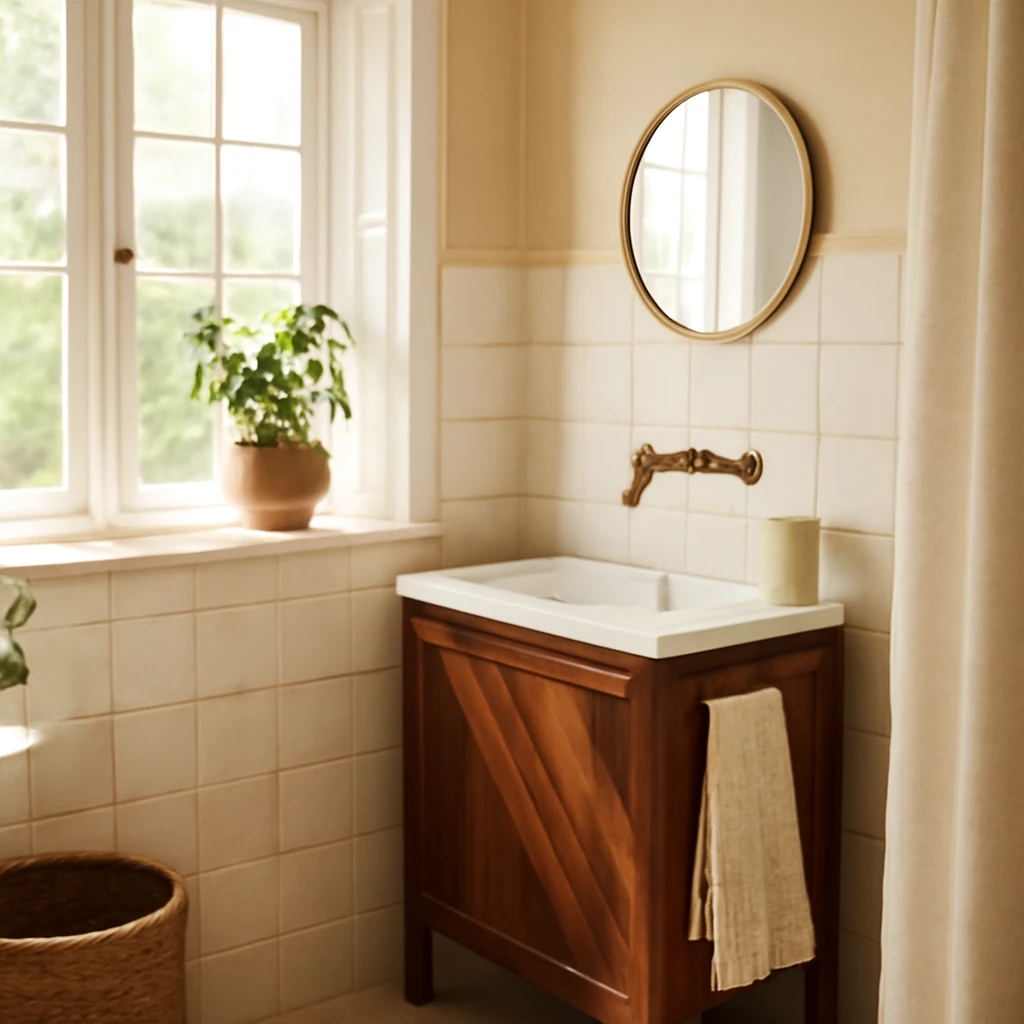
In many European homes, a bathroom refresh doesn’t have to involve a full renovation. A well-planned repaint of the tiles can deliver a surprisingly contemporary and stylish result, especially when combined with thoughtful detailing, smart storage, and a few budget-friendly updates. Across cities and towns - from compact city flats to comfortably proportioned homes in the suburbs - tile repainting has become a popular, practical route to modernise damp spaces without the upheaval of structural works. In this feature, we explore seven distinctive transformations that demonstrate what’s possible with pigment, pattern, and a little DIY know-how. Each project begins with a clear plan, a scrupulous surface preparation, and a palette chosen to extend the space and reflect the resident’s lifestyle.
From brown tile to light, bright and stylish
In many European bathrooms of a certain age, brown ceramic tiles on the floor and muted walls were paired with decorative encaustic panels. The homeowners sought a brighter, more cohesive look without removing the tile. The solution was to prime and paint the tile with a durable, moisture-resistant finish in a pale, airy white and a soft grey-blue for contrast. A light underglow from new LED lighting helped the space feel larger, while a stencil-led accent band on one wall created a subtle focal point without overwhelming the room.
The project also involved a considered rearrangement: the old shower enclosure was swapped for a compact freestanding bath, creating a more generous feel. A DIY screen was designed and built to maintain privacy and containment while keeping the line of sight clean. A new vanity unit with integrated basin, a wall mirror with a shallow cabinet, and open shelving above the toilet completed the refresh. The result is a bright, contemporary bathroom that reads as larger than its actual footprint, with a calm palette and a sense of order that makes daily routines easier and more pleasant.
Practical takeaway: when painting tile, select a high-quality water-based enamel designed for bathroom use, and finish with a hard-wearing topcoat. Use masking tape to protect edges, and consider a stencil to introduce texture without adding visual clutter. If space allows, swap a fixed shower cubicle for a freestanding bath or compact tub to instantly lift the proportions of the room.
From pale pink to white
A common theme in European flats built during the late 20th century is a pink-tinged ceramic palette paired with pale walls and ceramic décors. The makeover stripped away the pink to reveal a pristine white canvas that reflects light and complements contemporary fixtures. A wall-mounted vanity and a slimline mirror replaced the bulkier, older units, while a new suspended storage shelf above the toilet added practical storage without crowding the room. The door was repainted in a soft, neutral white to harmonise with the refreshed interior.
Key decisions centred on achieving harmony and optical expansion. White tiling and fittings created visual continuity, while a small dose of natural texture - such as a woven laundry basket or a timber-framed towel rail - broke the severity of a monochrome scheme. The result is a calm, spa-like atmosphere that feels open and uncluttered, even in a compact footprint.
Design pointers: white bathrooms benefit from reflective finishes and tactile textures. Keep fittings slim and wall-mounted where possible to maximise floor area. If you must introduce colour, consider it in accessories or a single tile motif that can be easily refreshed later.
From a worn bathroom to a bright, new space
In this transformation, the space began life as a well-worn bathroom that had seen better days. The walls and tile were repainted, with the tile pattern extended onto the grout lines using a careful stencil technique to mimic bold black joints. A stencil was also used on the floor to echo the design language across surfaces. New fixtures included a contemporary, easy-clean shower tray, a bespoke glass screen built to fit the original alcove, and a fresh ventilation plan to manage humidity more efficiently.
To complete the makeover, a new vanity and mirrored wall unit were installed, along with a discreet storage cabinet behind the door. The door itself was stripped, re-stained, and edged with a light trim to brighten the transition to the new palette. The finite detail - such as a concealed pipe cover and a moulding around the bath - made the space appear more deliberate and cohesive.
Takeaway: when a space has architectural character but shows signs of wear, painting the tiles can unify the palette and reveal the room’s potential. Patterned grout lines, carefully framed edges, and a restrained palette are the keys to a durable finish that feels modern rather than performative.
From rusty orange to white
Rust-coloured tile is a feature in many European bathrooms, but after years of exposure to humidity and wear, it can start to look tired. The designer chose a neutral, semi-gloss white and a light warm grey that brightened the room and made the tiles look intentional rather than dated. The painting process included sealing the grout with a colour-matched sealant to hide imperfections and reduce maintenance. The updated floor tiles were complemented by a minimal shower enclosure, a compact vanity with a white porcelain basin, and a mirror that reflected the light from a newly installed window treatment.
The open plan of the apartment allowed more light to bounce around, so the colour choice aimed to maximise that quality. As a result, the space feels more expansive and the patterns on the floor add just enough interest without overpowering the white backdrop.
Practical guidance: for tiled surfaces that have seen better days, a mix of white tile paint and a translucent top coat can provide durability while keeping the surface easy to clean. Pay particular attention to grout sealing and test the paint on a small area first to confirm adhesion and performance in a humid environment.
From beige to white
This case illustrates how a carefully executed cosmetic refresh can elevate a bathroom that has already benefited from a cosmetic upgrade. The homeowner had previously refreshed the walls and ceiling above the tiling, boxed in exposed pipes, and installed new furniture and sanitaryware. The moment a white palette was introduced, together with a patterned floor tile, the space gained energy and sophistication without losing its functional warmth. The new layout preserved flow while improving storage across the bathroom - from a shallow vanity to a recessed shelf above the toilet and a discreet niche for toiletries.
The door was refinished in a light oak tone to tie in with natural textures elsewhere in the home, while a soft timber screen created a gentle, almost zen boundary between bath and shower. The final result is a fresh, contemporary bathroom with a clean, coast-to-coast white that reads as breathable and timeless.
From beige and orange to white
In this transformation, the client reconfigured the space to accommodate a new position for the sink wall and installed a compatible drain run. The tile repaint was the central strategy, turning a dated beige-and-orange palette into a crisp white backdrop. A handmade wooden screen, assembled by the homeowner, provides privacy and a tactile accent that softens the otherwise clinical feel of a white bathroom. New fittings - such as a streamlined vanity and compact storage units - complete the transformation, while the tiled floor pattern remains a contemporary detail that anchors the room.
What makes this project distinctive is the careful alignment of function and aesthetics. By rethinking the plumbing layout where feasible and pairing it with a refreshed surface treatment, the result is a practical, photogenic bathroom that reads as fresh and modern without the expense of major works.
From durable tile to refreshed, cohesive white
The final project demonstrates how to treat a palette as a holistic system. A bathroom with a durable, mid-toned tile base can be reshaped by a pure white finish and a restrained accent palette. The addition of a moulded panel around the bath, a floating cabinet, and a slimline shower screen creates a crisp silhouette. A light pendant or wall sconces placed strategically bring warmth to the space in the evenings, while soft linen towels and a rug in a muted tone provide layer and texture without competing with the tile’s clean backdrop.
Across these seven transformations, one message emerges clearly: repainting bathroom tiles is not merely a cosmetic gesture. It is a design strategy that, when paired with thoughtful fixtures, smart storage, and careful detailing, can deliver a space that feels contemporary, calm, and inherently European in its balance of practicality and beauty.
Three-step approach for successful tile repainting
- Assess and prepare: Inspect the existing tile surface for cracks and deteriorations. Clean thoroughly, repair where needed, and let the area dry completely. Use a de-glosser if the glaze is particularly glossy to improve paint adhesion.
- Prime and paint: Apply a specialised tile primer followed by at least two coats of high-quality bathroom enamel or epoxy-based tile paint. Use a roller for even coverage and a small brush for edges. Allow adequate drying between coats as recommended by the manufacturer.
- Seal and finish: Seal the painted tiles with a compatible, water-resistant top coat to protect the finish from humidity and routine cleaning. Re-seal as required over time to maintain durability.
Materials checklist
- Tile primer and two-part epoxy or water-based bathroom enamel
- Moisture-resistant top coat
- Quality masking tape, sandpaper, and de-glosser
- Stencils or pattern elements if you want a feature band
- New fixtures if desired (vanity, mirror, storage)
- Sealant suitable for tiled surfaces
- Ventilation improvements if the bathroom is prone to condensation
While the initial investment in materials may be modest, the real value lies in the transformation’s ability to refresh a space with minimal disruption and downtime. Each project above demonstrates how a well-considered palette, properly prepared surfaces, and a handful of durable finishes can yield a bathroom that feels new, disarming, and perfectly suited to a modern European home.
For homeowners considering a tile repaint, we advocate a measured approach: start with a mood board that visualises light, colour, and texture, test a small area before committing, and plan the sequence of updates to limit downtime. With patience and precision, a bathroom can be renewed with personality, function, and a sense of lasting value.
You may also like these articles
 Bathroom Design
Four Square Metre Bathrooms: European Design Solutions for Small Homes
Ingenious design ideas to maximise a 4 m² European bathroom.
Interior Design
Neoclassical Interior Design: Modern Classics for European Homes
A comprehensive guide to neoclassical interiors for European homes—balanced luxury and practicality.
Outdoor & Terrace
Outdoor BBQ Zones for European Gardens: Design, Materials and Masterplans
Design a stylish, budget-friendly outdoor BBQ zone for European gardens.