
Explore interior trends, AI design insights, styling guides and real transformations
Neoclassical Interior Design: Modern Classics for European Homes
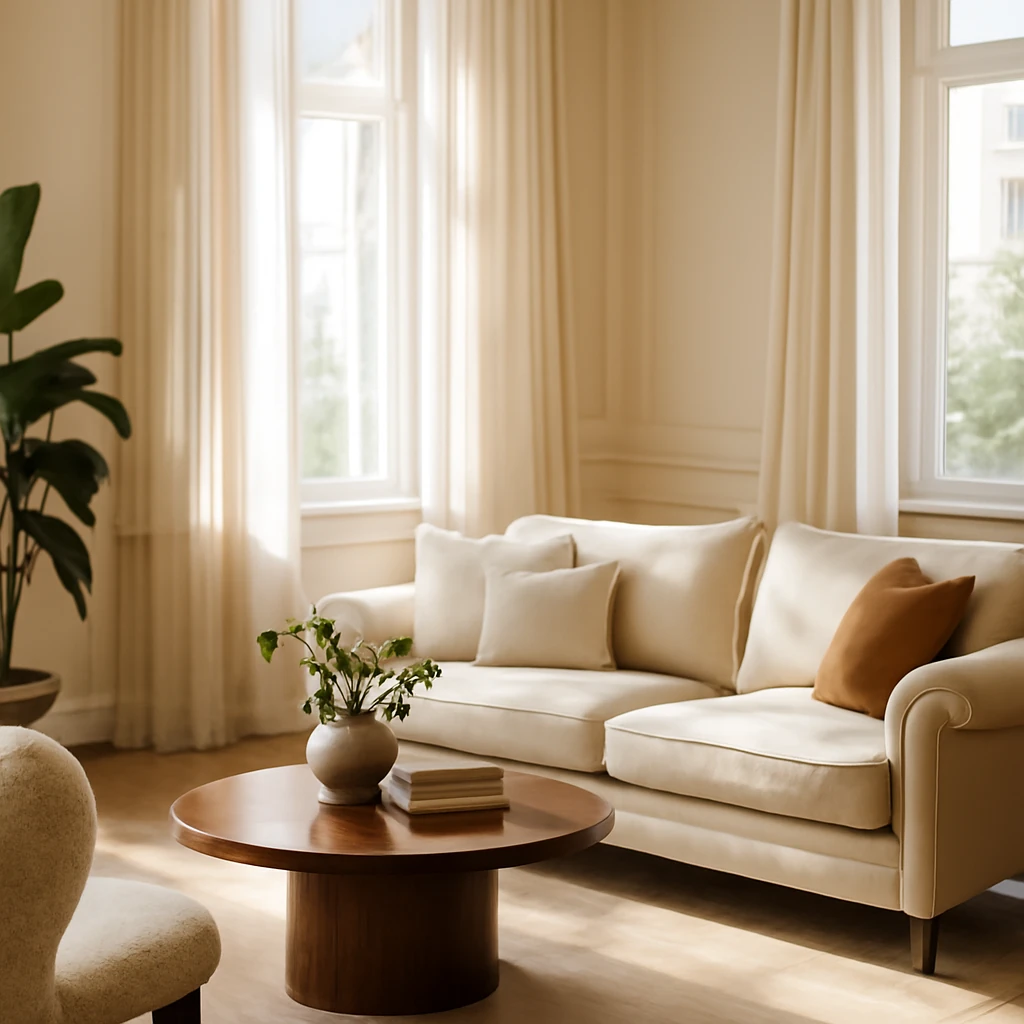
Neoclassical interiors: features and key principles
Neoclassicism offers a contemporary take on a renowned classical direction. In European interiors, this style blends refined luxury with practical layouts, making it suitable for city apartments, townhouses, and countryside houses alike. The essence lies in achieving a calm, cohesive ambience that feels timeless yet uncrowded by ornament.
Key principles that guide successful neoclassical design include intentioned symmetry, restrained proportions, and a warm, comforting colour palette. While the look nods to classical heritage, it remains adaptable to modern living, prioritising function without compromising elegance.
Core characteristics at a glance
- Symmetry and proportion: Furniture is arranged to reflect balance and harmony. Straight lines, aligned silhouettes, and measured gaps create calm, legible spaces.
- Colour palette: Warm pastels such as sand, beige, soft greys, and coffee tones form the base. To keep interiors lively, introduce accents in blush pink, pale blue, or mint. Bright, saturated colours are generally avoided.
- Decoration, kept refined: Avoids heavy ornament. When used, mirrors with carved frames, classical fireplaces, and well-chosen greenery add character without clutter.
- Materials and finishes: The trend in contemporary neoclassicism leans towards refined imitation materials and modern composites rather than heavy natural textures, pairing durability with style.
- Lighting and upholstery: A mix of large, sculptural lighting and softer, tactile textiles - velvet, bouclé, and linen - creates a refined but comfortable atmosphere.
Functional elegance: modern tech and timeless form
Neoclassical interiors are versatile for today’s living. Modern appliances, climate control, and smart systems can sit discreetly within the traditional framework. The aim is to integrate technology seamlessly, so the space feels cohesive rather than compromised.
In European homes, the practical layout often means open-plan living that still respects classical propriety. The result is a calm space that supports daily life, entertaining, and quiet evenings alike.
5 contemporary trends shaping neoclassical design in 2025
Even as the core principles endure, five trends are shaping how neoclassicism looks and feels today. They help the style remain fresh, relevant, and capable of adapting to diverse European contexts - from compact city flats to larger rural houses.
1. Simplified forms and geometry replacing ornate baroque influences
The move away from highly elaborate shapes is clear. Geometric silhouettes dominate, with streamlined chandeliers featuring matte glass and subtle metal accents in black or pale gold. Colour remains soft and cream-based - from vanilla to ivory - with contemporary mocha tones creating contrast. Moldings become slender frames, with flat cornices and 3D panels showcasing geometric patterns. The idea is classic proportion with a modern, restrained presentation.
2. Matte surfaces and muted finishes
Matte paints and tactile textures replace glossy surfaces. Cabinet fronts are painted MDF or veneered panels with matte textures, emphasising a quiet, controlled ambience. This approach emphasises form and tactility over shine, lending durability and ease of upkeep - particularly desirable in family homes and high-traffic zones.
3. Simple, textured textiles
Textiles in 2025 favour natural fibres such as linen, cotton, and wool. Expect restrained patterns or tonal textures rather than heavy drapes. In kitchens, light Roman blinds are common, while bedrooms embrace pillows and throws with subtle, abstract or geometric motifs. Rugs feature vintage-inspired patterns in black-and-white or monochrome textures, adding warmth without heaviness.
4. Understated furniture with refined detail
Furniture in contemporary neoclassicism blends old-world charm with modern practicality. Look for sofas with classic lines but streamlined profiles, and pieces with clean facades and delicate hardware. Mirrors tend to be oval or rectangular with restrained frames. The effect is timeless elegance that remains easy to live with, echoing the heritage without feeling overloaded.
5. Modern decor and refined accents
In 2025, decor leans towards minimalism and graphic statements. Expect black-and-white wall art, simplified photography or engravings, and a carefully chosen focal piece in metal or stone. Florals give way to sculptural vases or architectural arrangements, while greenery and statement textures provide the necessary centre of interest. The goal is a polished finish that reads as complete and unified.
These trends demonstrate that neoclassicism can stay relevant by embracing modern materials, practical sensibilities, and restraint in decoration while preserving a sophisticated, timeless character.
Kitchen in neoclassical style: options for different spaces
Kitchens in neoclassical interiors benefit from generous space and a sense of flow between work zones and dining areas. An open-plan kitchen-dining-living layout is common, with careful zoning achieved through lighting, floor level changes, and a controlled colour scheme. For smaller European kitchens, the following strategies help maintain elegance without sacrificing practicality.
- Mirrored surfaces to visually expand the space and reflect light.
- Light pastel tones such as greys, creams, and ivory to maximise perceived space.
- Compact cabinetry and integrated appliances to preserve clean lines.
- Transformable furniture, such as drop-leaf or fold-down tables, to maximise versatility.
- Smart use of vertical storage - ceiling-height wall cabinets and overhead rails - to free floor space.
Cabinet configuration, finishes, and detailing should be selected with the room size in mind. For very small kitchens (up to about 7 m²), culinary zones are kept compact and functionality is prioritised, with the dining area often relocated to a neighbouring living or reception space. Mid-sized kitchens (8–10 m²) can accommodate a full cooking zone plus a modest dining area, while larger kitchens (around 20 m²) may merge with the living room to form a unified kitchen–living area with generous seating and refined storage.
In a typical European apartment, a 72 m² living space might feature a kitchen-dining zone of 12–16 m² connected to a living area, with materials and colours harmonising across both spaces. A neutral base, with timber textures and marble-inspired surfaces, creates continuity while allowing furniture to be refreshed with seasonal accents.
Design projects in neoclassical style often showcase how a balanced palette and carefully chosen textures can achieve the look without compromising on practicality. For example, a well-planned kitchen of medium size might include a built-in island, integrated appliances, and a subtle mix of matte wall panels and stone or marble-look countertops. The result is a calm, cohesive kitchen that remains welcoming for daily use and social gatherings.
Neoclassical living room: five techniques for an impactful interior
The living room is central to a neoclassical home and often serves as the space where luxury meets daily life. To create an environment that feels refined yet comfortable, consider these five techniques.
- Thoughtful colour and light: Choose warm neutrals - creams, soft beiges, and pale greys - as the base, with restrained accents in greens, browns, or deep reds. Maximise natural light with well-proportioned windows and layered lighting to create a welcoming atmosphere.
- Natural materials and their imitation: Use silk wallpapers with subtle textures, decorative plasterwork, or wood panelling in restrained applications. Flooring options include stone, timber, or well-proportioned ceramic tiles that resemble natural materials.
- Elegant yet functional furniture: Opt for sofas and chairs with classic silhouettes, upholstered in velvet or bouclé. Include consoles, glass-front cabinets, and media storage that respect the room’s proportions.
- Light-filled, uncluttered spaces: Keep surfaces tidy and maintain symmetry in architectural details and furniture placement. Use simple curtains or light drapery to frame views without overpowering the space.
- Statement lighting with restraint: A central chandelier with clean lines, paired with wall sconces or floor lamps, helps achieve a regal ambience without heaviness.
In larger urban or rural European homes, the living room can be a generous, multi-functional zone - catering for daily life, family time, and formal entertaining - without tipping into ostentation. For more compact living rooms, prioritise a pared-back furniture line, slim profiles, and strategic lighting to preserve airiness and comfort.
Bedroom design: cosy environments without overload
A neoclassical bedroom focuses on calm, restful spaces that invite retreat and quiet reflection. The design palette remains soft and restrained, while the materials and finishes speak of quality.
- Headboards in carved wood or leather add a touch of refined grandeur without being overpowering.
- High-quality textiles dominate - linen sheets, velvet cushions, and wool throws in muted tones create tactile warmth.
- Symmetry is mirrored in the layout: a well-positioned bed, matching nightstands, and balanced lighting reinforce the classical equilibrium.
- Built-in wardrobes maximise storage while preserving clean lines and a cohesive look. If space allows, a small seating area or a dressing table can be added in the same tone family.
- Subtle, decorative details - framed art, gentle mouldings, or a restrained rug with a classic pattern - complete the scene while avoiding overload.
Where space is generous, an en-suite or a walk-in wardrobe enhances convenience. In smaller rooms, consider flush-fit wardrobes with mirrored doors to create the illusion of more space and reflect light.
Bathroom design: luxury meets practicality
The neoclassical bathroom draws from refined materials and classical forms, balancing lavishness with sensible durability. Natural tones such as beige and white marble imitations, warm stone textures, and delicate metallic fittings define the aesthetic, with arches and column-inspired details often employed in architectural elements like doorways or niches.
Key design considerations include:
- Floor and wall tiling in warm marble-look finishes, or high-quality porcelain tiles with subtle veining.
- Arches and pilasters in plaster or durable composites to evoke classical features without heavy maintenance.
- Symmetrical layout for sanitaryware and storage, maintaining balance and calm.
- Moisture-resistant materials and intelligent ventilation to ensure longevity in a high-moisture environment.
- Solid vanity units with refined hardware, complemented by freestanding bathtubs or compact showers in well-proportioned spaces.
Natural stone interiors are the most luxurious option, but high-quality alternatives can deliver the same look with lower maintenance. In larger bathrooms, a statement element such as a wall niche or a grand mirror can serve as a focal point while preserving overall balance.
Hallway design: secrets for harmonious entryways
The hallway sets the tone for the rest of the home. In neoclassical interiors, light finishes, well-chosen lighting, and mirrors help to extend narrow corridors and offer a welcoming entrance.
- Colour and walls: Light, warm neutrals keep the space feeling expansive. Subtle wallpapers with a delicate botanical or geometric motif can add depth without crowding the senses.
- Mirrors as architectural devices: Large framed mirrors not only illuminate but visually widen the space.
- Flooring and transitions: Use consistent materials or complementary tones to unify the corridor with adjoining rooms.
- Storage and functionality: Consider built-in cabinetry or slim console units with discreet storage to maintain a tidy approach.
- Decorative accents: A single grand vase, a framed artwork, or a sculptural accent can set the mood without clutter.
In Europe, entryways are often compact, so the emphasis is on clever storage solutions, light-enhancing finishes, and a calm colour scheme that invites you into the home.
Country house interiors in neoclassicism: avoiding pomp while preserving style
For rural or villa settings, neoclassical design thrives on generous spaces, tall ceilings, and an interplay between grand and intimate. The approach combines natural materials, large fireplaces, and a restrained palette to create a sense of grandeur without pretence.
Materials such as marble, stone, and timber are used thoughtfully to convey warmth and durability. Wall finishes may include plaster dynamics, natural-linen wallpapers, or textiles with botanical motifs. A classical fireplace remains a central architectural feature in many living zones, while modern conveniences and smart technologies ensure comfort without compromising style.
Lighting in a country house should be layered: a statement ceiling fixture for ambience, complemented by wall sconces and floor lamps to illuminate reading nooks or seating corners. The aim is an atmosphere of quiet elegance, where the architecture itself reads as the primary gesture.
Renovating a small apartment: neoclassical approach that works
While neoclassical design is often associated with grand spaces, it can be effectively adapted to compact urban dwellings. The focus is on preserving proportion, light, and a cohesive palette across rooms, while selecting furniture that maximises space and function.
- Compact, multipurpose furniture: Think sofa beds, storage ottomans, and wall-mounted cabinetry that keeps floors clear.
- Light, unified palette: Use soft neutrals across walls, ceilings, and major pieces to create a sense of continuity and airiness.
- Zoning through light and texture: Visually separate living and sleeping areas with varied textiles, subtle colour shifts, or translucent room dividers that maintain openness.
- Strategic focal points: A single, elegant piece - such as a carved mirror, a fine console, or a slim fireplace insert - anchors the space without overwhelming it.
- Ceiling and architectural details: If possible, retain or introduce light mouldings and cornices to preserve the neoclassical identity in a small footprint.
When planning renovations, a clear budget and phased approach help, balance high-impact finishes with practical, durable materials that withstand daily use in a small home. A well-designed neoclassical interior can feel expansive, serene, and elegantly appointed even in limited real estate.
Neoclassicism as an art of living beautifully
Neoclassical interiors harmonise luxury with everyday practicality. The style is adaptable to private houses and city flats alike, offering generous proportions, refined materials, and timeless aesthetics. The aim is to create spaces that feel curated rather than ceremonial - where comfort, light, and order coexist with understated elegance.
In practice, this means thoughtful planning, careful material selection, and a disciplined approach to decoration. The result is interiors that are sophisticated yet comfortable, capable of evolving with residents’ tastes while retaining their classical soul. For those seeking a refined European sensibility, neoclassicism provides a versatile framework suitable for a wide range of homes and lifestyles.
To explore real-world applications, our studio portfolios showcase projects across various sizes, from compact city apartments to larger family homes. Every project balances harmony with function, demonstrating how neat symmetry, warm finishes, and restrained ornament can translate into comfortable, high-end interiors. If you would like to discuss a neoclassical design for your space, our design team offers consultations and tailored plans, with costs and timelines laid out in a transparent, client-focused process.
You may also like these articles
 Small Spaces
30 m², Made Brilliant: Design Strategies for Compact European Homes
Smart storage, zoning, and lighting ideas that transform 30 m² into comfortable, stylish living.
Furniture
Choosing pet-friendly upholstery: anti-scratch fabrics for European homes
Pet-friendly fabrics that resist claws without compromising style.
Interior Design
Provencal Interiors: Light, Rustic Romance for European Homes
A romantic guide to Provencal style for European homes, with light palettes and natural textures.