
Explore interior trends, AI design insights, styling guides and real transformations
How to Refresh an Old Wardrobe: Practical DIY Restoration Across Europe
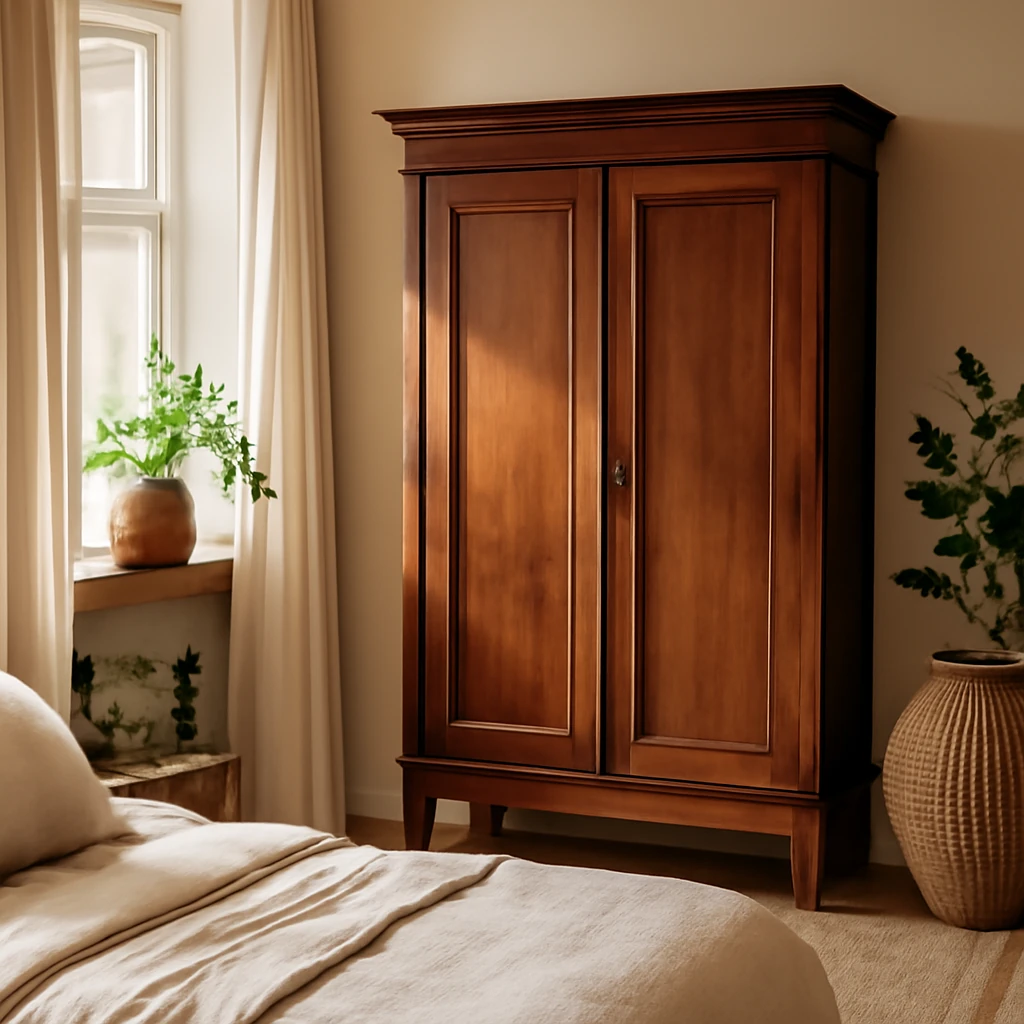
Why refurbish an old wardrobe?
Across Europe, many homes feature wardrobes that have stood the test of time but begun to show their age. A sturdy structure may be hiding in plain sight beneath dated finishes and tired detailing. Refurbishment offers a sustainable alternative to replacement, allowing you to retain a piece with history while tailoring it to a modern interior. This guide explores practical, achievable DIY methods for updating a wardrobe, from simple paint updates to full restoration, with a European context in mind and steps you can adapt to a range of spaces from compact city apartments to larger living environments.
What wardrobes are suitable for refurbishment
Not every wardrobe merits a makeover. Before you start, assess the piece for structural integrity and long term viability. Consider whether the cabinet is sound, doors align and hinge smoothly, and whether the interior carcass shows any significant moisture damage or pest activity. In regions with variable humidity, swelling, warping or mould can undermine a makeover if not addressed. If the internal framework is compromised or there is extensive insect damage, replacement or professional restoration may be more suitable.
- In good or fair condition with the body intact, no large holes or splits, a solid base, and operation of doors or ease of adjustment if misaligned.
- Carcass and surfaces free from severe delamination, compromised veneer, or extensive water damage. Wood should feel solid and not crumble under light pressure.
- No active insect damage inside or behind drawers. Typical signs include hollow sounds, frass, tiny holes or soft, collapsed areas on doors or panels. If you notice these, reassess the project and consider alternatives.
Approaches to refurbishment
There are several routes for updating a large piece of furniture. Choose a method that matches your style and skill level while taking into account the condition of the unit. Some pieces respond well to a fresh coat of paint, while others benefit from a more comprehensive restoration. The European context benefits from versatile options that suit varied trends, from minimalist apartments to cosy traditional interiors.
Painting
Painting is the most straightforward and familiar method for updating any cabinet furniture. It costs relatively little, requires basic tools, and enables a full colour rethink. It does demand time and patience since a wardrobe is tall and bulky to handle. The process is straightforward but thorough.
- Prepare the surfaces: remove hardware, lightly sand, degrease, and fill minor imperfections with a compatible filler.
- Prime to improve adhesion and achieve a more even colour block.
- Apply the base coat using brushes, foam rollers or a spray system for a smoother finish.
- Apply one to two additional coats if required to achieve a solid, uniform colour and depth.
- Seal with a protective topcoat to resist knocks and to impart a refined sheen.
Practical note: choose water based paints for low odour and easy maintenance. For tall wardrobes, consider a spray finish for even coverage while protecting surrounding surfaces. Allow adequate drying time between coats and ventilate the space well.
Vinyl wrap
This option is often quicker than painting and ideal when you want an immediate transformation. Select a self adhesive vinyl in a size and design that suits the piece, and apply it across all fronts or selectively. Advantages include a wide range of colours and textures, straightforward application, and no need to prepare the surface for paint. The main drawback is longevity: wraps can wear at edges and corners and may require local replacement over time. If you intend a lasting upgrade, buy extra wrap material to enable quick touch ups in the future.
Decorative techniques
If a classic paint finish feels too tame, combine methods to add personality and texture. Decorative techniques offer a rich toolbox for European homes, supporting a range of styles from rustic to contemporary.
- Decoupage: applying cutouts or printed images with adhesive, then sealing with a protective layer. Suitable for interiors with Provence, classical or rustic influences, and adaptable to modern graphic patterns or typography.
- Crackling glaze: creates fine cracks in the top layer for an aged, gallery-like effect. Achieved with a crackle medium and two contrasting paint colours, often enhanced with dry brushing to reveal depth.
- Hand painting or stencilling: decorative motifs or bespoke drawings can personalise the wardrobe. Use your own design or a simple stencil for a refined touch. After finishing, protect with a final clear coat to extend life.
Full restoration
When the piece has more wear than a surface refresh can address but remains recoverable, full restoration is a viable path. This is more demanding than painting or wrapping but can be accomplished by a determined DIY enthusiast with careful planning. A full restoration typically involves addressing structural defects, disassembly if needed, thorough sanding and priming, and, where appropriate, upgrading internal shelving and fittings. The exterior can then be finished with one of the above methods to unify the look. If replacing parts, opt for compatible, durable hardware and consider soft close hinges for added longevity.
Real-world European examples
Below are realistic scenarios that illustrate how a wardrobe can be transformed to suit different rooms and styles, from a compact hallway to a bright living area. These narratives reflect professional practice and emphasise practicality, durability and cohesive design with European interiors.
From dark timber to stylish grey
A wardrobe located in a compact hallway or balcony storage zone was refreshed with matt grey paint. The new finish hides irregular timber tones and delivers a contemporary silhouette with clean fronts and simple geometry. The understated finish pairs well with light timber floors and pale wall colour, creating a calm, cohesive approach to storage that does not overpower the space.
From warm orange timber to light
A warm orange brown wardrobe dominated a small room. The makeover involved selecting a pale, neutral tone that coordinates with door heights and skirting boards. The result is a brighter atmosphere that makes the space feel larger while preserving the piece identity. The method demonstrates how colour can alter perceived scale without replacing the furniture.
From natural wood veneer to white
Wood veneer can be modernised by applying a clean white finish. A two tone approach, with white fronts and natural interior visible through open shelving or shallow drawers, creates a contemporary storage solution. Polished chrome handles and discreet mid rail details reinforce a lightweight look that reads as a new piece rather than an antique revival.
From brown to white with clarity
A large hallway storage system with brown fronts and open shelves was repainted in crisp white. The update makes the unit feel more spacious and aligns with minimalist interior schemes, allowing wall colour and flooring to take the lead. The project illustrates how a simple colour swap can redefine the scale and function of a furniture system in a corridor setting.
From bold greens to a soft pastel
A bold green wardrobe was toned down by repainting in a soft pastel shade and applying subtle wax or satin topcoats for depth. The result preserves the piece as a focal point while ensuring harmony with surrounding soft furnishings. The wax finish adds a tactile richness that balances the muted palette of contemporary interiors.
From heavy timber to a refined light servery look
A large older servery or display cabinet was refreshed with matt white paint and updated hardware. The result is a lighter, more refined silhouette that reads as elegant rather than bulky. The project demonstrates the impact of new hardware, a pared back surface, and careful proportional balance to shift perception.
From a traditional to a modern black and white contrast
A bold update involved framing the piece with a dark frame and painting the fronts in a lighter shade. Inside, structural enhancements and occasional splashes of colour on internal shelves deliver a contemporary, statement-rich piece suitable for kitchen or living spaces in European homes.
Care and maintenance after refurbishment
To maximise longevity, adopt a preventive care routine. Use cleaners appropriate to the finish and avoid harsh solvents on painted surfaces. Position the wardrobe away from direct sunlight to protect colour and avoid extreme humidity or temperature fluctuations. If the finish uses wax or oil, reapply as recommended by the product guidelines. Check hardware periodically and tighten screws to maintain alignment. A good topcoat will resist daily wear and help preserve the newly refreshed appearance for many years.
Planning your project in practice
Preparation is key to a successful makeover. Start by selecting the method that best suits your style and your skill level. Measure the wardrobe precisely, note the thickness of doors and drawer fronts, and decide whether to work in a single room or to disassemble components and treat them separately. Create a realistic timeline and budget, allowing for contingencies as older pieces may reveal hidden repairs. Gather tools and protective equipment, and prepare a well ventilated workspace. If you are refurbishing a rental property, ensure your approach complies with tenancy terms and seek landlord approval if required. A small test on a drawer front or another flat panel can help you anticipate curing times and coverage before committing to the entire piece.
Conclusion
Refurbishing an old wardrobe is a sustainable and stylish way to refresh a room, preserve character, and reduce waste. Whether you opt for a simple repaint or a full restoration with updated hardware and shelving, a well planned project can transform a dated piece into a practical focal point that fits a European home. With careful preparation, the right materials and a measured approach, your wardrobe can look almost new while retaining its history and charm.
You may also like these articles
 Tips & How-To
From FlyLady to KonMari: European routes to a calmer, cleaner home
A design-led guide to easy, effective cleaning across Europe.
Small Spaces
Designing a Small Bathroom: Practical Ideas for Compact European Homes
Smart layouts, light-filled rooms and clever storage for tiny baths.
Living room
Grey Living Room: The Neutral Base You Can Build On
Master the versatile grey living room with texture, light and colour accents.