
Explore interior trends, AI design insights, styling guides and real transformations
Balcony Wardrobes: Design Ideas for European Homes
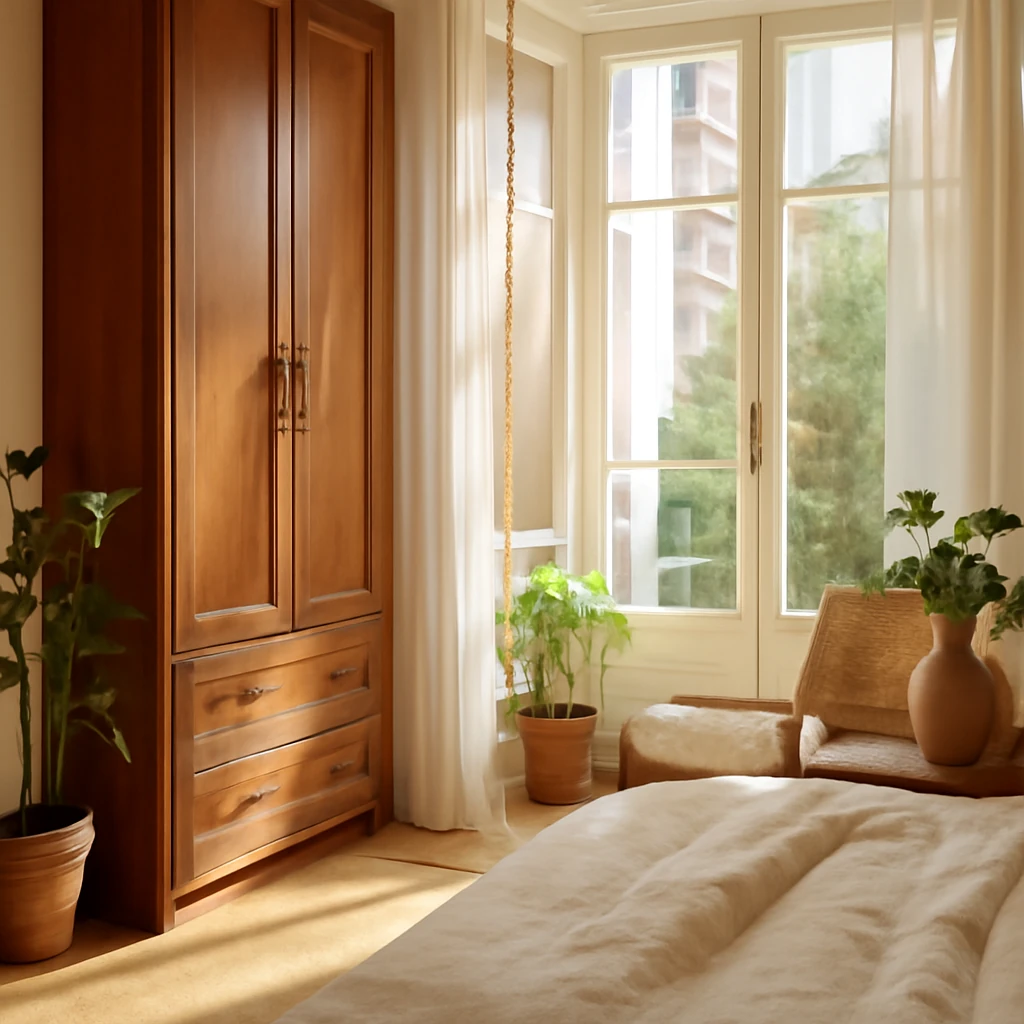
Introduction: turning balcony space into a refined storage and living area
Balconies and terraces across Europe offer precious, often overlooked, outdoor space. In contemporary European flats and townhouses, a well-planned balcony wardrobe can transform an underused edge into a functional, stylish zone. Rather than a simple shelf or chest, a wardrobe designed for external conditions can provide weather‑proof storage, seasonal organisation and a subtle design statement that extends the living area. The goal is to balance practicality with aesthetics, so the balcony remains light, airy and legible as part of the home rather than a closed-off annex.
This guide walks you through the essentials of balcony storage in modern European interiors: the main types of wardrobes, sizing and layout considerations, materials that withstand damp and sun, door mechanisms, interior organisation, and design strategies to ensure the balcony remains a comfortable extension of the home. Whether you live in a compact city balcony or a longer terrace, the right wardrobe can harmonise with the architecture, protect belongings and add lasting value to your property.
All about balcony storage: typologies and planning
Balcony wardrobes fall broadly into two categories: built‑in and freestanding. Each has its advantages depending on the balcony’s geometry, climate, and how you intend to use the space.
Built‑in wardrobes
When a balcony has irregular geometry, a built‑in solution can follow the exact angles and alcoves, producing a cohesive, uninterrupted line. Built‑ins can be tailored to the space, allowing seamless integration with surrounding finishes, railings, and window ledges. They tend to be more economical in some layouts because they avoid extra carcass and can use the balcony’s vertical real estate efficiently. A flush, custom‑made built‑in can also reduce visual clutter, keeping the balcony feeling calm and expansive.
In practice, built‑in wardrobes are often designed to run along the length of the balcony or to terminate at a corner, preserving passage space. They can be finished with weather‑resistant laminates, exterior paints or veneers that complement the interior palette. The key is to select materials and hardware rated for exposed environments and to provide adequate ventilation and drainage details where necessary.
For a balanced European look, many projects employ light‑reflective finishes and natural timber tones that echo Nordic or Central European design sensibilities. The advantage of a built‑in approach is that it can be precisely dimensioned to fit niche areas, such as under a sloped roof, beside a balcony door, or around a radiator enclosure, without compromising movement or sightlines.
Freestanding wardrobes
A freestanding wardrobe is independent of the balcony’s structural constraints. This option offers versatility: you can reposition it if you move, change the layout with minimal disruption, or switch to a different style to refresh the space without reconstructing built‑ins. A freestanding unit can be ideal for long, narrow balconies or for spaces where wind or moisture levels vary along the length of the terrace. It also allows you to vary door styles and finishes from the interior, creating a curated look that can reference a broader home aesthetic.
Bouquets of advantages accompany freestanding pieces: modularity, ease of replacement, and the opportunity to select doors and interiors that suit specific storage needs - such as roll‑top containers for tools, or ventilated sections for soft furnishings. The trade‑off can be the need for a solid base or plinth to anchor the piece and protect it from damp. In most European climates, freestanding units benefit from raised feet or a small plinth to avoid direct contact with the damp balcony floor, which helps minimise moisture transfer to the carcass.
Sizes and layout: making the most of height and width
On European balconies, height is often restricted by the ceiling or balustrade height, so the width can be adapted with relative freedom. The most space‑efficient arrangements typically employ vertical storage up to the ceiling, creating a clean vertical axis while keeping horizontal footprints minimal.
The highest, floor‑to‑ceiling wardrobes are the most storage‑dense option, but they demand careful consideration of ventilation and access. If a balcony offers a panoramic or unobstructed external view, it may be prudent to avoid tall, bulky wardrobes that could obstruct sightlines or natural light. In such cases, consider low or mid‑height cabinets that run along the length of the balcony, with an open shelf or a slim work surface above to act as a plant ledge or a compact coffee corner.
For balconies facing the sun or strong weather, plan for a continuous run of wardrobes at or just above the window sill level. This preserves the external view and creates a defined horizontal plane that can be used for placed planters, seasonal baskets, or a small outdoor‑friendly table. The spacing above and below the cabinetry should allow easy access for cleaning and maintenance, and the door swing or sliding action must be considered in relation to balcony doors and any seating or railings nearby.
In practice, a balanced scheme may look like this: a low, run of cupboards ending at the window, with a taller module at the far end to accommodate bulkier items, or a corner solution that uses a vertical stacking approach to maximise the available area. The important point is to measure accurately, including the door opening clearances and the path required to open doors fully without clipping against walls, windows, or railings.
Materials for balcony cabinet bodies: durability under European conditions
The exterior environment - humidity, sun exposure, and temperature fluctuations - demands materials that resist warping, mould, colour fade, and corrosion. The cabinet’s core materials, and the finishes applied to them, determine long‑term performance and the ease of maintenance.
Common choices for balcony cabinetry include:
- Solid timber treated for outdoor use. Timber brings a warm, premium feel and ages beautifully if sealed with exterior varnish or paint designed for marine or outdoor environments. Natural timber requires periodic maintenance to preserve its colour and resistance to moisture, but it remains a timeless option when properly protected and ventilated.
- Laminate over board (Laminates) or particleboard (chipboard). Laminate finishes provide a practical, affordable option with a wide range of colours and textures. They are relatively moisture‑resistant if properly sealed at edges, and they wipe clean easily. Ensure the core material is rated for exterior or high‑humidity use, and select edge treatments that resist swelling.
- Medium‑density fibreboard (MDF) with exterior grade coatings. MDF offers a smooth, refined surface and is frequently paired with veneered or painted finishes. In damp climates, use exterior or marine grade MDF and seal all joints meticulously to prevent water ingress.
- Wood veneer on a weather‑resistant core. A veneer surface can deliver the luxury of timber with improved stability. When used outdoors, pair the veneer with a robust, water‑proof core and a compatible exterior finish to protect cross‑grain expansion and moisture migration.
- Plastic (PVC) or fibre‑reinforced composites. Modern plastics and resin composites are fade‑resistant, low‑maintenance, and available in a broad colour range. They can be highly durable in sun‑baked and damp environments but ensure the material remains in a shaded, protected position to minimise discolouration or brittleness over time.
- Aluminium or powder‑coated metal. Metal frames and panels offer excellent durability and a contemporary look. Powder coatings guard against corrosion, while anodised finishes can provide a cooler, more industrial aesthetic. Metal is particularly well suited to kitchens or laundry balconies where dampness and moisture are routine.
Whichever material you choose, think about maintenance, environmental impact, and compatibility with adjacent indoor finishes. In many European environments, a hybrid approach - wood or veneer for the interior, with moisture‑resistant laminates on the exterior - delivers a strong balance of warmth, durability and cost efficiency.
Door types and façade choices: how to keep storage neat and stylish
The door mechanism not only controls access but also contributes to the balcony’s aesthetics. There are several common configurations, each with its own footprint and practical considerations.
- Hinged doors (the traditional option). Hinged doors provide full, unobstructed access and are straightforward to install. They require space in front of the wardrobe to swing open, which should be planned into the balcony layout. For narrow balconies, consider a slim profile with narrower doors or door pockets integrated into the wall to free floor space when opened.
- Sliding doors (coupes). Sliding or pocket doors save space and are ideal for longer balconies where a full swing would intrude on seating or planters. A two‑panel or three‑panel system can provide a continuous façade, while ensuring easy access to the interior. Ensure tracks are corrosion‑resistant and protected from the elements to avoid jamming or misalignment.
- Folding or accordion doors. The folding mechanism is compact and adaptable for small balconies. This option works well for open plan balconies where the wardrobe should disappear from view when access is not required. Quality folding hardware and careful alignment are essential for longevity.
- Roller shutters or panel shutters (security and light control). Roll‑up shutters offer complete concealment and can double as sun protection. They are particularly practical in sunny southern Europe, where direct sun can heat interiors and fade fabrics. Choose shutters in corrosion‑resistant aluminium and ensure proper ventilation when closed for extended periods.
Facade details matter as well. Flat, door‑panel facades with uniform finishes create a calm, cohesive look, while decorative faced doors (slatted panels, framed panels, or glass inserts) can introduce texture and light play. When the balcony is visible from the street or adjacent rooms, consider facades that echo the interior style - light timber for Scandi or eco aesthetics, painted MDF for modern interiors, or glass inserts for a contemporary edge.
Constructions: three practical configurations for European balconies
Balcony wardrobes are commonly configured to suit geometry and lifestyle. Here are three practical patterns often used in European renovations and new builds.
Standard linear wardrobes
A compact, straight run along the balcony length is a dependable choice for rectangular balconies. This configuration maximises storage while keeping circulation clear. It is particularly useful when there is a window or door at one end, place the wardrobe along the opposite wall or as a floor‑to‑ceiling module to create a strong vertical rhythm.
Corner wardrobes
Corner solutions make efficient use of angular balconies or balconies that adjoin other rooms. A well‑planned corner unit can blend deep shelves with hidden drawers, concealing bulky items yet offering easy reach. The trick is to design the corner with a coherent interior layout - shelves, drawers, and hanging space arranged to minimise wasted space.
Under‑window or window‑reaching wardrobes
If the balcony features an uninterrupted window line, a low‑profile wardrobe that ends at the sill can preserve the external panorama. This arrangement creates a subtle horizontal plane that may function as a slim console for plants or a breakfast tray, while the upper storage remains accessible without blocking light.
What should you store inside a balcony wardrobe?
The internal organisation of balcony storage should reflect how you live and what you typically access from the balcony. A well‑designed system reduces clutter and keeps essential items at hand. Here are common categories and practical considerations.
- Sport and leisure gear. Helmets, pads, skates, resistance bands and light weights can be stored on sturdy shelves or in labelled bins. Hooks on the interior of doors allow hanging equipment such as tennis rackets or yoga mats, freeing shelf space for smaller items.
- Preserves and pantry staples. Jars, jars of preserves, dry goods and seasonal supplies belong in cool, dry zones with good airflow. If possible, use clear, stackable containers and label shelves by category to simplify rotation and avoid spoilage or pest issues.
- Seasonal clothing. Off‑season garments can move to balcony storage to free wardrobe space indoors. Use airtight containers and, where humidity is a concern, moisture absorbers or desiccants to protect fabrics and leather goods.
- Travel and luggage. Suitcases and travel bags can be stowed in dedicated compartments. For easy access, position lighter suitcases at a reachable height and store heavier items lower down, ensuring stability and safe lifting.
- Gardening tools and planters. Balcony planters, trowels and small pots benefit from open shelving or perforated panels that promote drainage and air flow. Reserve a shelf for potting soil, fertilisers, and pruning shears in clearly labelled containers.
- Household essentials. Cleaning supplies, folding tools, and spare bulbs can be grouped by use and stored in closed drawers or cabinets with segregated compartments to limit chemical exposure and spills.
- Small appliances. If the balcony adjoins a cooking area or serves as a utility zone, small appliances like blenders, juicers or compact coffee machines can be stored in dedicated drawers or a ventilated cabinet to keep counters free indoors.
When designing the interior layout, consider weight distribution, especially if the balcony is exposed to wind. Heavy items should be placed low and near the wall for stability, while lighter objects can occupy upper shelves. Ventilation is crucial to prevent mould, for enclosed balconies with limited airflow, include breathable back panels or perforated shelves to facilitate drying and air movement.
Design principles: aesthetics that harmonise with European interiors
Beyond function, a balcony wardrobe should contribute to the home’s broader design language. A thoughtful approach can visually extend interiors, create cohesion between spaces and elevate the balcony from a mere utility zone to a refined living area.
- Colour and finish. Light tones - white, pale greys, soft beiges - help to visually expand compact balconies. A pale palette mirrors modern Nordic and Central European sensibilities and pairs well with natural timber or subtle wood veneers. For bolder aesthetics, a wardrobe in a contrasting finish can become a deliberate feature that anchors the balcony’s character, as long as it is balanced by softer furniture elsewhere.
- Material pairing. Combine weather‑resistant exterior surfaces with warmer interior finishes. For example, laminate or aluminium doors can sit alongside timber shelves inside, creating a tactile contrast that remains cohesive with the interior’s materials palette.
- Texture and pattern. Introducing texture through panelled doors, vertical slats, or frosted glass inserts can add interest without reducing light. Avoid busy patterns on small balconies, instead, opt for restrained detailing that reflects light and keeps the space calm.
- Continuity with the home. Tie balcony cabinetry to interior finishes through hardware, such as handles in the same metal tone as interior fixtures, or by echoing the interior’s door styles and frame mouldings. This continuity helps the balcony feel like a deliberate extension of the home, not a separate annex.
- Lighting and atmosphere. Plan for lighting integrated with the wardrobe, such as subtle LED strips under shelves or inside glass doors. Soft illumination enhances usability at night and emphasises the wardrobe’s presence as a design element rather than a temporary storage solution.
In European contexts, consider how the balcony interacts with seasonal outdoor use. A balcony that functions as a year‑round living area benefits from materials that remain visually and physically comfortable in various climates, from northern dampness to southern sun. The design should adapt to this range without sacrificing form or performance.
Practical considerations: installation, maintenance and longevity
To ensure a balcony wardrobe remains a reliable feature, address several practical factors during planning and installation.
- Moisture management. Balcony environments are prone to moisture, condensation and temperature swings. Use moisture‑resistant boards and seal all edges thoroughly. Where possible, provide a small gap between the wardrobe base and the balcony floor to allow for evaporation and to reduce capillary action that can draw moisture into the carcass.
- Ventilation. Proper ventilation reduces mould and odour build‑up inside closed storage areas. If the balcony is fully enclosed, consider perforated backs, vented doors, or a few open shelves to foster air movement.
- Anchoring and stability. Wind load can affect tall, slender wardrobes. Use wall anchorage to fix the unit to the balcony structure where feasible, and choose a base with a low centre of gravity for stability. Freestanding units should be positioned away from doorways to minimise risk of tipping and to maintain safe circulation.
- Drainage and seepage protection. Ensure any drainage issues are addressed, avoid placing furniture directly over potential water infiltration points. Use drip edges or moisture barriers where required.
- Maintenance routine. Clean with a mild detergent and a soft cloth. Reapply exterior sealants or finishes as recommended by the manufacturer, typically every few years depending on exposure and climate. Inspect seals around doors and joints for signs of wear and re‑seal as needed to maintain performance.
Case for a European balcony wardrobe: small spaces, big impact
Across Europe, compact balconies pose a common challenge: how to gain storage without sacrificing daylight, airiness and the ability to use the space for seating or planters. A well‑executed balcony wardrobe offers a practical answer - an elegant, durable system that consolidates storage, organises items by category, and visualises the balcony as part of the home rather than a backlog of belongings.
In urban contexts - from Mediterranean courtyards to Nordic loggias - clients increasingly request wardrobes that respect climate realities while remaining faithful to the property’s architectural language. The result is often a built‑in solution that follows corners and window lines, finished in light, breathable textures that reflect natural light and work with the interior’s mood. Alternatively, a modular freestanding system provides the flexibility to reconfigure the balcony as needs evolve, while maintaining a strong decorative core that complements indoor environments.
Guidelines for choosing a balcony wardrobe: a quick decision framework
- Assess the balcony geometry. Measure length, width, and height, note any alcoves, window protrusions or door openings that will influence layout and door swing.
- Define humidity and exposure. Is the space fully enclosed, or does it receive direct rain, sun or wind? Choose materials and finishes accordingly to maximise durability.
- Decide on your storage priorities. Do you need deep drawers for tools, shelves for plants, or hanging space for coats and accessories? Map a practical distribution of zones in the wardrobe.
- Set a budget and maintenance plan. Built‑ins may incur higher upfront costs but can be more efficient, freestanding units offer flexibility and later upgrades. Include a maintenance schedule for finishes and hardware.
- Coordinate with interior design. Ensure colour, texture and hardware harmonise with the home’s overall aesthetic. A balcony wardrobe should enhance, not clash with, the interior mood.
- Plan for lighting and comfort. Consider subtle lighting and a small surface area to support a coffee moment or plant care, ensuring the space remains inviting regardless of the season.
Final reflections: long‑term value and style
A balcony wardrobe is more than a storage solution, it is a strategic design decision that can increase the functional footprint of an urban home. With the right materials, door systems and layout, a balcony becomes a flexible, year‑round extension of living space - ideal for Europeans who value compact, well‑considered homes. By prioritising moisture resistance, ease of access and a coherent aesthetic, you create a balcony that not only stores items neatly but also invites daily use and enjoyment, no matter the climate or city you call home.
Whether you opt for a built‑in corridor of shallow cabinets that disappear behind a soft façade, or a freestanding module that can be rearranged in a future home, the balcony wardrobe promises both practicality and personality. The result is a refined outdoor room where storage serves the design, and design amplifies the everyday life you want to lead on the balcony.
You may also like these articles
 Kitchen Design
Five clever micro-makeovers for tiny European kitchens
Smart layouts, smart storage and bold palettes redefine micro-kitchens.
Tips & How-To
Choosing Bedroom Wallpapers: A Practical Guide for European Homes
A practical guide to selecting bedroom wallpapers for European homes.
Furniture
Choosing pet-friendly upholstery: anti-scratch fabrics for European homes
Pet-friendly fabrics that resist claws without compromising style.