
Explore interior trends, AI design insights, styling guides and real transformations
Book-Style Sofa Mechanism: A Practical Guide for European Homes
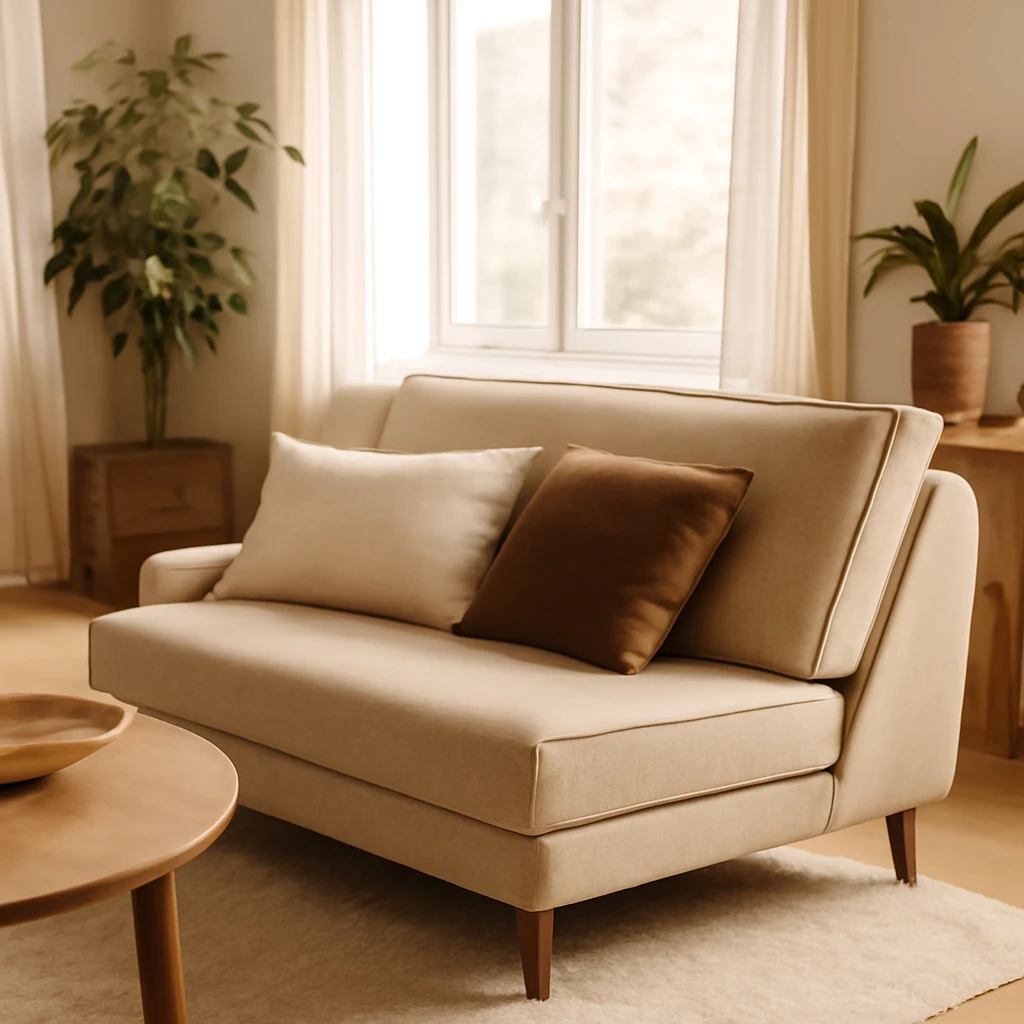
Introduction: the book-style sofa mechanism and its appeal in European homes
In European cities, living space is precious, and furniture that maximises comfort without crowding a room is essential. The book-style sofa mechanism, familiar to many households across the continent, offers a remarkably simple and durable solution for transforming a seating area into a comfortable bed. It is especially popular in studio flats and compact one-bedroom apartments where guests or overnight stays require a practical sleeping option without sacrificing daylight, movement, or storage. This article revisits how the book mechanism works, what to look for when selecting a sofa with this feature, and how to care for it so that it remains reliable for many years.
How the "book" mechanism works
The name describes the action: two equal sofa sections that hinge together like the pages of a book. When folded, the pieces form a compact seating surface, when opened, they create a flat sleeping area. The simplicity of the design is its greatest strength: few moving parts and straightforward operation. Here is a typical sequence to convert a book-style sofa into a bed:
- With the sofa in its closed, upright position, lift the front portion of the seat until it stands vertically.
- Push the seat forward away from you until it clicks into place and locks.
- Let the backrest hinge forward, becoming level with the seat to form a continuous surface.
- Lower the seat gently to create a flat, comfortable sleeping area of the appropriate width and length.
The process usually takes only a few seconds and requires minimal physical effort, making it practical for everyday use in busy households. The exact dimensions of the sleeping surface depend on the sofa’s size, but the aim is a smooth, even plane suitable for a good night’s sleep without the need to rearrange the room.
Advantages and disadvantages of the book mechanism
Pros
- Simple, intuitive operation that most users can master quickly, including children under supervision.
- Compact in its folded state, making it well suited to small living spaces where every square centimetre matters.
- Fewer moving parts generally translates to robust durability and lower maintenance compared with more complex systems.
- Often includes a useful under-seat storage drawer, which is valuable in European flats where wardrobe space is at a premium.
- Typically more affordable than sofa-beds with more elaborate mechanisms.
Disadvantages
- Requires space in front of the sofa for unfolding, it cannot be placed immediately against a wall if the backrest needs to swing forward fully.
- Backrests rarely offer adjustable angles like some newer mechanisms, so comfort may depend on the cushion configuration and seating depth.
- Even with careful design, the sofa’s weight distribution must be balanced, an uneven load towards one side can cause instability when transforming.
- Sleeping surface can be narrower or shorter than some other mechanisms, which may matter for taller users or guests staying longer.
- A visible gap between the back and seat can affect comfort for couples, a topper or additional cushioning may be needed for two people sharing the bed, depending on sofa design.
Topper considerations for book-style sofas
For sleepers seeking extra comfort, a dedicated mattress topper can tailor the sleeping surface to individual needs. Typical topper options are available in common European bed sizes, with thicknesses ranging from 2 to 6 cm. When choosing a topper, consider compatibility with the sofa frame, the potential for sliding, and whether the topper adds too much height to the sleeping surface. For smaller rooms, consider thinner toppers that still provide even support without overloading the visual profile of the sofa.
Differences between the book mechanism and other sofa mechanisms
Book mechanism vs eurobook (euroknizhka)
The eurobook variant incorporates an extended seating area that slides out or unfolds in a way that typically keeps the sofa closer to the wall. The sleeping surface is often larger because the seat itself retracts or shifts forward, reducing the need to pull the sofa away from the wall. A common drawback is that wheels or glides under the seats can scuff flooring on soft coverings, and on plush carpets the rolling action may feel less smooth. For rooms where wall space is at a premium, eurobook designs can offer practical advantages, but they may require more care with surface materials to prevent marks on delicate floor coverings.
Book mechanism vs accordion (oris-fold) sofa
An accordion-style sofa expands by drawing out the entire surface, similar to an accordion. The sleeping area can be substantially larger, and some models allow very close placement to walls because the surface extends forward rather than needing to hinge from the back. However, the mechanism is more complex, with more joints and potential wear points, which can require more maintenance over time. The moving parts may also present more opportunities for friction or squeaks if not kept clean and lubricated.
Book mechanism vs click-clack (transforming) sofa
Click-clack sofas offer an intermediate option, where the backrest has an additional recline position (beyond the standard upright and flat). The extra setting - often described as a “relax” or semi-recline position - can improve comfort for lounging before bedtime. In many cases, click-clack mechanisms provide a broader range of sleeping configurations and can be easier to transition between modes, though they may involve more components and potential maintenance requirements than a simple book mechanism.
How to choose a sofa with a book mechanism
Frame - a robust backbone
The frame is the foundation of any sofa. For lasting strength, look to a combination of timber and metal. A solid timber frame - often beech or oak - provides stiffness, resilience, and a natural feel. Engineered wood with metal reinforcements can offer similar strength while minimising weight. When assessing a wooden frame, inspect the joints for tight fitting and uniformity, factory-level joints should be burr-free with smooth transitions. Metal frames should be free of sharp edges and exhibit consistent welds and bracing. In a compact European living environment, a light yet strong frame is ideal for ease of handling during furniture repositioning or moving between rooms.
Padding and filling - comfort matters
The sleeping and seating experience hinges on the choice of padding. Common options include foam (high-density polyurethane), spring systems, and latex. Each has its advantages:
- Polyurethane foam offers a balanced blend of support and softness, with varying densities to tailor firmness and durability.
- Spring blocks provide a traditional, resilient feel that many users prefer for a firmer sleeping surface and good airflow.
- Latex is natural and highly breathable, offering excellent durability and body-conforming support. It is often more expensive but valued for longevity and hypoallergenic properties.
Upholstery - wear resistance for daily life
Upholstery choices determine both aesthetics and practicality. Natural fabrics such as cotton and linen have a luxurious feel but can be more demanding to keep clean. Synthetics - microfibre, velvet, and chenille - tend to resist stains and wear more readily, which is a practical advantage for high-traffic living spaces. In public and shared areas, a durable finish that’s easy to spot-clean, such as microfiber or a tightly woven blend, is often the best choice. If you favour natural materials, consider a durable weave and a colour that conceals wear over time, keeping the piece looking fresh for longer.
Armrests - form and function
Armrests influence both the sofa’s silhouette and its usefulness. Options include:
- Hardwood arms that enhance the classic look and serve as a convenient surface for small items.
- Soft, upholstered arms that offer extra comfort for lounging and can double as a backrest when seated sideways.
For small spaces, recessed or slimmer arms can preserve floor area while still providing ergonomic support. Armrest design should align with the room’s style - elegant, restrained lines for a contemporary space or more substantial forms for traditional interiors.
Size, sleeping dimensions and room geometry
When selecting a book-style sofa, consider both seating area and sleeping area. Measure the room to ensure there is enough clearance for unfolding the bed without obstructing pathways or doors. Common widths range from about 140 cm to 210 cm, with sleeping lengths commonly aligning with standard mattress lengths of 180–200 cm. If the space is particularly tight, a narrower variant with a deeper seating depth might offer a comfortable compromise, provided the sleeping surface remains adequate for guests.
Positioning and installation considerations
In European flats, particularly those in central districts or older buildings, access routes (corridors and stairwells) can pose a challenge when delivery or repositioning is required. When choosing a book-style sofa, consider how easy it is to manoeuvre through hallways and into the intended room. Additionally, plan for how far the sofa must be moved from the wall to unfold the bed - this space is essential for a smooth transition between modes without bumping into furniture or walls.
Care and maintenance for a book-style sofa
Regular cleaning and fabric care
Regular maintenance preserves both appearance and function. Vacuum the upholstery weekly using a soft brush attachment to remove dust and debris. Treat spills promptly with appropriate fabric cleaners, following product instructions to avoid staining or fabric damage. For natural fabrics, consider a professional cleaning schedule to retain colour and texture. For synthetic fabrics, a damp cloth or mild foam cleaner is often sufficient for routine care. Avoid harsh solvents that can degrade fibres or affect colour stability.
Movement mechanism upkeep
The book mechanism benefits from periodic checks and light lubrication of moving parts. Use a lubricant approved for furniture hardware and apply sparingly to pivot points and catches. Wipe away any excess to prevent dust accumulation. Regularly test the unfolding action to ensure there is no resistance or grinding, which could indicate worn components or loose hardware that needs tightening.
Inspection and repairs: when to seek professional help
Even well-made sofa mechanisms can require attention. Signs that a service visit may be needed include:
- A creak, squeak, or grind when unfolding or folding - often a sign of dry moving parts or a loose connection.
- Hesitation or stiffness in the unfolding sequence that does not improve with light lubrication.
- Visible wear at joints, rips in upholstery around hinge areas, or any wobble in the frame.
- Looseness in screws or fasteners that cannot be tightened with a standard screwdriver.
If any of these symptoms appear, consult a professional furniture technician who can assess the mechanism, re-tighten or replace worn components, and confirm that the sofa still complies with safety warranties.
Removal and long-term care for European apartments
In multi-room dwellings or rented flats, it may be prudent to disassemble or simplify components for long-term storage during renovations. When disassembling, keep track of small parts and fasteners, store them in labelled containers, and avoid exposing delicate components to moisture or extreme temperatures. Consider periodic reassessment of room layout to ensure the sofa continues to meet evolving space requirements and lifestyle needs.
Putting it all together: guidance for modern European interiors
For contemporary European homes, the book-style sofa remains a dependable choice when space is limited but the need for an overnight bed is constant. Its straightforward operation, modest footprint, and potential for integrated storage align with current interior design priorities: clean lines, flexible layouts, and efficient use of space without sacrificing comfort. When selecting a model, prioritise frame robustness, a sleeping surface that suits typical guests, and a fabric that balances appearance with practical durability. With thoughtful placement and regular maintenance, a book-style sofa can form the centrepiece of a stylish, welcoming living area that comfortably accommodates both daily living and occasional overnight visitors.
Key takeaways
- The book mechanism is renowned for simplicity and reliability, ideal for compact European living spaces.
- Ensure the sofa has a solid frame (wood and/or metal), a comfortable yet durable filling, and a durable upholstery suitable for daily use.
- Consider the space required to unfold the bed and plan placement away from immediate walls to avoid obstruction.
- Regular maintenance - cleaning the fabric and lubricating moving parts - extends the sofa’s life and preserves its smooth operation.
- Compare different mechanisms (book, eurobook, accordion, click-clack) to choose the one that best fits your room layout, usage, and aesthetics.
In summary
The book-style sofa remains a practical, affordable, and stylish option for European homes where space efficiency is a priority. By understanding how the mechanism works, selecting a robust frame and comfortable filling, choosing durable upholstery, and planning for proper placement, you can enjoy a dependable seating-and-sleeping solution that adapts to changing needs and continues to perform year after year.
You may also like these articles
 Small Spaces
Compact Kitchen Design for Small European Homes: Smart Layouts and Storage
Smart strategies to transform tiny European kitchens into functional, stylish spaces.
Tips & How-To
Creating a Cohesive TV Zone for European Living Spaces
A practical guide to shaping stylish, functional TV zones in European homes.
Tips & How-To
30 Smart Storage Solutions for European Kitchens
30 practical ideas to banish kitchen clutter with style.