
Explore interior trends, AI design insights, styling guides and real transformations
Compact Living Masterclass: Zoning, Storage and Style for 30 m² European Flats
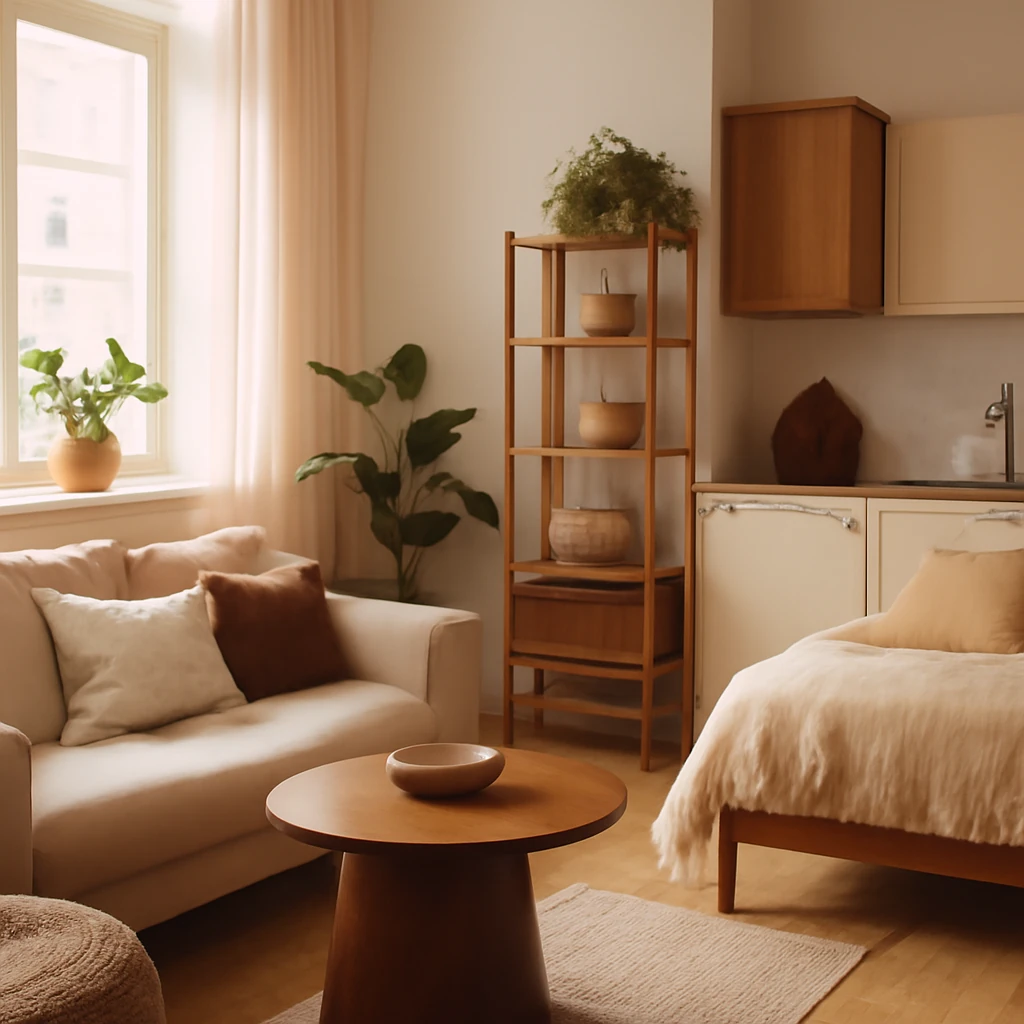
Planning and Zoning
Across Europe, compact flats of around 30 square metres are a common solution for individuals and small households. Whether nestled in a historic city centre or a newly developed neighbourhood, the challenge remains the same: how to fit the essentials and create lasting comfort while maintaining a coherent design. The answer lies in intelligent zoning - carving the space into functional blocks that share a unified aesthetic.
In practice, most 30 m² layouts aim to separate living areas from private zones, such as sleeping or work nooks. In many European cities, the standard apartment type combines a single living room with a kitchen, or a compact kitchen area adjacent to the living zone. Here, zoning can be visual, physical, or a combined approach, depending on the building’s structure and the resident’s needs.
Key zoning techniques include a mix of permanent and flexible strategies. Below are the most effective methods for small flats:
- Partitions. Both fixed and mobile partitions help create stronger space division. Permanent screens or thin walls offer some acoustic separation, while mobile partitions (screens, folding screens, or lightweight modules) provide adaptability when a different plan is desired. Partitions are ideal when a clear, lasting division is required.
- Shelving and glazing dividers. Free-standing shelving units with open shelves act as visual boundaries without fully closing the space. If a more transparent separation is preferred, consider glass or translucent panels that allow light to pass while delineating zones. A green wall or tall plants can also contribute to a semi-transparent division.
- Furniture as a boundary. A strategically placed sofa, sideboard, or wardrobe can become a visual barrier that defines two zones. This approach is particularly effective in studios where the living area and kitchen must coexist without heavy walls.
- Sliding doors and wardrobes. Sliding doors or wardrobe panels can carve out a private area (for example, a small bedroom or dressing nook) while keeping flow intact when not in use. This is a practical choice in European flats where space for swing doors is limited.
- Colour and lighting design. Deliberate colour contrasts and lighting can visually separate zones. One area may be brighter, the other more cocoon-like, textile treatments and curtains can further modulate a space when windows align with multiple zones.
In practice, many residents repurpose unused nooks, corners, or walls to enhance functionality. The goal is to create a cohesive interior where every square metre earns its keep, rather than chasing a single, rigid blueprint.
In European contexts, some older buildings feature walls and openings with irregular angles, columns, or grade-level changes. The most sensible approach is to design around these architectural clues, using them as natural cues for zoned areas rather than fighting them. Where walls are load-bearing, light-filled screens or half-height dividers often deliver the best balance between privacy and openness.
Options for Organising Space
In a one-room apartment, the number of metres is scarce, but there are many clever arrangements that maximise usability. For households with children or guests, two essential ideas recur: compact, multi-functional furniture and thoughtful storage that does not overwhelm the visual calm of the room.
- Lofted or carriage-bed arrangements. A loft bed or bed on a platform is particularly advantageous for families with children or for guests. The space underneath can host a study desk, seating, or a storage wall, freeing precious floor area for daily activities.
- Desk and storage stacks. A dedicated computer desk with abundant shelving above and drawers below keeps the work zone organised without swallowing extra space. Vertical storage makes use of wall height, not floor area.
- Wardrobes, integrated storage and sliding elements. Plan wardrobes with built-in shelves, hanging space, and even a wardrobe mirror to double as a light source and visual enlarger. Sliding doors save precious swing space and help keep the room tidy.
- Wall-mounted shelves and slim storage. Lightweight, modular shelving fixed to the wall free up floor space and create opportunities for display as well as practical storage.
- Wall niche utilisation. A recessed alcove can accommodate a desk, a compact bed, or a cosy reading corner, letting you tailor the space without compromising circulation.
The following sections offer deeper dives into popular layouts and how to execute them well in a European context.
Niche and Alcove
In many European flats, a shallow niche can be leveraged to define a living corner or a compact bedroom without resorting to a full wall. Roughly 30% of 30 m² apartments feature such alcoves, and designers routinely convert them into practical zones - a study desk, a daybed, or a small sleeping nook framed by soft drapery. A niche is particularly valuable for a child’s corner, a small study area, or a private retreat integrated into an open-plan living space.
Practical uses of a niche include:
- Creating a dedicated work corner with a compact desk and storage;
- Arranging a child’s study space with a low desk and shelves;
- Designing a cosy reading nook with a daybed and task lighting.
Even when the niche is small, thoughtful furniture and lighting can transform it into a distinct zone that supports daily routines without breaking the overall flow of the room.
Platform (Raised Floor) Solutions
A platform or dais can visually split a room and create a sense of two zones within a studio or a single-room apartment. By raising a portion of the floor, designers carve out a cooking, sleeping, or lounging area. In some configurations, the platform conceals storage beneath the surface or houses a pull-out bed for visitors, turning the structure into a valuable multi-use feature.
Platform design invites clever storage ideas, such as:
- Pull-out wardrobes or drawers beneath the platform;
- Hidden trundle beds or winch-assisted bed mechanisms for children;
- Integrated seating or shelving that peeks out from the elevated section.
Be mindful of structural considerations: any raised element must be securely supported, with a plan that accounts for load and access to electrical and plumbing services if concealed within the structure. The result, when done well, is a space that feels larger because zones read clearly, while the floor plane remains continuous and legible.
Two-Tiered Constructions
Two-tier beds or other elevated configurations are a time-honoured method in compact interiors. Though once typical in children’s rooms, contemporary European designs increasingly feature robust metal frames and modular lower-area furniture to create an efficient, grown-up aesthetic. A typical two-tier arrangement places a sleeping platform at height with a desk, seating, or storage below, enabling a compact home to host working, studying, and relaxing functions in one room.
When opting for a second level, there are crucial considerations:
- Carry out precise weight calculations and consult a professional for structural support;
- Ensure secure assembly with proper fixings and guard rails for safety;
- Limit the second level to the sleeping area, the lower level remains free for furniture and activities.
While DIY solutions can be tempting, robust, professionally engineered constructions are essential to ensure safety and durability, particularly in rental properties where building enforcement rules apply.
Choosing a Style
Not every resident adheres to a single design creed. Yet, a consistent style usually helps a small home read as a single, calm environment. In compact European flats, designers often favour contemporary interpretations that balance warmth with simplicity. The most practical directions for 30 m² spaces include minimalism, high-tech, loft, and Provençal influences. Mixing two related aesthetics can also deliver a personalised, comfortable result.
Minimalism. This style champions necessity over ornament. Spaces feel calmer when furniture is highly functional, with restrained colour palettes and restrained decorative details. Light walls, pale timbers, and a layered lighting plan work well, with zones defined by soft contrasts rather than heavy partitions.
High-Tech. A seamless blend of technology and minimalist design, where integrated systems take care of comfort and efficiency. Clean lines, concealed storage, and smart lighting create an impression of abundance in a compact space.
Loft. A practical option for an autonomous, urban vibe without a costly renovation. Exposed services, rougher materials, and a deliberate sense of industrial chic can be softened with warm textiles and natural wood. Eco-friendly, upcycled, or pallet-inspired furniture is particularly popular in European loft-inspired interiors.
Provencal. Light, airy colours with weathered wood and soft patinas evoke the south of France. In a modern European flat, Provençal touches can bring warmth and charm without crowding the space, think pale blues, taupes, and sun-washed whites with gently distressed furniture and textile accents.
Don’t feel obliged to cling to a single style. Compositional choices - such as a contemporary base with warm textiles or a touch of rustic wood - can create a cohesive, lived-in look without sacrificing practicality.
Colour Solutions
The choice of colour has a powerful impact on how a space feels. In compact flats, light colours expand the perceptual volume, while purposeful contrasts help define zones without overwhelming the eye. Consider these guidelines:
- Light neutrals for walls and ceilings help reflect daylight and visualise more space. Soft greys, warm beiges, and off-whites create a calm, adaptable backdrop for furniture and textiles.
- Monochrome with accents. A restrained palette with a single colour used as an accent can unify the space while providing focal points, such as cushions, a rug, or a statement chair.
- Bright accents sparingly used in textiles and accessories can elevate the space without dominating it. A single bold colour on a chair or throw can become a design signature.
- Material variety - combine matte paints with natural textures like timber, linen, and wool to add depth without cluttering the room with colour.
White ceilings and light floors create a reflective surface that enhances daylight. If you prefer more warmth, choose warm whites or greys with a natural timber or stone texture to maintain a cosy ambience while keeping the space visually expansive.
Lighting
Lighting is critical in small European homes. Good daylight remains the most powerful tool, so wherever possible, maximise natural light with unobstructed window treatments. For evenings and different activities, a layered lighting plan is essential:
- Integrated lighting in furniture, walls, and ceilings reduces visual clutter compared with freestanding lamps scattered around the room.
- Task lighting by the dining area or work desk supports daily tasks without glare. A couple of well-placed wall or pendant lights often beats a single ceiling lamp for functionality and ambience.
- Ambient lighting from recessed or concealed sources helps create a warm mood without creating strong hotspots.
Strategic lighting also helps to zone areas: a brighter dining area can signal activity, while a softer glow near a seating corner invites relaxation. Ensure switches are intuitive and accessible from multiple zones to avoid crossing the room mid-task.
Furniture Layout
The arrangement of furniture determines both aesthetics and usability. In small flats, two common approaches can be employed: along the perimeter or island-based zones. Both benefit from flexible, compact, and built-in furniture, as well as the use of transforms and foldable pieces.
Perimeter layout places larger elements (sofa, storage, kitchen islands) against the walls, keeping the central area open for circulation. This plan maintains a clear flow, making it easier to reconfigure space as needed.
Island or zoned layouts offer clearly defined areas within an open plan. Each zone is styled to its function - a living area with a plush rug and soft seating, a cooking zone with a slim dining table, and a work zone with a compact desk and shelves. Colour and lighting help reinforce the separation without heavy walls.
In both arrangements, the use of fold-out or extendable furniture is invaluable. Folding dining tables, wall-mounted desks, and sofa beds can convert a space for guests or a different activity without compromising everyday living.
Tips and Life Hacks
Over decades of designing compact living spaces, professionals have developed a toolkit of strategies that transform small flats into functional, comfortable homes. Here are some practical ideas widely used across Europe:
Custom furniture. Measurement-driven, bespoke pieces fit precisely into odd alcoves or narrow corridors. A well-designed corridor cabinet or entryway storage can keep clutter out of living spaces while maximising every centimetre of footprint.
Kitchen bar or compact counter. Replacing a traditional dining table with a kitchen island or slim bar can free floor space and act as a natural room divider for studios. A robust bar works as a social hub and a practical surface for meals or work.
Two-burner cooktops and slim counters. For small households or limited cooking activity, a compact cooking module with a two-burner hob and narrow counter offers efficient operation without dominating the room.
Storage systems. Invest in vertical, modular storage to accommodate multiple users and gear. Venturing into footwear towers, wardrobe modules, and hallway storage keeps the home neat and usable. The right system adapts to a family’s changing needs over time.
Mirror strategy. Large or tall mirrors visually double the space, particularly when placed opposite a window to amplify daylight. Combined with clever storage and lighting, mirrors help to expand the sense of volume.
These techniques work well across European cities where rental markets, historic fabric, and limited space are common realities. A well-planned 30 m² flat can feel spacious, serene, and well-organised rather than cramped and busy.
Practical Examples for European Flats
While the specific layouts vary by city and building stock, several universal patterns recur in European microliving design. Consider these approaches when planning a 30 m² home:
- A studio with a defined sleeping zone created by a low screen or floating bookshelf that acts as a boundary without visually closing the space.
- One-bedroom-style adaption within a compact plan by placing the sleeping area behind a sliding door or a curtain, allowing separate privacy while preserving openness.
- A platform the height of a sofa or chest of drawers to create a mezzanine-like effect that delineates a sleeping area or storage zone below.
- A loft-like bed framed with soft textiles and warm lighting to create a sense of sanctuary while leaving room for a desk or seating beneath.
Maintenance and Practicalities
Small spaces demand ongoing organisation. A design plan that anticipates daily life, seasonal changes, and potential rental updates will remain practical over time. Here are essential considerations:
- Durable, easy-clean materials. In compact living, every surface takes more wear. Choose resilient finishes for floors, countertops, and high-use furniture that can stand up to daily use and frequent cleaning.
- Accessible storage. Ensure storage is reachable from ordinary standing height and not blocked by furniture placements. Pull-out baskets, adjustable shelves, and under-bed drawers help maintain order.
- Ventilation. In smaller flats, good ventilation is vital for comfort and health. Plan for cross-ventilation through operable windows or vents, and consider air-quality strategies for kitchens and sleeping zones.
- Insulation and comfort. If placing walls or partitions over older construction, consult a professional about insulation and sound control. A well-insulated shell keeps energy bills down and space comfortable all year round.
Conclusion: Designing for European 30 m² Living
Designing for a 30 m² flat in Europe is less about squeezing a lot of furniture into a small space and more about thoughtfully organising the footprint to support daily life. Zoning, intelligent storage, and adaptable furniture, combined with a cohesive style and sound lighting, can transform a compact apartment into a serene, functional home. The key is to understand how residents live and to design around those behaviours, not merely to decorate a room. With careful planning, even a single-room dwelling can feel expansive, organised, and distinctly personal.
You may also like these articles
 Small Spaces
Small-space Mastery: European apartments redefined for city living
Ten compact European homes show how small spaces can feel expansive.
Small Spaces
Book-Style Sofa Mechanism: A Practical Guide for European Homes
A practical guide to the book-style sofa mechanism for compact European living.
Home Office
Designing a Calm, Productive Home Office for European Homes
A stylish, ergonomic guide to creating a productive European home office.