
Explore interior trends, AI design insights, styling guides and real transformations
Shoe storage for the European entryway: how to choose, place and style
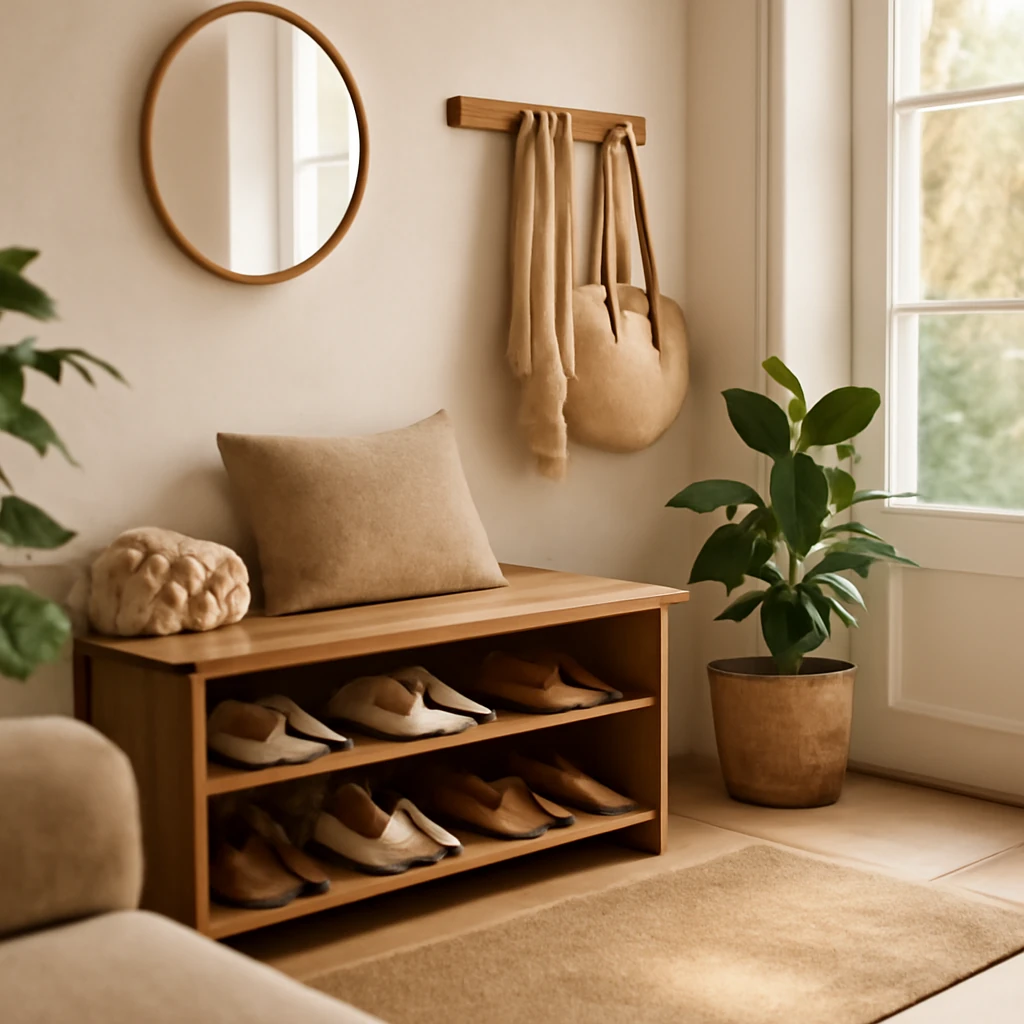
Choosing a shoe storage unit for the entryway
In European homes, the entrance area - whether a compact hallway, a foyer, or a vestibule - functions as the crucial first transition between street and living space. A well‑designed shoe storage solution helps control dirt, keeps garments orderly, and contributes to a calm, inviting first impression. This guide explains how to select and position a shoe storage unit that fits the scale, style and budget of a contemporary European home, from compact city flats to longer corridors in family houses.
Why you need a dedicated shoe storage in the entryway
Organised footwear offers a range of practical and aesthetic benefits:
- Space optimisation. When boots and shoes are stored vertically or in compact drawers, floor space remains clear for a boot bench, small coat rack, or a tasteful console.
- Cleanliness and order. A designated storage zone reduces surface clutter, minimises dirt tracked into living spaces, and simplifies weekly cleaning.
- Quick access and routines. A dedicated system helps every member of the household find and return footwear efficiently, speeding up morning and evening transitions.
- Footwear care. Proper storage protects shape and longevity, especially for boots and heels that benefit from stable supports and dry conditions.
Types of shoe storage for the entryway
There are numerous solutions to suit different spaces, from open displays to concealed cabinets. Here are the most common configurations you’ll encounter.
Open storage
Open shelving, benches with slatted panels, or angled display units are popular for their visual lightness and air circulation. The main advantages include effortless access and immediate visibility of where each pair is stored.
- Ventilation helps keep footwear dry and reduces odours.
- Fast access means you can grab the right pair in a hurry, especially when multiple people share a home.
- Cleanliness relies on regular wiping and cleaning of shoe surfaces.
Disadvantages can include visual busyness if many colours and styles are displayed, and more frequent cleaning to remove street dirt and dust from exposed surfaces.
Closed shoe storage
Closed systems hide footwear behind doors and panels. They come in various formats, such as sideboard‑style consoles, compact cabinets, or tall slim wardrobes. Some are deep enough to accommodate longer boots, with interiors optimised by pull‑out shelves or labelled compartments.
Key considerations include door type (hinged, sliding, or lift‑up), soft‑close mechanisms, and the ability to access items stored at the rear. For deeper consoles, opt for adjustable or removable shelves to improve reach and organisation.
Shoe storage with integrated seating or coat hanging
For modest entry spaces, multifunctional furniture is highly valuable. Many systems combine seating, shoe storage, and a hanging rail within a single unit or across a coordinated set of pieces. A compact bench with storage beneath or a slim console with an attached coat rack can drastically improve comfort during dressing and undressing, while keeping the area tidy.
Integrated systems: two in one or three in one
European design frequently blends functions: a unit may provide shoe storage, coat space, and seating in a unified footprint. These integrated solutions maximise the use of vertical and horizontal space, crucial in narrow hallways or when stairs or doorways constrain room layout.
Materials
The material choice sets the look, durability and price. Consider the overall style of your home, the entrance’s humidity, and how much weight the furniture needs to bear.
Wood
Solid wood offers durability and timeless appeal. Natural veneers or engineered wood with a resistant finish are common for traditional or contemporary interiors that value warmth and tactility. Caution: solid wood can be sensitive to humidity and water, place nearer to the door carefully, and ensure good ventilation or away from direct damp exposure.
Wood finishes suit classic, country, or Scandinavian‑inspired schemes and pair well with natural textures elsewhere in the home.
MDf or particleboard (MDF/DMF) with veneers or laminates
These are the widely used alternatives to solid wood. MDF tends to have better consistency and a smoother surface, while particleboard is generally more budget‑friendly. Both can be finished in a wide range of colours and textures, including woodgrain veneers, matte laminates, or high‑gloss surfaces. For European homes, veneers and certified panels offer a balance of aesthetics, weight, and environmental considerations.
Metal
Metal frames and accents lend an industrial or contemporary edge. Steel or aluminium components offer strength and durability, and can be combined with timber, glass, or powder‑coated finishes. Metal works well in lofts, modernist schemes, or pieces designed to be visually lightweight yet sturdy.
Plastic
High‑quality, moisture‑resistant plastics are often used for modular inserts, inner drawers, or budget‑friendly parts of a system. Plastics are easy to wipe clean and can resist water exposure, but they’re typically less premium in appearance and may not suit formal or traditional interiors.
Choosing the right size for your entryway
European entryways vary from a few metres to just a narrow corridor. The right shoe storage respects both the available footprint and the practical needs of your household. Use these guidelines to determine appropriate dimensions and configurations.
- Measure the entry zone precisely, including clearance for doors or drawers to open fully without obstruction.
- Consider the depth of storage. Narrow, wall‑mounted or slender consoles can be as shallow as 10–12 cm for single‑column solutions, while multi‑tier options generally require 20–30 cm. Deeper units (up to 40 cm) are ideal for boot storage or wide shelves.
- Assess width requirements. In tight hallways, a single‑column or two‑compartment unit can store several pairs without overwhelming the space. In longer corridors, you can opt for longer runs that visually elongate the area if combined with a matching coat rail or seating.
- Think about height. For seated access, aim for a bench height around 45–50 cm. If seating isn’t required, lower consoles around 70–90 cm high can integrate with a wall rail while remaining unobtrusive.
- Plan internal configurations. Adjustable shelves, pull‑out trays, and hinged or swing‑out compartments improve versatility, especially when footwear sizes and types vary between household members.
Where to place shoe storage in the entryway
Placement strategy depends on floor plan, traffic flow, and door configurations. Here are common layouts that work in many European homes.
Beside the door
A shallow console or low‑profile bench placed beside the entry door allows easy access to outerwear and footwear while keeping the doorway clear. For spaces with a wide entry, a gently curved or chamfered edge can create a soft threshold that reduces collision risk with coats and bags.
Along a long wall
In narrow corridors, a slim console or wall‑hung system installed along the longer wall maximises usable area. When possible, store shoes at a slight angle or on tiered shelves to fit more pairs without expanding the footprint. Ensure that any doors or drawers have enough clearance to operate without hitting adjacent walls or furniture.
Mounted on the wall
Wall‑mounted units save floor space and are ideal for very compact vestibules. A wall shelf with vertical dividers or a set of small modular boxes can be highly customisable, while keeping the floor area visibly generous and easy to clean.
Under stairs or in a recess
If your home features a stair‑well void or a shallow recess, these often overlooked spaces can be converted into practical shoe storage niches. Custom pull‑out drawers or shallow bins can be integrated into the stair’s footprint, creating a seamless and functional solution without compromising circulation.
How to style and integrate the shoe storage into your interior
A shoe storage unit can be a quiet helper or a design feature. The next steps help you harmonise the piece with your broader interiors.
Two primary approaches prevail:
- Subtle integration: choose neutral tones and clean lines that closely match wall colours or adjacent cabinetry. A discreet, monochrome finish helps the unit dissolve into the space, which is especially beneficial in small halls or minimalist schemes.
- Accent piece: use a bold colour, interesting texture, or a distinctive finish to make the item a focal point. If you select a statement piece, coordinate with a couple of accessories in similar hues or shapes to create a cohesive look.
In both cases, consider the surrounding materials: if you have timber floors, pair a wooden finish with light floor tones to maintain balance. In a cooler palette with concrete floors, a warm timber or a coloured finish can add needed warmth and tactility. Lighting also plays a crucial role - a small wall light or integrated LED strip can highlight the storage while aiding visibility in low‑light corridors.
Practical planning: a step‑by‑step approach
To convert an idea into a well‑performing installation, follow this practical sequence:
- Audit your belongings: assess the typical number and types of footwear to determine how many compartments you need and whether you require space for larger sizes, boots, or seasonal items.
- Map the space: measure length, width, door swing clearance, and any obstructions (radiators, sockets, skirting boards). Draw a simple diagram with scale to test different configurations.
- Decide on function: prioritise open shelving for easy access, or closed units for a neater appearance. Consider an integrated bench for convenience during footwear changes.
- Choose the material and finish: align with the rest of the home’s palette and your maintenance preferences. For busy households, consider a robust finish with easy‑to‑clean surfaces.
- Plan hardware and ergonomics: soft‑close drawers, integrated handles, and adjustable shelves add to daily comfort and longevity.
- Incorporate lighting: ensure adequate illumination. A discreet LED strip or a compact wall light helps when locating items in dim corridors.
- Install with care: when mounting on the wall or along a wall, ensure systems are level and securely anchored to avoid damage or tipping, especially in homes with children or pets.
Maintenance and care
Like any furniture, shoe storage benefits from regular upkeep. Consider these simple practices to prolong appearance and function:
- Wipe surfaces with a soft, damp cloth and use a mild cleaner suitable for the finish. Avoid harsh solvents that could damage veneers or laminates.
- Dust shelves and dividers weekly to prevent dirt transfer to footwear and to maintain a tidy appearance.
- Allow footwear to dry thoroughly before returning to storage, particularly after wet walks or snowy days.
- Inspect hardware periodically - soft‑close hinges, drawer runners, and wall fixings - and tighten or replace as needed.
Budgeting and procurement tips
Prices for entryway shoe storage vary widely depending on size, material, and construction quality. Here are practical considerations to help plan within a European budget:
- Set a clear budget range before shopping to prevent scope creep with features that aren’t essential.
- Prioritise solid construction over lavish finishes in high‑traffic areas, a sturdy frame with reliable hardware reduces long‑term costs.
- Consider modular or customisable systems. Modular components enable you to adapt the configuration as needs change without replacing the entire unit.
- Look for certified panels and low‑emission finishes if sustainability is important in your home.
Case scenarios: applying the guidance to common European layouts
For a compact city flat with a narrow hallway, a wall‑mounted or slim console with a few pull‑out drawers can provide shoe storage without encroaching on passage. A small bench with integrated drawers adds seating and storage in one footprint, while a coat rail above completes the function without clutter.
In a longer corridor, a low, continuous storage run along one side paired with a matching coat rail or a floating shelf creates a cohesive and organised rhythm. If the space allows, finishing the run with a tall, slim cabinet can store seasonal items or less frequently worn footwear behind doors, keeping the daily area uncluttered.
In homes with under‑stair space, custom or modular solutions can exploit every centimetre. Shallow pull‑out trays and compact bins optimise the geometry of the recess, creating a practical hub for shoes and boots without blocking the traffic flow.
Design ethics: sustainability and longevity
European homeowners increasingly value furniture that balances beauty with responsible production. When selecting shoe storage, consider:
- Manufacturing standards and materials with low emissions or certified wood sources.
- Durability and repairability. A modular or repairable system is more sustainable than a disposable one.
- Finish and maintenance requirements. Choosing surfaces that resist scuffs and moisture reduces the need for frequent refinishing.
Conclusion: the right shoe storage elevates the entryway
A well‑chosen shoe storage unit does more than hide footwear, it defines the entry’s flow, enhances daily routines, and contributes to the overall tone of your home. By balancing function, materials, and placement with your space and lifestyle, you can create an organised, inviting and stylish threshold between outdoor life and home comfort. Whether you favour a discreet, understated cabinet or a bold, colour‑blocked statement piece, the right solution will harmonise with your interior while solving a perennial storage challenge.
You may also like these articles
 Small Spaces
Compact Kitchen Design for Small European Homes: Smart Layouts and Storage
Smart strategies to transform tiny European kitchens into functional, stylish spaces.
Renovation
Understanding pre-finish in European homes: a practical guide to white box stages
A practical European guide to pre-finish apartments and the white box stage.
Interior Design
Designing a Modern European Home: From Planning to Personal Style
A practical guide to crafting functional, stylish European interiors.