
Explore interior trends, AI design insights, styling guides and real transformations
Compact Kitchen Design for Small European Homes: Smart Layouts and Storage
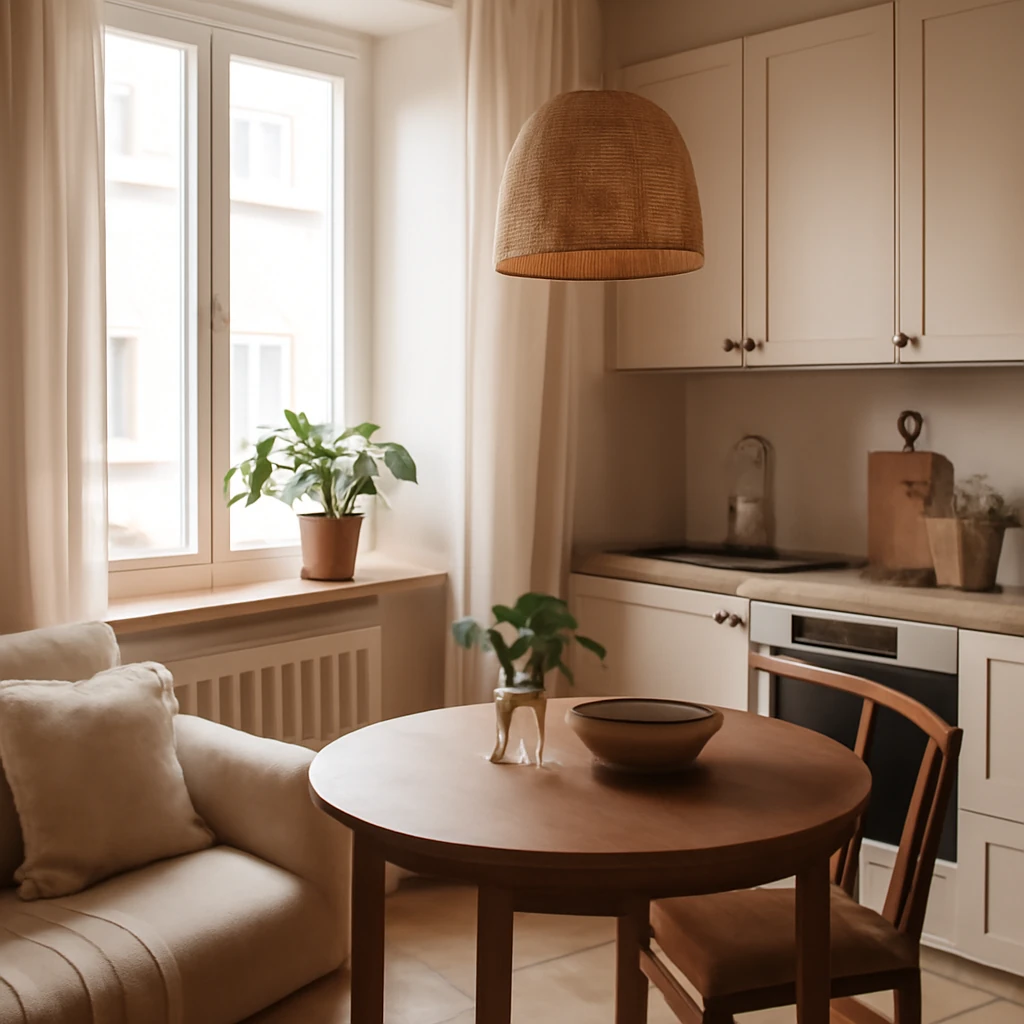
Compact kitchen design in Europe: lessons for tiny spaces
Across European homes, kitchens compact in footprint are more common than we realise. The challenge is not merely to fit appliances and a work surface into a tight rectangle, but to create a space that functions intuitively, feels comfortable, and still exudes style. With careful planning of layout, a considered colour palette and clever storage, a kitchen of 4–5 square metres can perform like a much larger room. In this guide we unpack practical strategies for designing small European kitchens, drawing on real-world approaches that work across different housing types - from modern apartment builds to traditional flats with open-plan living areas.
Approaches to small-kitchen design
There is no single “right” look for a compact kitchen. The goal is to select a strategy that aligns with the overall home, maximises light, and supports everyday life. Below are four broadly applicable styles that frequently translate well to European living spaces:
Scandinavian (Scandi)
Scandi design remains the most reliable ally for small kitchens. Its DNA is a light, tactile, clutter-free environment that prioritises function. In European homes, where utility and calm are valued, Scandi interiors often feel more spacious even when square footage is modest.
- Light colour palette: predominantly white walls and ceilings to reflect daylight and unify the space.
- Natural timber: warm wood tones on cabinetry or open shelving create texture without heaviness.
- Simple forms: clean lines, unadorned fronts, and understated hardware keep the look cohesive.
- Minimal decoration: restrained ornament, with a few well-chosen natural accessories such as ceramic wares, wooden boards or fresh herbs.
- Practical materials: durable laminates and veneers that mimic natural materials while being easy to clean.
In practice, a Scandi kitchen for a small European flat might feature white cabinetry with pale wood countertops, a compact dining solution, and open shelving to display essentials while keeping surfaces clear.
Modern / Contemporary
Modern kitchen design embraces minimalism and clarity. It is less about a single dogma and more about coherent rules: form follows function, with generous light and restrained decorative elements. In small spaces, contemporary design often uses integrated appliances, concealed storage and high-gloss or matte finishes to reflect light and reduce visual clutter.
- Straightforward forms and clean lines.
- Natural, muted hues that are easy to live with.
- Minimal hardware and seamless cabinetry for a streamlined appearance.
- Integrated appliances to maintain a unified silhouette.
- Bright lighting and an open feel, aided by reflective surfaces or glass for a sense of airiness.
European small-space kitchens in this vein work well with soft whites or warm greys, complemented by a feature of natural stone or timber for texture.
Eco / Sustainable design
Eco-conscious design has moved beyond a trend to become a practical framework for small spaces. The emphasis is on materials, durability and responsible sourcing, plus efficient layouts that reduce waste and maximise storage. In a compact kitchen, the ecological project often translates to choosing durable, easy-to-clean materials, sustainable timbers or high-quality composites, and long-lasting appliances with good energy efficiency.
- Natural materials where possible (stone, timber, ceramic) or high-quality sustainable equivalents (MDF with natural veneer, solid surface).
- Biophilic touches: a small herb garden on the sill or a tray of potted plants to bring colour and airiness.
- Efficient appliances and systems that minimise energy usage and water consumption.
- Palette based on neutrals with earthy undertones to create a calm, grounded atmosphere.
In European homes, eco-minded designs can be particularly persuasive when paired with compact, modular storage that keeps clutter out of sight and out of mind.
Neo-classical adaptations
Full-blown neoclassical styling tends to overwhelm small rooms due to its ornamental detailing and substantial furniture. However, a modernised neo-classical approach can borrow traditional cues - symmetry, proportion, and refined materials - without overpowering a compact kitchen. Think streamlined cabinetry with a touch of moulding detail, restrained decorative lighting, and a colour palette that blends warm neutrals with softer metallic accents.
- Symmetry suggested through cabinetry layout or a balanced arrangement of appliances.
- Selective use of decorative motifs on cabinet panels or subtle brass or brushed metal accents.
- Quality materials that read as timeless rather than fussy.
In practice, a small neo-classical-inspired kitchen might pair pale cabinetry with a marble-look worktop and minimal, crafted hardware to keep the space refined rather than busy.
Layout options for small kitchens
Layout choice is the single most influential decision for a small kitchen. The aim is to create efficient work zones while preserving a sense of openness. Here are three layouts commonly perfected for compact spaces:
L-shaped (corner configuration)
The L-shaped layout makes excellent use of corner space and is especially well-suited to tight footprints. It creates two perpendicular work zones, allowing for a natural workflow and leaving the opposite wall free for a dining area or bar seating. A well-planned L-shape supports the classic kitchen work triangle: fridge, sink and hob arranged for convenient access without crossing paths excessively.
Practical tips for L-shaped kitchens:
- Place the fridge near the entry to reduce traffic through the cooking zone.
- Keep the opposite wall clear for a compact dining table or a breakfast bar if space permits.
- Maximise corner storage with corner carousels or deep drawers to eliminate dead space.
U-shaped (three-wall) layouts
U-shaped kitchens engage three walls, offering substantial storage and work surface. In smaller homes, a full U can be challenging, but a compact variant, with lower upper cabinets and a peninsula or bar area, can function effectively. The essential consideration is to ensure there is a clear passage width and comfortable knee room for seated dining if a peninsula is used.
- Position the sink by a window if possible to gain natural light during washing up.
- Consider lowering upper units to maximise headroom and keep the space visually lighter.
- If the space is combined with a living area, use a slim peninsula to separate zones without creating a visual bulk.
Linear (one-wall) layouts
A straight, single-wall kitchen is the most space-efficient solution for narrow rooms or studios where the kitchen is part of an open-plan living area. While storage is inherently more restricted, clever design - such as tall units, narrow depth appliances, and integrated solutions - can compensate. Linear layouts work particularly well in European urban flats where space is precious and the living zone needs to visually breathe.
- Choose compact appliances and a shallow depth for cabinets to preserve walkway width.
- Conceal clutter with tall pantry cabinets and pull-out organisers.
- Use a lighter colour on the cabinetry and a continuous worktop to create a seamless, extended line.
Furniture, appliances and workflow
With only a few square metres at hand, every item must earn its keep. The art of small-kitchen design lies in prioritising the essentials while offering enough surface area to prepare meals, wash up and, if possible, socialise. Here are guiding principles to help you balance function and style:
- Define the core needs: one oven, a cooktop, a sink and a cooling unit are the baseline. Decide if a full-size oven is essential, or if a compact oven and a microwave will suffice.
- Prioritise built-in and multifunctional appliances. A combination oven/microwave, a compact dishwasher and an all-in-one unit can save space and reduce visual clutter.
- Consider a countertop that doubles as a surface for small appliances when not in use, then hides them away behind integrated panelling.
- Maximise vertical space with tall cabinets reaching to the ceiling, this not only increases storage but can visually elongate the room.
- Incorporate a peninsula or narrow island only if the room allows safe movement and a seated edge does not intrude on circulation.
In European homes, the integration of kitchen and living zones is common. When a kitchen opens onto a living area, consider design solutions that create visual continuity - such as matching cabinets with living-area colour schemes, or employing a kitchen island that doubles as a dining surface while maintaining an airy feel.
Colour and materials for small kitchens
The colour strategy you choose can dramatically influence how spacious a kitchen feels. Here is how to make the most of colour and materials in compact spaces:
Light palettes
Light colours are the oldest trick in the book for enlarging a space. White remains a timeless backbone for a small kitchen, but cream, dove grey and pale neutrals can be just as effective. A consistent light wash across walls, ceilings and cabinetry helps the room breathe. The key is avoiding heavy colour on more than one surface, which can visually shrink the area.
- Use white or pale cabinetry and a slightly warmer worktop to prevent the space from feeling cold or clinical.
- Choose a light, durable flooring option with a subtle grain to extend the look of the room.
- Opt for minimalistic, unobtrusive hardware to maintain clean lines.
Dark accents and controlled contrast
Dark hues can be used effectively in small kitchens if applied judiciously. Pairing deep tones with light surroundings creates a striking yet balanced look, while avoiding an overwhelming enclosure.
- Dark lower cabinets with a lighter upper cabinet line can ground the space without weighing it down.
- Consider a dark worktop or a bold splashback to introduce depth while keeping the rest understated.
- Matte finishes tend to minimise fingerprints and glare, preserving the room’s calm ambience.
Vibrant accents in balanced doses
Sprinkle bright colours thoughtfully to inject personality without overpowering the room. For small kitchens, saturated hues work best as accent points rather than full-room coverage.
- Introduce colour through a small selection of accessories, textiles, or a punchy kettle or toaster that can be stowed away when not in use.
- Soft pastel tones on a single cabinet or tile pattern can feel fresh without creating visual noise.
- Pair any vibrant element with neutral surroundings to maintain harmony and readability of the space.
Storage strategies for tight rooms
Storage is the make-or-break factor in compact kitchens. When every square centimetre counts, smart solutions are essential. Here are practical ideas that work well in European layouts:
- Maximise vertical surfaces with wall-mounted shelving, rails and hooks for frequently used items. This frees up countertops and keeps essentials within easy reach.
- Leverage corners with specialised corner units or carousel drawers to access hard-to-reach spaces without compromising depth.
- Utilise upper cabinets right up to the ceiling to capture precious storage and avoid wasted space above.
- Install a two-tier or pull-out pantry in narrow depth cabinetry to house dry goods, spices and small items neatly.
- Consider integrated storage under the breakfast bar or island, with drawers configured for cutlery, lids, pans and small gadgets.
- Incorporate concealed storage for small appliances, such as a pull-out appliance cabinet or a dedicated cupboard with a lift system to store devices when not in use.
- Use a compact vertical laundry solution if space allows, freeing a separate room from utilitarian duties.
Practical planning checklist for small European kitchens
- Assess the space: measure length, width, height, doorways, and any obstructions. Note natural light sources and traffic patterns.
- Define the core tasks: decide which appliances are essential and which can be compact or multifunctional.
- Choose a layout that optimises workflow while preserving circulation space. Consider L-shaped, U-shaped or linear configurations based on room shape.
- Plan for storage: tall units, deep drawers, corner solutions and overhead cabinets to use every vertical inch.
- Consolidate surfaces: select a single finish for worktops and cabinet fronts where possible to create a seamless, spacious feel.
- Select lighting layers: task lighting for work surfaces, ambient lighting to enhance mood, and accent lighting for architectural features.
- Test your colour strategy: start with a light base and introduce accents through finishes, textiles and decorative accessories.
- Think about ventilation and moisture control: ensure there is adequate extraction and sealing for any open-plan space.
- Plan integration with adjacent living zones: use consistent materials and colours to maintain continuity and unity.
- Prepare for maintenance: choose durable materials with easy cleaning properties for daily use.
Real-world considerations for European homes
European interiors vary widely - from compact city-centre flats to new-builds with generous kitchen islands. Regardless of the scenario, the principles of good small-space design hold true. In dense urban layouts, open-plan living has become common, so a kitchen that visually recedes when not in use can help preserve the sense of airiness in the living area. Conversely, in traditional flats where walls may be load-bearing, you may rely more on clever cabinetry and colour to expand the perceived size of the room.
Consider environmental factors such as daylight, which greatly influences how colour and materials read. In darker rooms, lean on reflective surfaces and lighter tones, in brighter spaces, you can afford to introduce richer textures or more saturated accents without diminishing brightness.
Materials, durability and maintenance
Small kitchens experience high wear and tear: frequent cleaning, splashes and temperature fluctuations are part of daily life. Choose materials that are robust, easy to maintain and repair, and that age gracefully. Typical European choices include:
- Laminate or composite worktops that mimic natural stone or timber while resisting stains and heat.
- Melamine or high-pressure laminate cabinet fronts for a durable, wipe-clean surface.
- Porcelain or ceramic tile splashbacks with repair-friendly grout lines.
- Hard-wearing flooring such as engineered wood, large-format porcelain or luxury vinyl tiles that withstand moisture and traffic.
Finishes should be chosen with cleaning in mind: matte or satin surfaces tend to hide fingerprints and smudges better than high-gloss finishes in everyday use.
Lighting and atmosphere
Lighting design is particularly critical in small kitchens. Layered lighting - ambient, task and accent - ensures the space remains functional and welcoming at all times. In compact rooms, consider:
- Undercabinet lighting to illuminate work surfaces without creating visual clutter.
- Recessed ceiling lights or slim linear fixtures to maximise headroom and provide uniform illumination.
- Warm-to-neutral colour temperatures (about 2700–3500K) to create a cosy, inviting ambience.
- Mirrors or reflective surfaces strategically placed to bounce light and visually enlarge the space.
Concluding thoughts
Designing a small kitchen in Europe requires a careful balance of practicality, comfort and personality. The most successful spaces emerge when layout, colour and storage are aligned with how the room will be used every day. Whether you lean towards a bright Scandi aesthetic, a restrained contemporary look or a refined neo-classical influence, the secret is restraint: less is more, and every centimetre should earn its keep. With thoughtful planning and a few well-chosen details, a 4–5 m² kitchen can feel as generous as any larger room, while maintaining its own distinct character within the home.
Further reading and planning resources
When you embark on a small-kitchen project, consult with qualified kitchen designers or interior architects to adapt these principles to your building’s specific constraints, such as structural walls, plumbing, and ventilation. A tailored plan, drawn to scale, will help you visualise the space and refine material choices before committing to purchases. Remember to prioritise durability, ease of maintenance and timeless appeal to ensure your compact European kitchen remains functional and elegantly understated for years to come.
You may also like these articles
 Tips & How-To
Restoring Classic Furniture in Europe: A Practical Guide
Revive timeless furniture with practical European techniques.
Tips & How-To
Digital room planning: four online tools for European homes
Four top online planners to map, visualise and refine your European home renovation.
Renovation
Creating a European Winter Garden: Design, Materials and Practical Ideas
Year-round winter garden ideas for European homes.