
Explore interior trends, AI design insights, styling guides and real transformations
Designing a Modern European Home: From Planning to Personal Style
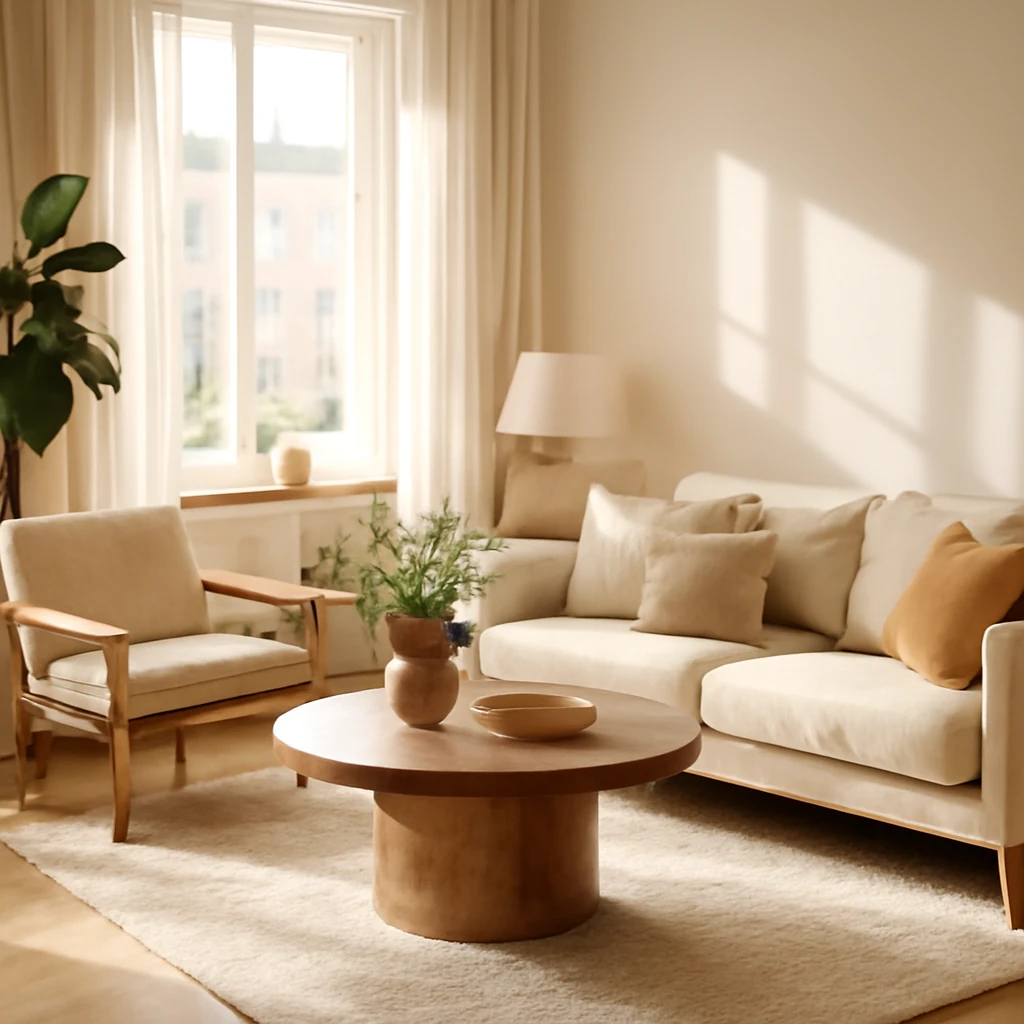
Planning a contemporary European interior
Renovating a home offers a unique opportunity to balance ergonomic efficiency with visual appeal. Across Europe, a well-designed interior blends flexible layouts, robust materials, and carefully chosen finishes to create spaces that feel both calm and purposeful. The following guide walks you through a comprehensive approach to designing a modern apartment from scratch, with practical strategies you can apply whether you live in a compact city flat or a generous family dwelling.
Main steps to design a space
Before embarking on a renovation, it pays to map out how you will live in the space. The design process can be broken into a clear sequence of decisions that keep projects coherent, on schedule, and within budget.
- Define how the space will be used. In most homes, rooms perform more than one function. A living room may double as a study or dining area, a bedroom might include a small workspace or storage zone. Clarifying these roles early informs the layout and furniture selection.
- Develop a layout plan and zones. Consider how best to divide the space into functional areas. In European homes, extending the useful area can be achieved by integrating a balcony, adding a mezzanine, or creating a raised platform to differentiate zones without walls.
- Choose a unifying style. Projects typically benefit from a single overarching mood, especially in smaller homes. Classic or ornate styles suit large, high-ceilinged spaces, contemporary and minimalist approaches often work best in modest footprints where every item must earn its place.
- Decide on colour and materials. The palette should reflect the room’s function and the occupants’ lifestyle. Consider light levels, ceiling height, and natural materials to create a harmonious atmosphere that also stands up to daily use.
- Compile a furniture and equipment list. For smaller spaces, prioritise essential pieces and multi-functional items. The goal is to strike a balance between comfort, storage, and visual clarity.
European case studies: open-plan living across cities
Across Europe, case studies reveal how thoughtful zoning and restrained styling can transform open-plan spaces. The following summaries illustrate approaches to planning, proportion, and material choices in different urban contexts, without relying on a single dominant aesthetic.
- Case study 1 demonstrates how a 159 sqm apartment in a major European city integrates a generous kitchen-dining-living zone with built-in storage and a light-toned palette that enhances daylight. The design team emphasised flexibility, using modular furniture and scalable storage to accommodate changing needs over time.
- Case study 2 explores a compact 40 sqm city apartment where a micro-kitchen and compact dining area are crafted from modular units. The emphasis is on efficiency, with carefully planned circulation and a neutral base that accommodates occasional decorative accents.
- Case study 3 tackles a 70 sqm multi-room layout, illustrating how distinct yet interconnected zones can be created through furniture arrangements, colour differentiation, and textural contrasts, rather than walls.
D i n i n g a k i t c h e n
The kitchen design responds to both inhabitants’ routines and the building’s infrastructure. While it is technically possible to relocate sinks or ovens, such changes add complexity and cost. A practical approach keeps major services in place and optimises the work triangle for efficient movement between sink, fridge and hob.
What you need
Consider how long the household spends in the kitchen. A large family that cooks daily requires substantial storage, ample preparation surfaces, and a proper dining zone. A single person who relies on takeaway or delivery can manage with a compact line of cabinets and a modest cooking area. In hotel-style studios, compact kitchens are common and designed for ease of maintenance rather than gourmand entertaining.
Micro-kitchens are common in compact city flats and serviced apartments where guests may not expect full-scale cooking.
- Scenario 1 outlines a kitchen-dining area in a 24.2 sqm apartment with a carefully planned plan that maximises storage and circulation. The design team focused on proportion, functional zones, and durable finishes.
- Scenario 2 presents a 25 sqm kitchen-zone within a compact apartment-hotel, where modular units and hidden appliances create a streamlined look while preserving practicality.
Which zones are needed?
In most layouts, zones for cooking and dining are essential. If space is extremely tight, the dining area may be relocated to the living room. A well-executed workflow triangle - sink, cooling, cooking - helps cut down on transit time and keeps food preparation efficient.
Next, allocate space for the major appliances and storage: waste disposal, dishwasher, ventilation hood, and provisions for tableware. A coherent arrangement supports daily routines and makes cooking a pleasure rather than a chore.
A well-planned kitchen remains legible and efficient even as other living zones evolve around it.
Styling the kitchen
Kitchen styling typically mirrors adjacent spaces: while kitchens can be more minimalist, the presence of work surfaces and storage tends to define the overall aesthetic. Historic or traditional styles are possible, but they require careful adaptation to modern use and hygiene expectations.
Even in compact layouts, thoughtful detailing - linear lighting, tidy edges, and concealed storage - creates a sense of calm and order.
Colours and materials
Durability matters in kitchens: moisture resistance, stain resistance, and ease of cleaning are important. Select non-porous materials for splash zones, and use durable laminates or porcelain for surfaces. Where moisture is a factor, consider tile or solid-surface materials for backsplashes and worktops.
Practical splashbacks in neutral tones are versatile and easy to maintain, while warm wood accents add texture without compromising hygiene.
Furniture and layout
In smaller kitchens, opt for a compact, ergonomic footprint: a rounded dining table or a narrow breakfast bar can free floor space. Consider multi-purpose pieces, such as seating with integrated storage or a pull-out work surface, to maintain functionality without crowding the room.
In larger kitchens, a single island can anchor the space, providing both task surface and a casual dining zone. The island can be custom-fitted with integrated appliances, shelving, or a wine-storage niche to support daily life and socialising.
Designing the living room
The living room is often the most multifunctional room in European homes: a place to relax, work, entertain, and sometimes dine. When paired with a kitchen, it becomes the centre of daily life, and the layout must support a natural flow between activities.
What you need
Define how you spend time here. If you entertain regularly, you’ll want a large, comfortable sofa, a suitable dining area for guests, and a clear layout for movement. If you entertain mainly at small gatherings, a more intimate seating arrangement around a coffee table can support conversation.
Avoid treating the space as a line of function only, group furniture into intimate zones to create a sense of reciprocity and warmth. Don’t be tempted to reserve zones for the “future” - practical, well-used spaces are ultimately more satisfying.
In many living rooms, a compact work corner and storage solutions are integrated to keep the space organised.
Zones
Identify several zones within the living room: a seating cluster for relaxation, a media/viewing area, a workspace if needed, and a display wall for books or art. In larger rooms, avoid lining furniture strictly against the walls, instead, form rounded or semi-enclosed arrangements to create intimate conversations and a sense of movement.
Strategic zoning helps spaces feel larger by creating comfortable, distinct areas without visual clutter.
- Scenario 1 showcases a 76.1 sqm open-plan living area where a sofa, a lounge chair, and a compact dining table form a cohesive rhythm. The design team emphasised a mix of textiles and wood tones to unify the space.
- Scenario 2 describes a 39 sqm open-plan living-kitchen in a city apartment, where a modular sofa and slim coffee table nurture an uncluttered, flexible layout.
- Scenario 3 highlights a 40.6 sqm open-plan with a comfortable sofa and a sofa-bed option, illustrating how to balance daily life with occasional guests.
Colour and materials
In the living room, almost any palette can work, but it’s wise to identify focal points - perhaps a wall, a fireplace, or a large art piece - and design around them. A calm, versatile base with periodic accents in brighter colours or richer textures helps the room evolve with the occupants’ tastes.
- Case note describes a 79 sqm living area in which a charcoal sofa, a warm-wood coffee table, and a light rug create a welcoming, balanced composition. The team used repeated echoes of colour across cushions, throws, and accessories to knit the room together.
- Case note outlines a 48 sqm living room where a single colour family drives the scheme, with bold accents in cushions and a statement chair to prevent monotony.
Furniture and rhythm
When selecting furniture, aim for rhythm - repeat certain colours and forms across different pieces. This helps the eye travel around the room and makes the interior feel coherent even as it accommodates different activities.
In one project, a single chair, a coffee table, and a console repeated in different finishes created a cohesive, legible rhythm throughout the living area.
The bedroom design
A bedroom should feel restful and functional. The major challenge is placing large furniture - typically a bed and a wardrobe - without compromising flow or daylight.
What you need
Aside from a comfortable bed, ensure there is storage that keeps clothes and personal items tidy. Personal preferences vary: some people prioritise blackout conditions and quiet, while others value connectivity to an integrated bathroom or dressing area. A well-planned bedroom should support sleep while offering convenient secondary zones for storage, dressing, or light grooming.
Many projects incorporate a small vanity or desk, but only if it serves a clear purpose and fits the room’s proportions.
Zones
When combining sleeping with a work area or dressing zone, design so the bed remains visually separate from the desk or workspace. Position the headboard away from doorways where possible to reduce distractions and improve relaxation. A dedicated dressing area - either a wardrobe with organised interiors or a separate compact unit - helps maintain calm in the sleep zone.
In contemporary layouts, planners sometimes place a window-facing bed to maximise daylight, then separate the desk using a bookshelf or screen.
Styling the bedroom
Bedrooms lend themselves to restrained, soothing aesthetics. Soft textures, low-contrast palettes, and tactile finishes such as linen, wool, and timber can create an enveloping sense of comfort. However, bold accents or metallic textures can also energise a room if balanced with quieter surroundings.
Both muted and vibrant approaches can work in bedrooms, depending on personal taste and the overall home mood.
- Case study features a 45 sqm bedroom with a modular wardrobe, a warm-toned bed frame, and textiles that layer colour without overpowering the space.
- Case study presents a 53 sqm primary bedroom with a restrained palette and a statement headboard that anchors the scheme.
- Case study shows a 39 sqm secondary bedroom with a compact desk and storage integrated into a walk-in wardrobe area.
Colour and materials
In bedrooms, muted tones - creamy whites, soft greys, and gentle taupe - are commonly chosen to promote rest. Texture is essential: consider a mix of fabrics and rugs to add depth. However, you can introduce brighter accents if you prefer a more energised mood, so long as they do not overwhelm the space.
Textiles are a quick, cost-effective way to shift mood without major renovations.
Furniture
Furniture in the bedroom should reinforce calm and order. Repetition of lines and finishes helps the room feel cohesive. Like other rooms, beds and storage units should be chosen for longevity, adjustability, and ease of use as life evolves - particularly in families where children may share or occupy the space over time.
Designing the children’s room
The children’s room evolves with age, so planning for flexibility and safety is essential. Electrical outlets, lighting, and storage should be planned with future needs in mind as children grow.
What you need
Child-focused spaces require different zones for sleeping, study, play, and storage. As children grow, furniture should adapt: beds that convert to larger sizes, desks that extend, and wardrobes with adjustable interiors. Storage should be accessible to children to foster independence and organisation.
A thoughtful children’s room is designed to grow with the child, minimising the need for frequent remodelling.
Zones
Design zones according to age: play and exploration near the floor for toddlers, study and creativity areas for school-age children. Each zone should be easily reconfigurable as needs change, with safe socket placements and high-quality, non-toxic finishes.
Well-planned zonal layouts support development, focus, and play in equal measure.
Styling the children’s room
Styles can range widely, from gentle pastels to bold, playful palettes. Most designers favour child-friendly patterns, durable fabrics, and easy-to-clean surfaces. The goal is a space that feels inviting and stimulating while remaining adaptable as tastes and requirements evolve.
- Case study describes a 62 sqm children’s room with durable storage solutions, a growing bed, and a playful but cohesive palette.
- Case study presents a 56 sqm children’s room where a writable wall and adaptable desks encourage creativity and study as the child grows.
Colour and materials
Durability and safety are paramount. Opt for finishes that are easy to wipe and resistant to marks. Wood, cork, and textile blends provide warmth, while low-VOC paints and fabrics support healthy indoor air quality.
The choice of materials should balance longevity with the child’s comfort and the home’s overall mood.
Furniture
furniture should be capable of evolving with the child: adjustable desks, rising beds, and roomy, organised storage help reduce the need for frequent replacements. Practical, modular setups support independence and learning as children move through different life stages.
Designing the home office
A dedicated workspace has become a mainstream requirement for many homes. Whether a discrete room, a nook in a bedroom, or a compact zone within a living area, a home office should feel calm, organised and efficient.
What you need
First determine the format: a private little room with a closed background for video calls, or a workstation integrated into a larger living space. Consider acoustics, lighting, and storage for documents and equipment. A pleasant backdrop and comfortable chair are essential for effective work and well-being.
Homes that support both concentration and collaboration often feature multiple work areas or flexible screens to maintain privacy when needed.
- Scenario 1 shows a compact kitchen-dining-living arrangement with a dedicated desk area, designed for virtual meetings and paperwork.
- Scenario 2 describes a bedroom-office combo with sound-absorbing panels and a small library corner for focused reading.
- Scenario 3 presents a 30 sqm city-lodge with a compact home studio, including a sofa for informal collaboration and a wall-mounted monitor setup.
Zones
Home offices can be part of a larger room or housed in a separate area. The goal is to offer storage for books and documents, a relaxation or reading corner, and a dedicated space to work without constant interruptions. A flexible layout accommodates a changeable routine and evolving needs.
Effective workspaces balance function with comfort and privacy.
Styling the office
Light, bright environments with minimal visual clutter are conducive to productivity. Styles range from Scandi-inspired minimalism to refined classic or industrial loft aesthetics. The key is to harmonise the office with the rest of the home so it feels like an intentional part of the whole rather than an afterthought.
- Case study presents a 120 sqm living-work suite in which the office zone is integrated with light timber furniture, soft textiles, and a calm colour palette.
- Case study features a 165 sqm city apartment with a dedicated professional workspace that uses natural materials and generous lighting to reduce fatigue.
- Case study documents a 67 sqm contemporary apartment with a compact but efficient desk area and interesting architectural lighting.
Colour and materials
For home offices, subdued tones help concentration, while natural wood or warm textiles add comfort. If you require periodic creativity or ideation sessions, a few brighter accents can stimulate energy without overwhelming the room.
Material choices should support long hours of use, easy cleaning, and durability.
Furniture
Office furniture should be ergonomic, adjustable, and compact where possible. A desk and storage system should align with your workflow, with room for technology, papers, and reference materials. In smaller spaces, consider wall-mounted storage or a fold-away desk to maintain flexibility.
Open spaces and how to zone them
Open-plan spaces - combining living, dining, and kitchen areas - are popular in European homes for their light-filled, sociable atmospheres. The challenge is to define distinct zones without creating barriers that disrupt flow.
What you need
Ask whether you truly want a single, undivided room or a slightly separated but visually connected space. If you opt for openness, plan zones with careful attention to traffic patterns and lighting levels, ensuring each area fulfils a clear purpose.
Open layouts can be visually unified through colour, texture, and furniture rhythm rather than walls.
Zones
Zone the space using soft boundaries: a change of floor finish, a rug under a seating area, or a row of pendant lights over a dining zone can visually separate areas while preserving openness. Visual connections - shared materials or a consistent colour palette - help the spaces feel cohesive.
Examples show how a kitchen-dining-living arrangement can read as three connected zones with a unified design language.
Styling the open-plan
Open plans often embrace eclectic or mixed styles that reflect contemporary living. A balanced approach blends modern, boho, Scandinavian, and industrial notes to create a layered, lived-in look. The objective is to maintain a sense of movement and flexibility across zones.
Rather than a single, dominant style, an open-plan aesthetic relies on a shared rhythm - repeating shapes, colours, and textures across zones.
Colour and materials
When spaces are visually connected, it is essential to keep the palette coherent. Use a restrained base of neutrals and introduce accents through textiles, furniture, or artwork. The flooring can provide continuity, while colour accents help define each zone without breaking the flow.
- Case study demonstrates a 44 sqm open-plan living space where the kitchen edge is delineated by a brighter tile and a rug anchors the seating area, maintaining a harmonious feel.
- Case study describes a 49 sqm open-plan where deep, saturated upholstery is echoed in cushions and drapery, tying dining and living zones together.
Furniture for open spaces
In open plans, consider multifunctional furniture and modular pieces that can be rearranged for entertaining or daily life. Sofas with chaise longues, extendable dining tables, and seating that doubles as storage can help maintain flexibility while preserving a calm, uncluttered environment.
Dressing the bathroom
The bathroom must balance aesthetics with practicality. In homes with one or more bathrooms, layout depends on whether you prefer baths or showers, as well as the available space for storage and heating water.
What you need
Decide how you will use the space: a bath for relaxation, a shower for quick daily routines, or a combination. If the family includes children or elderly residents, a shower may offer safer, daily usability, while a bath section can remain a focal point for calmer moments. It’s also important to plan for water heating, ventilation, and space for towels and toiletries.
Two bathrooms in a larger home can be designed with a shared line for plumbing and separate zones for bathing and grooming.
Zones
Typical bathroom zoning includes washing area (sink and mirror), bathing or shower, and storage for toiletries. The layout will depend on the room’s dimensions, the position of plumbing, and the need for higher or lower cabinets. In smaller spaces, a compact shower enclosure may be more practical than a bathtub, while larger bathrooms can accommodate both.
Efficient zoning ensures convenient routines and keeps the space orderly.
- Case study presents a compact bathroom with a walk-in shower, optimised storage, and clever shelving for daily essentials.
- Case study outlines a larger family bathroom with a double vanity and smart lighting to support grooming tasks.
- Case study features a generous master bath with a freestanding tub and a separate wet area, balancing luxury with practicality.
Colour and materials
Bold tiles and expressive grout can be on trend in contemporary bathrooms, while overall surfaces benefit from moisture-resistant finishes. Contemporary decorative plaster or textured panels offer a modern alternative to traditional tile while maintaining water resistance in damp zones. In less exposed areas, walls may be painted with high-quality water-resistant paint.
Materials that resist humidity and are easy to clean are fundamental considerations in bathroom design.
Furniture
Lighting is crucial in bathrooms: add layered lighting for tasks and ambient glow. Storage should be discreet and well organised to keep surfaces clear. A well-considered furniture plan keeps towels, cosmetics, and daily items tidy and accessible.
Designing the hallway and entry
The entrance is the personality of a home and a practical clutter zone. Hallways are frequently narrow and high-traffic spaces, so durability and organised storage are essential.
What you need
Functionality is paramount. A coat hanger, a small bench or seat, and a compact storage solution for outerwear, shoes, and cleaning products can transform a utilitarian corridor into a welcoming transition space.
Entryways benefit from practical seating and well-considered storage to create a calm first impression.
- Case study outlines a mid-sized hallway with integrated seating, wall hooks at accessible heights, and a compact wardrobe for seasonal gear.
- Case study presents a narrow entry with slim cabinetry and a bench that doubles as a shoe storage area.
- Case study describes a green-energy apartment’s entry featuring durable flooring and a dry, wipe-clean wall finish for easy maintenance.
Styling the hallway
The entry zone can be calmer or more vibrant depending on the building’s character and occupants’ tastes. Even small hallways benefit from a carefully chosen colour palette, lighting, and reflective surfaces that brighten the space. Durable materials and practical textures help maintain a smart, long-lasting look.
Accent through colour or a statement rug can animate a corridor without overwhelming adjacent spaces.
Colour and materials
Choose finishes that withstand daily wear. Durable flooring, wipe-clean walls, and robust hardware ensure longevity. Colours can range from neutral bases to bolder trims, depending on the desired mood and the light available in the entrance.
- Case study features a hallway finished in a resilient tile with a subtle pattern to hide wear while maintaining a refined aesthetic.
- Case study shows a light corridor with a soft-colour wall and a slim console for keys and mail.
- Case study documents an entry with a timber bench and integrated storage that maximises small-space efficiency.
Furniture
In minimal entryways, keep furniture to a practical minimum: a bench, a compact wardrobe, and a slim console. For larger entries, a built-in wardrobe and a small seating area can welcome guests while providing ample storage for outerwear and accessories.
Tips for expanding space and luminosity
Even well-proportioned rooms can feel cramped. The following techniques help expand space visually and functionally without structural changes.
- Embrace a light colour palette. Lighter walls, ceilings, and floors reflect more daylight and help rooms feel more expansive. Use colour accents sparingly to maintain a calm, cohesive mood.
- Utilise mirrors and reflective surfaces. Strategically placed mirrors and glass elements amplify light and create the illusion of depth. Position mirrors opposite windows or adjacent to light sources to maximise effect.
- Integrate built-in storage. Floor-to-ceiling wardrobes, under-bed drawers, and raised platforms with integrated drawers make efficient use of vertical space and reduce clutter.
- Choose transparent or slender furniture. Tables and chairs with glass or clear plastic elements, or slender-legged pieces, maintain a sense of openness and airiness in the room.
- Case study demonstrates how a 68 sqm living area in a European city uses a light palette and reflective surfaces to create the impression of airiness, with modular seating and concealed storage that keeps the space uncluttered.
- Case study shows a 21 sqm micro-apartment employing transparent furniture and a restrained palette to avoid visual crowding while maintaining practicality.
Closing thoughts
Across Europe, successful interior design starts with purposeful planning and ends with spaces that feel both serene and adaptable. By defining how each room will be used, creating thoughtful layouts, choosing a unifying style, selecting durable materials, and building in flexible storage, you can craft a home that remains comfortable and compelling as life evolves. The result is not merely a stylish backdrop but an environment that supports daily life, work, and play - effortlessly.
You may also like these articles
 Interior Design
Country House Interiors: Ten Styles and Practical Ideas Across Europe
Inspiring ideas to shape a cosy, durable European country home.
Lighting
Lighting the Living Room: Zoning, Layers and European Style
Master living room lighting with eight zoning scenarios and four lighting layers.
Interior Design
Industrial style interiors in Europe: brick, steel and warmth for every home
Practical guide to industrial style for European homes, from materials to lighting.