
Explore interior trends, AI design insights, styling guides and real transformations
Daybeds for Small Spaces: A European Guide to Comfort and Style
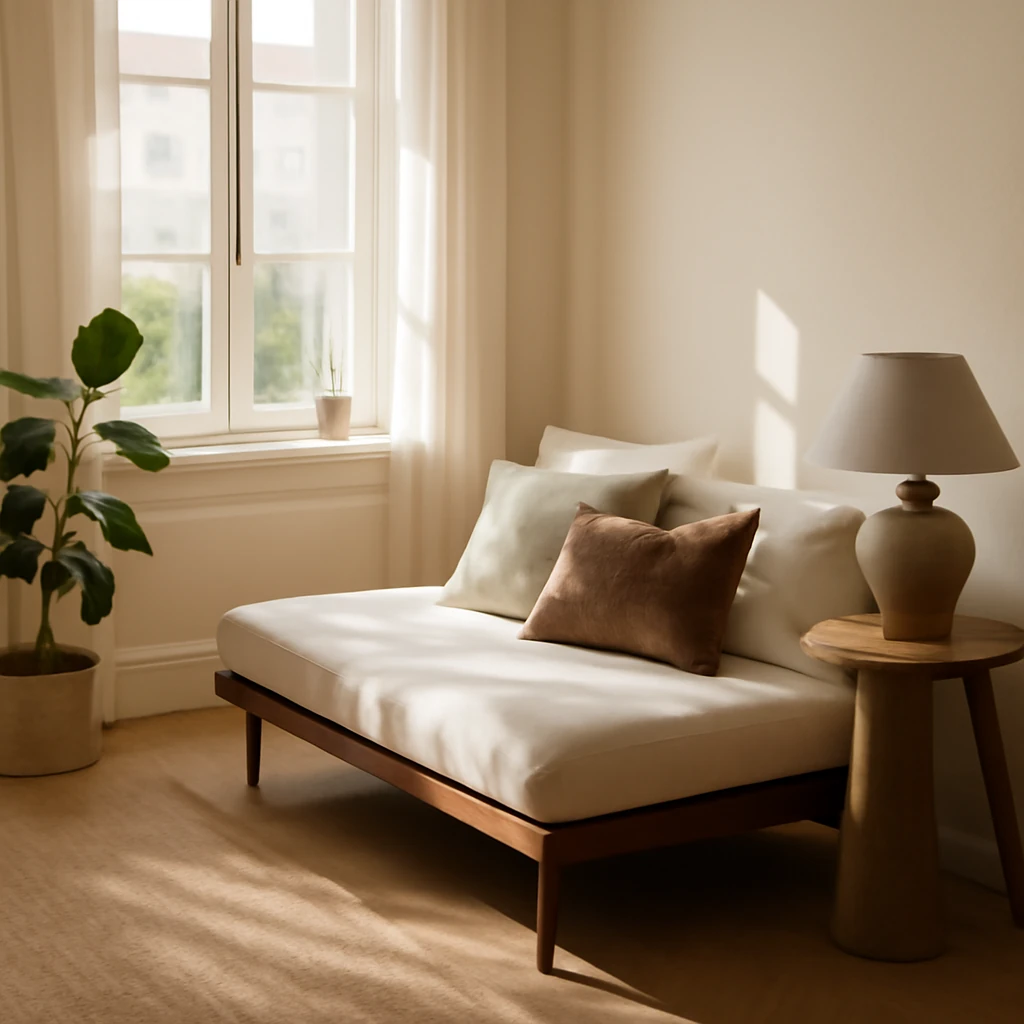
Daybeds in European interiors: a flexible, space-saving staple
Daybeds are compact seating units designed for one person, occupying that useful middle ground between a bench, a chaise longue and a sofa. In European homes they are valued for their versatility: by day they provide comfortable seating, and by night they form a sleeping surface without the footprint of a full-size sofa bed. This article explores what a daybed is today, the varieties available across Europe, how to choose and place one, and how to style it to fit a range of interiors.
A brief history
Daybeds have a long design lineage, tracing back to ancient and classical settings before evolving through the Renaissance and into modern European living spaces. They began as seating that could be transformed into a bed, offering a compact solution for guests and everyday lounging. While the shapes and mechanisms have evolved, the core idea remains unchanged: a multi-use surface that adapts to varying space constraints and lifestyles.
What a daybed is today
Today’s daybeds come in a wide variety of forms. Some have arms or a back, others are pared back with a minimal profile. Dimensions range to suit different functions - some are designed for lounging, others to sleep, and many incorporate storage or a sleeper mechanism. A well-chosen daybed can anchor a room’s layout, define zones within an open-plan plan, and accommodate guests without sacrificing floor area.
Types of daybeds
Consider the following common variants, each with a distinct purpose:
- Classic daybeds with arms and/or backs in a range of shapes and sizes.
- Storage daybeds featuring integrated drawers or shelves for linens, cushions or household bits and bobs.
- Convertible daybeds that transform into a proper bed for overnight guests.
- Specialist daybeds with massage or wellness features, more often found in spa or clinical settings but sometimes available for domestic use.
Size and colour
There are no universal standard dimensions, length and width depend on the intended use and design. Daybeds intended for lounging typically measure about 150–170 cm long, while those designed to sleep can reach up to 200 cm. Width usually falls between 60 and 90 cm. Colour palettes range from neutral whites, greys and beiges to bold accents such as deep blues or earthy reds, allowing daybeds to harmonise with most schemes. Contemporary fabrics - bouclé, velvet, performance textiles - offer tactile variety and resilience for European homes with active living.
Accessories
Decorative cushions, bolsters, removable covers and throws help to anchor the daybed within the room and reflect seasonal mood or personal style. Accessories can be purchased as part of a collection or added later to refresh an interior without replacing the core piece.
Daybeds with sleeping functionality
A daybed that can double as a bed is particularly suited to compact homes or homes that occasionally host guests. It combines the social comfort of a sofa with the sleeping convenience of a bed, often without requiring a dedicated guest room.
Pros and cons
+ Space efficiency and flexibility.
+ Multifunctionality suitable for living rooms, bedrooms and loft-style spaces.
+ Integrated storage options help keep a room uncluttered.
+ Aesthetically adaptable to many design languages.
− Aesthetics and comfort can vary with mechanisms, some configurations may feel less plush for regular night-time use.
− Not every daybed’s sleeper surface is equally comfortable for long-term sleeping, prioritise a model with robust support if regular use as a bed is planned.
Where appropriate, a daybed designed for sleeping can be configured as a single or double bed, making it convenient for guests or family living in a compact footprint. In European ranges, you’ll often find a variety of sleeper mechanisms to suit different room layouts and lived-in realities.
Mechanisms
Daybeds employ several well-established transformation mechanisms. Here are the most common, with practical notes on suitability and use:
- Roll-out or drawer-style systems: the sleeping surface slides out from beneath the seating area, often revealing a deeper bed beneath. This is a practical option for children’s rooms or multi-use living spaces.
- Pull-out systems: the bed frame or mattress pulls out or unfolds to create a larger sleeping surface. Frequently used where space is at a premium but a larger night-time surface is needed.
- Click-clack or sofa-bed back: the backrest folds or tilts to create a more reclined lounging position, while the seat can be extended into a sleeping surface in some configurations.
- Hybrid or custom mechanisms: some European designs combine elements of the above, offering smooth operation and specific ergonomics tailored to smaller rooms or particular usage patterns.
When choosing a daybed with a sleeping function, assess how easy the mechanism is to operate and how comfortable the resulting surface will be for regular use. If hosting guests is a frequent occurrence, look for a robust, well-supported sleeping platform and consider a mattress with good density and appropriate tension.
Where to place a daybed
In the living room - as a sofa replacement
In compact living rooms a daybed can substitute a conventional sofa, freeing space for circulation and movement. In larger living rooms, a daybed can function as a lounge area within a loose seating arrangement, offering a quieter corner for reading or contemplation while remaining sociable.
In the bedroom - for daytime rest
A daybed near a window or at the foot of the bed creates a welcoming corner for reading, knitting or spa-like rituals. At night, the space can still function as a sleeping area if the design supports a comfortable overnight surface. This arrangement is particularly effective in master suites and guest rooms where flexibility is valued.
In the kitchen or open-plan spaces - for storage and seating
In contemporary European homes, open-plan living often blends kitchen, dining and living zones. A daybed with integrated storage can provide a casual seating area for meals or conversation while housing linens, cookbooks or dining accoutrements nearby.
In the hallway or entrance - seating and ease
A compact daybed near the entry acts as a convenient spot to sit while putting on or removing shoes, or to stage a bag or parcels. When paired with a slim back or low arms, it can sit gracefully within a corridor alongside slim storage units.
In a children’s room - a play and sleep area
In children’s spaces, daybeds support imaginative play, quiet time and sleep. Soft, child-friendly upholstery reduces injury risk during play, while modular configurations can adapt to growing needs as children develop.
Daybeds in different styles
Daybeds come in a spectrum of aesthetics to suit diverse interiors. Think of these five approaches when planning your purchase:
- Classic: refined forms with decorative detailing that nod to traditional furniture.
- Scandinavian: light, neutral palettes, restrained lines and natural materials for a calm, airy vibe.
- High-tech: sleek, futuristic silhouettes with metal accents and precision engineering.
- Minimalist: clean lines and unadorned surfaces with a focus on function.
- Loft: robust materials, such as leather or dark metals, with an urban, industrial edge.
Materials for daybeds
Frame - sturdy and enduring
The frame is typically made from solid timber for durability, with interior elements employing engineered woods such as fibreboard or medium-density fibreboard (MDF). Some frames use metal alloys or steel for a more contemporary, industrial look. Decorative metal accents or sculptural legs are common in modern European designs.
Padding - comfortable and supportive
Daybeds designed for lounging use foams and, in some cases, a pocket-sprung base to restore shape quickly and provide comfortable seating. For sleeping surfaces, a pocket-sprung core or high-density foam generally offers better support and longevity. The choice depends on how the daybed will be used, if the piece will double as a bed, prioritise a supportive foundation and an even sleeping surface.
Upholstery - practical and tactile
The fabric choice is influenced by location and use:
- In kitchens or hallways select durable fabrics with stain resistance or easy-clean surfaces, such as performance textiles or faux leather.
- For sleeping areas, choose non-slip fabrics that help keep bedding in place, options include dense weaves, chenille or velvet blends.
- For bedrooms and dressing rooms, consider tactile textiles like bouclé or faux fur for added comfort and warmth.
In a contemporary European living room, a daybed with a calm textile palette can anchor the space and harmonise with a room’s overall colour scheme. Regular vacuuming with a soft attachment and periodic professional cleaning will extend upholstery life.
Care and maintenance
To maximise longevity, follow manufacturer recommendations for cleaning and maintenance. Regular rotation of cushions and covers helps maintain even wear. For removable covers, follow the care label, for non-removable fabrics, use fabric-safe cleaners and avoid harsh solvents that could degrade colour or texture. If the frame is timber, protect against humidity and temperature fluctuations to prevent warping or joints loosening over time.
Practical guidance: selecting a daybed for your space
- Assess how the daybed will be used: seating only, sleeping, or both. This informs mechanism choice and mattress type.
- Measure available floor area precisely, accounting for clearance for unfolding mechanisms and for someone to move around the bed when in use.
- Consider the room’s natural light, traffic flow and existing furniture. A daybed with a slender profile can help preserve openness in small rooms.
- Prioritise a robust frame and a comfortable sleeping surface if the unit will regularly be used as a bed. Look for a well-supported base and a mattress with adequate density.
- Evaluate upholstery quality and maintenance needs. In high-traffic zones, opt for washable or easily cleanable fabrics.
- Choose a colour and texture that complements the room’s palette and adds to the space’s mood rather than overpowering it.
In practice
- Daybeds offer a versatile solution for compact dwellings where space is at a premium, delivering seating by day and a bed by night without dedicating a separate guest room.
- Modern daybeds come in a broad range of shapes, sizes and finishes, so it is usually possible to find a model that aligns with both the space and the style of a European home.
- Manufacturers frequently include thoughtful details - removable covers, integrated storage, or concealed compartments - to enhance comfort and organisation. These features help the piece integrate with existing interiors.
- Material quality matters: prioritise a sturdy frame and a durable, easy-to-maintain upholstery when selecting a daybed intended for regular use as a bed. If sleeping on the daybed is planned, opt for a foundation and mattress that support proper spinal alignment.
Overall, a daybed is a highly adaptable solution for European homes, offering practical flexibility across a range of room sizes and configurations. It supports comfortable lounging during the day and restful nights when required, while injecting character and versatility into a living space.
You may also like these articles
 Outdoor & Terrace

Five DIY Large Outdoor Christmas Ornaments for European Spaces
Five step-by-step outdoor Christmas decor projects for European spaces.
Outdoor & Terrace
Eight budget garden ideas to elevate a European holiday home
Eight budget ideas to elevate a European countryside garden with clever, stylish touches.
Tips & How-To
Curtains as Wardrobe Doors: A Modern European Approach to Space Saving
How curtains replace wardrobe doors to save space and add character.