
Explore interior trends, AI design insights, styling guides and real transformations
How to merge living room and bedroom in a single space: tips
Introduction: why combine a living room and a bedroom in European homes
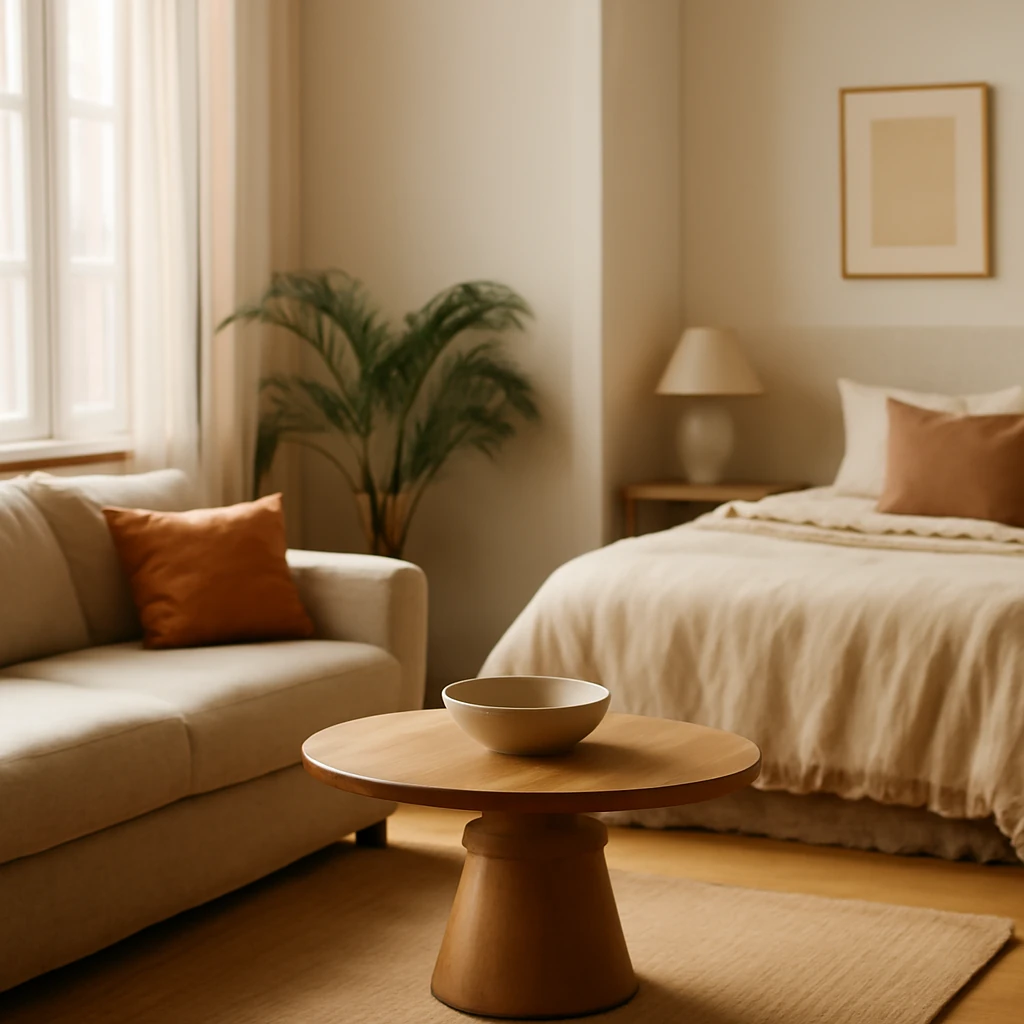
Across Europe, urban living often means compact, highly utilitarian homes. A well designed, single space that serves as both living room and bedroom is not a compromise but a thoughtful response to density, climate and lifestyle. The aim is to create a space that feels generous in daylight and air, functions seamlessly by day and yet remains restful at night. This article offers a comprehensive roadmap for planning, zoning, materials and furnishings that make a combined living and sleeping area feel coherent, calm and stylish.
From modern city apartments to renovated period flats, the principles remain constant: define the primary function, translate that function into a clear layout, and choose finishes and furniture that speak the same design language throughout. The result is a space that supports sociability, work, relaxation and sleep without shouting its multiple roles.
Benefits and challenges of a shared living–sleeping space
- Healthy, dedicated sleep area. A proper bed with a supportive mattress is essential for restorative sleep. Even the best sofa bed cannot fully substitute a bed for long-term rest. In compact homes, carving out a sleeping zone within the living area ensures healthful sleep without sacrificing living space during the day.
- Perceived and actual space expansion. A thoughtful separation creates two distinct zones while preserving an open plan feel. When executed well, the room appears larger because each zone has its own focal point and rhythm.
- Psychological balance and connection. For families or households that value togetherness, a shared space can support interaction while still allowing private downtime if zones are clearly defined.
Drawbacks and how to mitigate them
- Loss of private sanctuary. The bedroom is inherently intimate, without careful separation, it can feel exposed. Use partial screens, curtains or low partitions to preserve privacy without choking daylight.
- Guest access and evenings. Guests in the living area can disturb someone resting. Ensure the sleeping zone has a visual barrier or a closing option, even if it remains open physically.
- Noise and rhythm conflicts. Different daily rhythms can clash. Plan for a quiet corner near the window and designate a dedicated work or relaxation station away from the bed area when possible.
- Work boundaries. If a work zone sits within the same space, it should be clearly separable. A simple partition or a clever arrangement that keeps desk activities visually out of the sleeping area helps preserve sleep quality.
Rules of zoning for a harmonious combined space
- Make one function the lead. The overall layout should reflect the primary use at any given time. If rest is a priority, design around a comfortable bed wall and a welcoming seating area, if sociability dominates, ensure the seating arrangement remains inviting and unobstructed.
- Maintain a single design language. Even when zones are differentiated, there should be a common vocabulary - same materials, similar tones, repeated shapes or textures - to unify the space.
- Avoid the sleeping zone becoming a corridor. Place the bed and its privacy screen in a position that does not create awkward sightlines or frequent interruptions for people moving through the room.
- Prioritise daylight and views. Wherever possible, position the sleeping area near a window to maximise natural light while using soft, light fabrics to preserve a spacious atmosphere.
Layout options and partitions
Different strategies suit different budgets and structural realities. The most effective solutions support two things: a pleasant, calm sleeping area and a welcoming living zone without visual noise.
Partitions, screens, shelves and curtains
Once the major zone is identified, select a partition that suits the room size. In spaces larger than roughly 20 m², relying solely on colour will seldom create a convincing division. Several approaches work well:
- Wood or plasterboard partitions with shelving. A partial wall or screen that extends to the ceiling can carve out the sleeping zone while providing storage or display space for personal items and textiles.
- Niches or half-height dividers. Narrow partitions equal in length to the bed create two distinct zones while preserving light and sightlines, particularly if positioned at the room’s end.
- Glass partitions. Clear or frosted glass preserves daylight and a sense of openness, preventing the space from feeling boxed in.
- Textile dividers. Lightweight curtains or screens allow rapid reconfiguration and soft texture without heavy massing.
- Wardrobe enclosures as dividers. A tall wardrobe or sliding doors can naturally separate zones while providing ample storage and concealing the sleeping area when required.
Connecting with a balcony or conservatory
In many European cities, extending the living area by merging with a balcony or conservatory can dramatically increase usable space. If the balcony is well insulated, heated and included within the planning regulations, it can function as an extension of the living area or, in some layouts, even house a small desk or dressing area. When extending, carry the same colour palette and flooring across the transition to create a seamless flow and avoid the balcony abruptly interrupting the room’s rhythm. If the balcony is unheated or seasonal, treat it as a flexible space to be enjoyed during milder months rather than a year-round room.
Before proceeding with any integration, consult the local planning authority and a licensed contractor to ensure compliance with building regulations and load-bearing considerations. The goal is a unified space that looks intentional rather than an add-on.
Colour and finishes
Colour is the most powerful tool for tying zones together. Designers often use wallpapers or wall coverings with slightly different textures to distinguish zones while keeping them visually connected. A common approach is to render the living area in a lighter shade while the sleeping zone adopts a slightly deeper or warmer tone. This creates a natural hierarchy and helps the eye recognise separate zones without heavy separation.
Texture and material choice reinforce the separation without creating a harsh divide. For example, a soft velvet or wool headboard with a matte paint behind it can establish a restful focal point, while the lounge wall uses a smooth plaster or plaster-on-wall finish that reflects light differently.
Ceiling treatments and decorative lighting can further define each zone. Subtle variations in ceiling depth, combined with integrated lighting, can delineate the lounge from the sleep area without visually overpowering the space.
Flooring and walls
A continuous floor across both zones typically makes a compact space feel larger. If differentiation is desired, consider subtle transitions rather than bold contrasts. Options include a slightly different texture or direction of laying boards in each zone while keeping the colour palette cohesive. In a smaller footprint, run a light timber or stone-look flooring through both zones and reserve colour variation for textiles and furnishings.
Wall treatments should remain cohesive. The bed wall can be accentuated, but avoid busy patterns that compete with nearby seating or the living area’s focal points. A calm, tactile wall behind the bed, such as a fabric panel or soft textured wallpaper, can provide warmth and comfort without overwhelming the space.
Ceiling design
Ceiling treatment is a practical way to separate zones without building new walls. Consider these approaches:
- Two-level ceilings with integrated lighting to frame the lounge and sleep areas;
- Exposed timber beams or decorative lattice suitable for contemporary, Scandinavian or rustic interiors;
- Uniform ceiling finishes that visually unify the zones while using lighting to carve out each area;
- Soft textile panels or acoustic baffles to reduce echo and create a calmer atmosphere.
Small rooms benefit from a consistent ceiling finish to maintain openness and airiness across both zones.
Furniture for a living room that also functions as a bedroom
In compact spaces, every furniture choice must earn its keep. Design with proportion, ergonomics and multi-functionality in mind. A practical and balanced set typically includes:
- A compact sofa that doubles as seating by day and a comfortable lounging or sleeping area by night, consider a sofa with a hidden bed mechanism or a fold-out solution;
- A bed tailored to the room size and orientation, ideally with under-bed storage or a hidden lift system to maximise floor space;
- One or two comfortable chairs for reading or socialising;
- A small coffee table or occasional table that can be cleared away when needed;
- Storage such as wardrobes, shelving and sideboards that offer closed storage to reduce visual clutter, built-in units reaching the ceiling are particularly effective in small homes.
Transformable and multifunctional furniture
European markets increasingly offer furniture that adapts to changing needs. A sofa bed or a daybed can transform into a proper bed at night. In loftier apartments with higher ceilings, a bed can be stored within a mezzanine or above a sofa arrangement to free floor space during the day. Modular systems allow you to compose a unit that integrates wardrobes, drawers and lighting for a seamless appearance.
Customised solutions such as wall beds with integrated shelving or bed‑desks can be engineered to fit specific room dimensions. While these require planning and, often, specialist manufacture, they yield substantial floor area without sacrificing comfort.
Storage strategies
Smart storage is essential to keep a dual‑function space calm and usable. Prioritise vertical storage that maximises height - tall wardrobes, wall cabinets, and high shelving help to keep the floor clear. Hidden storage under beds, ottomans and coffee tables also contributes to keeping the living area tidy. When possible, design storage to blend with the architecture so that it reads as part of the space rather than a separate element.
Lighting and atmosphere in a combined space
Lighting defines zones as much as furniture. A layered lighting plan supports the rhythm of daily life, from daytime reading to evening socialising and night-time relaxation. A balanced mix of ambient, task and accent lighting, with dimmers, lets you adapt the space to different activities and moods.
- Ambient lighting around the room perimeter or via ceiling coves to create a soft overall glow.
- Task lighting near seating and the bed for reading, dressing or working, such as floor lamps, wall sconces or adjustable desk lamps.
- Accent lighting to highlight architectural features or textures - a wall behind the bed, a display shelf, or a sculpture can become a focal point.
Natural daylight remains a powerful ally. Position the seating near windows to maximise daylight while preserving a clear view into the sleeping zone when desired. Light fabrics and minimal window coverings help maintain brightness, while heavier drapes provide privacy and warmth when needed.
To preserve privacy without creating a heavy barrier, consider discreet screens or sliding panels with integrated lighting. These can be closed for night-time privacy and opened to reveal a more expansive living area during the day.
Choosing a style for a combined space
Your chosen aesthetic guides layout decisions, textiles, hardware and lighting. In European practice, the following approaches offer clear pathways for a bedroom–living room combination:
Classic
Classic interiors rely on natural materials and timeless forms. The palette tends to be warm and restrained, with stone, timber and linen, balanced by well-proportioned furniture. The sleeping zone can be framed with upholstered panels or a textured wall finish that acts as a quiet focal point, while the lounge remains grounded by a substantial sofa and refined coffee table.
Contemporary
Contemporary design favours clean lines and functional organisation. In compact spaces, modular furniture with concealed storage and integrated lighting helps maintain calm. A restrained palette with accents in navy, charcoal, sage or terracotta creates depth without visual noise, ensuring both zones feel cohesive and contemporary.
Provencal
Provencal influences bring lightness, warmth and natural textures. Use pale walls, linen and natural woods, plus soft textiles in faded florals or rustic patterns. Textured plaster, handcrafted finishes and gentle patinas can add charm without crowding the space. The sleeping area may feature a carved headboard or a textile canopy that conveys comfort without heavy furniture massing.
Hi-Tech
Hi‑Tech approaches stress precision, efficiency and invisible storage. Glide-away wardrobes, perfectly integrated lighting and modular units maintain sightlines and promote airiness. Materials such as glass, metal and high‑gloss laminates contribute to a sleek, futuristic feel that stays calm in a small footprint.
Modern
Modern design centres on function and high-quality materials. Clean lines with soft textures, a restrained palette and natural accents - oak, stone and wool, for instance - create a comfortable, lived-in environment that remains elegant and calm across both zones.
Minimalism
Minimalism concentrates on essential elements and clutter-free spaces. In compact settings, minimalism can be highly effective when every piece serves dual purposes and storage is integrated seamlessly. A restrained palette and thoughtful lighting ensure the space reads as coherent rather than cold or empty.
Practical planning tips for renovation and implementation
Embarking on a renovation requires a clear brief, accurate measurements and a practical sense of daily life. Here are essential steps to guide the process:
- Assess daily routines and determine how the space is used at different times of day. Prioritise zones accordingly.
- Measure accurately and draft a scaled plan. Consider traffic flow and daylight patterns to avoid clashes and ensure comfortable circulation.
- Define a dominant colour family and echo it throughout both zones. Minor tonal variations create depth without visual conflict.
- Choose flexible, future‑proof solutions. A bed with integrated storage or a sofa bed that remains comfortable when closed can save space and maintain comfort.
- Plan storage early. Tall wardrobes and wall-mounted units maximise vertical space and keep the floor uncluttered.
- Develop a lighting strategy that is layered and adjustable to suit living, resting and work scenarios.
Practical examples: templates for common European layouts
While every home is unique, several layout templates routinely work well in European contexts. The following templates illustrate different approaches based on room size and structural possibilities:
- Template A - compact studio (around 20–25 m²). Use a low partition or a curtain to delineate the bed area. A compact sofa and a fold-out bed option maximise versatility. Built-in storage along the perimeter keeps the floor clear, and a small desk near the window provides a day workspace.
- Template B - mid-size open plan (25–40 m²). Employ a partial wall or a shelving screen to separate the sleeping zone. Floor-to-ceiling storage on one side, a comfortable seating cluster on the other, and a small dining table that folds away when not in use keeps the space flexible.
- Template C - larger space with mezzanine (50 m² and above). Consider a mezzanine bed or a loft-like sleeping deck to free floor space for a generous living area. Use a continuous colour field to connect zones and integrate a balcony or conservatory as an extension of the living zone when possible.
Common mistakes to avoid
- Overloading the space with furniture. In compact layouts, every piece should have a purpose and a defined place.
- Ignoring acoustics. Open plans can amplify noise, incorporate soft textures, curtains and rugs to improve sound quality.
- Weak daylight plan. Inadequate lighting can make a space feel oppressive in the evening. Layered lighting with dimmers is essential.
- Disjointed finishes. If zones share materials or tones, the space reads as one cohesive room rather than two separate areas.
- Poor bed placement. Position the bed where it has natural light and a pleasant view, but avoid direct glare from windows or doors and ensure privacy with appropriate textiles or screens.
Materials, sustainability and comfort in European contexts
European homes increasingly prioritise sustainable materials and healthful interiors. Choose finishes with low volatile organic compounds and opt for durable, easy‑care surfaces. Wood and stone bring warmth and longevity, while textiles such as wool or linen offer comfort and breathable textures. Consider acoustically friendly panels and carpets in sleeping zones to dampen noise and improve sleep quality. Natural light, cross ventilation and thermal comfort should guide material selection and layout, especially in older buildings undergoing retrofit or refurbishment.
Regulatory and practical considerations in Europe
When altering the internal layout to combine spaces, always check local planning and building regulations. In some jurisdictions, structural partitions, occupancy limits and fire safety requirements may apply to retrofits. For instance, introducing new partitions or opening a balcony may require permits, inspections and adherence to fire separation standards. A licensed architect or interior designer familiar with regional codes can provide guidance and help secure approvals, ensuring the project proceeds smoothly and safely.
Final thoughts: achieving comfort, personality and practicality
A successful living room and bedroom combination is less about chasing a trend and more about achieving a balanced, flexible and emotionally comfortable space. The best solutions arise from understanding how the occupants live, move and relax within the room, and then translating those needs into a coherent set of zones, materials and furniture that are intentional, not arbitrary. By combining careful zoning, thoughtful storage, adaptive furniture and layered lighting, European homes can enjoy spaces that feel both sociable and peaceful, every day of the year.
You may also like these articles
 Small Spaces
Kitchen niche in European homes: planning rules and practical layouts
A guide to European kitchen niches: planning, rules, and compact layouts for small spaces.
Small Spaces
From Narrow to Noteworthy: European Hallways
Practical ideas to turn ultra-narrow European corridors into functional, bright spaces.
Small Spaces
Wardrobe partitions: smart zoning for European homes
Smart wardrobe partitions transform small European homes.