
Explore interior trends, AI design insights, styling guides and real transformations
European interior styles: a modern guide to timeless spaces
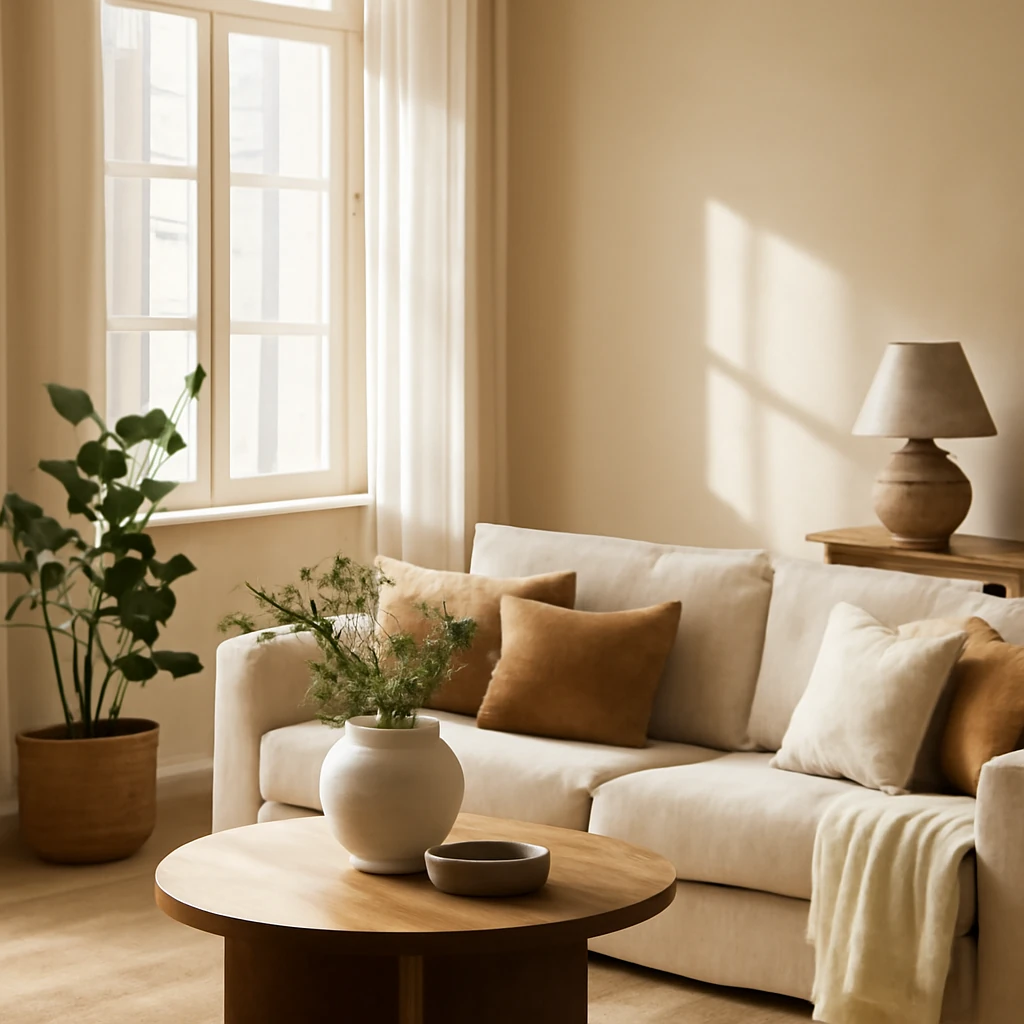
In Europe today, interior design blends centuries of craft with contemporary living. From historic palazzi to light-filled urban lofts, the continent offers a vast palette of styles that can inform any home. This guide distills iconic interior aesthetics - from Antiquity to Minimalism - into practical ideas for creating stylish, liveable spaces across cities, towns and rural settings. Whether you live in a compact flat or a generous villa, the aim is to reconcile tradition with comfort, texture with light, and colour with restraint. Use these notes to identify a prevailing mood, then layer materials, furniture, and lighting to realise a space that feels timeless and uniquely yours.
Antiquity
Antiquity in European interiors is about modest grandeur, symmetry, and architectural references. Think Greco‑Roman elements translated into modern form: slender columns or pilaster details, friezes, and mosaics that nod to the ancient world while remaining firmly contemporary. Floors of marble or large‑scale porcelain tiles, paired with soft plastered walls in warm stone tones, create a gallery‑like backdrop for contemporary furniture. In practice, an Antiquity‑inspired room might couple a pared‑back sofa with a carved marble side table, or a large living area with a single, monumental mural‑like canvas. The colour palette leans toward creams, warm greys, terracotta, and muted blues, allowing colour to emerge through textiles and artwork rather than wall finishes.
Gothic
Gothic interiors channel verticality and drama through architecture‑driven details rather than sheer darkness. In a modern European home, expect tall windows, pointed arches referenced in doorways, and a vertical rhythm in shelving and panelling. Real or simulated stone, dark woods, and wrought‑iron accents provide texture without heaviness. To avoid gloom, balance these elements with ample daylight and light fabrics. A Gothic mood works well in libraries and study zones, where a tall bookcase or a carved timber screen creates a theatre of order. Keep surfaces matte and allow metallic or glass accents to catch light, ensuring the room reads as disciplined rather than oppressive.
Classic
The Classic style in Europe emphasises symmetry, proportion, and high‑quality materials. It draws on neoclassical vocabulary - balanced windows, mouldings, and refined detailing - without tipping into overly formal stiffness. Luxury materials such as walnut or oak, marble surfaces, and subtle gilding can be used selectively to create a refined backdrop for contemporary living. Furnishings typically include solid wood pieces with timeless silhouettes: a curvaceous sofa, firm armchairs, and a well‑proportioned dining set. Colour palettes favour refined neutrals - stone, sand, ivory - with restrained accents in navy, emerald, or deep wine. The aim is effortless elegance that ages gracefully.
Baroque
Baroque interiors celebrate drama, grandeur and opulence. In modern European homes, this translates to rich materials, bold contrasts, and an abundance of texture - velvet drapery, damask patterns, and sumptuous fabrics. Surfaces may feature warm dark wood, lacquer, or marble, while architectural details such as decorative plasterwork or bold cornices lend depth. Layering is key: a statement chandelier, a pair of fauteuils, and a large mirror with a gilded frame can anchor a room, but it is vital to balance scale with restraint to avoid a cluttered feel. A Baroque palette leans to deep reds, burnt oranges, and forest greens, tempered by neutral grounds.
Rococo
Rococo is the lighter, more flirtatious counterpart to Baroque. European Rococo interiors prioritise delicacy, curved lines, and pastel hues. Think pale pinks, powder blues, soft greens, and touches of gilt. Furniture features sinuous legs and ornamentation that is decorative but never overwhelming. The approach is to create a refined, airy ambience with a sense of playfulness: curvaceous mirrors, slender consoles, and delicate lighting. In a contemporary setting, Rococo can live as an accent language - one room furnished with sculptural chairs and a light floral wallpaper, while the rest of the home remains understated and calm.
Empire
The Empire style looks to imperial grandeur with simplified, monumental forms. In Europe it often translates to heavy, dark woods, crisp upholstery, and architectural motifs such as arches and gilded detailing. Modern interpretations temper the scale with lighter fabrics, streamlined silhouettes, and comfortable seating that invites daily use. Emphasise strong lines in furniture, with a restrained colour scheme of deep charcoals, warm woods, and occasional gold or brass highlights. A well‑placed chandelier, a console with a carved frieze, or a large mahogany sideboard can establish an Empire mood without overwhelming the space.
Modern
Modern interiors in Europe have evolved from mid‑century traditions to today’s flexible, daylight‑driven homes. The absence of unnecessary ornament allows for a focus on form, function, and material honesty. Clean lines, balanced proportions, and natural materials - wood, stone, leather, and linen - predominate. Lighting should be layered to create warmth, with a mix of ceiling, floor, and task lights. A modern space values scale and proportion: a sofa around 2.0–2.4 m long, a coffee table that fits within arm’s reach of seating, and storage integrated into architecture rather than add‑on furniture. The palette is often restrained, with colour emerging in cushions, artwork, and soft upholstery.
Art Deco
Art Deco merges glamour with practicality. In European living spaces this means bold geometric forms, luxurious textures, and a refined colour palette. Materials such as lacquered woods, polished metal, mirrors, and exotic veneers appear alongside more accessible pieces in durable finishes. A modern Art Deco room might juxtapose a high‑gloss sideboard with a tactile wool rug, or pair a sleek glass‑and‑chrome coffee table with a plush velvet sofa. The colour story ranges from black and ivory to rich brass, emerald, and sapphire, balanced by warm neutrals to soften the glow of metallics.
Constructivism
Constructivist interiors champion rationality, function and mass production aesthetics. In Europe, this style translates into modular systems, exposed architectural elements, and industrial materials such as steel, concrete, and plywood. Furniture is practical and easy to reproduce, with a focus on ergonomics and durability. In a contemporary flat, a Constructivist approach might manifest as modular seating that can reconfigure for different needs, open shelving that doubles as room dividers, and a colour scheme grounded in grayscale with a few accent tones to energise the space. The result is an honest, efficient environment that values usability above all.
Minimalism
Minimalism in Europe foregrounds space, light and restraint. The aim is clarity, with every item chosen for purpose and beauty. Storage is concealed, surfaces are smooth and uncluttered, and furniture is pared down to essential forms. The palette is typically neutral - whites, taupes, greys - with occasional black or a single colour as a focal point. Lighting plays a crucial role: subtle lines, wall wash lighting, and indirect illumination create atmosphere without visual noise. A minimalist room can feel generous if it incorporates natural light, high ceilings, and carefully scaled furniture that leaves room to breathe.
Loft
Loft interiors capture the spirit of urban, adaptable spaces. In European cities, lofts often exist in former industrial buildings with wide floor plates, tall ceilings, and large windows. The hallmark is a blend of raw materials - exposed brick, metal, and concrete - with warmer touches like timber floors and cosy textiles. Furnishing tends toward industrial chic softened by textiles and plants. A well‑designed loft uses zoning rather than walls: a sofa arrangement creates a living area, a low bookshelf delineates a workspace, and a dining area sits under a robust ceiling light. The palette remains earthy and neutral, punctuated by bold accent colours chosen carefully to energise without overwhelming the room.
Fusion
Fusion invites a dialogue between worlds. In European homes, it is less about eclectic chaos and more about intentional juxtaposition. The idea is to mix textures, eras and colours to reflect a modern, informed lifestyle. Think a contemporary sofa with a vintage coffee table, a traditional rug paired with minimalist lighting, or a sleek kitchen island surrounded by classic cabinetry. The secret to successful fusion is cohesion: repeat a common material, align the metal finishes, and ensure the overall lighting temperature remains consistent. When done well, fusion creates a narrative that is confident, urban, and very liveable.
Country
Country style celebrates warmth, comfort, and a sense of home that is rooted in the countryside. European country interiors use natural materials such as timber, stone, linen and wool, often in generous scales. Fireplaces anchor living rooms, large dining tables gather families, kitchens evoke traditional practicality with practical storage and handmade ceramics. Palette leans toward warm whites, butter yellows, sage greens, and muted blues. The key is to balance rustic charm with modern convenience: a handcrafted pantry door can sit alongside a sleek integrated fridge, or a worn timber dining table can be paired with contemporary chairs for everyday usability.
Rustic
Rustic interiors emphasise the raw beauty of nature. Timber is central, often left visible with knots and grain celebrated, complemented by stone, linen and natural fibres. Spaces are generous and comfortable, designed for long, relaxed days. Furniture is sturdy and durable, with a slightly weathered or handmade quality. While rustic can feel rural, in European cities it translates well in open‑plan apartments, where a rustic dining table or a large fireplace becomes the heart of the home. The colour story mirrors the outdoors: warm browns, creamy whites, moss greens, and slate greys, with accents in warm metallics for visual richness.
Provence
Provence evokes the sun‑drenched countryside of southern France - whitewashed walls, soft blues and earthy ochres, and light, airy rooms. Surfaces are tactile: limestone floors, rough‑plastered walls, and rustic timbers. Linen fabrics in pale blues and warm whites keep spaces breathable and relaxed. In a modern setting, Provence can appear as a calm backdrop for contemporary furniture, with hand‑made ceramics, woven baskets, and botanical textures adding character. Lighting should be soft and diffuse, with natural textures playing a central role in the material mix. The effect is quietly romantic, intentionally imperfect, and deeply comfortable.
English
English interiors exude a balance of elegance and warmth, drawing on a long tradition of craftsmanship. Think panelled walls, carved wood, and a mix of antique and contemporary pieces that tell a story. Lighting is layered and intimate: table lamps with soft shades, wall sconces, and ceiling fixtures that glow rather than glare. The colour palette often leans toward muted greens, antique whites, and rich blues, with brass or copper hardware giving a note of sophistication. A well‑appointed English room blends formality with comfort - chairs with a good sit, a sofa that invites conversation, and textiles that soften architectural lines without diminishing character.
Scandinavian
Scandinavian interiors prioritise light, warmth and simplicity. Timber floors, pale walls, and an emphasis on natural light create a bright, calm mood. The furniture is functional, with clean lines and comfortable silhouettes. Textiles are key: wool throws, linen curtains, and sheepskin add tactile warmth. The palette stays light - crisp whites, pale greys, and gentle pastels - often punctuated by accents in black or a single, vivid colour. In small European homes, Scandinavian design thrives by maximizing storage, using multi‑purpose furniture, and incorporating plants to bring life into minimalist spaces. The overall effect is orderly, inviting and refreshingly uncluttered.
Across these styles, the common thread is a respect for proportion, natural materials, and light. European interiors celebrate craft and heritage while prioritising daily comfort. The trick is to choose a governing mood - minimal, ornate, rustic, or a blend - and then layer the details that give personality to a space: the texture of a rug, the patina of timber, the warmth of wool, or the gleam of metal. Below are practical tips to help you translate a chosen style into a real home that works for modern life.
Practical guidance: blending styles with confidence
1) Start with the bones. Identify your architectural features - the height of ceilings, the size of windows, and the footprint of rooms. Let these guide your style choice: grand proportions suit classic or Baroque, while open plans with generous daylight pair well with Minimalism or Loft. 2) Material honesty. In Europe, natural materials age well. Choose a primary material (wood, stone, or brick) and keep other surfaces complementary rather than competing. 3) Palette discipline. A dominant base colour, one or two accents, and a handful of neutrals will keep a mixed style coherent. 4) Furniture language. Mix eras only if you retain a unifying element - shape, finish, or a repeated material. 5) Lighting as architecture. Layer light to sculpt space: ambient, task, and accent lighting should work together to enhance mood and function. 6) Fabric and finish. Introduce texture through textiles - velvet, linen, wool - and finish with metal, glass, or ceramic details that catch the eye without shouting. 7) Personal narrative. Styles are vehicles for your life. Use familiar objects, heirlooms, and crafted pieces to tell a story that is uniquely yours.
Whether you lean towards a strict Minimalist canvas or a richly ornamented Baroque room, the European approach is to make beauty serve everyday life. The best spaces feel effortless yet intentional, comfortable to live in and generous to be in. With careful planning, a home can celebrate heritage while embracing the conveniences and sensibilities of modern living.
You may also like these articles
 Kitchen Design
Designing a Grand Kitchen for a Modern European Home
A guide to planning and styling a large European kitchen with smart layouts and durable finishes.
Renovation
Refreshing Your Kitchen Countertop: DIY Techniques for European Homes
Four practical DIY methods to refresh a kitchen countertop across European homes.
Tips & How-To
Choosing Bedroom Wallpapers: A Practical Guide for European Homes
A practical guide to selecting bedroom wallpapers for European homes.