
Explore interior trends, AI design insights, styling guides and real transformations
Narrow Corridor Design: Techniques to Make Long Hallways Feel Spacious across Europe
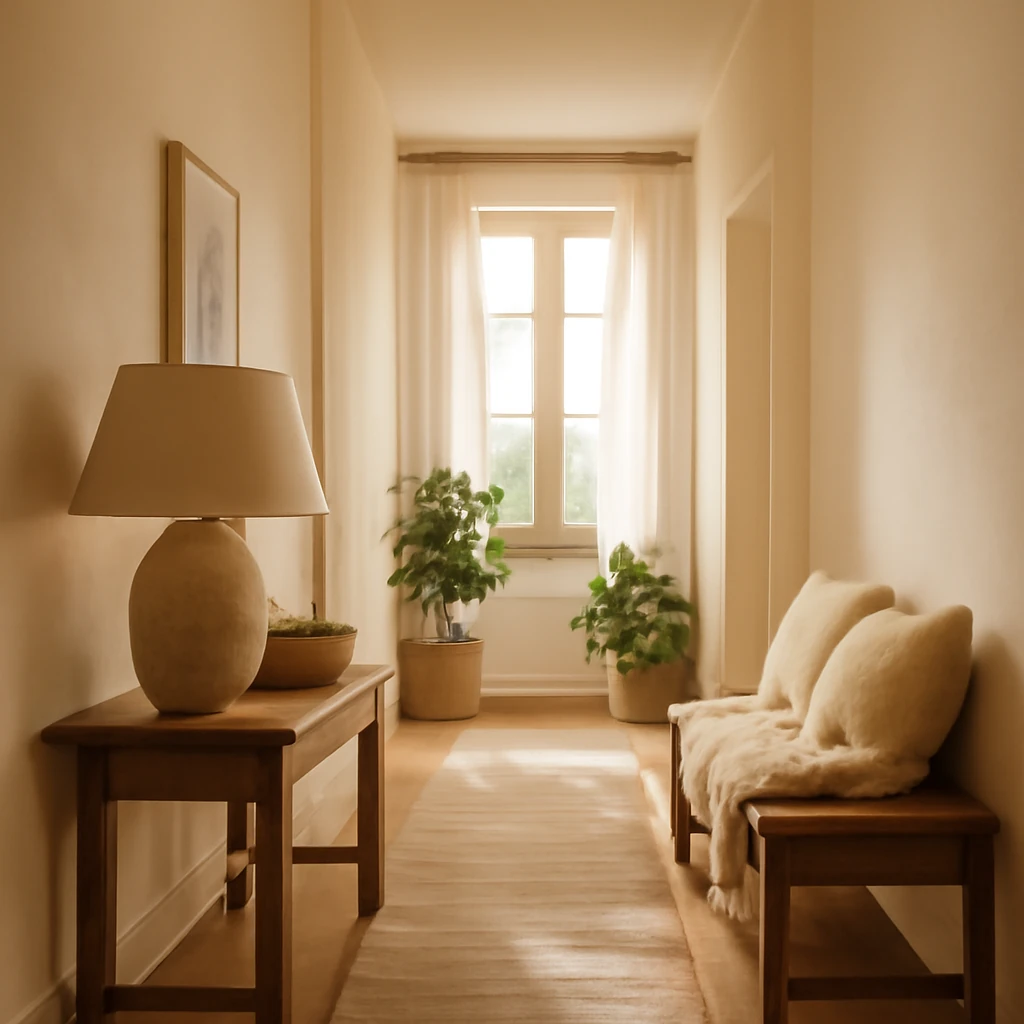
Introduction: turning a challenging corridor into a welcome first impression
Across European homes, long and narrow corridors are more than just paths between rooms - they set the tone for daily life and the way guests perceive a residence. The challenge is not only about making a space feel larger, but also about ensuring it remains practical, durable and easy to maintain within city flats, courtyard houses, and renovated period properties. A thoughtful approach to corridor design can transform a utilitarian passage into a calm, well-lit area that signals hospitality, organisation and good taste from the moment you step inside.
This article offers a comprehensive, professional guide to designing narrow corridors for European homes. It covers visual proportion, zoning, finishes, flooring, ceiling treatments, lighting, furniture layouts, decorative details, and practical mistakes to avoid - all adapted to continental contexts and materials commonly found across Europe.
Visual proportions: how to visually enlarge a long, narrow corridor
The most immediate way to convince the eye that a slim corridor is more generous is to apply careful proportion and zoning. A well-planned corridor can be thought of as a sequence of micro-rooms, each with a distinct, functional purpose, while maintaining a clear and unobstructed central passage. Key ideas include:
- Entrance zone: near the door, place a slim shoe storage unit and a compact coat rack on one side, and on the opposite wall a narrow wardrobe or wall-mounted cabinet for seasonal outerwear. Consider a small bench or a wall-hung seat for convenience when putting on shoes.
- Passage zone: keep the central corridor uncluttered. If space allows, a slim console or shallow floating shelf can provide a spot for keys and mail without narrowing the path.
- Optional zones: where the plan permits, create zones for a few bookshelves, a compact reading chair, or a tiny wardrobe. These should be light and compact, so they don’t trap the eye or constrain movement.
To visually extend the corridor, apply horizontal detailing and consider geometric wall patterns. Options include:
- horizontal wall treatment and trim to draw the eye along the length of the space;
- geometric wallpaper or wall coverings with subtle diagonals or vertical stripes to add interest without overwhelming the eye;
- two-tone walls: keep the upper portion lighter, or if the ceilings are high, introduce a slightly deeper shade at the top for visual depth. If ceilings are lower, stay with light tones to avoid a boxed-in feel.
- wall treatments such as panoramic or continuous murals in moderation can exaggerate length when used sparingly on an end wall.
Theme-driven corridors can work well in European homes - from coastal seaside inspirations to classic city-apartment schemes. In a long corridor, one zone can carry the dominant narrative while other areas support it with subtler cues.
Common design mistakes to avoid in narrow corridors
Even well-considered schemes can falter if certain missteps are made. Designers commonly see these issues in narrow passages across European cities:
- dark tones that absorb light and shorten the perceived space;
- overly bulky light fixtures that reduce headroom and corridor width;
- large-scale patterns on walls that feel heavy in a tight space;
- excessive furniture or clutter that blocks the passage;
- ornate or bulky finishes that create a busy, congested vibe;
- restricted or cluttered passages due to misused storage;
- high contrast with other rooms, which breaks the visual flow of the home.
These choices visually compress the corridor and can irritate inhabitants and guests alike. The aim is to achieve a serene, organised route that invites movement rather than stopping attention at the threshold.
Finishing walls of the long corridor: colour and material choices
The wall finished is the core of the corridor’s feel. In long European hallways, the most harmonious approach is to keep the long sides in light, pastel hues while reserving a more vivid or saturated tone for the far end or an accent panel. Suitable options include:
- soft blues, sage greens, lilacs, warm beiges, blush pinks, and pale yellows or off-white tones as the base palette,
- white on ceilings to maximise brightness, white can be paired with warmer or cooler undertones on the walls depending on the light quality and warmth of artificial illumination;
- avoid pure, high-gloss whites on all walls if the corridor is dark, use slightly creamy whites or greys for a more forgiving surface.
Wall coverings should be practical and durable in high-traffic areas. Consider moisture-resistant options suitable for European climates, such as:
- washable vinyl wallpapers with a timeless texture;
- glass-fibre wallpapers that resist humidity and make cleaning easy;
- painted surfaces with scrubbable finishes in soft tints;
- venetian plaster or other lime-based finishes as a refined alternative for a continuous, level surface.
Where walls need levelling or smoothing, avoid heavy plasterboard that can eat into precious space. Venetian plaster or skim-coated surfaces provide a sleek alternative with less intrusion into the corridor’s width. If a decorative approach is desired, opt for a restrained mural or panoramic effect on a single accent wall rather than across all walls.
Choosing flooring for a narrow hallway
Flooring is another crucial factor in making a corridor feel larger and more coherent. In European homes, a practical approach is to treat the entrance zone differently from the remainder of the corridor while ensuring continuity of colour and texture. Practical guidelines include:
- place lighter-coloured tiles or large-format porcelain tiles at the entrance for durability and ease of cleaning,
- elsewhere, consider warm, neutral carpets or carpet tiles that soften steps and absorb sound;
- avoid small tiles in long, narrow spaces as they can visually shorten the corridor, prefer large-format tiles or planks to create a seamless look;
- choose non-slip, matte finishes to prevent glare and maintain cohesion with natural light and artificial lighting;
- introduce a few small, well-defined rugs or runners with geometric patterns to add interest without interrupting the flow.
If radiant floor heating is available, especially in colder northern European climates, it can dramatically improve comfort in the entrance zone and extend the sense of warmth throughout the corridor.
Ceiling treatments: creating lightness and subtle definition
Ceiling design has a strong influence on perceived height and spaciousness. For a long corridor, several well-chosen options can elevate the space without dominating it:
- a suspended (drop) ceiling divides the space visually and can hide services while supporting lighting layers;
- stretch ceilings offer a clean, modern finish with the possibility of soft, indirect lighting,
- plasterboard ceilings with multiple levels or coves can define zones and accommodate a controlled lighting plan.
When using plasterboard, adding shallow cove lighting or recessed fixtures can reduce the visual heaviness of a single central pendant and distribute light evenly along the length of the corridor. If the ceiling is particularly high, consider a graded ceiling with subtle texture to create a sense of depth, if it is lower, keep the ceiling simple and matte to avoid a cramped feeling.
Lighting: layering light to banish shadows
Good lighting is essential in a narrow corridor. A single central pendant is rarely sufficient. A layered lighting strategy provides brightness, depth, and visual cues that guide movement:
- primary light near the entry should be bright and warm (approximately 2700–3000K) to create a welcoming first impression;
- place diffuse lights along opposite ends to reduce shadows and balance light distribution, consider LED floor-level or wall-washers to gently illuminate the space;
- for corridors longer than about 3 metres, increase the number of light sources or install dimmable fixtures to adapt to different moods and times of day;
- include local lighting to highlight functional zones such as a mirror, wardrobe, or a small console.
- switch placement should be near the door and consider ease of access from the corridor when lights are used from other rooms.
Practical tips for European apartments include selecting fixtures with adjustable light angles to avoid glare on glossy wall surfaces and using fixtures with a warm colour temperature for a cosy atmosphere. Where ceilings are tall, consider down-lighting that directs light downward and reduces the risk of harsh overhead glare.
Colour palette: calm neutrals with carefully chosen accents
A coherent corridor palette helps create a sense of continuity through the home. A reliable strategy is to use light, neutral base tones for the walls, ceilings, and floors, with a restrained colour accent towards the far end or on a single feature plane. Recommendations include:
- neutrals such as ivory, soft greys, warm beiges, and chalk tones for walls and ceilings;
- gentle accents in blue, sage, powder pink, or muted yellows used sparingly on one wall or the end wall;
- avoid overly saturated or very dark colours on all walls, as they tend to shrink the space and feel claustrophobic in a narrow corridor;
- carefully select floor tones that harmonise with wall colours to maintain a continuous rhythm along the passage.
When lighting is limited or natural daylight is modest, white or near-white ceilings can reflect available light effectively, helping to keep the corridor bright. In contrast, if daylight is abundant, you can introduce a slightly cooler wall tone to balance the light temperature and prevent colour distortion.
Furniture and layout: keeping the corridor airy and functional
In a long corridor, furniture should be minimal, proportional, and easy to move if needed. The objective is to preserve an open central run while still providing storage and surface space for everyday items. Guidance includes:
- position furniture along one wall where possible to keep the central passage clear, consider a long, slim wardrobe with sliding doors and mirrored panels to expand the sense of space and reflect light;
- for compact corridors, limit the amount of furniture to a coat rack, a slim console for keys and mail, a small bench or a narrow storage unit for shoes;
- use wall-mounted or freestanding units that are low-profile and free from heavy hardware, opt for legless furniture or slender legs that visually recede.
- consider multi-functional pieces, such as a console that doubles as a perch, or a storage bench that doubles as a seating area near the entrance.
- avoid bulky, floor-standing wardrobes or large dressers that intrude into the path.
Accessories and finishing touches should enhance the sense of airiness without crowding the space. Ideas include:
- transparent surfaces like glass or acrylic fixtures that visually lighten the area;
- mounted mirrors to reflect light and create visual depth;
- minimalist frames or slim shelves for personal items and plants to bring life into the corridor without creating clutter.
Regardless of the chosen pieces, the guiding principle is simplicity: each item has a clear purpose, and nothing obstructs the central route.
Decor and accessories: strategic styling for impact without clutter
Well-chosen accessories can elevate a narrow corridor while keeping it practical. Consider these ideas as part of a restrained European design language:
- Sliding or arch openings: replace frequent hinged doors with sliding doors if space feels tight, or use decorative archways to frame transitions between rooms when doors are rarely used.
- Artwork in moderation: opt for a small gallery of carefully chosen black-and-white photographs or a single, striking piece. Large wall art can overwhelm a narrow corridor.
- Niches and lighting: built-in niches with discreet backlighting can display small keepsakes without protruding into the room, ensure lighting remains subdued and controlled to avoid glare.
- Mirrors as a design tool: two large mirrors on parallel walls can double daylight and create a sense of depth, but position them to reflect natural light or a usable view rather than a blank wall or window that creates glare.
- Ceiling as a design feature: a multi-level ceiling with concealed lighting or a subtle pattern adds architectural interest without visually shortening the corridor.
Mirrored surfaces should be used thoughtfully in narrow spaces, when placed at the start or end of the corridor, they can be most effective at increasing perceived length and brightness. Excessive reflective surfaces elsewhere may produce awkward reflections or visual fatigue.
Inspiration and style ideas for long, narrow corridors
In European interiors, corridors often take cues from the surrounding rooms. Here are a few approachable themes that work well in long hallways, each designed to feel cohesive with common European architectural features:
- Coastal calm: pale blues, sandy neutrals, and driftwood textures, light wood furniture with glass accents to maintain openness.
- Minimalist city feel: near-white walls, matte finishes, and functional, high-quality materials, focus on lines, order, and a restrained palette.
- Botanical retreat: soft greens, pale timber, and natural textures, planters with compact foliage that doesn’t encroach on the walk.
- European classic: refined wallpapers with subtle textures, gentle mouldings, and timeless hardware, furniture kept slender and purposeful to respect proportion.
- Architectural modernist: crisp geometry, high-quality finishes, and a restrained palette that emphasises light and materiality.
Regardless of style, the best corridors are those that prioritise function while allowing the home’s personality to shine through the details. European homes benefit from materials and finishes that tolerate daily use, are easy to clean, and age gracefully with proper maintenance.
Practical considerations: maintenance, durability and accessibility
Design choices should consider real-world conditions, from unpredictable weather to high-traffic days. Practical considerations include:
- select washable and durable wall coverings suitable for high-traffic zones and damp rooms;
- choose flooring that is slip-resistant, easy to clean, and suited to underfloor heating where available;
- ensure surfaces at child- and pet-friendly heights are robust and scratch-resistant;
- plan for accessible storage: slim, ergonomic units with soft-close hardware reduce wear and improve daily use;
- carry out a simple maintenance plan for mirrors and chrome fittings to prevent tarnish and fingerprints from accumulating in busy entrances.
In retrofit European homes, where corridors may connect to living or kitchen zones with differing finishes, aim for a cohesive colour story and consistent hardware language to unify the route. This creates a sense of intentional design rather than a sequence of disparate spaces.
Putting it all together: a practical, scalable approach for European homes
Designing a long, narrow corridor is not about creating a museum display, it is about enabling daily life with calm, order, and beauty. Start with a clear plan for the corridor’s zones and a restrained palette, then layer light and texture through materials, finishes, and smart storage. In many European homes, the corridor is a high-traffic, low-ceiling space that benefits most from daylight-boosting surfaces, an even lighting strategy, and furniture that is as discreet as it is functional. By combining proportion, lighting, and durable finishes, you can transform a challenging corridor into a refined, timeless part of the home that welcomes residents and guests alike.
In summary: practical steps to remodel a narrow European corridor
To recap the essential steps for a successful narrow corridor design:
- Define zones without clutter, keep the central path clear and define function with slim, wall-mounted storage and compact furniture.
- Choose light, durable wall finishes and a restrained colour palette with carefully placed accent tones toward the end wall.
- Use large-format, non-slip flooring and consider partial tiling near entry with warm carpeting elsewhere, ensure floor transitions are gentle and seamless.
- Employ layered lighting with a mix of ambient, task and accent lighting. Keep switches practical and convenient from the door.
- Incorporate mirrors and light-reflective surfaces with intention, avoid excessive reflective chaos that can create glare.
- Keep furniture lean, modular, and versatile, use sliding doors when possible to maximise usable width.
- Apply curated decorative details sparingly to avoid visual overload while adding character.
- Ensure solutions are scalable for future needs and adaptable to typical European apartment layouts.
Final thoughts: designing corridors with a European sensibility
A successful narrow corridor respects both form and function. It is a route rather than a wall, a space that invites movement and reveals a touch of personal style without sacrificing practicality. The European context - with a mix of historic architecture, varied daylight, and compact living - demands solutions that are robust, modular, and timeless. By prioritising proportion, texture, lighting, and storage, designers can craft corridors that are not merely efficient, but genuinely welcoming first chapters of the home.
You may also like these articles
 Small Spaces
How to Design a 12 m2 Bedroom: Five Layouts for European Homes
Five layout ideas to optimise a 12 m2 European bedroom.
Colour & Materials
Eight durable wall coverings that elevate European interiors
Eight durable wall coverings to withstand busy European homes and still look luxe.
Tips & How-To
Mindful Decluttering: A Room-by-Room Method for European Homes
Mindful, room-by-room decluttering for European homes.