
Explore interior trends, AI design insights, styling guides and real transformations
Small-space Mastery: European apartments redefined for city living
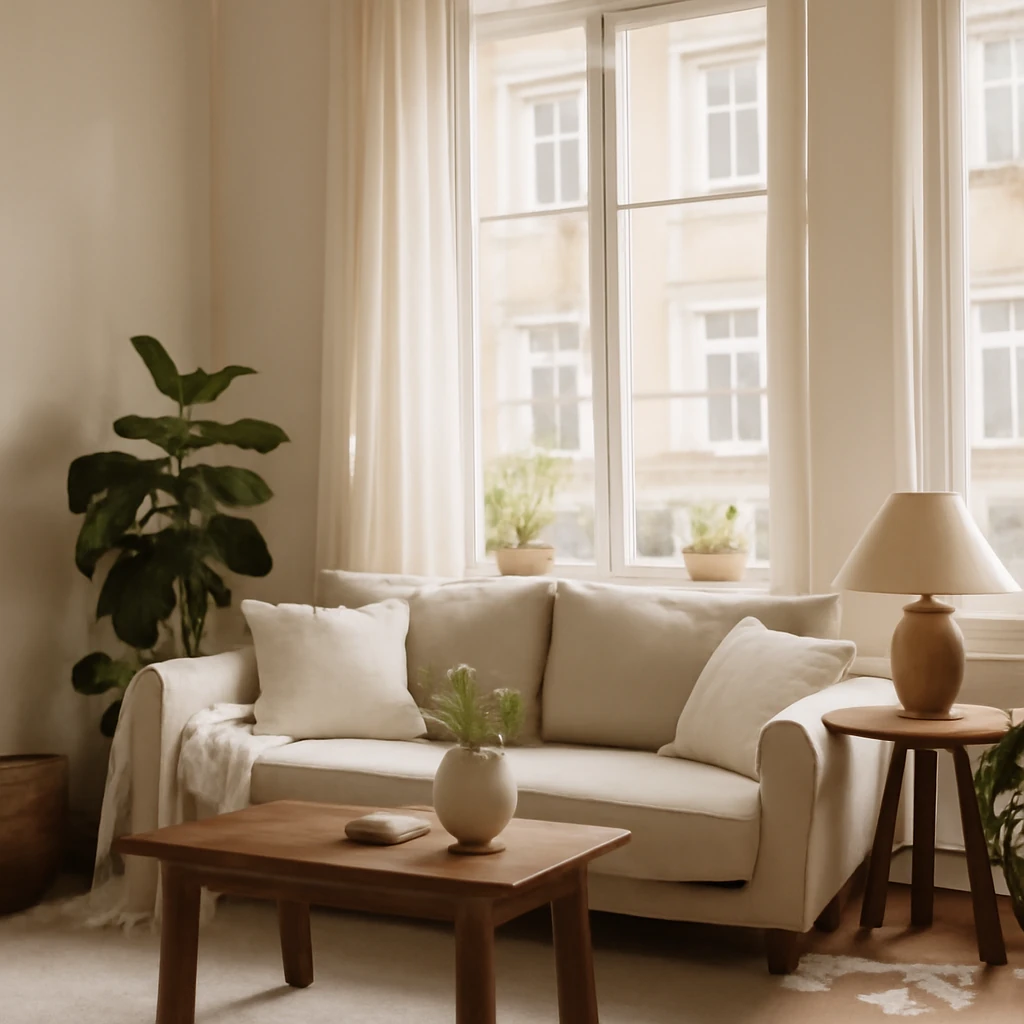
Across Europe, compact living has become a canvas for high-impact design. Small spaces demand cunning layouts, versatile furniture, and tactile materials that age gracefully. The following ten projects demonstrate how a careful balance of zoning, light, and storage can transform modest flats into luminous, well‑appointed homes that feel larger than their metres suggest. Each case emphasises a distinct approach - from modular systems in a 30 m² studio to a refined loft in a former industrial building - showing that scale is not a constraint but a source of creative opportunity.
Two-bedroom apartment refreshed on a modest budget
The owners, a young couple with a pet, sought a calm, low-maintenance environment. The design team reimagined the layout within an existing plan, delivering a refreshed aesthetic in under two months with a restrained budget. The strategy focused on clean lines, a restrained colour palette, and durable finishes that cope with daily life. The living area remains open and social, while storage is tucked away in clever niches to keep surfaces uncluttered. The materials palette draws on warm neutrals, light timber, and soft textiles to evoke comfort without sacrificing modernity.
- Open yet defined living zones using furniture as a boundary
- Integrated storage via built-in wardrobes and wall cabinets
- Layered lighting creating warmth and depth
- Soft textures to soften architectural lines
Thirty-square-metre studio transformed into multiple zones
Inside a compact 30 m² space, the kitchen, bedroom, bathroom, workspace and resting area coexist with a sense of order. The architects tackled the challenge by zoning with low partitions and clever furniture placement, avoiding visual clutter while maintaining a sense of continuity. A compact kitchen with integrated dining, a movable screen for the sleeping area, and a compact wardrobe system maximise the usability of every square metre.
- Zoning through furniture, not walls
- All-in-one kitchen-dining arrangement
- Efficient storage with modular units
One-bedroom converted to a two-room apartment
In a 38 m² space with an irregular plan, the client desired a dedicated living room, a comfortable bedroom, and a dining kitchen. A partition wall with an integrated TV creates a seam between living and sleeping zones, allowing privacy when needed while preserving openness when entertaining. The result is a flexible, light-filled home that adapts to changing routines.
- Partition with built-in features for elegance and function
- Smart acoustic separation to maintain comfort
- Circulation optimised to maximise daylight
Budget-friendly studio with non-traditional furniture
A studio of around 40 m², previously a blank canvas, was designed to feel as though it were a countryside retreat. The owner travels often, bringing back objects and textiles, the interiors thus serve as a neutral background to showcase collected pieces. The planning emphasises a calm, tactile palette and a mixture of natural and engineered materials to create a homey atmosphere.
- Neutral backdrop supports variable accessories
- Furniture with character and scale appropriate to a small space
- Natural materials to evoke warmth
One-bedroom with leafy atmosphere in a tree-lined setting
The concept celebrates light and air, taking inspiration from the trees surrounding the building. A long-standing block carved with generous glazing channels daylight through every room. The interior emphasises openness - large windows, white walls, and reflective surfaces - while keeping a human scale with warm woods and soft textiles.
- Maximising natural light in older buildings
- Biophilic design elements to connect indoors with nature
- Timber accents to ground the airy aesthetic
Student-friendly 38 m² apartment with budget renovation
For a student, time and money matter. The project preserved the existing rough-in and reworked the plan to make it more efficient, with a rational zoning of living, study, and rest. A compact, modular kitchen and a fold-away dining area combine practicality with a sense of calm, while inexpensive finishes were chosen for ease of maintenance and durability.
- Efficient reconfiguration for improved flow
- Modular, budget-friendly finishes
- Durable, easy-care surfaces
Bright two-bedroom with a guest-friendly layout
In a city-centre flat just over 40 m², the designers rejected the idea of an open-plan studio. The owners valued privacy for the couple and the possibility to host guests. The plan groups the public zones in a shared area, with a distinct, quiet bedroom and a compact but functional kitchen. The entry and circulation were carefully considered to integrate the spaces visually, with a feature wall that subtly defines the living area.
- Defined social zones with intimate private spaces
- Integrated storage to keep common areas uncluttered
- Strategic lighting to alter mood from day to night
Compact 'playful' studio with character
A 40 m² studio was designed for a single occupant seeking a modern, chic vibe - almost like a jewellery box for grown-up living. Rich textiles, luxurious finishes, and bold accessories add personality while maintaining practicality. The space is intentionally modular, with a versatile living area that can flex from day to night.
- Studio layouts that mimic rooms with flexible furniture
- Bold textures and accessories to signal personality
- Balanced contrast of light and dark to create depth
Small loft in a converted industrial building
The designer faced a challenge common to European cities: create a compact loft with a strong sense of place in a former industrial building. The solution was to preserve the large, adaptable open space and carve out a compact bathroom and a small wardrobe at the entry. The rest of the volume remains open, with a focus on materials and a restrained, contemporary aesthetic.
- Loft living with minimal partitioning
- Industrial warmth through materials like brick, steel, and natural stone
- Smart storage solutions integrated into the entrance
Renovation on 32 m² with thoughtful storage
In a compact apartment within an older building, the refurbishment sought to create a cosy, living-forward space with generous storage and a flexible plan. The result is a warm, approachable home that makes the most of daylight and uses built-in cabinetry to reduce visual clutter. The design emphasises sustainability through materials and finishing choices appropriate for a European urban setting.
- Integrated, depth-saving storage
- Natural palette and durable surfaces
- Light mimicry with reflective surfaces to maximise daylight
Read more
- Common mistakes to avoid in small apartments
- The pros and cons of built-in wardrobes in compact homes
- Ten essential posts for owners of small urban flats
You may also like these articles
 Furniture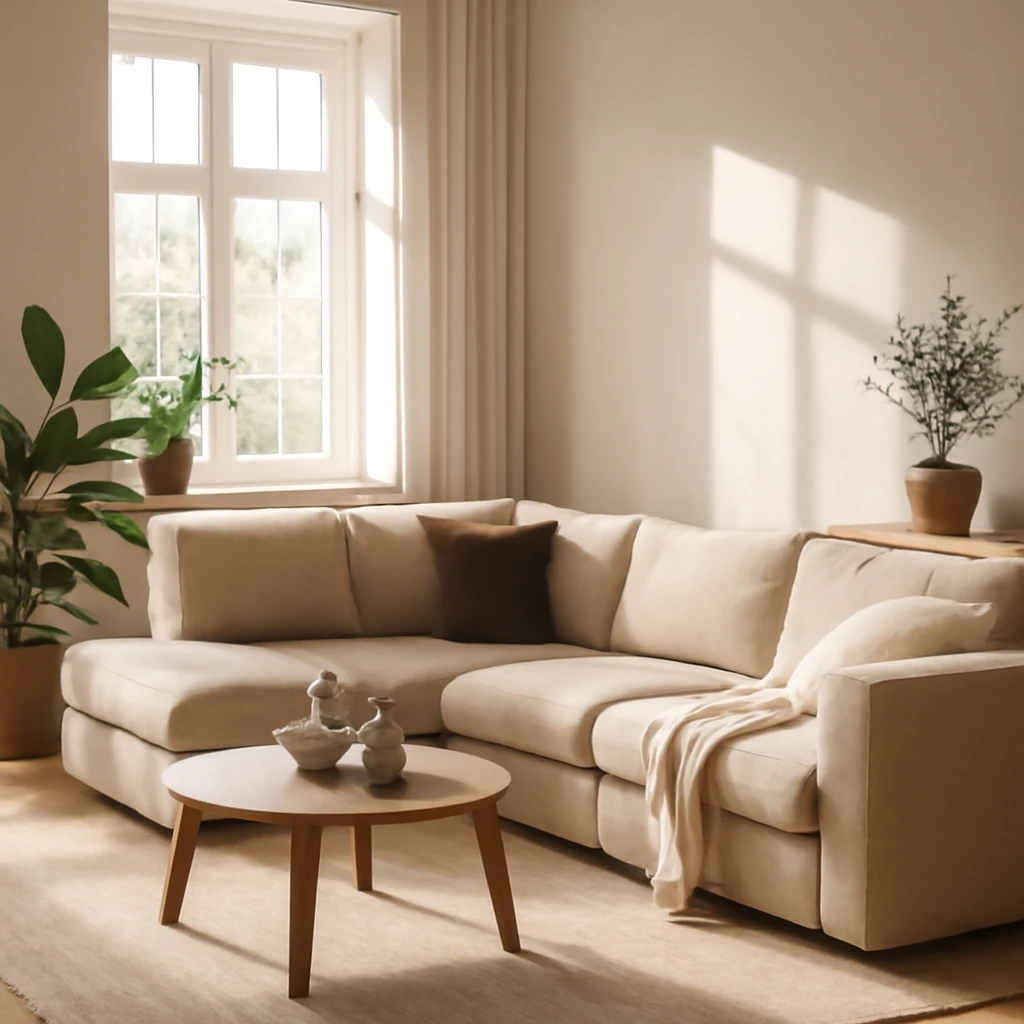
Soft Structures, Flexible Living: Modular Sofas for European Homes
Modular sofas reshape European living rooms with flexible layouts.
Renovation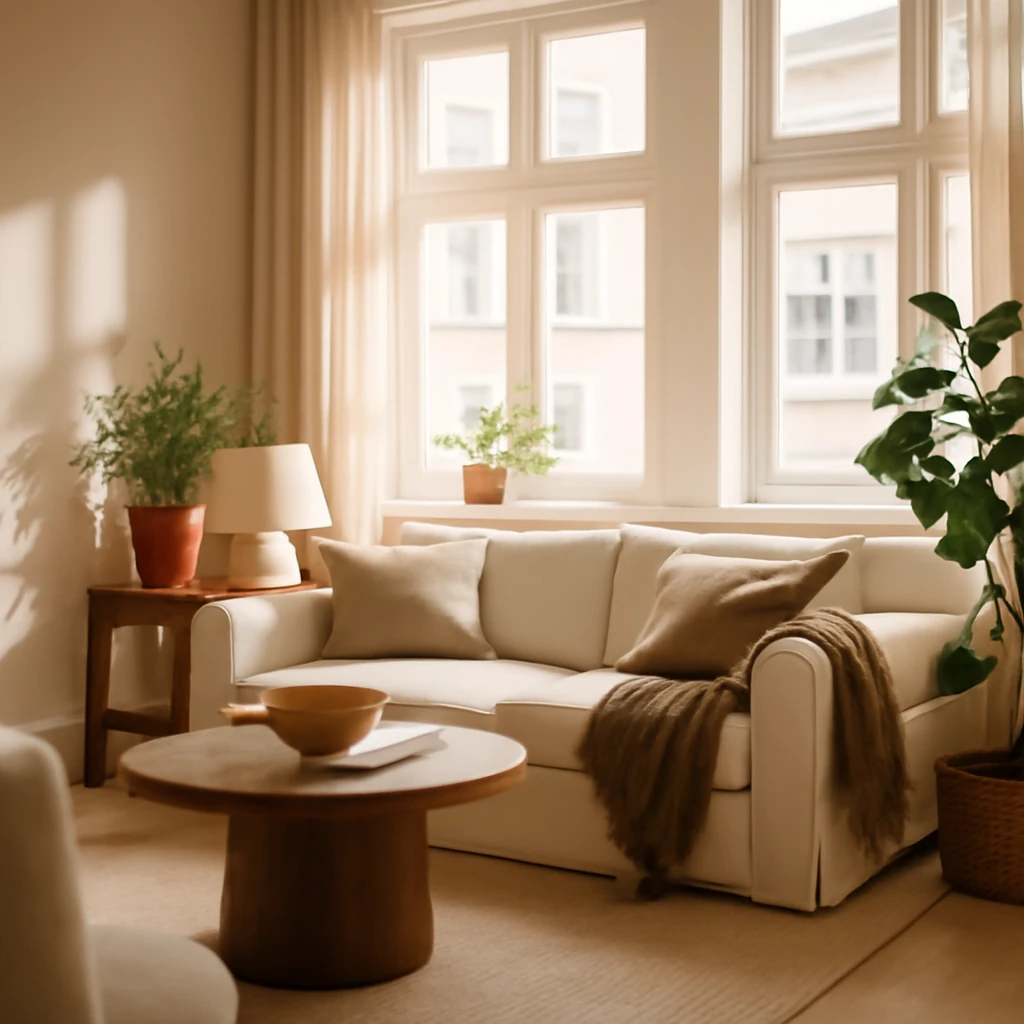
Post-Renovation Cleaning: Eight Essential Steps for a Fresh European Home
Eight practical steps to restore order after renovation across Europe.
Small Spaces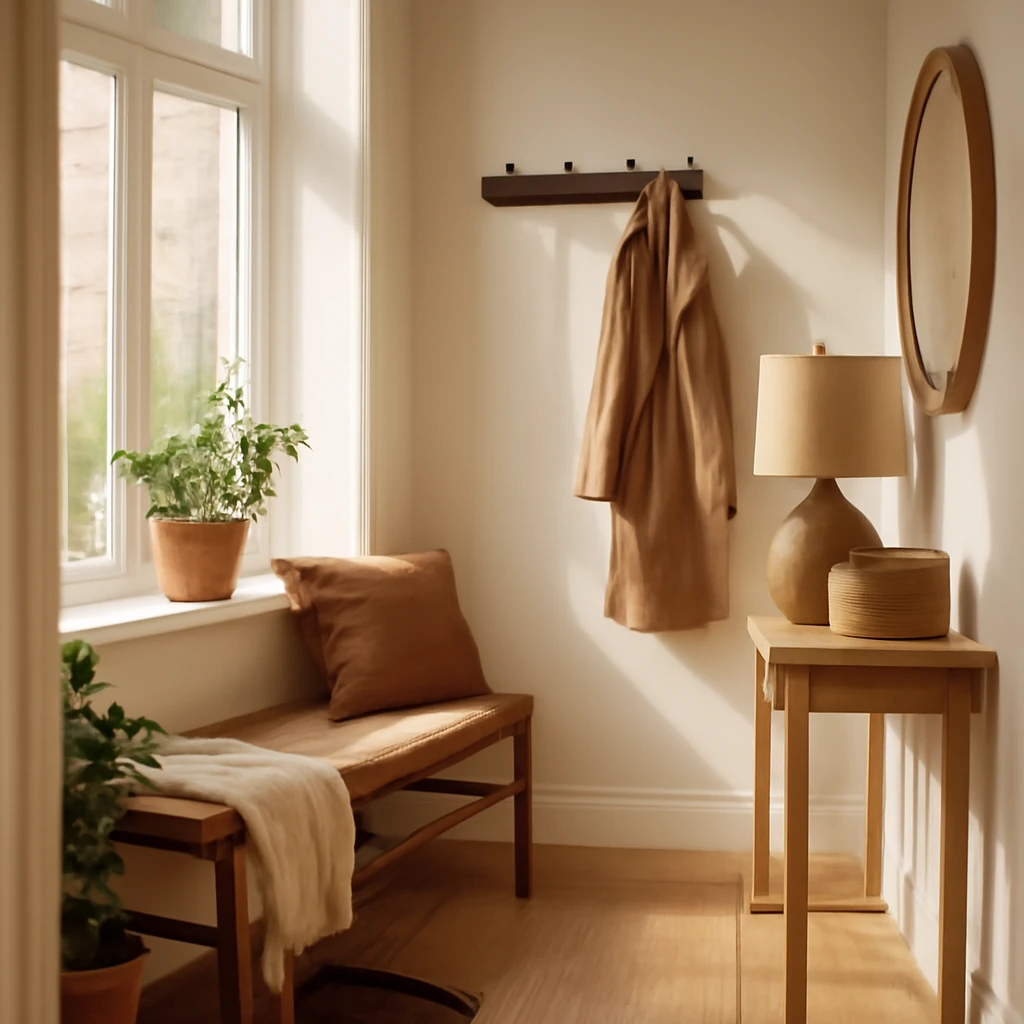
Colourful small-hallway makeovers: five European entrances
Five bold hallway makeovers turning compact European entrances into characterful thresholds.