
Explore interior trends, AI design insights, styling guides and real transformations
Loft living in Europe: crafting an industrial-inspired home
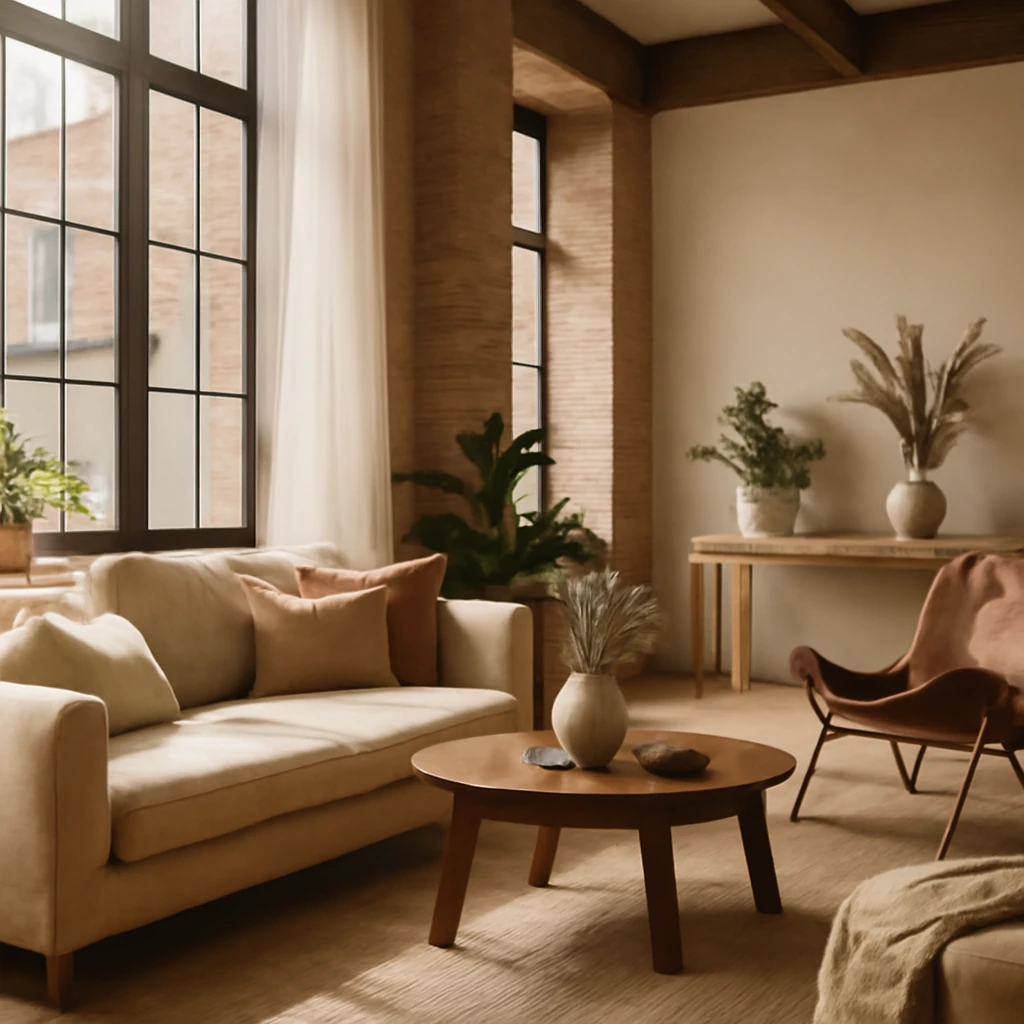
Loft living in Europe: an adaptable, character-filled aesthetic
Loft style has become a defining approach for European homes, spanning compact city flats to generous penthouses, converted warehouses to contemporary builds. Its appeal lies in functional open spaces, honest finishes and a design language that ages with grace rather than chasing fleeting trends. A well executed loft scheme offers flexibility, a tactile material palette and a sense of narrative that speaks to a mature, design‑savvy audience.
Across European cities, the loft ethos has travelled from its industrial roots to become a versatile template. It informs not only how spaces are laid out, but how finishes are selected, how light is harnessed, and how furniture and accessories are organised to maintain openness without sacrificing comfort.
Origin
The loft concept emerged in mid‑twentieth‑century North American urban centres, where surging land prices and changing zoning compelled residents to repurpose disused factories and warehouses into living spaces. Initially regarded as a pragmatic, affordable solution, the style evolved into a bold aesthetic recognised for honesty of materials, visible structure and expansive volumes. In Europe, former industrial districts - ranging from Berlin and Manchester to Milan and Barcelona - have been transformed into vibrant residential hubs. Here, the loft look intertwines with heritage architecture, historic courtyards and sustainable regeneration, creating homes that are both rooted in place and forward‑looking in design terms.
Today, European loft spaces embrace a spectrum of forms: generous open‑plan living rooms with lofty ceilings, compact apartments where clever zoning preserves light, and purpose‑built interiors that capture the spirit of industrial practicality while delivering modern comfort and energy efficiency.
Characteristics
Visually, a European loft is a study in restrained drama. The aesthetic leans toward raw, tactile materials, generous glazing and an honest expression of the building’s fabric. Expect a palette of neutral tones - creams, warm greys, stone and soft taupes - with darker anchors such as charcoal, deep brown or black for contrast. Light plays a vital role, large, often tall windows flood interiors with daylight and help balance the weight of brick, concrete and timber. The design celebrates the industrial truth of the space - pipes, ducts, beams and other services are often left visible or subtly integrated into the interior language.
The loft is not merely about surface texture, it is about spatial logic. Spaces are conceived for flexibility and adaptability, with furniture and zones that can evolve as life changes. That fluidity is a core virtue in European urban living, where homes are required to perform multiple roles - living, dining, working and relaxing - within a limited footprint.
Zoning and layout
One of the loft’s defining features is its openness. In European renovations and new builds alike, there is a preference for minimal interior partitions to maintain sightlines and light. Where walls exist, they are carefully chosen to read as a single material language - paint, plaster, brick or timber - so that transitions feel cohesive rather than fragmented.
The bathroom is typically the one area that demands some separation due to humidity and privacy requirements. In many lofts, doors blend into the surrounding wall finish or are fitted with lightweight frames that preserve the room’s overall rhythm. Storage is planned to be unobtrusive, with cabinetry integrated into walls or concealed behind sleek, flush surfaces. The central kitchen island, dining area, and living zone often form a unified plane, enabling smooth movement and spontaneous social interaction.
Finishes and materials
Unlike other design grammars with fixed rules, the loft invites a broad spectrum of materials. The unifying principle is authenticity: surfaces should tell a story, age gracefully, and be durable under daily use. Below are the material families that best align with European lofts.
Walls
Walls are frequently left or treated to read as raw, textured surfaces. Exposed brick or brick-effect panels are common, as are tactile plasters or lime finishes that convey depth and warmth. In some projects the masonry itself is embraced, while in others it is subtly softened with a light colour to temper the room’s mood. Radiators and plumbing often remain visible and celebrated as part of the industrial character rather than hidden away, though clever lining or colour matching can help soften the appearance where desired.
When a calmer backdrop is preferred, walls may be painted in pale, warm whites or mineral greys to balance stronger elements elsewhere in the room. The chosen treatment should harmonise with the ceiling and floor to avoid a disharmonic contrast that undermines the space’s coherence.
Ceilings
Ceilings in loft settings are equally important to the overall ambience. Exposed joists and ducts offer authentic texture, but modern refinements allow for alternative solutions that preserve the look while improving comfort. A common approach is to leave structural elements visible and apply a matte finish to the remaining surfaces, or to install a suspended or acoustic ceiling in light metal tones that echo the industrial vocabulary. Lighting design is critical here: layered lighting helps to create intimacy in a volume that can otherwise feel cold or cavernous.
Floors
Flooring choices typically follow the material language above: durable, textured surfaces that age well under traffic. Stone and ceramic tiles are favoured for their resilience and cool, tactile quality, while engineered timber or reclaimed boards inject warmth and character. In contemporary European lofts, polished concrete and matte cement floors are also widely embraced for their minimal maintenance and visual honesty. If warmth is desired, wide-plank wood with a matte finish brings tactile comfort without sacrificing the industrial aesthetic. Underfloor heating is a common pairing in cooler climates and can be relaxed with carefully chosen flooring finishes to optimise comfort and efficiency.
Furniture
Loft furniture embodies a paradox: minimalism with maximum function. Pieces are typically robust, with clean lines, neutral colours and a strong sense of tactility. Steel frames, timber surfaces, leather and stone textures work synergistically to convey an authentic, enduring look. Spacing is deliberate, a generous rhythm between furniture pieces is essential to maintain airiness and flow. While handmade or custom pieces can feel perfectly in tune with the look, off‑the‑shelf items that align with the steel‑and‑timber language can be equally successful when thoughtfully selected.
Acessories and decor
Despite the rough-edged atmosphere, the loft relies on carefully chosen accessories to humanise the space. Oversized artworks, monochrome photography, sculptural metal objects, textiles in natural fibres and well‑curated collections can breathe life into the shell without diluting its identity. The trick is restraint: fewer, better pieces that echo the room’s material vocabulary will always trump a crowded, mismatched display.
Loft interiors in different European rooms
The loft principle originated in open, single‑volume spaces but has since adapted to multi‑room apartments across Europe. The core aim remains: create a coherent, durable environment where the material language binds areas together while providing distinct zones for living, dining, work and rest.
Living room and bedroom
In living rooms and bedrooms, the challenge is to balance the raw, industrial backdrop with comfort and softness. A substantial sofa in a neutral fabric anchors the seating area, while a low coffee table and a restrained storage system reinforce the room’s calm. Walls of brick or plaster provide texture, large windows bring in daylight and can be complemented by light, sheer curtains to soften glare. Lighting should be layered: industrial pendants over the seating zone, wall lights near the bed, and discreet LEDs that sculpt the architecture after dark. Artworks and textiles add personality but should be calibrated to respect the room’s scale and proportion.
Kitchen
The kitchen in a loft is typically integrated into the open‑plan living area. Durable, moisture‑resistant finishes are essential: ceramic or stone tiles, quartz or engineered stone countertops, and cabinetry with a sleek, simple profile. Appliances should blend with the cabinetry or be framed in metal or wood veneers to reinforce the industrial vibe. A central island serves as a practical work zone and a social hub, while bar seating fosters connection with guests and family alike. Lighting over the island is crucial for both function and ambience.
Bathroom
Bathrooms in loft spaces should feel connected to the rest of the home while meeting modern expectations for comfort and practicality. Moisture‑resistant wall panels or tiles in muted tones pair well with robust fixtures in matte metals. Exposed pipework can be a deliberate design choice in European lofts, but it is equally acceptable to conceal pipes within a wall or ducting to create a cleaner look. A walk‑in shower with a frameless screen, a freestanding tub, and non‑slip flooring anchored in a continuous material palette help cultivate a serene, modern bathroom that resonates with the loft’s rugged ethos.
The loft look in a compact European apartment
Small‑space lofts demand meticulous planning. The absence of many interior partitions can be an asset if zoned thoughtfully. Use variations in material, tone and level to delineate area boundaries - light floors with darker furniture to mark seating zones, or a subtle shift in wall finish to separate kitchen and living areas. Light‑coloured surfaces reflect daylight and visually enlarge the space, while tactile accents such as a brick feature or timber ceiling beams add warmth and personality. Where space is truly tight, transparent or slimline screens, mobile bookcases and low cabinets help maintain sightlines and flexibility without creating visual clutter.
Finishing touches: lighting and colour
Lighting in loft interiors is a powerful instrument. In European homes with generous volumes, layered lighting - ambient, task and accent - prevents the space from feeling vast and cold after sunset. Industrial‑inspired pendants, wall luminaires with metal finishes and floor lamps with strong character can echo the room’s materials. Colour generally stays restrained: warm whites, greys, stone tones and charcoals provide a versatile backdrop for bolder accents in ochre, terracotta or muted greens. The material palette - brick, plaster, steel and timber - pairs well with contemporary textiles and soft furnishings, achieving a balanced, modern mood that remains comfortable for everyday living.
Planning and renovation tips
- Assess structure and services early. When converting industrial spaces, consult a structural engineer and a qualified plumber or heating engineer to verify load-bearing walls, damp risk and thermal performance.
- Prioritise energy efficiency. European homes benefit from robust insulation, airtightness, and efficient heating systems. Plan glazing upgrades or secondary glazing where feasible to improve comfort and running costs.
- Acoustics matter in open plans. Use acoustic panels, soft furnishings, and strategic rug placement to absorb sound and create intimate zones within wide volumes.
- Choose durable finishes. Durable, repairable materials age gracefully and resist daily wear. Avoid overly delicate surfaces in high-traffic zones.
- Design for flexibility. Incorporate furniture with adaptable configurations, movable screens or modular storage to accommodate changing needs, including home working.
- Explore sustainable choices. Reclaimed timber, recycled metals and low‑VOC paints limit environmental impact while aligning with the loft aesthetic.
- Plan around heating and ventilation. Good air exchange and humidity control are essential in lofts, particularly in older buildings converted for residential use.
- Regulatory compliance. Ensure renovations meet local building codes and safety standards, particularly regarding fire separation, ventilation and electrical layouts.
Case study: a European loft renovation in practice
Imagine a 120 m² apartment in a former factory district of a major European city. The project begins with an open shell: the brick walls are preserved, a section of ceiling joists is exposed, and a restrained palette of warm greys, ivory and natural timber is chosen. The kitchen is integrated with a central island that doubles as a dining surface, clad in oak with a matte concrete‑look backsplash. A polished concrete floor runs throughout, with area rugs delimiting the living and seating zones. The bathroom uses large porcelain tiles in a soft stone shade and a frameless glass shower to maintain the sense of space. Lighting layers include industrial pendants above the island, sconces along the bed wall, and concealed LED strips under kitchen cabinetry to keep reflections away from work surfaces. The end result is a space that feels purposeful, tactile and unmistakably loft, yet perfectly suited to contemporary European life.
Maintenance and care
Loft interiors benefit from regular care to preserve their integrity. Clean brick or plaster walls with a soft brush or vacuum to remove dust, use pH-balanced cleaners on timber floors and fixings. Metal elements can be kept pristine with a light oil or wax recommended by manufacturers, while stone and tile surfaces should be cleaned with appropriate non‑abrasive products. Periodic repainting or re‑sealing of timber floors will extend their lifespan and keep the space looking fresh. Gentle, deliberate updates - new textiles, a shift in artwork, or a small piece of furniture - can refresh the mood without erasing the space’s established character.
Concluding thoughts
The loft aesthetic endures because it is more than a style, it is a method of living with space. It invites you to view architecture as material poetry - an architecture that can accommodate work, rest, entertaining and daily rituals with equal grace. For European homes, the loft principle offers a robust framework: honest materials, flexible layouts, and a quiet confidence that ages well. With thoughtful material choices, a disciplined lighting strategy and a balanced mix of rugged and refined elements, a European loft becomes not only visually striking but also supremely comfortable for everyday life.
You may also like these articles
 Small Spaces
A European Guide to Designing a 20 m2 Studio: Space-Saving Ideas and Real-Life Plans
Maximise comfort and function in a 20 m2 studio with smart zoning.
Small Spaces
Balcony Cabinets for Small Spaces: A European Guide
Balanced balcony storage ideas for compact European homes.
Colour & Materials
Grey Essentials for European Interiors: Colour, Texture and Light
Grey interiors in Europe: mood, balance and practical styling tips.