
Explore interior trends, AI design insights, styling guides and real transformations
Smart Studio Design: Maximising Space in Small European Homes
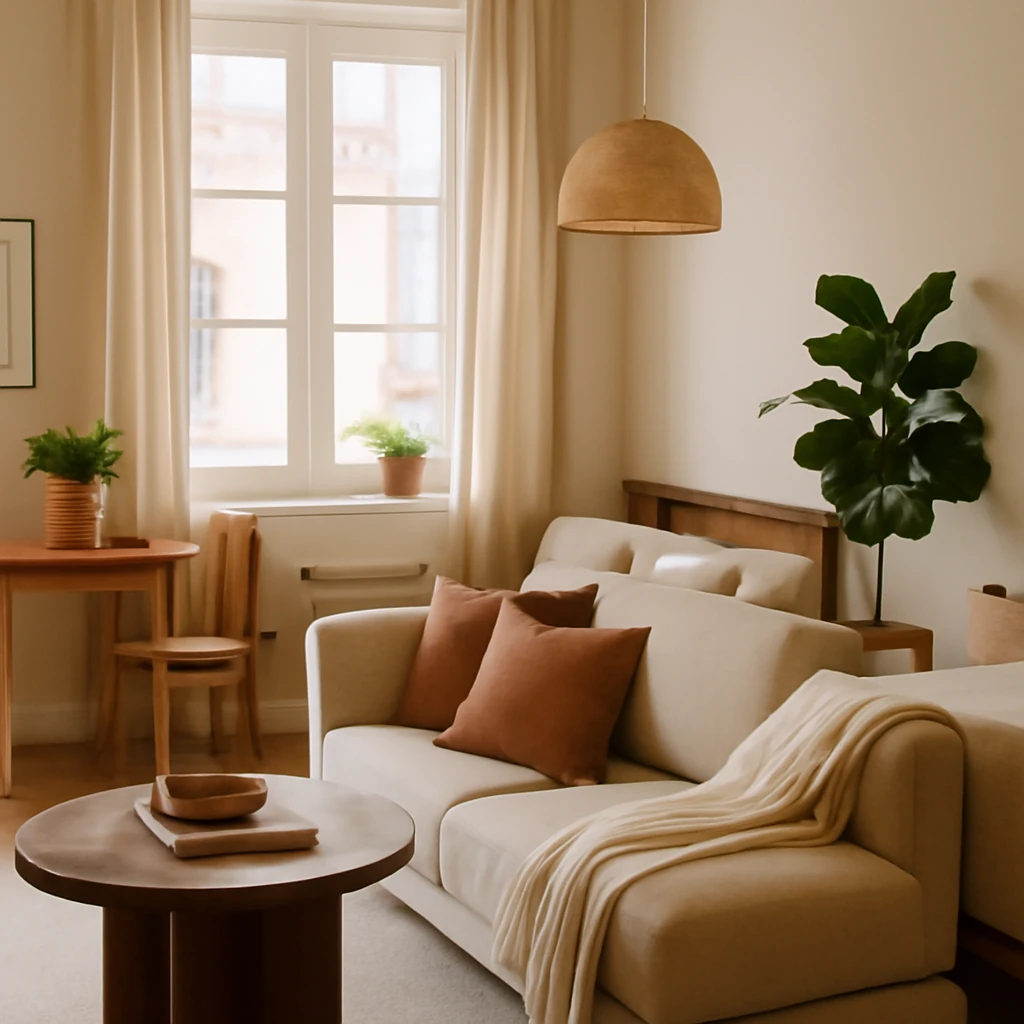
Introduction: designing for compact European living
Across Europe, many homes fit the footprint of a single room rather than multiple dedicated spaces. Studio flats and compact one-bedroom layouts are common in historic city centres and rapidly growing urban districts alike. The challenge is to create environments that feel generous, work efficiently, and adapt to changing needs - whether a busy professional, a couple, or a small family sharing a single compact living space. The following guidance translates timeless design principles into a practical, European context, focusing on zoning, scale, storage, lighting, and materials that enhance comfort without sacrificing style.
Smart strategies to expand the perception of space
In small interiors, perception matters as much as real area. The aim is to make walls recede, surfaces read as light, and everyday routines feel effortless. Consider these foundational tactics:
-
Light walls and ceilings deepen the sense of air. Choose paint or plaster finishes in soft neutrals - combining warm whites with creamy ivoire or pale stone tones. A matte or subtle satin finish helps light to diffuse softly across surfaces.
-
Ceiling design matters. A flat, light-coloured ceiling with minimal vertical interruption reflects more daylight and reduces visual mass. If a suspended ceiling is necessary, opt for a very pale finish and keep perimeters clean.
-
Reflective surfaces amplify light. Large wall mirrors, particularly with slim frames, can visually double the sense of space when positioned opposite windows or light sources. Consider wardrobe doors with mirrored panels or a freestanding mirror with an elegant frame as a design focal point.
Beyond light, texture and rhythm create spatial diversity without crowding. Use a restrained palette and introduce depth with subtle variations in texture - linen or flat-weave textiles, a tactile wool rug, or a stone-look tile with a microtexture. Keep decorative elements curated: a small number of meaningful pieces can deliver personality without visual clutter.
Zoning a studio: how radical must the renovation be?
In a compact flat, the line between living and working space is often blurred. You can pursue either a light, open-plan approach or define distinct zones with carefully chosen partitions. The key is to plan for flexibility, comfort, and ease of movement. Start by asking what each zone must do and how occupants interact with it day-to-day.
Removing non-load-bearing walls
Where feasible, removing non-structural partitions can dramatically increase usable area. Before any demolition, obtain expert advice about structural constraints and compliance with local regulations. If removal is not practical, consider alternative methods to imply openness, such as removing doors or swapping heavy doors for sliding pocket doors, which save floor space and create a seamless flow between zones.
Open plan versus defined zones
Open-plan layouts work well in many European flats, allowing daylight to travel through the space and enabling a sociable atmosphere. However, even in an open plan, you can establish functional zones using furniture arrangement, rugs, lighting, and colour cues. If more private zones are required - for example, a dedicated workspace or a sleeping area - a shallow screen or modular shelving can delineate areas without visually closing the room.
Partition options for compact interiors
Several practical options balance aesthetics with function:
- Functional bar or serving counter. A slim bar-height surface can act as a dining area, a workspace, and a subtle divider between kitchen and living zones.
- Decorative podium or low-rise platform. A small raised platform can define a seating area or bedtime space without creating a heavy sense of enclosure.
- Movable screens and bookcases. Lightweight, movable screens or bookcases offer flexible separation and can be repositioned as needed. Consider glass or translucent panels to preserve light flow while creating privacy.
- Glass or frosted glass partitions. Where permitted, glass partitions with frosted or sandblasted textures can separate zones while keeping sightlines open.
- Pocket doors or sliding doors. Sliding elements save floor space and maintain a clean silhouette when not in use.
Even small-scale partitions should be intentional - every extra centimetre of wall or furniture yields a visual boundary, the trick is to keep boundaries delicate and adaptable.
Lighting design for mood, function and space
Lighting can transform a small interior from functional to emotionally engaging. A layered approach - ambient, task, and accent lighting - ensures versatility for reading, cooking, entertaining, and relaxing.
- Ambient lighting. Use soft, evenly distributed illumination to avoid harsh contrasts. Recessed LED downlights or a slim ceiling fixture with dimming capability works well in most European finishes.
- Task lighting. Map task areas: a kitchen worktop, a desk, a vanity. Adjustable wall-mounted lamps or under-cabinet lighting add focus without casting shadows.
- Accent lighting. Subtle wall washers or picture lights highlight architectural textures or a chosen decorative piece without cluttering the room.
Avoid traditional large chandeliers in very small rooms, instead, opt for slim pendants or track lighting that enhances vertical layers without visually weighing the space. A well-placed wall light can also create cosy corners that feel more intimate in the evening. Integrating LED strips along shelves or fixed coves can softly sculpt the perimeter of a room and visually extend ceilings.
Choosing furniture for compact spaces
Furniture for a studio or a compact flat must be multifunctional, size-appropriate, and easily reconfigurable. European homes benefit from thoughtfully designed pieces that adapt to varying routines and guest arrangements.
- Modular sofas and compact frames. Modular seating allows you to tailor the footprint to the room. Look for low-profile legs to preserve sightlines and a slim arm profile to reduce visual bulk.
- Wall beds and convertible furniture. A wall bed (Murphy bed) or a sofa bed provides a practical sleeping solution without dedicating a permanent footprint. Pair with a compact storage solution to keep bedrooms or living zones uncluttered.
- Built-in wardrobes with integrated mirrors. A wardrobe with mirrored doors not only doubles as storage but visually expands the space. Consider a shallow depth (around 50 cm) to maintain room flow.
- Extendable dining and work surfaces. A dining table or desk that folds away or extends only when needed preserves floor space for daily activities.
- Storage-forward furniture. Choose pieces with concealed storage under seating, behind lift-up lids, or in the base of coffee tables to keep essential items out of sight yet accessible.
In European flats, the alignment of furniture with architectural features - windows, doors, and radiators - can free inches and enhance comfort. Ensure clearance around doors and the sofa to maintain easy movement across the room.
Kitchen design in a compact flat
The kitchen in a small home is often the most challenging zone to organise, yet with careful planning it can function as the heart of the space rather than a bottleneck. The objective is a sleek, efficient workflow with integrated elements that disappear when not in use.
Visual strategies to enlarge the kitchen area. Employ surfaces with contrasting textures: vertical cabinet fronts paired with a horizontal worktop to guide the eye along lengthened lines. Keep to a restrained palette - light neutrals with a single colour accent - to avoid visual clutter.
Space-saving equipment and layouts. Choose built-in appliances where possible - fridges, dishwashers, and ovens integrated within tall units. Consider a shallow worktop with a pull-out secondary work surface or a fold-down dining shelf at a windowed wall to maximise the usable area.
Storage mastery. Use tall, narrow floor-to-ceiling cupboards, install pull-out pantry drawers, and select cabinets with deep drawers that stretch to the back of the unit. A window sill can double as a permitted, compact work surface in many European kitchens, provided it remains stable and heat-resistant.
Minimal decor, maximum function. Replace heavy drapes with light, sheer curtains or blinds that let daylight in, declutter walls and open shelving to give the room a calm, cohesive appearance.
On a small kitchen plan, consider a work triangle that favours proximity between the sink, cooker, and fridge, while keeping a generous clearance in front of appliances for safe, comfortable use. A monochrome or softly coloured kitchen associated with the living area can visually join the spaces, while a subtle accent colour can coordinate handles, lighting, and textiles for a cohesive feel.
Bathroom design for compact living
Bathrooms in small European homes range from compact wet rooms to well-proportioned separate spaces. The design approach depends on the available footprint, but certain principles apply across the board: maximise storage, ensure robust finishes, and maintain a calm, easy-clean surface language.
- Combined bathrooms (wet rooms). In a compact footprint, a wet room concept can be efficient. Use moisture-resistant wall and floor panels, a continuous floor with a gentle slope to a linear drain, and a glass screen to manage splash while preserving openness. Built-in niches keep toiletries tidy and within reach.
- Separated bathrooms. If space allows, keeping the bath or shower and toilet in separate areas reduces crowding and improves usability - especially when more than one person shares the flat. In smaller spaces, a compact wall-hung vanity and a recessed mirror cabinet optimise storage without occupying valuable floor area.
- Fixtures and fittings for small rooms. Opt for compact sanitaryware with soft-close drawers and integrated lighting. Consider wall-hung units to free floor space, and use mirrors to amplify the sense of scale. Light, cool-toned colours with natural-looking stone or ceramic textures help create an spa-like calm even in modest rooms.
Ventilation is essential in compact bathrooms. Ensure extract fans are well positioned to manage humidity, and select materials with high moisture resistance and durability to withstand European climates and frequent use.
Storage and organisation in a studio
Storage is the backbone of a comfortable studio. The aim is to conceal everyday clutter while keeping frequently used items accessible. Below are practical strategies that work across European cities and rental situations:
Built-in wardrobes with clever interiors. Plan wardrobe interiors with dividing rails, adjustable shelves, and dedicated spaces for seasonal clothing, bedding, and accessories. Consider modular dividers to adapt to changing storage needs over time.
Maximise vertical space. Install shelves or cabinets above doorways, windows, and along tall walls. Wall-mounted systems near the bed or seating zones help keep surfaces clear and easy to clean.
Under-furniture storage. Drawers and lift-up lids beneath beds or sofas provide discreet repositories for infrequently used items. Footstools with hidden storage or coffee tables with storage compartments offer additional space without visual heaviness.
Corner and alcove utilisation. Narrow, tall units or corner shelves fit into awkward spaces between radiators or beside windows, turning every centimetre into a functional niche.
Soft furnishings with purpose. Use bedding and textiles that coordinate with the room’s palette and double as acoustic dampening. A couple of well-chosen baskets or bins can store laundry or miscellaneous items while contributing to the overall aesthetic.
Organisation is also about routines: assign a dedicated place for coats, bags, and work materials near the entry, and keep the kitchen counters clear by limiting what stays on the work surfaces. A well-planned storage system reduces daily stress and makes room for evolving needs - whether a new work-from-home set-up, a home gym, or guest space.
Choosing a style for a small home
Small spaces benefit from contemporary, restrained styles that prioritise function, light, and subtle textures. In European contexts, popular directions include Scandinavian minimalism, Nordic-Japandi fusion, and modern urban loft with industrial accents. The goal is to emphasise simplicity, clean lines, and continuity of materials, rather than an excess of ornament.
- Scandinavian and Nordic minimalism. Light woods, pale textiles, and crisp whites create a serene backdrop. Pair with soft, tactile textures to avoid clinical coldness. Natural materials and energy-efficient lighting complete the aesthetic.
- Japandi influences. A refined blend of Japanese and Scandinavian sensibilities - simple silhouettes, low-profile furniture, and a monochrome palette with warm wood tones - works well in small European homes seeking calm, functional beauty.
- Industrial and contemporary blends. For those living in lofts or historic buildings, exposed brick or concrete-inspired finishes, metal accents, and purposeful vintage details can add character while remaining cohesive with a light, modern layout.
Whatever the chosen language, consistency is crucial. Limit the number of accent colours to one or two and use recurring materials (for example, oak veneer, terrazzo, or stone-look porcelain) to knit spaces together. Add personality with thoughtfully chosen textiles, artwork, and a few meaningful objects that tell a story without crowding surfaces.
Finishes, colour and materials: durability meets beauty
In European homes, the choice of finishes contributes as much to practicality as to aesthetics. The bathroom and kitchen, in particular, demand moisture- and wear-resistant surfaces, while living areas benefit from warmth and texture. Consider the following approach:
- Flooring. Durable, low-maintenance options such as wide-plank engineered wood in a light to medium tone or porcelain stoneware that imitates natural stone are popular. In kitchens and bathrooms, choose ceramic tiles with slip resistance and easy-clean properties.
- Wall treatments. A damp-proof paint system or moisture-resistant paneling is wise in zones near the kitchen and bathroom. In living areas, plaster or decorative wall panels in soft hues can create depth without overpowering the room.
- Countertops and cabinetry. Quartz composites and dense laminates resist stains and heat, while timber veneers add warmth. For handles and fittings, prefer matte finishes in brushed nickel, warm brass, or satin chrome to maintain a contemporary cadence.
- Textiles. Opt for natural fibres where possible - linen, cotton, wool - paired with synthetic blends that withstand wear. Layer rugs to define zones and dampen sound without visual heaviness.
The material palette should be cohesive and practical, reflecting the climate and lighting of your city. In northern or high-latitude climates, warmer neutrals and wood tones can create a cosy ambience that remains energetic through the day with well-planned lighting.
Practical planning tips for real life in a small space
Design success in compact European homes hinges on practical realities: how the space will be used, how it will evolve, and what constraints exist in a rental or ownership situation. Consider these planning strategies:
- Define core functions first. List essential activities - sleeping, cooking, working, relaxing - and design around those functions instead of filling empty corners with random furniture.
- Prioritise flexibility. Choose furnishings that can be reconfigured for different tasks. A dining table that doubles as a desk, a sofa that converts into a bed, or a room divider that can be moved as needed increases the durability of the space.
- Plan for future changes. Whether you expect guests, a growing family, or a change of work needs, ensure the layout can adapt. Opt for modular pieces and ensure there is room to breathe around them.
- Consider acoustics and comfort. Soft textiles, rugs, and shelving can absorb noise in shared walls and create a calmer home atmosphere, especially in city environments where exterior sounds are more pronounced.
- Budget pragmatically. Start with structural improvements if allowed, then invest in high-impact finishes and resilient fittings. Small upgrades, such as improved lighting and smart storage solutions, often yield the most noticeable benefits for modest budgets.
Spatial planning and practical examples
Every European city has its own architectural quirks, but the principles of efficient spatial planning remain universal. Here are common approaches that translate well across contexts:
- Studio with a defined sleeping alcove. Create a soft boundary using a low shelf, a curtain, or a shallow partition. Position the bed against a wall that allows daylight to reach the living area and keep the bed neatly dressed with integrated storage wherever possible.
- Living-dining-kitchen in one line. For narrow spaces, align furniture in a single sweep from entry to window. A slim sofa with a compact coffee table, a narrow dining console, and wall-mounted cabinets can keep the footprint lean while maintaining function.
- Corner work zone in a compact plan. A compact desk near a window makes a pleasant workstation while keeping the bulk of the living area open. Use wall-mounted storage above the desk to free floor space.
- Off‑centre layouts for social spaces. Offsetting the seating arrangement from the central axis creates a natural social corner, enabling conversation and easy circulation without a rigid, boxy feel.
In every scenario, lighting and texture are used to draw attention where you want it and away from where you don’t. The goal is to create an environment that feels larger, calmer, and genuinely comfortable for daily life and occasional entertaining.
Final thoughts: making a small space feel like home
Small European homes reward thoughtful design that respects light, rhythm, and function. By prioritising layered lighting, flexible furniture, and a restrained materials palette, you can create a space that is not only beautiful but genuinely habitable and adaptable. The ultimate aim is a home that anticipates daily needs, welcomes guests, and remains comfortable as life evolves. When executed with care, a compact interior can feel expansive, coherent, and distinctly you.
Glossary of essential strategies
- Maximise light. Use pale, warm neutrals, mirrors, and glass where appropriate to enhance brightness and perception of space.
- Choose multifunctional furniture. Pieces that serve more than one purpose reduce clutter and increase usable area.
- Define zones with light and alignment. Subtle visual cues - lighting, colour, and furniture lines - create distinct areas without heavy boundaries.
- Invest in durable, easy-clean finishes. In kitchens and bathrooms, choose moisture-resistant materials that withstand daily use and aggressive cleaning.
- Keep it cohesive. A restrained palette and repeat materials knit the space together, making it feel larger and more intentional.
You may also like these articles
 Tips & How-To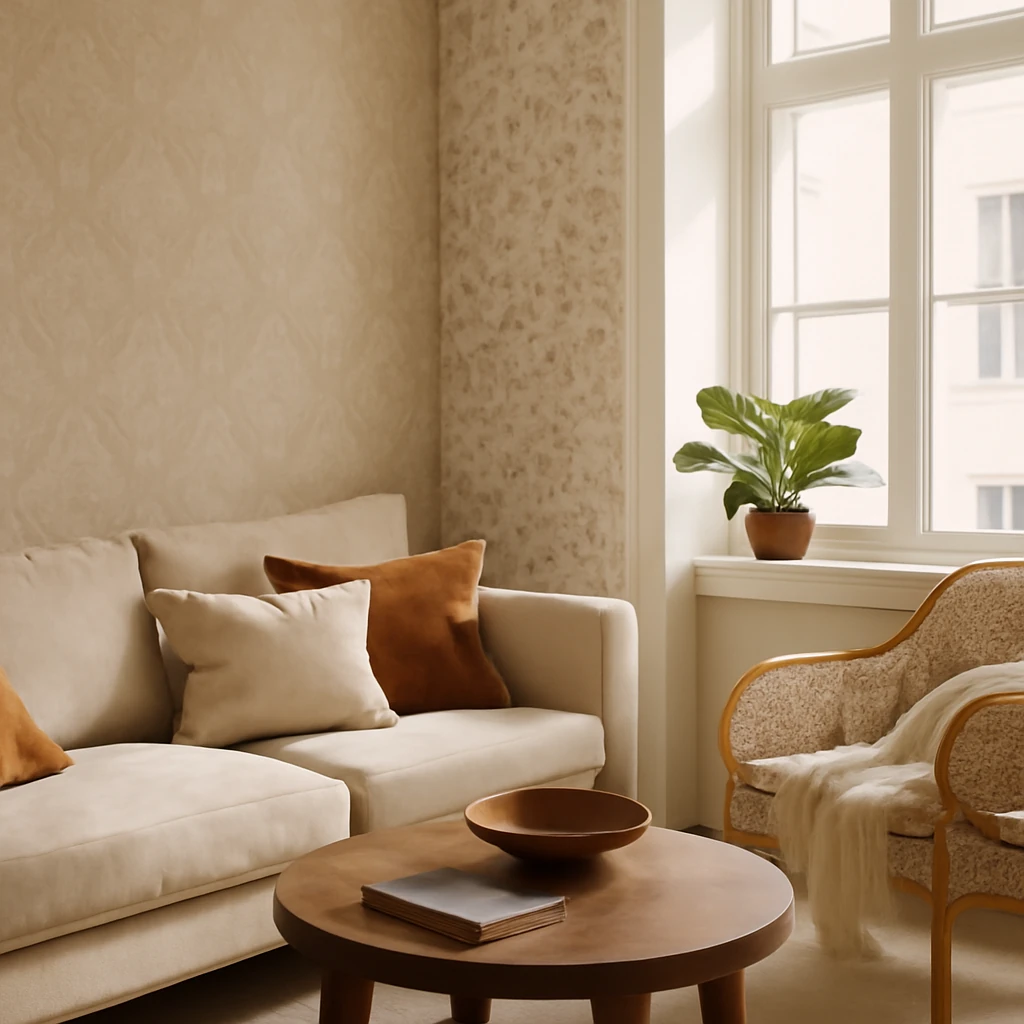
How to Mix and Match Wallpapers: A European Guide to Layered Walls
Master the art of wallpaper layering for sophisticated European interiors.
Small Spaces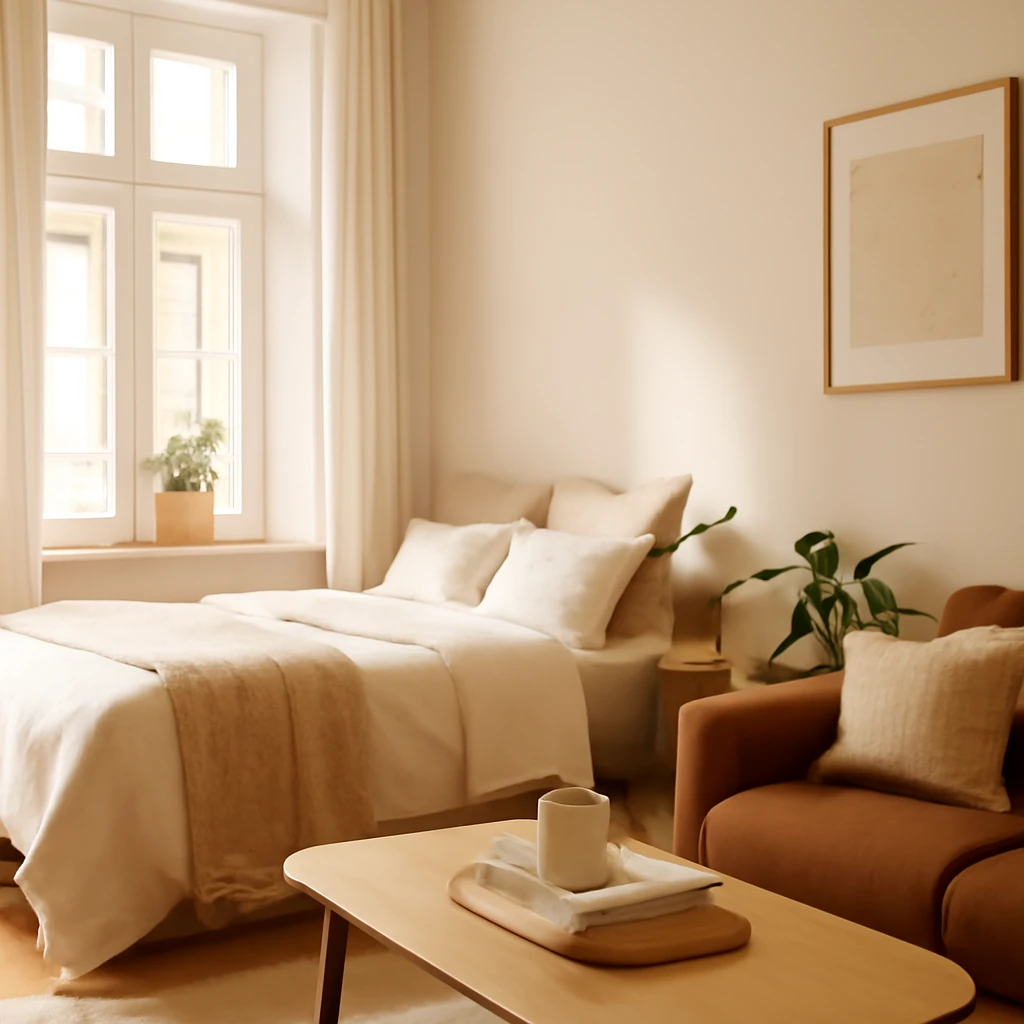
Smart zoning for compact living: creating a cohesive bedroom–living area in small European homes
Smart layouts to transform one room into cosy sleep-and-live zones.
Tips & How-To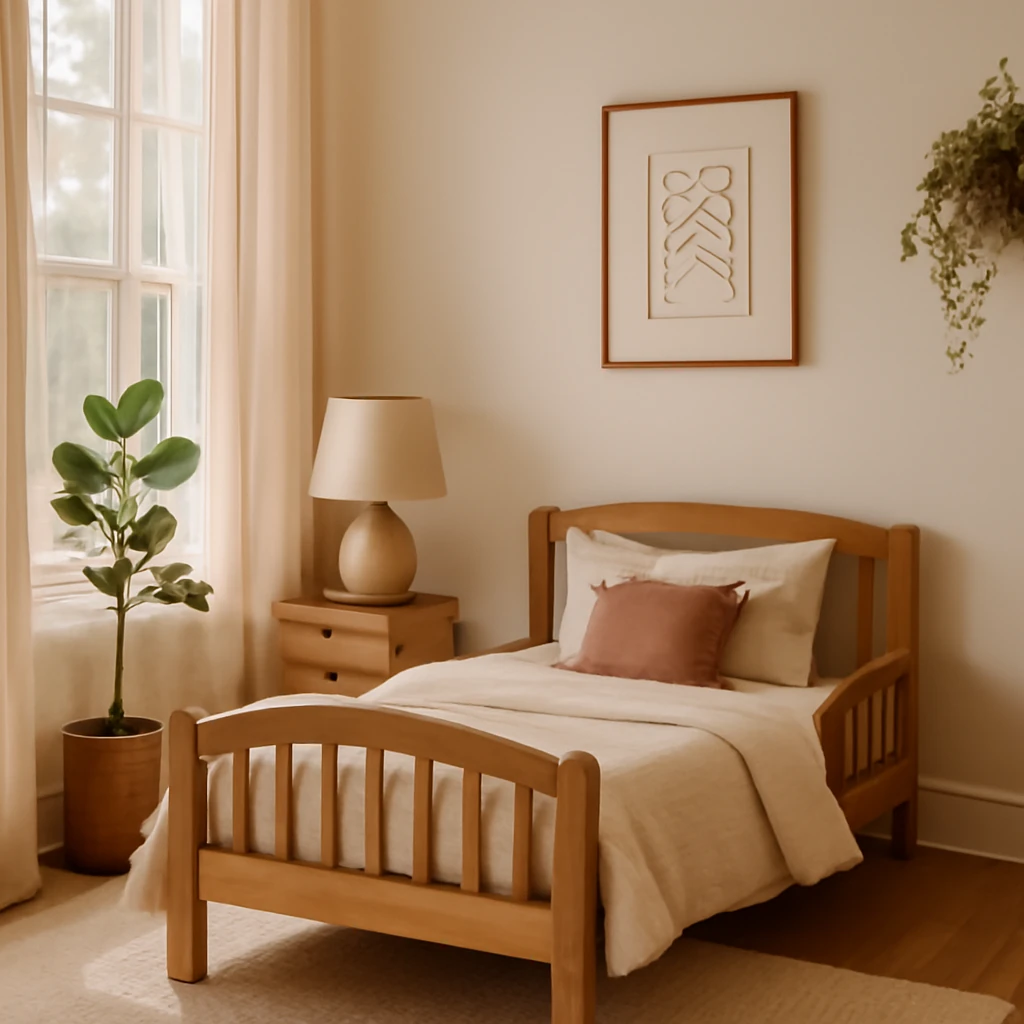
Growing with grace: how to choose a child bed that fits your European home
A practical guide to sizing, safety, and styling for children's beds across Europe.