
Explore interior trends, AI design insights, styling guides and real transformations
Small Space Living: European Transformable Furniture for Every Home
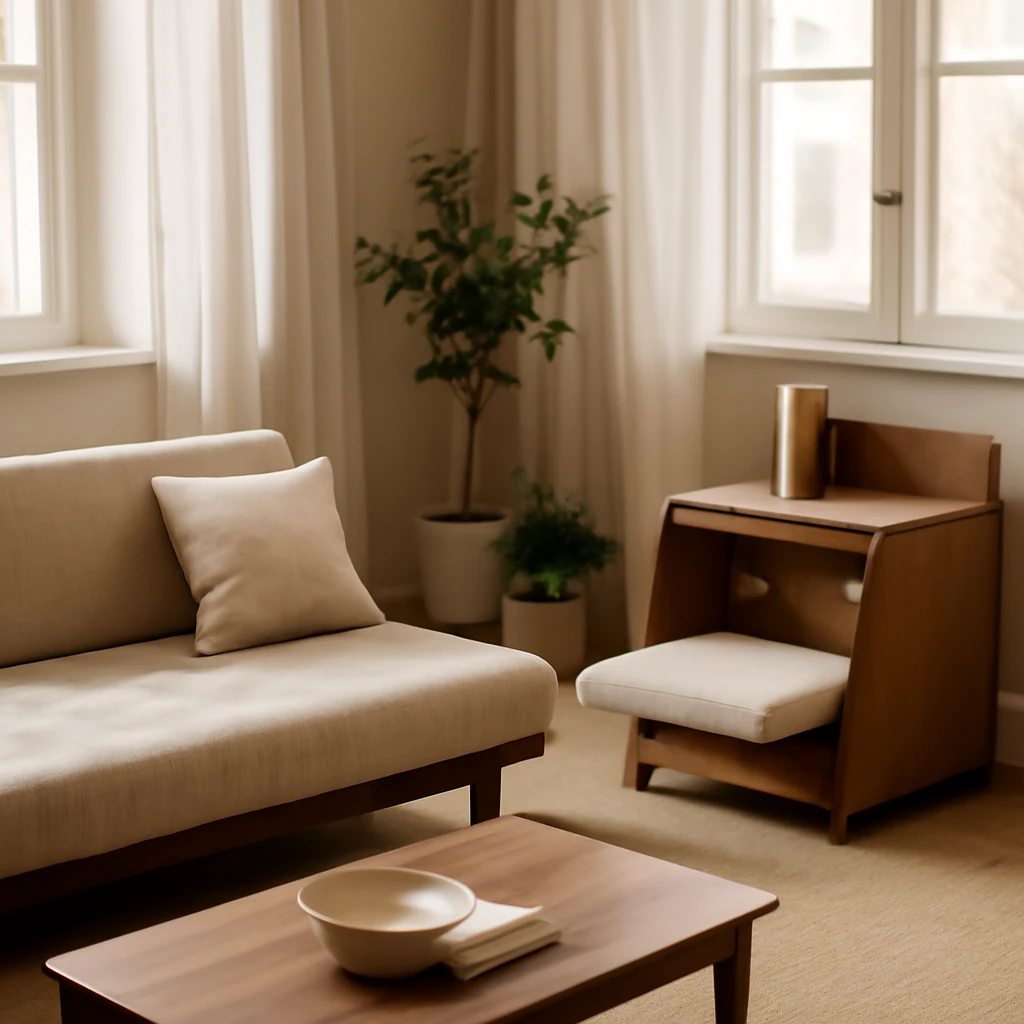
What is transformable furniture?
Transformable furniture are contemporary, multifunctional pieces whose designs allow quick changes in form and function. In practice, they can switch from sleeping surfaces to working desks, from seating to storage, or from a compact sofa into a full guest bed. In European homes, where space is precious and layouts vary from city flats to compact townhouses, these smart systems enable a cleaner silhouette, better flow and more flexible daily routines.
Modern transformables rely on precise mechanisms and quality materials to ensure reliability and longevity. The aim is to merge practicality with refined design, so rooms remain calm, clutter free and beautifully proportioned whether the furniture is in use or folded away.
In many contemporary layouts across Europe, open plan living areas blend into dining corners and compact kitchens. Transformable furniture responds to this by offering pieces that can disappear when not needed, yet reappear with ease for work, rest or socialising.
Benefits of smart pieces for small European apartments
Space saving
The key advantage is maximising every square metre. A well chosen transformable sofa bed, for example, can provide a comfortable seating area by day and a bed by night, freeing space for a home office, a dining zone or a play area without compromising comfort.
In compact homes, the ability to tuck a bed, desk or wardrobe away behind a front panel or inside a cabinet reduces visual clutter and helps rooms feel larger and brighter. This is particularly valuable in urban flats where ceiling heights are standard and floorspace must be curated with care.
Multi functionality
Transformable systems combine several functions into a single object. A modular unit can serve as storage, a workspace and a sleeping zone, depending on configuration. This eliminates the need for numerous individual pieces and promotes a cohesive, coherent interior language across rooms.
Ease of use
Most contemporary mechanisms are designed for everyday life. Smooth folding, quiet rails and intuitive operations make these pieces accessible to all ages, from young families to older adults, and safe to operate in homes that are frequently reconfigured for guests or family life.
Style and design
Transformable furniture now comes in a wide range of finishes, colours and textures. The design language is both timeless and contemporary, enabling seamless integration with neutral palettes, bold statements or material contrasts. Clean lines, soft corners and adaptable hardware help maintain a calm, elegant ambience even when the furniture is in motion or stacked away.
Types of smart pieces
Below are the most popular categories of transformable furniture that suit European living spaces. Each can be specified with a variety of finishes and configurations to fit individual needs and architectural styles.
Fold out sofa beds
During the day, a sofa invites relaxation or conversation. By night, it becomes a bed without requiring a separate room. Modern sofa beds often include built in storage for bedding and seasonal items. The mechanism used to unfold the bed varies, but all are designed to be reliable and easy to operate even in small rooms. The choice of upholstery and frame is important for durability and comfort, with options ranging from fabric to performance textiles and leather alternatives.
For narrow or shallow rooms, consider models that fold out in a direction that preserves floor space. Conversely, in slightly larger living spaces a modular sofa bed can provide a generous sleeping surface and still function as a statement piece by day.
Wall beds and beds with integrated storage
Walls beds or beds that nest within cabinets are a potent solution for small homes. When folded, the bed lies flush with the wall or within a wardrobe system, freeing floor space for daily activities. Many configurations offer additional storage within the bed base or headboard, ideal for bed linen, pillows and bedtime essentials. The key is a quiet operation, a shallow clearance for the bed to fold, and a mechanism that remains comfortable to operate for years.
Modular storage and shelving systems
Modular storage systems enable a room to adapt as needs change. Individual blocks with shelves, drawers and doors can be reconfigured to create different storage zones, room dividers or display areas. Such systems are particularly effective in open plan living areas where a stylish partition can separate dining from lounging without visually blocking light or sightlines.
In urban European homes with multiple micro spaces, a transformable shelving unit can double as a decorative feature, a media cabinet and a clothing hanger, depending on how it is arranged. The ability to relocate modules makes it possible to refresh interiors without major renovations.
Modular wardrobes and dressing systems
Wardrobes designed as modular blocks offer flexible storage that grows with the wardrobe needs of the household. Components can include adjustable shelves, hanging rails, drawers and specialised compartments for shoes or jewellery. When space is tight, a wardrobe wall can be integrated with a mirror panel to visually enlarge the room while performing multiple functions.
Convertible tables and desks
Tables that adapt in height, width or proportion are invaluable in compact homes. A lift top coffee table can reveal a storage compartment or a small desk beneath, while a height adjustable desk can transform a sofa corner into a productive workstation. Desks with extendable surfaces are perfect for occasional home working, supporting laptops, planning and writing while remaining unobtrusive when not in use.
Compact console and lift top tables
Console tables, sometimes paired with storage beneath, provide a thin profile for hallways or behind sofas. Lift top variants offer a hidden workspace or a display surface, enabling a room to flex between reception and work zones as needed. These pieces help maintain clear sightlines and a sense of openness in smaller layouts.
Small coffee tables and side tables with expandable surfaces
Tables with extendable surfaces or rotating elements help to adapt to casual dining, games nights or laptops and cups of tea. When not in use, they stay compact and unobtrusive, preserving circulation space while still offering practical use when required.
Practical advice for choosing transformable furniture
Selecting the right pieces requires careful planning, measurements and a clear view of daily habits. The following guidelines help ensure that the investment pays off in long term comfort and improved living quality.
Measure the space accurately
Begin with a precise map of the room, noting doorways, windows, radiators, and any architectural features that might influence furniture placement. Measure floor to ceiling height, and include clearances for unfolding or extending mechanisms. Remember that transformable pieces alter their footprint, so plan for both compact and expanded states. For example, a sofa bed should have enough depth to accommodate the mattress in bed mode without blocking a doorway or restricting circulation.
Assess your true needs
Consider the core activities in the room and the essential functions you require daily. Do you need a guest bed or a dedicated workstation, or both? Would you benefit from additional hidden storage or a modular system that can reconfigure as family circumstances change? Prioritising tasks helps narrow the field to a few reliable options rather than a broad, unfocused mix.
Quality of materials and mechanisms
Durability matters because you will use these pieces frequently. Look for solid metal or hardwood frames, high quality springs or foam for seating, and robust hinges or rails for movement. Check for smooth operation, minimal friction, and a warranty that covers the essential components. Mechanisms should be able to withstand regular transformation without loosening or creaking over time.
Finish, colour and texture
Choose finishes that harmonise with the room’s palette and lighting. Light woods, matte lacquers and textiles with performance fabrics help keep interiors calm and easy to maintain. A carefully chosen colour story can widen the perceived space, lighter tones reflect natural light, while pops of colour can highlight architectural features without overpowering the room.
Materials and sustainability
In Europe there is growing attention to sustainable sourcing and low environmental impact. Look for FSC or PEFC certified timber, responsibly produced metal hardware and fabrics with high durability and cleanability. A modular approach often extends a furniture’s life by allowing it to adapt rather than be replaced, contributing to a more sustainable home habit.
When planning, also consider delivery, assembly and access to your home. In many cities, restricted lift access or narrow stairwells require pre assembly or careful transport planning. A well planned delivery can prevent damage and minimise disruption to daily life.
Creating a functional space with smart furniture
Transformable pieces are not merely practical, they can actively enhance the ambiance of a home. The trick is to blend practicality with lightness, proportion and tactful styling. Here are approaches that work well in European interiors.
Zoning with light and form
In open plan living areas, a modular bookshelf can act as a soft divider without visually shrinking the space. A low sofa bed with a slim profile creates a welcoming lounge area while leaving a path to the dining space unobstructed. The goal is to maintain a sense of flow, so zones feel connected rather than fenced off.
Hidden storage as a design feature
Storage cleverly concealed in beds, coffee tables or shelves helps sustain a calm, uncluttered look. When items are stored out of sight, the room feels larger and more breathable. Visible storage should be curated as part of the interior story, balancing practicality with aesthetics.
Adapting to daily life
In small households, furniture that can be rearranged for different uses makes everyday routines smoother. A compact dining surface can double as a work area, then transform into a breakfast bar. A bedside unit with a fold down desk converts a compact bedroom into a small home office when needed.
Lighting and surface strategies
maximise light and perception of space by combining reflective surfaces, light fabrics and layered lighting. A glass or light coloured top on a table, paired with a pale floor and walls, helps bounce daylight across the room. A wall mounted light near a lift top surface ensures convenience when the surface is in use.
Care and maintenance of transformable furniture
To keep smart furniture performing well for years, regular maintenance is essential. Areas to focus on include the movement mechanisms, the upholstery and the integrity of wood or metal parts.
- Regular lubrication of moving parts ensures smooth operation and reduces wear. Follow the manufacturer recommendations for the appropriate products and intervals.
- Upholstery care depends on the fabric or leather used. Vacuum regularly with a soft attachment to remove dust. Treat stains promptly using the appropriate cleaner for the fabric type and avoid saturated dampness that could affect the frame or mechanisms.
- Wood and metal care dust frequently and use suitable polishes or protective finishes as advised by the manufacturer. Avoid exposure to excessive moisture or direct heat which can distort materials or degrade moving parts.
- Check joints and fittings periodically for looseness. Tighten screws and bolts as required, following the assembly instructions. Do not exceed the recommended weight limits for any extension or lifting mechanism.
Keep a digital record of care instructions from the product manual. If possible, photograph the guidance soon after purchase to ensure you have access before it wears or fades over time.
Examples of contemporary modular systems for stylish interiors
Smart furniture that can be adapted to European interiors often draws on modular construction and enduring materials. Designers explore clean, salvage-friendly finishes such as natural wood veneer, painted steel frames and durable textiles that resist wear. The most successful installations balance refined decoration with the flexibility of movement that the space requires. A well curated selection of modules, shelves and beds can create a cohesive environment that remains legible and peaceful even as layouts evolve over the years.
In recent showrooms and design fairs across Europe, emerging collections highlight lightweight, modular components that can be grouped in multiple ways. The emphasis is on longevity and a timeless language that can be refreshed with new surfaces or accessories rather than replaced entirely. The practical result is interiors that respond to changing life stages while retaining a coherent, sophisticated look.
Common questions and practical tips
What mistakes do people make when buying transformable furniture?
Common errors include neglecting precise room measurements for the expanded state, purchasing mechanisms that are overly complex or unreliable, and underestimating maintenance needs. Selecting pieces without considering daily use or the sizing of entry points can lead to awkward fits and compromised functionality. A thoughtful balance of function, form and durability is essential.
What materials are typically used for transformable models?
Manufacturers frequently employ laminated particleboard or fibreboard for the structural components, with solid wood details where feasible. Metal hardware provides strength for the lifting and folding mechanisms, while upholstery uses robust fabrics, performance textiles or leather. The right mix supports longevity and the clean aesthetic that clients expect in contemporary European interiors.
How should one care for transformable furniture to extend its life?
Regular cleaning, protection from moisture and heat, and routine inspection of mechanisms are vital. Do not overload drawers or extension surfaces, and follow the manufacturer maintenance schedule. A little attention now extends the life of these versatile pieces and preserves the room’s calm, orderly appearance.
In short, transformable furniture offers a powerful path to refined living in compact European homes. It enables flexible configurations, reduces clutter and maintains an elegant, contemporary feel. With careful selection and proper care, these pieces become dependable companions for daily life, guests and changing family needs.
Conclusion
- Integrating transformable furniture into a home is both practical and inspirational. It empowers households to shape their own spaces, creating rooms that adapt to moments of work, rest and socialising.
- Modular and mobile pieces offer easy reconfiguration to match evolving needs, without resorting to major renovations or new purchases.
- In small spaces, folding, lifting and sliding systems provide the most significant benefits. They enable seamless transitions from living to working, from hosting to downtime, all within a cohesive, stylish environment.
- Note: contemporary European interiors frequently celebrate lightness, sustainable materials and modular design. The most successful spaces blend technical cleverness with a calm, coherent aesthetic that remains unfettered by fashion cycles.
Further reading and inspiration
For readers seeking to apply these ideas, start with a careful audit of daily routines and the roles each room plays. Then identify a limited number of transformable pieces that can perform multiple functions while maintaining a consistent design language. A staged approach - introducing one or two key pieces, then expanding as needs change - often yields the most satisfying long term outcomes.
You may also like these articles
 Kitchen Design
Softer than steel: mastering the grey‑blue kitchen across Europe
A refined guide to grey-blue kitchens for European homes, balancing cool elegance with warmth.
Bathroom Design
Five design concepts for European bathrooms: partitions, niches and tile patterns
Five stylish bathroom ideas blending light, texture and clever zoning.
Small Spaces
Small spaces, big style: Essentials for European apartment design
Smart strategies to transform compact European homes into comfortable, stylish spaces.