
Explore interior trends, AI design insights, styling guides and real transformations
Designing a Masculine Bedroom: European Insights for Modern Living
Introduction
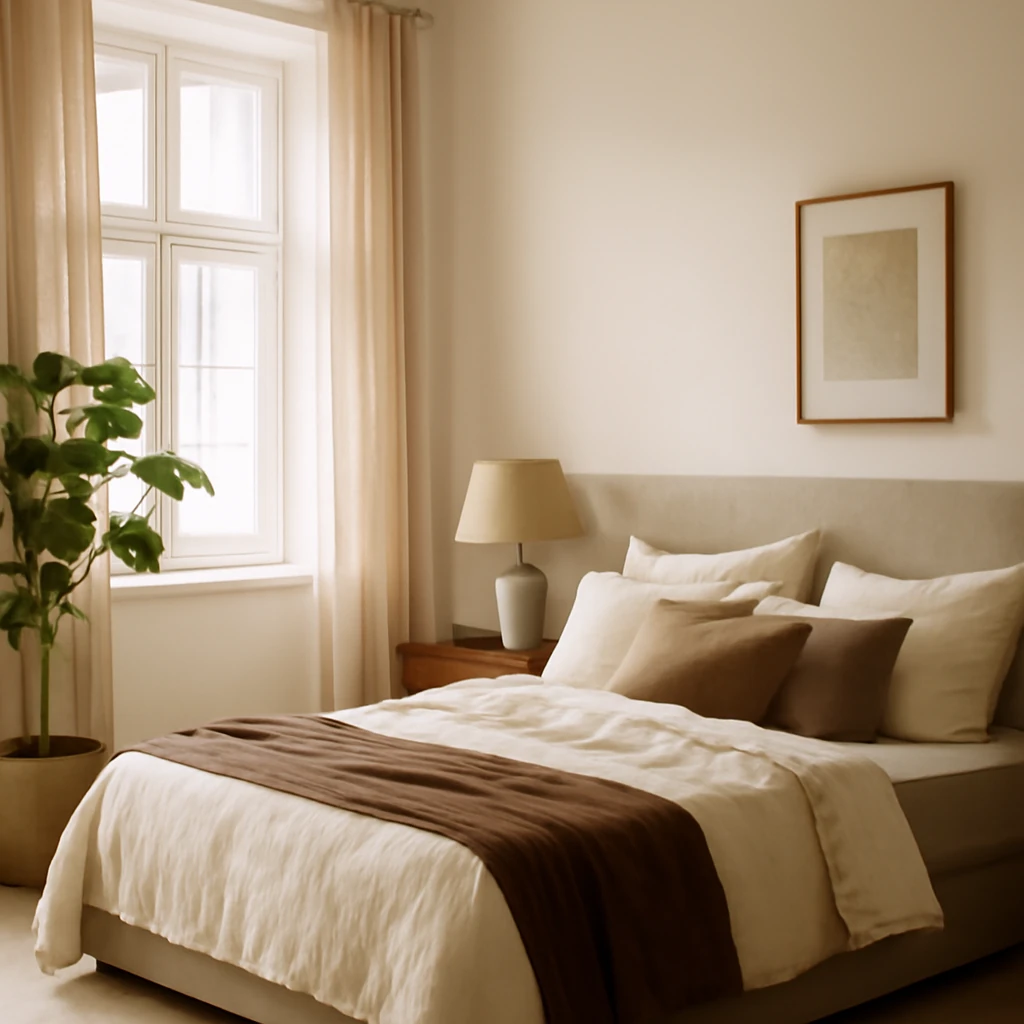
In contemporary European homes, the masculine bedroom is more than a place to sleep. It is a personalised sanctuary that blends ease of use with tactile richness, warmth with restraint. The goal is to create a space that feels calm yet purposeful: a retreat from the daily clatter, where objects serve a clear function and surfaces invite touch. Achieving this balance requires thoughtful layout, durable materials, and a colour and texture strategy that communicates maturity without stagnation. The best rooms embody a sense of space, an absence of clutter, and a sense of tactility that makes everyday routines feel deliberate and luxurious.
The modern masculine bedroom borrows from several design languages, but it always centres on three principles: clarity of use, robust aesthetics, and a sophisticated sense of acoustic and visual calm. In European contexts, this often translates into modular systems, high-quality materials, and lighting that can shift from work-ready to relaxation-inducing with a single adjustment. The result is a room that supports both focus and rest, whether the occupant is a student, a nascent professional, or someone settled into a busy career.
Key principles of the masculine room
Every masculine bedroom follows a few universal rules, even when the stylistic language varies. The space should:
- Explain its function at a glance: sleeping, working, dressing, and unwinding should each have a clearly defined zone.
- Offer durable, low-maintenance materials that stand up to wear and time, with finishes that feel and age well.
- Be highly organised, with storage that disappears behind doors and drawers, reducing visible clutter.
- Use colour and texture to convey warmth, confidence, and calm, without resorting to heaviness or austerity.
While the early design choices are crucial, the real magic lies in details: the quality of the bed linen, the tactility of a leather or wool throw, the quiet gleam of metal accents, and the way lighting layers from task to ambient. These moments define a masculine room that is both elegant and lived-in.
Essential furniture for a European masculine bedroom
The backbone of any masculine bedroom is a carefully planned furniture set that supports daily routines and long-term comfort. Prioritise pieces that can withstand frequent use and adapt to changing needs as life evolves.
- Bed and sleep zone: Opt for a platform bed or a bed with a robust frame. If space is tight, a high-quality futon or a sofa bed can offer flexible sleeping arrangements without compromising daily living space. Attach a headboard with integrated shelving or soft lighting for reading without cluttering the nightstands.
- Desk and workspace: A dedicated writing or computer desk equipped with an ergonomic chair promotes focus and productivity. Look for a desk with cable management and drawers or shelves that keep equipment out of sight when not in use.
- Storage and wardrobe: Consider a built-in wardrobe along a longer wall or a modular wardrobe system with deep drawers and shallow compartments for shirts, trousers, and accessories. Sliding doors maximise floor area in smaller rooms.
- Media and entertaining area: A compact media unit or wall-mounted display with integrated speakers provides sound without overwhelming the room. If a bar area is desired, choose a compact, well-designed drinks cabinet that can be tucked into a corner when not in use.
- Hobby or craft corner: Dedicate a small station for a hobby that brings calm or satisfaction - an instrument corner, model-making table, or a simple workstation for DIY tasks. This can be a compact table with wall storage to keep tools organised and out of sight.
Where possible, opt for furniture with soft, rounded edges to balance the room’s masculine energy. Materials like dark timber, brushed metal, and leather convey strength, but the room should never feel hard to live in. Layering soft textiles, warm lighting, and tactile surfaces will temper the austerity that can come with a minimalist or industrial aesthetic.
Decor and colour: shaping the mood
Decor in a masculine bedroom should reflect personality without overpowering the space. It is better to curate items that speak to the occupant’s interests - sport, travel, music, design - rather than adorning every surface with generic pieces.
Colour choices for a European masculine bedroom typically rely on a restrained palette with strategic accents. Base tones are often neutral and deep - charcoal, graphite, taupe, or warm greys. Accent colours may include navy, olive, burgundy, or deep green, applied to textiles, artwork, or a single architectural feature. The aim is a layered atmosphere, where colour comes from materials and textiles as much as from paint.
Natural materials are particularly appealing for a masculine room. Solid wood or veneered panels bring warmth, metal and stone add a refined edge, leather or wool textiles provide tactile richness. A touch of texture - think a tweed throw, a wool rug, or a linen duvet - adds depth without visual noise.
Plants are welcome in masculine spaces if chosen thoughtfully. A tall indoor plant in a simple pot or a handful of sculptural succulents can introduce life and oxygen without appearing decorative for decoration’s sake.
Modern masculine bedroom styles in Europe
- Minimalism. A calm, uncluttered space with clean lines, a restrained palette, and highly functional furniture. Textiles in matte textures and subdued colours create a serene backdrop for personal objects that truly matter.
- High-Tech. A contemporary, almost distilled aesthetic that uses technology as a design element. Think concealed lighting, smart blinds, and wall systems that integrate media and charging stations. Surfaces may feature metal finishes, glass, and engineered materials that read as sleek and efficient.
- Art Deco. Rich materials, geometric forms, and a sense of luxury without excess. A dark, lacquered headboard, metal detailing, and elaborate yet carefully edited furnishings can create a dramatic yet comfortable room.
- Classic/Timeless. A grounded look with traditional proportion, wood floors, and refined upholstery. Use of elegant lighting, proportioned case goods, and restrained ornament ensures longevity and a sense of enduring quality.
- Maritime/Coastal influence. Light, breathable textures with sun-bleached woods, blue accents, and simple fabrics. This style suits homes near coastlines or with a light-filled aspect, balancing resilience with calmness.
While the style narrative may vary, the room should always maintain coherence between furniture, lighting, and textiles. In practical terms, this means coordinating finishes - wood tones, metal hardware, and textile textures - so that every element reads as part of the same family rather than as separate, competing pieces.
Zoning: creating clear sleeping and working zones
Most European bedrooms double as multi-use spaces, particularly in city apartments where space is precious. The most successful layouts separate sleeping from working and dressing areas while avoiding visual fragmentation.
- Spatial delimitation: A low bookshelf or a slim wardrobe can act as a boundary between the bed and the desk, while a rug under the bed defines the sleep zone. Positioning the desk near a window provides daylight for work and study, which also enhances mood and productivity.
- Lighting zoning: Layer lighting to support different tasks - overhead ambient, task lighting at the desk, and a warm, dimmable glow for evenings. A pair of wall-mounted sconces on each side of the bed reduces the need for bulky nightstands and creates symmetry.
- Vertical division: Instead of walls, use tall shelving units or divided screens to create a sense of separation without enclosing the space. This approach preserves sightlines, essential in smaller rooms, while giving each zone a distinct character.
When choices are limited, a well-considered ceiling detail can help distinguish zones. A shallow coffered ceiling with integrated LED strips can frame the sleeping area and provide a gentle, indirect glow for evening routines.
Designing for different ages within a European context
Though a masculine room shares core principles, the occupant’s age influences priorities and typologies. Here are three archetypes that reflect common life stages across Europe:
- The 20-year-old student: A room that supports study, socialising, and downtime. A dedicated workspace, compact storage, and space for sporting or musical equipment are essential. Colour and materials should be durable and forgiving, with modular furniture that can adapt as interests evolve.
- The 25-year-old early professional: Functional, efficient layouts that accommodate wardrobe growth and a more settled routine. Focus on high-quality storage, a comfortable desk setup, and a welcoming seating area for guests. Transforms surfaces into a refined backdrop for professional life and personal hobbies.
- The 30-year-old professional: A more mature environment with refined materials and ergonomics. The workspace should feel integrally part of the room, not an afterthought. A high-quality bed, premium textiles, and a calm colour scheme foster rest and focus after long days.
Across these stages, the room’s evolution should be seen in furniture adaptability, robust construction, and a palette that can grow with the occupant. The best spaces age gracefully, avoiding fads while embracing timeless details.
Small spaces: strategies for 10–15 m² rooms
In many European cities, bedrooms fall within compact footprints. For spaces around 10–15 m², clever strategies maximise comfort without compromising atmosphere.
- Choose a bed with integrated storage or a foldable sofa bed to free floor space during the day.
- Use a wardrobe with sliding doors to avoid door clearance requirements and keep circulation open.
- Opt for light-reflective wall finishes and a pale floor to enlarge perceived space. Keep ornamentation restrained to avoid visual clutter.
- Consider wall-mounted storage for books and accessories, and use vertical space for long shelves that draw the eye upward.
- Use multi-functional furniture, such as a desk that can double as a console when not in use, or a bench that stores shoes inside.
In small rooms, good lighting is essential. A combination of ceiling, task, and ambient lighting creates depth, while dimmable sources help transition from work to rest without the need for multiple switches or cluttered surfaces.
Materials and refurbishment: selecting durable, liveable finishes
Material choices set the tone and longevity of a masculine bedroom. Europeans favour materials that combine warmth with resilience, suitable for long-term wear in a busy household.
- Walls: Durable wall coverings such as high-quality paint, vinyl- or non-woven wallpapers with washable finishes, or fibre-backed textures. A feature wall in a deep, tactile finish (e.g., a textured plaster or fabric wall) can anchor the room without overpowering it.
- Flooring: Continuous material across zones - such as high-quality laminated plank or wide-board engineered wood - helps unify spaces. A wool or wool-blend rug adds softness underfoot and delineates zones.
- Ceiling: A clean, plastered ceiling with recessed lighting or a restrained, architectural feature can visually expand the space while maintaining a refined look.
- Soft furnishings: Textiles in natural fibres (linen, wool, cotton) contribute warmth and tactility. Consider a mix of textures - slubby wool throws, smooth cotton sheets, and a leather or suede accent in seating or cushions.
- Hardware and detailing: Choose metal finishes with a coherent language - brushed brass, matte black, or satin nickel - to harmonise handles, hinges, and lighting fixtures.
In refurbishment projects, quality should trump novelty. Solid construction, well-finished edges, and reliable joinery create rooms that feel premium and endure the demands of daily life. A well-considered colour palette ties everything together, allowing furniture, textiles, and lighting to operate in harmony.
Lighting, textiles, and finishing touches
Lighting is a critical design tool in masculine bedrooms. Layered lighting supports function while enabling mood shifts. A typical scheme may include:
- Ambient lighting via ceiling fixtures or concealed cove lighting to illuminate the space evenly without glare.
- Task lighting at the desk and bedside for reading, working, or dressing.
- Accent lighting to highlight architectural details or a favourite piece of art or furniture.
- Smart controls or dimmers for flexibility and energy efficiency.
Textiles soften the space and provide warmth. A premium duvet cover, high-thread-count sheets, and a duvet in a rich weave offer comfort and durability. Consider pairing a heavyweight curtain with a lighter, sheer layer to regulate light and provide privacy without feeling boxed in.
Decor should be selective and meaningful. A few well-chosen pieces - an art piece, a sculptural lamp, a travel memento, or a sports-themed object - tell the occupant’s story without turning the room into a cabinet of curiosities. Keep surfaces clear and let negative space play a role in the room’s mood.
Practical tips and common pitfalls
To ensure the masculine bedroom remains timeless and functional, consider these practical guidelines:
- Measure precisely: ensure doorways, bed clearance, and desk chairs can move freely. A common misstep is choosing oversized furniture that restricts circulation.
- Plan for growth: opt for modular storage and components that can be reconfigured as needs change.
- Prioritise comfort: ergonomic seating for long study sessions and a bed that supports restorative sleep with appropriate firmness and quality bedding.
- Invest in lighting that is both easy to control and adaptable for different activities and times of day.
- Keep technology discreet: wire management, concealed charging solutions, and hidden outlets reduce visual clutter.
In European contexts, sustainability is increasingly important. Choose durable materials, energy-efficient lighting, and furnishings that can be refurbished or repurposed rather than discarded. This approach not only reduces environmental impact but also supports rooms that remain current without frequent replacement.
Sample layouts for inspiration
While every room is unique, a few layout templates can guide planning. Consider the room’s dimensions, window orientation, and door swing when adapting these ideas to your space.
: Place the bed along the longer wall with a typographic headboard to create a focal point. Position a compact wardrobe opposite the bed and a desk near the window. A media unit can sit at the foot of the bed or along the wall adjacent to the desk. Use a rug to anchor the sleep zone and lighting layered to support both tasks and relaxation. : Prioritise multifunctional furniture - folding bed or wall bed, a wall-mounted desk, and concealed storage within a platform frame. Use a lightweight shelving system that can be moved or reconfigured as needed. Emphasise soft textures and a restrained palette to avoid visual clutter and create an airy feel.
Conclusion
A masculine European bedroom is not defined by austerity or bravado, but by a thoughtful balance of function, materials, and atmosphere. It is a space where the occupant can rest, work, and express personal taste through carefully chosen textures, finishes, and detailing. By emphasising zoning, durable materials, and a curated palette, designers can create rooms that remain stylish across time and adaptable to changing life stages. The best elements are always those that serve a clear purpose, support wellbeing, and invite quiet confidence into daily life.
You may also like these articles
 Small Spaces
Small Spaces, Big Style: European Solutions for Compact Rooms
Smart strategies to transform tiny European rooms into elegant, functional spaces.
Interior Design
Bay Windows: Design Focal Points for European Homes
Turn bay windows into light-filled, flexible spaces with clever layouts.
Tips & How-To
Designing modular, cat-friendly interiors: a European DIY guide to feline furniture
A stylish, space-saving DIY guide to cat furniture for European homes.