
Explore interior trends, AI design insights, styling guides and real transformations
11 Fresh Ideas to Organise Kitchen Storage in European Homes
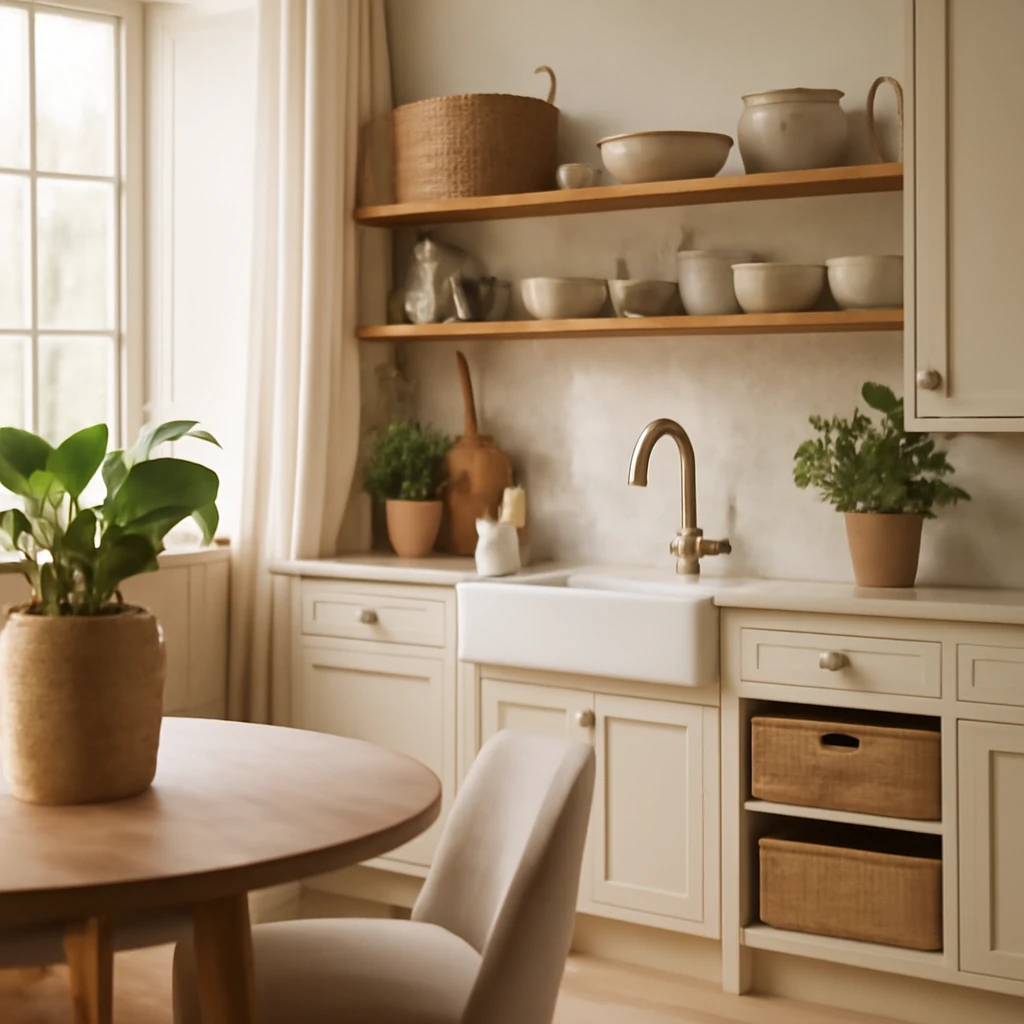
Every European home knows that kitchens come with intrinsic limits: compact footprints, clever layouts, and a demand for everyday practicality. Yet, the right storage strategy can transform even the smallest galley into a calm, efficient workspace. In this guide, we explore eleven refreshed approaches to kitchen organisation that work across continental contexts - from compact city flats to generous suburban kitchens. Each idea is designed to maximise reach, ease of access, and visual calm, while ensuring a cohesive look that fits a contemporary European interior. Read on for practical tips, real-world sizing, and ideas you can start implementing in the next renovation or refurbishment project.
1. Wall rails and modular accessory systems for the small stuff
Rail systems mounted along the wall are a simple way to extend function without sacrificing floor space. In many European kitchens, 60 cm base units and 40–60 cm wall units dominate, leaving vertical wall space ripe for conversion. Install a horizontal rail or a modular track with hooks, clip-on baskets, and magnetic containers. For spice storage and tiny utensils, consider glass jars in uniform sizes suspended from the rail at eye level to reduce rummaging. If you favour a natural look, a lightweight wooden branch or a fibre-reinforced panel can be mounted as a rustic alternative. The key is consistency: matching finishes and uniform jar shapes keep the visual rhythm neat while letting you reach commonly used items in a heartbeat.
2. Specialised corner storage to unlock dead zones
Corner cabinets are notorious for wasteful usage, particularly in kitchens with compact proportions. A range of purpose-built corner solutions can dramatically increase usable space. Consider pull-out corner units with rotating shelves, or a deep, curved carousel that sweeps items into reach. In smaller layouts, a 90–100 cm corner cabinet can accommodate wide platters, heavy pots, and small appliances with no fuss. For deeper layouts, look for mechanically operated shelves that glide out smoothly - these reduce the need to bend, stretch, or climb over heavy items. The outcome is a centre-stage corner that finally feels practical rather than wasted space.
3. Drawer dividers and organisational inserts
Drawers are the workhorses of kitchen storage, but their organisation determines how efficiently you use each centimetre. Start with a full set of dividers, troughs, and shallow baskets that separate everyday utensils, lids, baking tools, and small gadgets. Use products with rigid sides to maintain a neat profile, and label sections or use colour coding to quick-find essential items. In drawers beneath the worktop, consider adjustable depth inserts to accommodate tins, spice containers, and shallow trays. The result is a drawer that behaves like a well-planned pantry - condensed, visible, and easy to keep tidy.
4. Tidy narrow gaps with slim pull-out storage
Every narrow gap between cabinets is an opportunity. Slim pull-out organisers - often around 15–20 cm wide - offer a surprising amount of storage for lids, baking trays, spices, or cleaning products. They can be installed around window reveals or between tall pantry units where space is otherwise wasted. Use adjustable partitions so you can reconfigure for heavy items or lighter sachets as needs evolve. This approach keeps the kitchen visually calm, with contents stored behind doors or within shallow drawers rather than stacking up on the worktop.
5. Slim shelves for spices and oils with uniform containers
Not all spice storage needs to be hidden. Narrow shelves are ideal for bottles of olive oil, vinegar, and spice jars. To avoid visual clutter, choose uniform containers - clear glass jars with white or aluminium lids - and keep labels aligned. Opt for the same diameter jars so the row looks seamless, and consider a minimal spacer at both ends for a tidy line. A few carefully chosen containers can anchor the shelf visually while leaving plenty of room for practical retrieval during cooking.
6. Internal cabinet elements that multiply usable space
Many cabinets benefit from interior accessories that unlock hidden potential. Hanging baskets for fruit and vegetables, stemware racks, and collapsible racks can be installed inside cabinet doors or within the cabinet itself. For the base cabinet, install pull-down or swing-out trays to keep heavy pots and pans accessible without bending. If space allows, add a small rail on the inside of a tall larder to hold chopping boards and oven trays upright. These internal features maximise capacity without changing the exterior footprint, a wise strategy for European kitchens where uninterrupted work zones are highly valued.
7. Door-front storage to extend the vertical plane
Sometimes the most wasted centimetres are on the inside of cabinet doors. Small hooks, rails, or magnetic strips can be fixed to the inside of doors to hold measuring spoons, pot lids, or tea towels. Small containers with lids can be attached to doors, turning them into micro-shelving for frequently used items. The result is an extended storage plane that keeps the worktop clear and everything you need within arm’s reach. If your door surfaces are flat and easy to mark, choose adhesive solutions that can be removed without damage when you renovate.
8. Open shelving as both storage and display
Open shelving remains a stylish, practical option, especially in homes that blend vintage charm with contemporary lines. A light open shelf can hold everyday plates, bowls, and glassware while maintaining a visually calm kitchen. To avoid a cluttered feel, curate the items you display - limit the number of colours, materials, and shapes, and group items into sets. Use uniform storage jars on open shelves for dry goods, and pair them with pull-down rails or small baskets to keep irregular items contained. The key is to balance practicality with a light, breathable aesthetic so the space feels larger, not busier.
9. Magnets and magnetic panels for spices and metalware
Magnetic storage is both functional and aesthetically clever. Lightweight spice jars with magnetic bases can be arranged on a steel strip or on a magnetic plate fixed near the food preparation zone. A magnetised panel inside a cabinet or on a fridge door can hold knives, measuring spoons, or herb scissors, turning metalware into a visual, organised feature. This approach keeps frequently used items in reach and reduces the chain of rummaging through drawers. For kitchens with a monochrome palette, magnetic storage adds a subtle, technical texture that complements metal finishes and glass.
10. Perforated panels as a versatile backsplash
Perforated panels offer a clever alternative to the traditional tile splashback. Their airy, light profile supports a flexible system of hooks and hangers, allowing you to suspend utensils, cups, and small pots directly above the work area. In addition to being highly functional, perforated panels contribute a contemporary texture to the kitchen’s backdrop. The panels come in various finishes - metallic, powder-coated colours, or natural timber aesthetics - so you can integrate them with your cabinetry and hardware for a cohesive look. If you frequently change storage needs, perforated panels are especially practical because the hooks can be repositioned with ease.
11. Baskets and boxes to maximise shelf depth
On deeper shelves, baskets and boxes provide structure and accessibility. Choose a uniform basket size to create a visually orderly line, or group baskets by category so you can pull out a single unit without disturbing the rest. For bakery staples, pasta, and tins, rectangular boxes with clear fronts help you quickly assess inventory. Labeling inside the box or on the front helps your family stay organised, particularly in busy households. Baskets also soften the look of metal and glass fronts, introducing warmth and tactility to the storage system. The aim is to use every available centimetre while preserving an uncluttered, curated appearance.
Putting it into practice: a practical path to implementation
To translate these ideas into real-world improvement, start with a focused audit of your kitchen. Measure the available depths and widths of each cabinet, identify dead zones, and note which items you reach most often. Create a simple plan that prioritises accessibility for everyday cooking needs. Then map the storage solutions to your layout. For example, place rails and hooks near the food preparation area, reserve wide drawers for pots and lids, and install corner units in the most awkward nook. Don’t forget to consider lighting - under-cabinet illumination helps you see inside drawers and shelves, reducing the risk of misplacing items during busy periods. A staged approach - first implementing two or three changes, then expanding with additional organisers - can yield tangible results in a matter of weeks.
Practical sourcing tips and considerations
While this guide avoids brand names, the underlying principles remain universal. Look for modular, compatible components that suit a European kitchen standard: 60 cm base units, 40–60 cm wall units, and tall pantry cabinets with adjustable shelves. Seek corrosion-resistant materials for damp rooms, particularly near sinks and dishwashing zones. Choose finishes that age gracefully: powder-coated metal, sealed hardwoods, and glass with anti-scratch treatments. Consider sustainability in material choices and prioritise repairability and reusability over disposable hardware. Finally, plan for professional installation where necessary - precise alignment matters for rails, pull-out mechanisms, and perforated panels to perform at their best over time.
Closing thoughts: a calmer, more usable kitchen
Efficient storage is not merely about hiding clutter, it’s about shaping a kitchen that supports enjoyable cooking, clearer organisation, and a more serene daily rhythm. When spaces are thoughtfully allotted - corridors of reach, clearly defined zones, and a visually calm palette - the kitchen becomes not only a place to prepare meals but a centre of daily life where form and function coexist. By combining rail systems, smart corner solutions, drawer organisers, slender pull-outs, and decorative yet practical open shelving, you can transform European kitchens of every size into spaces that feel bigger, brighter, and more capable of supporting modern living. The eleven ideas above provide a flexible framework you can adapt to virtually any renovation plan or budget, helping you achieve both efficiency and aesthetic coherence in your home.
You may also like these articles
 Tips & How-To
Mirror Frame DIY: A Beginner's Guide for European Homes
Two reliable methods to craft a custom mirror frame for European homes.
Bedroom
A 10-Year-Old Girl's Bedroom: Growth‑Oriented Design for Europe
Practical, stylish guide for a growing tween’s European bedroom.
Interior Design
Modern Classic: Reimagining Neoclassical Interiors for European Homes
Modern neoclassical design for European homes: timeless elegance meets contemporary living.