
Explore interior trends, AI design insights, styling guides and real transformations
Tulle for Interiors: 2025 Trends, Applications and Anti-Trends Across Europe
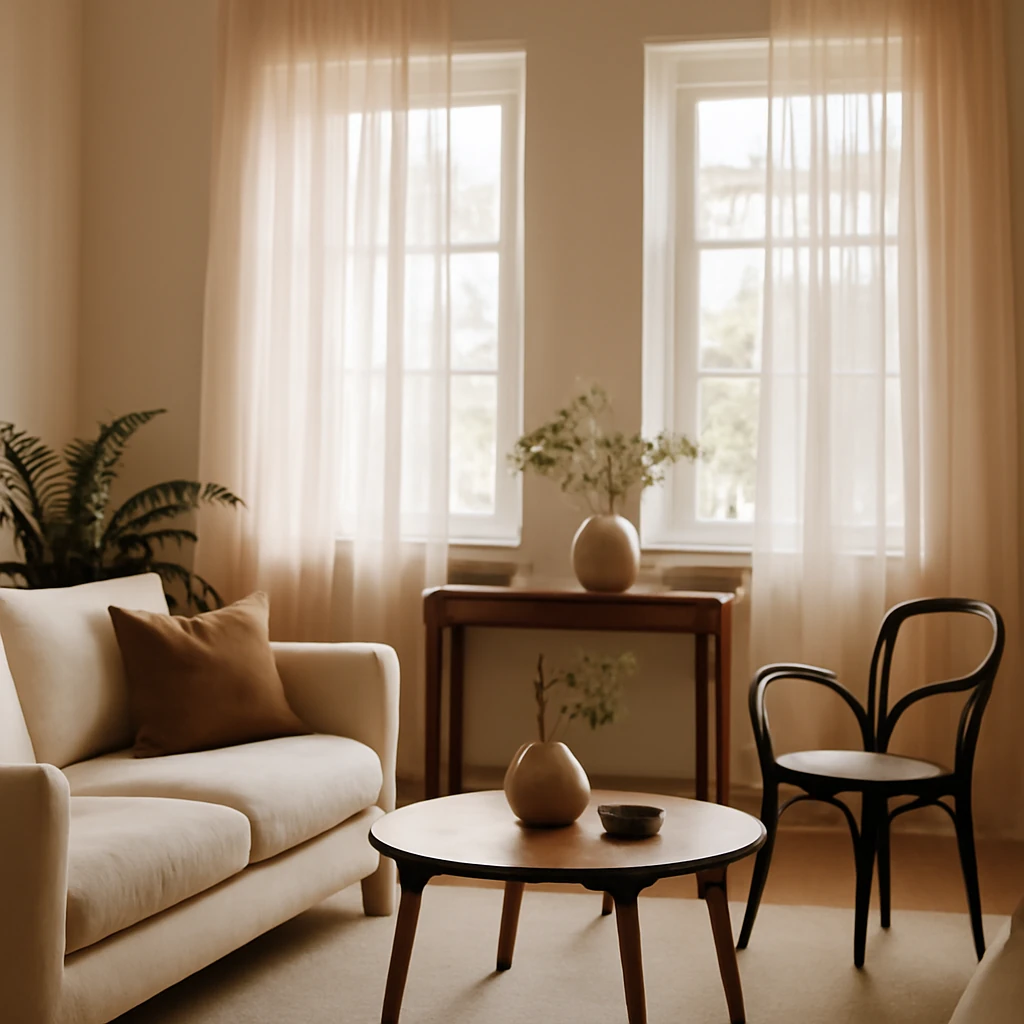
Introduction: why tulle remains a refuge for European interiors in 2025
Across European homes, the delicate language of tulle continues to offer lightness, nuance and practical layering without compromising architectural clarity. In 2025, designers emphasise versatility: tulle is no longer confined to window dressing. It is a strategic texture that can soften, delineate and define spaces - from the living room to the kitchen, from a quiet bedroom to a sunlit veranda. This article surveys the season’s most relevant fabrics, the deliberate ways to apply them, and the stylistic decisions that keep tulle relevant in a rapidly changing design landscape.
What is tulle? Fabrics that shape the look of 2025
In contemporary European interiors, several families of tulle textiles dominate the scene. They share translucency and a light touch, but each brings a distinct mood and level of formability. Understanding these options helps you layer textiles with confidence rather than simply piling fabric on windows.
- Voile - a light, soft semi-transparent fabric that diffuses daylight beautifully. It creates a cosy atmosphere even in minimalist rooms and pairs well with other curtains or can be hung solo for a gentle veil of light.
- Organza - a crisper, slightly stiffer material with a subtle sheen. It holds its shape well and reads as dressier and more formal, ideal for elegant and ceremonial interiors.
- Thread-tulle - a version woven from fine threads, offering drama without opacity. Practically transparent, it adds texture and a sculptural presence, especially when layered with heavier fabrics.
- Jacquard tulle - a denser weave with woven patterns. It feels luxurious and helpful for rooms that crave architectural character while maintaining softness.
- Chiffon-tulle - a lighter, more ethereal option that passes light readily while still granting some privacy. Perfect for romantic or intimate spaces such as bedrooms or study nooks.
- Mesh or net - a structure with visible grid or honeycomb patterns. It imparts freshness and modernity, but requires more frequent care to manage dust.
- Blended linen or cotton blends - tulle textures incorporating linen or cotton for a natural, tactile feel. They suit Scandinavian, coastal and eco-conscious aesthetics and often incorporate a touch of synthetic fibre to resist wrinkling.
In 2025, the choice between these fabrics is less about fashion rules and more about how they respond to light, space and personality. A well-considered combination - for instance, voile or chiffon with a linen-blend tulle - creates depth without heavy drapery, while a geometric or subtly textured net can anchor contemporary schemes.
Trends for 2025: the mood, textures and patterns shaping tulle choices
The year’s trends celebrate restrained elegance, natural materials and quiet geometry. Here are the key mood boards you’ll encounter in European showrooms and design studios.
Minimalism
Clean lines, soft light and unadorned surfaces define the minimalist approach to tulle. In 2025, minimalistic tulle is plain, single-colour and free from embellishments. Materials such as voile, light chiffon or fine mesh are preferred in white, pale grey, ivory or sand tones. Length to the floor is standard, heavy gatherings are avoided. The aim is to maximise light, create an airy silhouette and keep the window reveal uncluttered. When a note of colour is desired, it should be a quiet, sensitive tint rather than a loud hue.
Natural textures
Natural fibres rule in many European homes. Linen blends, cottons and their soft, slightly rustic tufting bring warmth to spaces designed for daily living. These fabrics allow light to filter through while offering a tactile presence. They align particularly well with Nordic, coastal and eco-oriented aesthetics, where imperfect textures are valued as a sign of authenticity. Expect linen-blend tulles with subtle slubs or a gentle matte finish to deepen the sense of calm in a room.
Geometry
Geometric motifs - such as restrained linear patterns, small diamonds or delicate grids - appear in textiles rather than wallpapers, providing a contemporary counterpoint to solid walls. The pattern should be subtle enough to avoid visual saturation: the goal is a refined texture that enhances, rather than dominates, the room. When patterns are introduced, pair them with plain, unpatterned drapes to maintain balance.
Bright textures
Textures with a tactile presence, from softly crinkled fabrics to lightly creased tulles, offer a way to introduce character without ornamentation. These fabrics are forgiving in daily life, visually interesting, and very forgiving in rooms with natural light that shifts throughout the day. They work particularly well in living spaces that want an easy, lived-in feel without compromising sophistication.
Mesh and openness
Net or mesh tulles deliver a modern, light-as-air aesthetic. They are ideal for loft-inspired spaces, contemporary interiors and bright kitchens where the goal is to maintain light penetration and a clean silhouette. Keep dust control in mind, as meshes can attract particles more readily than denser tulles.
Applying tulle across styles: how to harmonise a fabric with European interiors
The utility of tulle is its adaptability. The following style families illustrate how tulle can be used effectively in diverse European environments, from compact city flats to generous countryside homes.
Minimalism
In minimalist interiors, tulle is used to extend light and space rather than to dramatise windows. Choose a plain, matte voile or fabric with a soft haze to soften hard architectural lines. The emphasis should be on a seamless transition from wall to window, so opt for concealed tracks and simple headrails. If a touch of warmth is desired, consider a natural beige or warm grey rather than pure white, but keep it restrained.
Contemporary
Contemporary design welcomes tactility and calm. Layer a light voile with a sheer net or a delicate jacquard for subtle depth. When pairing with blinds or roller shades, ensure the tulle remains a background layer, with the main window treatment providing structure. Natural, low-glare fibres in soft tones harmonise with neutral palettes and allow art and furniture to remain the focal points.
Loft
Loft interiors favour authenticity and texture over ornament. A simple mesh or a softly crumpled linen-tulle complements exposed brick, concrete and metal. Keep colours restrained: white, stone, dove grey or sage to maintain the industrial vibe while softening the space. If you want warmth, introduce warm white or pale stone tones in the tulle to contrast with cooler concrete undertones.
Classic
In classic interiors, tulle often serves as a delicate companion to more opulent fabrics like jacquard, organza or embroidered sheer. Use tulle in ivory, champagne or pearl tones with generous folds for formal elegance, or choose a light patterned tulle to echo damask or damasquin-inspired motifs. When pairing with heavy drapery, layer tulle to create depth without overpowering the room’s architectural integrity.
Eco and Boho
Eco and Boho spaces embrace natural imperfection and a sense of comfort. Linen and cotton tulles, sometimes with gentle fringe or textured surfaces, suit these aesthetics well. White and warm neutrals are universal, but soft stone, sand or oat tones help keep the palette cohesive. In Boho, tactile textures and gentle draping add visual interest without cluttering the atmosphere.
Eclectic
Eclectic interiors invite bold juxtapositions. Combine coloured tulles with complementary or contrasting drapes, or introduce patterned tulles with subtle prints alongside solid-colour curtains. The key is to maintain harmony with the room’s dominant palette and to ensure patterns stay within a coherent tonal range to avoid visual chaos.
Country
Country interiors thrive on warmth and homeliness. Natural fabrics in light, warm tones with gentle textures are ideal. Tulle can carry small floral motifs, fine dobby patterns or light checks to reinforce the rustic charm. Soft folds and long, flowing lines contribute to a cosy, welcoming atmosphere that aligns with traditional rural aesthetics.
Antitrends: what to avoid in 2025
Even as fashion cycles, some practices are best left behind. The following are commonly considered antitrends in contemporary European interiors:
- Heavy swags and supersized drapery - they feel outdated and visually heavy, crowd small rooms and make windows appear smaller.
- Shiny organza - a high-gloss finish can read as tacky in modern apartments and clashes with many contemporary palettes.
- Oversized floral prints - they evoke past eras and can overwhelm space, especially in compact rooms.
- Short tulles - hem-lengths that stop at the sill visually shorten a room, longer tulles to the floor are generally more versatile in living and sleeping areas.
- Brash colour - acid or neon tulles draw attention away from architecture and furniture, reducing room coherence. Subdued, sophisticated tones are more enduring.
- Overly dense tulles - fabrics that block light too aggressively defeat the purpose of tulles and make rooms feel dark and closed.
Care and maintenance: prolonging life and colour
The longevity of tulles depends on appropriate care. Although specific care depends on the fabric, these general guidelines help maintain appearance and performance across different fibres.
- Washing - delicate tulles are best washed by hand or in a washing machine on a gentle cycle at 30–40°C. Use a mild detergent without bleach to protect the fibres and colour.
- Wringing - avoid twisting or wringing, instead, allow textiles to drain and then hang flat or drape to dry to prevent distortion.
- Ironing and steaming - some tulles, like organza, may resist ironing, others respond well to a low heat with a pressing cloth. When in doubt, use a steamer or place a thin cloth between the iron and fabric.
- Frequency of washing - aim to wash tulles every 2–3 months, or sooner in kitchens or high-traffic rooms. If the fabric discolours or odours linger, consider a gentle soak with a small amount of salt or bicarbonate before washing.
- Drying - never dry directly on radiators or in direct heat. Hang tulles while slightly damp to help them regain their natural drape as they dry.
- Ventilation - regular airing reduces odours and helps prevent odour absorption, particularly when tulles neighbour cooking or heavy fabrics.
Practical guidance: layering, installation and daily use
Layering is the core technique that unlocks the full potential of tulle. A thoughtfully layered window treatment blends light control with architectural elegance, and it offers flexible daily use. Here are practical strategies you can apply in European homes.
- Layer with related textiles - pair a lightweight voil with a more substantial drape, such as a plain linen or a refined jacquard, to create depth without compromising light.
- Concealed tracks - use tracks or rails hidden within ceiling coves to maintain clean lines and support a crisp, modern profile.
- Non-window applications - tulles can be used beyond windows: as a canopy over a bed, a light divider for open-plan spaces, or a soft room-delineator in studios or child’s rooms. They also work well on verandas or terraces to filter sun without obstructing views.
- Kitchens and bathrooms - consider more durable voile or blend tulles on windows, or opt for roller or roman blinds with a light tulle layer for easy maintenance and light diffusion while protecting privacy.
Carefully selected colour palettes and scale
Colour management is essential when working with tulles. In most European homes, tulles perform best in a restrained palette that complements the surrounding finishes. Classic whites, ivory, warm greys and soft sand tones act as reliable canvases for furniture, textiles, artwork and architectural features. For bolder spaces, consider a muted, sophisticated tint such as woodland grey, stone, or a dusty blue, always ensuring the tulle remains a supportive element rather than the room’s focal point.
How to begin a tulle project: a quick, practical checklist
Starting with tulles can be straightforward if you follow a practical plan. Here is a concise checklist to guide a successful 2025 implementation across European interiors.
- Define the aim - light diffusion, visual softness, privacy, or a decorative statement? Decide whether tulles will function primarily as a backdrop or as the main curtain feature.
- Measure accurately - assess window width, height, and the desired length. For floor-length tulles, plan for a slight pool on the floor for a luxurious look, for kitchens or bathrooms, consider shorter lengths that stay clean and unobtrusive.
- Choose the fabric - consider the room’s light, the level of privacy required, the maintenance profile, and how the fabric will age with sun exposure.
- Layer thoughtfully - pair tulles with blinds or heavier drapes according to the room’s use, temperature, and noise considerations.
- Plan the hardware - concealed tracks for a streamlined look or decorative rods for a more traditional or eclectic vibe, ensuring that the hardware is proportionate to window size and room scale.
- Maintenance plan - schedule periodic cleaning based on fabric type and room use, kitchen tulles may require more frequent cleaning than living room tulles.
Conclusion: tulle as a versatile ally in European interiors
As design language evolves, tulles remain a flexible and elegant tool in the European interior designer’s repertoire. They offer light control without sacrificing airiness, contribute texture and warmth, and adapt to a spectrum of styles from minimalist to country. By selecting the right fabric, embracing layered configurations, and paying attention to maintenance, you can achieve a timeless look that evolves with the home. In 2025, tulles are not merely window coverings, they are the quiet stage on which both architecture and interiors perform with grace.
You may also like these articles
 Living room
Minimalist Living Rooms in Europe: Space, Calm, Style
Master minimalist living rooms across Europe: space, texture and smart storage.
Tips & How-To
Light Kitchens Across Europe: Colour, Texture and Style
Bright, easy-to-maintain kitchens across Europe: tips on colour, texture and lighting.
Colour & Materials
Venetian plaster: marble-like finishes for European interiors
Timeless, marble-like wall finishes for European homes.