
Explore interior trends, AI design insights, styling guides and real transformations
Choosing Bedroom Wallpapers: A Practical Guide for European Homes
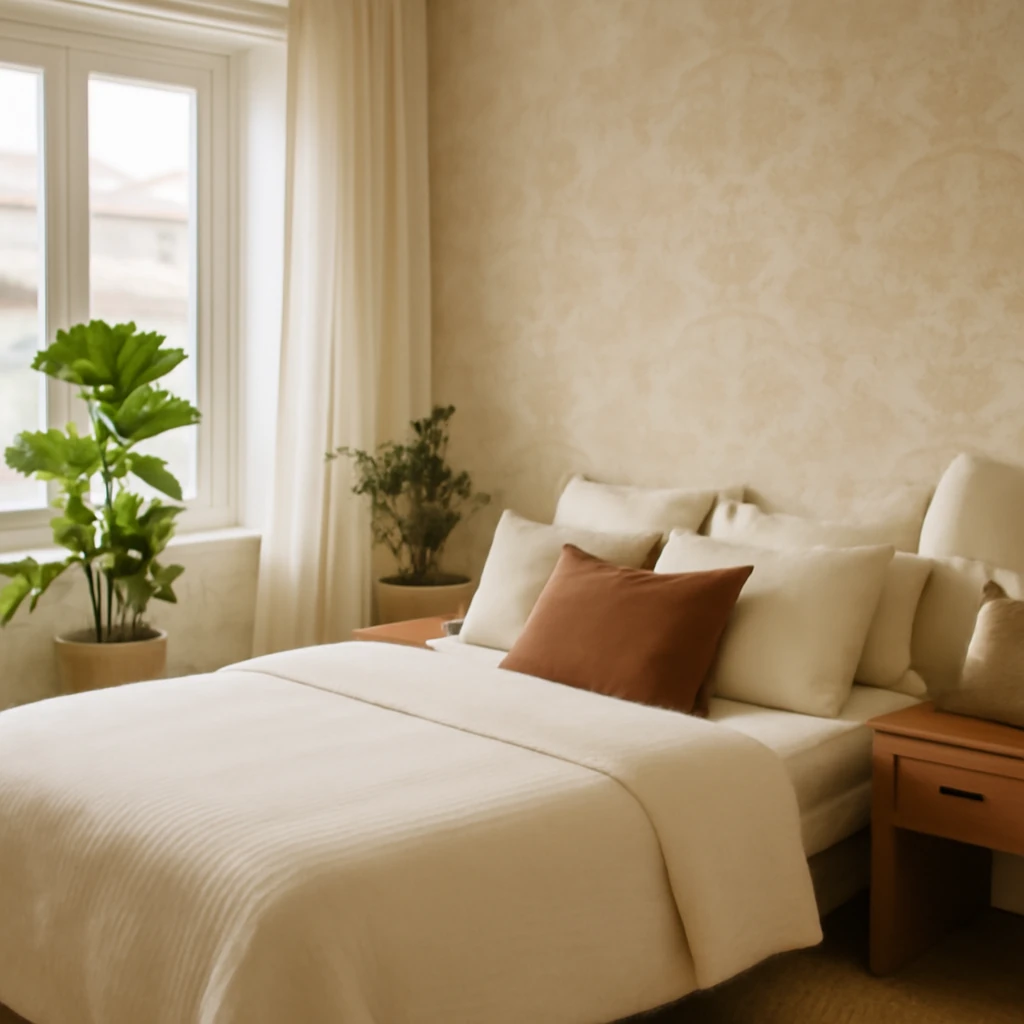
Why wallpaper matters in the bedroom
Decor is more than a visual detail, it shapes how you feel when you wake and how you unwind at the end of the day. In European homes, bedrooms vary from compact city flats to generous rural spaces, but the principle remains the same: the wall finish should support restful sleep, sound insulation, and a sense of proportion. Wallpaper offers more than colour - it adds texture, scale, and a tactile layer that paint alone cannot provide. A well-chosen wallpaper can soften a room with natural fibres, reflect light with a subtle sheen, or ground a scheme with a neutral base. The right wallpaper is a long-term investment in comfort and character.
Types of wallpapers for bedrooms
There is a broad spectrum of wallpaper options available in European markets. Each type has its own strengths and constraints, including breathability, durability, ease of cleaning, and cost. Understanding the basic categories helps you choose with confidence for a bedroom that remains comfortable and stylish for years.
- Non-woven or paper wallpapers: Lightweight, easy to install, and featuring good vapour permeability. Non-woven wallpapers are often more durable and easier to remove than traditional paper, making them a practical choice for main walls in bedrooms.
- Vinyl wallpapers: PVC-coated surfaces that are washable and highly durable. They are ideal for rooms with higher humidity or for households seeking low-maintenance options. They tend to be less breathable than non-woven alternatives, so think about room ventilation when selecting a vinyl design for a bedroom.
- Textile wallpapers: Rich in texture and warmth, these are premium, tactile coverings crafted from fabric layers. They create depth and luxury but require careful installation and ongoing maintenance. They are best suited to larger bedrooms or feature walls where softness takes centre stage.
- Fibre or fabric-look wallpapers (textured finishes): Not necessarily woven textiles, but surfaces that mimic linen, felt, or other natural textures. They offer subtle light-handling and a cosy ambience.
- Natural materials and wood-inspired wallpapers: Patterns and panels that imitate timber, cork, or bamboo. They lend organic warmth to schemes and pair well with light furniture and natural fibres.
- Glass or specialised metallic effects: For ultra-modern rooms, some glass-reinforced or metallic-look wallpapers can add a refined glow. They are more niche and typically used on accent walls or in carefully balanced schemes.
When choosing wallpaper for a bedroom, consider breathability, cleaning needs, and how the material behaves in your climate. In many European homes, good natural ventilation is key to a healthy sleeping environment. If the room has limited cross-ventilation, favour breathable options and avoid coverings that trap moisture. If you are repainting a room that already has damp or mould issues, address the underlying problem before applying wallpaper.
Choosing colours for a calming bedroom palette
Colour profoundly affects mood and perception. In bedrooms, the aim is to cultivate calm and promote restful sleep. Light, cool, and neutral tones tend to make a room feel larger and airier, while deeper tones can create a cocoon-like vibe perfect for winding down. Here are reliable colour families for bedroom wallpapers, along with the feelings they evoke:
- Soft blues and pale greens: Subtle blues or sage greens have meditative qualities, helping to lower heart rates and create a tranquil atmosphere. These hues also reflect natural daylight without overpowering the senses.
- Creams and warm neutrals: Chalky off-whites, warm beiges, and creamy tones form a timeless backdrop that works with almost any furniture. They also allow colourful accents to take centre stage without competing with the walls.
- Greys with warmth: Greys that lean towards greige or warm undertones can be sophisticated and versatile, especially when paired with wooden furniture or soft textiles.
- Accent climates and dark panels: If the space is well lit, deeper hues such as charcoal, navy, or espresso can create depth and a sanctuary-like feel. Use these tones sparingly, typically on a feature wall or in a tonal pattern to avoid overwhelming the space.
Distinct patterns and textures respond differently under lighting conditions. A matte wallpaper will read differently from a silk-sheened or lightly pearlescent surface. In smaller bedrooms, light-reflective finishes can help to maximise perceived space, while darker patterns work beautifully in larger rooms or as an intentional focal point.
Texture, pattern and scale: how to read wallpaper for a bedroom
Texture and pattern shape how a room feels as you move through it. In a European context - where many bedrooms are compact or irregular in shape - scale and contrast matter as much as colour.
- Scale of pattern: Large patterns can make a space feel more intimate or, if used on a single wall, can create a striking focal point in a larger room. Small bedrooms generally benefit from smaller, subtler patterns that don’t overwhelm the eye.
- Vertical versus horizontal motifs: Vertical stripes can visually heighten a room, making ceilings feel higher. Horizontal patterns can widen a narrow room and soften a strong architectural line. Consider ceiling height (often around 2.4 m to 2.7 m in modern European homes) when choosing orientation.
- Texture and light: Textured wallpapers catch and reflect light differently from flat surfaces. A shallow, tactile texture can play with the ambient light, adding depth without introducing heavy colour changes.
- Pattern repetition and transitions: Repeating motifs create rhythm, while irregular or diagonal patterns can disguise irregular wall shapes or minor imperfections. If the room has architectural features - corners, alcoves, or bay windows - plan how the pattern will wrap or stop to avoid visual chaos.
Matching wallpaper to furniture and architectural features
Furniture, flooring, and window treatments dictate how wallpaper reads in a space. The aim is harmony, where the wall cover supports the furniture rather than competing with it. Consider these guidelines:
- White, light or pale furniture: Use wallpapers in slightly differentiated neutrals or soft pastels to maintain a light, cohesive look. A tiny hint of colour in the wallpaper can lift an otherwise monochrome scheme.
- Dark furniture (ebony, walnut, or stained timber): Choose wallpapers with brighter accents or lighter backgrounds to prevent the room from feeling heavy. Avoid a stark, high-contrast combination that creates a hard boundary between wall and furniture.
- Wood tones and natural materials: Wallpapers with warm textures or woodgrain effects pair beautifully with timber floors and organic textiles. The match is most effective when the wallpaper echoes warm undertones in the floor or furniture.
- Colourful or multi-tonal furniture: If the room features a palette of several colours, opt for wallpapers in a unified base hue - such as a soft grey or warm beige - that helps the furniture look deliberate rather than chaotic.
When in doubt, apply the rule of thumb: the wallpaper should either harmonise with the dominant furniture colour or provide a subtle contrast that elevates the overall design without clashing with existing finishes.
Bedroom style ideas: wallpaper recommendations by aesthetic
Each design language benefits from a complementary wall covering. Here are practical guidelines for common European aesthetics:
Modern and Minimal
In modernist or minimalist interiors, wallpaper tends to function as a quiet backdrop. Look for wallpapers with clean lines, restrained textures, and light, airy colours. Materials with a soft sheen - like a pearl or satin finish - can add depth without visual noise. A single feature wall behind the headboard, in a subtle geometric or linear pattern, can anchor the bed while keeping the room calm and uncluttered.
Classic and Timeless
Classical schemes benefit from wallpaper with repeating motifs such as damasks, subtle florals, or elegant stripes in ivory, taupe, or champagne. Pair these with traditional wood furniture and antique-inspired lighting to create a refined sanctuary. Maintain balance by using one or two wallpaper patterns across the room and letting solid colours on other walls keep the space readable.
Country and Rustic
Natural textures and warm tones work beautifully in country-inspired bedrooms. You can choose wallpapers that mimic linen, burlap, or soft woven textures, or opt for gentle florals in muted hues. Combine with timber furniture, soft bedding, and woven accessories to achieve a cosy, lived-in look. A paneled wallpaper effect on one wall can emulate traditional plaster finishes and bring architectural interest without being overpowering.
Loft and Urban Industrial
Loft interiors often celebrate raw materials and neutral palettes. Brick-effect or concrete-inspired wallpapers pair well with metal accents and dark wood. Keep the rest of the room light to prevent the space from feeling cold, a warm undertone on a feature wall can soften the look and make the room more inviting.
Japandi and Nordic Minimalism
The Japandi aesthetic leans on simplicity, natural materials, and muted tones. Wallpapers that imitate natural textures, such as soft linen or subtle woodgrain with restrained colour, are ideal. Use them to ground a palette of pale timber furniture, white walls, and tactile textiles like wool or linen for a serene, cohesive bedroom.
Ethno and Nature-Inspired
Ethnic-inspired wallpapers with fauna or botanical motifs can inject personality while remaining sophisticated when balanced with solid-toned fabrics and minimal furniture. Natural-based colours - earthy greens, ochres, and sand - work well with sustainable materials such as cork, rattan, or bamboo.
Combining wallpapers: practical approaches
Using more than one wallpaper can enrich a bedroom's character, but it requires careful planning to avoid visual clutter. Here are practical, tested approaches:
- Accent wall behind the headboard: Keep the wall behind the bed in a solid or very neutral pattern, apply a bolder or more textured wallpaper to the headboard wall to create a focal point without dominating the space.
- Horizontal split for defined zones: Use a lighter wallpaper on the upper portion and a complementary darker or patterned paper below, separated by a slim cornice or moulding. In compact rooms, this can visually lower the ceiling and add warmth at the eye level.
- Vertical layering and subtle contrast: Alternate between two tonal families of the same pattern to elongate walls. Avoid strong contrasts that fight for attention across multiple surfaces.
- Diagonal or asymmetric patterns: Diagonal motifs can distract attention from architectural irregularities. If a wall has a severe imperfection, a diagonal pattern can redirect the gaze and minimise perception of faults.
- Artful panels from wallpaper: Select wallpaper sections with distinctive motifs and frame them as if they were art. This approach can create architectural interest without covering the entire wall.
Practical guide to selecting wallpaper for a European bedroom
Before purchasing wallpaper, a structured plan helps you translate a design idea into a tangible, lasting result. Use this practical checklist to guide your decision-making.
- Assess the room's dimensions: Measure wall lengths, ceiling height, and overall floor area. For a standard bedroom, a 12–18 m² footprint with a ceiling height of 2.4–2.7 m is common in many European cities, adapt choices to your space.
- Evaluate natural light: In northern or darker rooms, select light-reflective finishes to maximise daylight. In sunlit spaces, you can afford deeper tones or more textured surfaces without making the room feel enclosed.
- Test before committing: Obtain large sample rolls and apply swatches to different walls. Observe in daylight and artificial light to understand how colour and texture shift as light conditions change.
- Consider ventilation and humidity: Bedrooms should remain breathable. If the room experiences dampness, ensure the wallpaper can be cleaned without compromising material integrity and consider breathable backing options.
- Evaluate substrate and adhesive: Ensure walls are smooth and dry. Prepare the surface by filling holes and sanding uneven areas. Use appropriate wallpaper adhesives for the chosen material, and follow manufacturer guidelines for application and drying times.
- Plan a cohesive mood board: Assemble samples with flooring, textiles, and furniture swatches. A clear board helps visualise how patterns interact and prevents conflicting styles.
- Balance pattern with furniture and textiles: Ensure the wallpaper complements bed linen, curtains, and rugs. Avoid competing patterns, aim for harmony and a calm rhythm throughout the room.
- Budget wisely: Premium textiles or natural materials command higher prices and require skilled installation. If budget is a constraint, combine a high-quality plain with a more affordable, subtle texture on an accent wall.
Practical care and longevity of wallpapers in bedrooms
Durability and upkeep are important considerations when selecting wallpaper for a bedroom. Here are practical tips to ensure longevity and maintain appeal:
- Cleaning: Choose washable wallpapers for bedrooms with children or high-traffic zones. Non-woven and vinyl wallpapers are typically easier to wipe clean than traditional paper.
- Moisture management: Ensure the room is well ventilated and protect wallpapers from direct exposure to steam or damp sources. Consider installing a dehumidifier or improving ventilation if you are in a humid climate.
- Repair and replacement: When a wallpaper panel becomes damaged or stained beyond cleaning, replace only the affected section if possible. This keeps costs down and preserves the room’s look.
- Seasonality and expansion: Some wallpapers expand slightly with temperature and humidity changes. Allow for expansion gaps during installation and avoid forcing seams in poorly ventilated spaces.
Measuring and calculating wallpaper usage
Accurate calculation reduces waste and ensures you buy the right quantity. Here’s a quick method tailored for European bedrooms:
- Measure the length and height of each wall. Multiply length by height to obtain the wall area for each wall, then sum for total wall area in square metres.
- Subtract door and window areas from the total wall area to obtain wallpaper coverage needed for walls. Doors and windows do not require wallpaper if you intend to cover entire walls with a single sheet seamlessly.
- Check pattern repeat and roll width. If the pattern repeats every 64 cm, for example, you will need to account for waste when calculating the number of drops per wall. Rolls come in standard widths such as 0.53 m or 0.70 m in Europe, their length commonly ranges from 10–15 m per roll. Use the roll length divided by the drop length to determine how many drops per roll you can produce.
- Allow extra material for mistakes and future repairs. As a rule of thumb, order an additional 10–15% for pattern matching and future touch-ups.
A final word on a cohesive bedroom wallpaper scheme
Wallpaper offers a powerful way to shape the mood, scale, and tactile experience of a bedroom. The best schemes balance colour, texture, and pattern without overwhelming the senses. In European homes, the most successful looks often rely on a quiet, breathable base colour with one or two carefully chosen textures or motifs. Whether you favour a restrained modern aesthetic, a classic lineage, or a warm, rustic ambience, the wallpaper you choose should enhance sleep, comfort, and personal expression.
Checklist: quick reference for choosing wallpaper
“Choose wallpaper that supports rest and ease, let texture and light do the heavy lifting, not the noise of colour or pattern.”
- Goal: Calming, supportive sleep environment.
- Material: Breathable, washable where needed, compatible with climate.
- Colour: Neutrals and cool tones first, warm accents sparingly.
- Pattern: Scale determines room perception, smaller spaces benefit from subtler patterns.
- Texture: Add depth without glare, consider natural textures for warmth.
- Layout: Plan accent walls and transitions to avoid visual overload.
- Maintenance: Choose materials with practical cleaning protocols for your lifestyle.
- Budget: Allocate more budget to the focal wall, balance with affordable neutrals elsewhere.
With careful selection, your bedroom wallpaper can become a lasting foundation for a peaceful, stylish space that reflects your lifestyle and European heritage of craft and comfort.
You may also like these articles
 Small Spaces
Compact living: eight ways to curate a stylish small living room
Eight clever strategies to create space, comfort and style in a compact living room.
Interior Design
Artful Interiors: How to Choose, Size and Place Paintings Across European Homes
A design-forward guide to paintings in European interiors.
Small Spaces
Loft Conversions for European Homes: Design Ideas, Planning and Practical Tips
Unlock attic potential with smart, light-filled design for European homes.