
Explore interior trends, AI design insights, styling guides and real transformations
Reading chairs for European living rooms: comfort, style and a practical guide
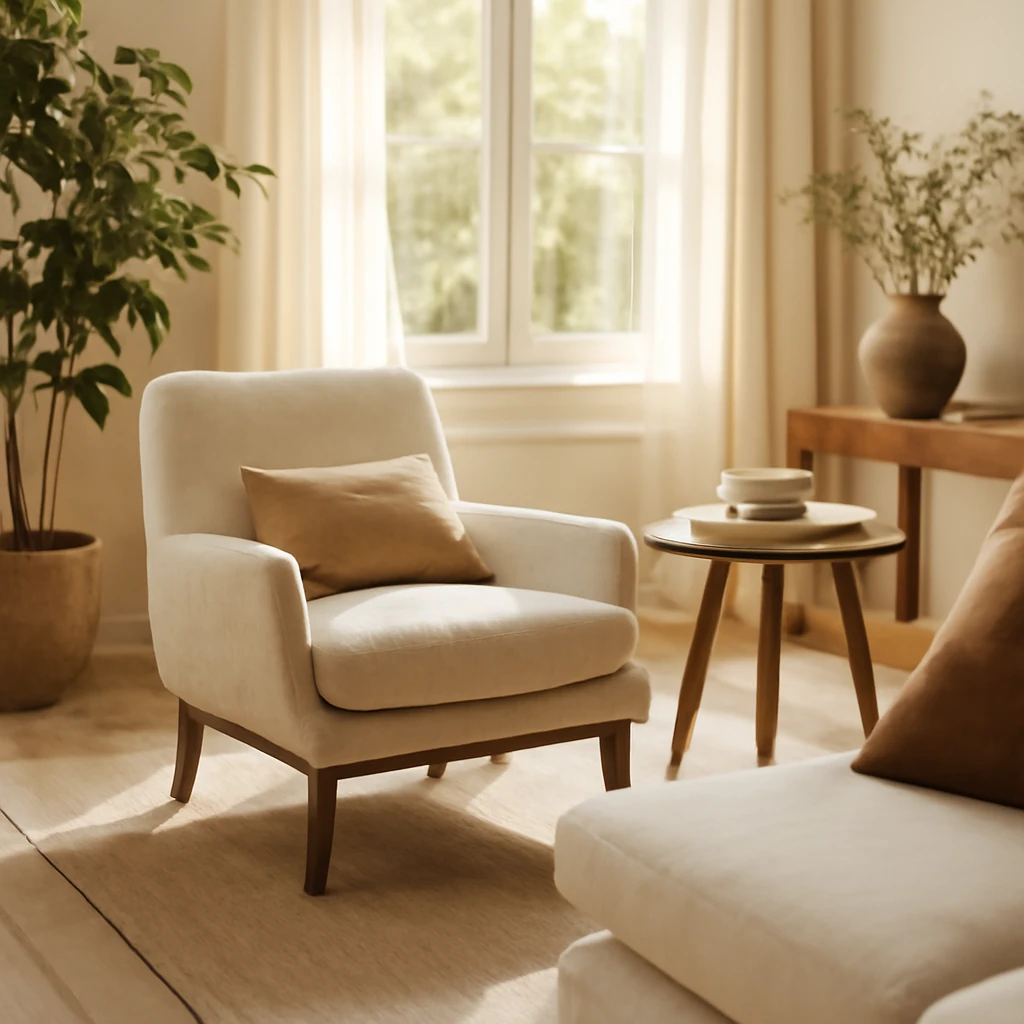
Creating a cosy reading corner in European living rooms
A comfortable home goes beyond decorative surfaces. For many households across Europe, a well-chosen reading chair forms the heart of the living space: a dedicated spot for a quiet moment, a backdrop for afternoon textiles, and a place where conversations unfold after sunset. The right chair can transform a compact city apartment into a welcoming retreat, or anchor a generous lounge in a family home. The aim is simple: a chair that invites you to sit, read, reflect, and unwind without fatigue or distraction. This guide offers a practical, design-aware approach to selecting a reading chair that aligns with European interiors, climates, and furniture traditions.
Why a comfortable chair matters for reading and relaxation
Reading for extended periods places demands on the body. A well-designed chair supports natural alignment of the spine, stabilises the pelvis, and relaxes the shoulders and neck. When posture is balanced, the mind can focus on the text rather than discomfort creeping into the leg, knee, or lower back. A good chair also becomes a family favourite, drawing people together for shared moments of quiet activity - knitting, journaling, or simply listening to music while you unwind. Conversely, a poorly chosen seat can become an underused, clutter-causing object that adds visual noise instead of serenity.
In addition to comfort, practical considerations matter. European homes vary from compact city flats to larger country lay-outs. The chair should complement the room in scale, materials, and colour while remaining adaptable to daily life - whether you have children, pets, or a penchant for long reading sessions on rainy weekends.
What to look for when selecting a reading chair
There are five core components that determine sitting comfort. Prioritising these will help you select a chair that remains comfortable after ten, twenty, or thirty minutes of reading.
1. Ergonomics
Ergonomic design means supporting the body's natural posture. Look for lumbar support that follows the curve of the lower back and a backrest that can be adjusted or shaped to maintain head and neck alignment. The chair should allow your spine to remain neutral, with the pelvis stable and the hips open. If you plan to lean back or read with a pillow, ensure the backrest provides adequate support without forcing you into an awkward angle.
2. Upholstery material
The upholstery influences feel, maintenance, and climate comfort. Fabrics that are pleasant to touch and breathable are ideal for longer sessions, particularly in warmer months. Bouclé, velvet, chenille, and woven textures offer tactile richness and warmth under light. For households with children or pets, consider fabrics with stain resistance or high abrasion resistance. In Europe, textile choices often balance warmth and practicality, nevertheless, leather or faux leather can present a sophisticated, easy-clean option for dining-lounge transitions or double-duty spaces.
Careful attention to fabric durability is essential. For example, select textiles with an appropriate abrasion rating for the seat and any frequently touched surfaces. A well-chosen fabric will retain colour and texture over years while requiring only routine maintenance.
When shopping, many retailers offer a broad swatch library. Request samples in your home lighting to ensure the hue reads correctly in the room’s colour temperature and across different times of day.
3. Size and shape
The chair must fit the space without overpowering it. Measure the intended area, allowing clearance for movement and for a companion to sit nearby if necessary. A too-large chair can cramp a small living room, a seat that is too shallow or narrow can cause discomfort during longer readings. Consider seat depth, width, and back height in relation to the user’s stature. Typical seat depths range from about 50 to 60 cm for adults, seat heights around 40 to 45 cm, back heights vary but should provide support for the upper spine without forcing the head forward.
The form matters too. For reading, deeper seats with generous back support are often preferred, while smaller lounges may benefit from armless or compact chairs that can pair with a complementary ottoman or small side table.
4. Comfort balance
Comfort is a balance between softness and support. A seat that is too soft may cause sinking and fatigue, overly firm cushions can press on pressure points after a while. The ideal chair allows you to sit comfortably for a sustained period, while offering enough give to feel relaxed. Test cushions for resilience and ensure the padding settles evenly without creating pressure points. A good chair should maintain its support even after many sessions of use.
5. Armrests and headrest
Arms and head support can profoundly influence comfort, particularly when you lean or read with a propped head. Armrests should be at a convenient height and width so that the shoulders remain relaxed. If you value neck support, a headrest or high back can help maintain a natural neck position during long reading sessions. Some chairs offer adjustable arms or a removable headrest, enabling flexibility for different users and activities.
Types of chairs for reading and lounging
There are several classic and contemporary forms that work well for reading, each with its own mood and practicality. The key is to choose a type that complements your room’s proportions and your daily routine.
Recliner or reclining chair
Recliners allow you to tune the backrest angle and, in many models, raise a footrest for full relaxation. They are ideal for reading in a semi-reclined position, which can alleviate pressure on the lower back. Look for models with smooth operation, a comfortable footrest, and a backrest that supports the lumbar region evenly. If climate or space is a concern, seek compact mechanisms or dual-function pieces that can convert to a compact lounge setting without occupying excess room.
Rocking chair
A traditional option that offers gentle movement, ideal for calm, meditative reading or for soothing children during story time. Rocking chairs pair well with soft upholstery in warm fabrics or natural wood frames. In contemporary interiors, choose a sculptural rocker with clean lines that can double as a statement piece when not in use for reading.
Soft lounge chair with ottoman
A broad, cushioned seat with an accompanying ottoman creates a dedicated space to stretch out. The ottoman can serve as a footrest or an extra seat for guests. This combination works particularly well in modern and Scandinavian-influenced interiors, where light upholstery and rounded silhouettes reflect a relaxed, inviting atmosphere.
Bean bag and other soft-sculpture options
Non-traditional seating like a large bean bag or a padded pouffe can provide casual comfort and mobility. While not ideal for long-term posture, these pieces are excellent for flexible living spaces, young families, or reading in a cosy corner where position can be easily shifted. Choose covers with durable fabrics and neutral tones to ensure easy integration with surrounding furniture.
Chairs with built-in or separate footrests
Footrests heighten comfort, enabling a more ergonomic posture during extended reading. They can be full-integrated, as part of a recliner, or modular in separate ottoman form. When pairing a chair with a footrest, ensure the alignments are harmonious so that the footrest does not protrude into the room’s circulation space.
Materials and upholstery: what works best for reading chairs
Choosing the right material goes beyond aesthetics. It impacts durability, maintenance, and climate comfort - crucial considerations for European homes where rooms may be sunlit for long periods or used year-round.
Fabric chairs
Fabric chairs offer warmth, softness, and a vast palette of colours. Velvet and chenille exude luxury and warmth, while bouclé brings texture and resilience. For spaces used daily, look for fabrics with a high rub count (an abrasion rating) and stain resistance. Fabrics with protective finishes or easily cleanable surfaces will withstand accidental spills common in living rooms and study zones.
When selecting fabric, consider how it will shift in different lighting conditions. Bouclé, for instance, can widen a small room by adding depth and texture, while lighter velvets reflect light softly, contributing to a brighter, airier feel. If you have inquisitive pets, choose fabrics designed to resist claws and shedding, and consider removable covers for easy washing where feasible.
In a European context, many retailers offer swatch packs so you can compare textures and hues under your room’s natural daylight and artificial lighting. Always test fabric weight and feel before committing to colour choices, as a seemingly perfect shade can appear too intense or washed out in your space.
Leather and faux leather
Leather gives a timeless, refined appearance and is relatively easy to wipe clean. It can be a sophisticated choice for reading chairs in modern or traditional interiors. However, natural leather can feel warm in summer and cool in winter, in warm climates, it may become uncomfortable for extended reading sessions without a breathable seat structure. Faux leather or corrected-grain variants offer a budget-friendly alternative with improved stain resistance, though longevity can vary with quality. For better year-round comfort, pair leather seating with breathable cushions or cushions covered in fabric for balance.
Mesh and breathable structures
Chairs with breathable mesh back or lattice structures are excellent for warmer climates or homes with radiant heating. They encourage air circulation and can be surprisingly comfortable for long sessions, particularly when the seat is padded with foam or fibre that conforms to the body. Mesh-based designs tend to suit contemporary interiors and loft-style schemes where the emphasis is on lightness and architectural line.
Reading chairs by interior style: where to fit them
A chair should harmonise with the surrounding decor. The following short guide helps you visualise how different models can integrate into popular European styles.
Classic style
In traditional interiors, look for a fauteuil with soft upholstery, generous cushions, and timber legs. Classic chairs often feature rolled arms, sculpted wood, and a sense of ceremony. Choose fabrics such as silk-blend velvets or rich bouclé that enhance the room’s warmth and timeless elegance. The aim is comfort that complements a refined aesthetic rather than overpowering it.
Modern and contemporary style
Clean lines, soft curves, and restrained colour palettes define modern spaces. For these interiors, recliners and lounge chairs with smooth silhouettes, neutral upholstery, and subtle texture work well. Pair a modern chair with a sculptural floor lamp and a simple side table to complete the look without clutter.
Loft and industrial
Industrial interiors lean into rugged materials and bold silhouettes. A leather recliner or a sturdy wool-blend chair with a metal accent can anchor a living zone with an urban edge. Balancing heavy materials with a soft textile or a cosy knitted throw helps to prevent the space from feeling too austere for long reading sessions.
Japandi and Scandinavian-inspired spaces
In Japandi or Scandinavian styles, the emphasis is on light, warmth, and understated form. Look for chairs with soft, curved shapes, pale woods, and light-coloured fabrics. A compact lounge chair with a matching ottoman can create a serene corner that invites lingering readings, while maintaining the space’s calm, uncluttered aesthetic.
Configuring the perfect reading corner in small spaces
Even in compact flats found across European cities, a well-planned reading corner can be achieved. Start by carving out a small, semi-private area - perhaps near a window with natural light or in a quiet alcove. Use the chair as a focal point and extend the seating with a compact ottoman or a slim side table that holds a lamp, a notebook, or a cup of tea.
In smaller rooms, choose chairs with slender profiles or armless designs that visually expand the space. If possible, select chairs with footrests that can be tucked away or used as auxiliary seating when needed. Ensure at least 90 cm of clear floor space around the chair to allow comfortable movement and to prevent the corner from feeling cramped.
Lighting is essential for reading. A floor lamp with an adjustable arm, a wall-mounted swing arm, or a small table lamp positioned at the correct height enhances visibility without glare. A warm, dimmable light is preferable for evening reading to reduce eye strain and create a relaxed atmosphere.
Care, maintenance, and longevity
Investing in a chair means thinking about longevity and practical upkeep. Regular vacuuming keeps dust and pet hair at bay, while fabric protection treatments can extend the life of textiles. For leather, a routine with a soft cloth and appropriate conditioner helps prevent drying and cracking. Avoid direct sun exposure for delicate fabrics to preserve colour and texture over time. If the chair is used heavily, consider rotating cushions or swapping cushions between seats to distribute wear evenly. Finally, check assembly points and structural joints periodically, especially for heavy-use pieces like recliners or chairs with footrests.
How to test a chair before purchase
- Visit a showroom and spend at least 15 minutes seated. If possible, simulate your typical reading posture with a book, tablet, or magazine.
- Check lumbar support: the lower back should feel supported without pinching or forcing you forward.
- Assess seat depth and height. Sit with your back against the backrest, your feet should rest flat on the floor with knees at a comfortable angle.
- Test the backrest angle and any reclining mechanism. Ensure it is smooth and quiet, with a gentle return to vertical when you are ready to sit upright again.
- Evaluate armrest height and width. Do they allow you to relax shoulders without lifting them toward your ears?
- Inspect cushions for retention. A cushion should maintain shape after several minutes of use and not feel overly soft after a short period of time.
- Consider the fabric’s maintenance. If spills are likely, ask about stain resistance, removable covers, or washable options.
- Plan for complementary pieces. A small side table, a reading lamp, or a footrest can complete the setup, enhancing usability and comfort.
- Test the overall room feel. A chair should read as part of a cohesive interior, not as an isolated block that disrupts traffic flow.
Complementary elements for an ideal reading zone
A chair alone supports comfort, but when paired with thoughtful accessories, the reading corner becomes a dedicated sanctuary. Consider a small, sturdy side table within easy reach for a book, beverage, or reading glasses. A floor lamp with a warm glow and an adjustable arm enables tailored illumination for late-night sessions. A soft throw and a few cushions can add texture and a cosy ambience, while a well-chosen rug can delineate the space and soften footfall. If space permits, an integrated storage solution nearby - such as a discreet shelving unit - can keep books organised and within reach without cluttering the area.
Ethics, sustainability, and materials choices
European design increasingly favours sustainable materials and responsible manufacturing. When selecting a reading chair, consider frames made from responsibly sourced timber or recycled materials and fabrics produced with low environmental impact. Durable constructions and repairable components extend a chair’s lifespan, reducing waste. If a piece can be reupholstered or refurbished rather than replaced, it contributes to a more sustainable interior practice. Discuss with retailers and manufacturers about warranties, repair options, and replacement parts to ensure longevity and a lower environmental footprint.
Final checklist for choosing your reading chair
- Define function: Is the chair for long reading sessions, quick bursts of reading, or as part of a larger seating arrangement?
- Assess ergonomics: Check lumbar support, back angle, and neck alignment.
- Choose fabric first: Pick a fabric with the right balance of feel, durability, and care needs.
- Mind the size: Ensure the chair fits the space and allows movement around it.
- Pair with essentials: Footrest, side table, and lighting to complete the zone.
- Test before buying: Sit, recline, and test for at least 15–20 minutes.
- Plan for longevity: Look for quality construction and repairability, consider warranty and service.
Conclusion
Choosing the right reading chair is a practical design decision with far-reaching benefits. A well-chosen chair supports posture, enhances comfort, and anchors a reading nook that can be enjoyed daily. In European homes, where space, light, and materials vary widely, the key is to prioritise ergonomics, fabric and form, and compatibility with the room’s overall style. By focusing on five core aspects - ergonomics, upholstery, size and shape, comfort balance, and armrests/headrest - you can select a chair that remains welcoming and functional across seasons and life stages. Pair it with appropriate lighting, a compact side table, and a soft throw, and your reading corner will become a favourite retreat in the home.
You may also like these articles
 Living room
Living rooms reimagined: planning private European homes
Expert guidance for designing and styling spacious European living rooms
Interior Design
Choosing European Interior Styles: A Practical Guide
A practical, European-focused guide to selecting and applying interior styles.
Colour & Materials
Grey Interiors: A Timeless Palette for European Homes
A comprehensive guide to using grey in European interiors, from shades to styling.