
Explore interior trends, AI design insights, styling guides and real transformations
Bottle Vase DIY: Two Simple Upcycling Projects for European Homes
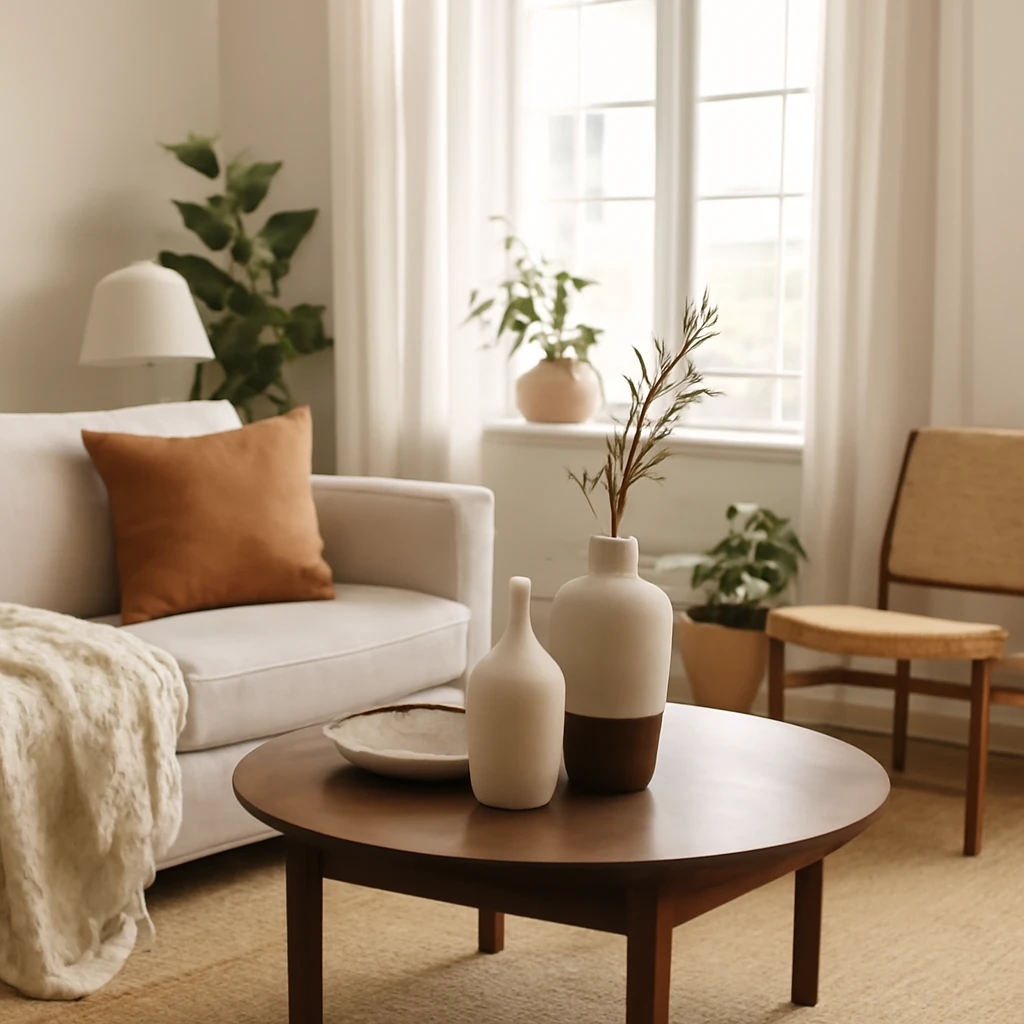
Introduction: turning everyday bottles into design statement pieces
Across European homes there is a growing appetite for decor that is both practical and thoughtful, with a focus on sustainability and texture. Glass bottles, often headed for the recycling bin, can be transformed into striking vases that bring colour, light and tactility to a room. The beauty of these projects lies in their simplicity: a bottle, a handful of natural fibres, a few well‑chosen accessories, and a bloom or sprig of greenery. The two masterclasses below are designed to be approachable for beginners while still offering room for personal experimentation. They translate well to modern urban apartments, coastal villas, and countryside houses alike, aligning with European preferences for clean lines, natural materials and flexible display systems.
Masterclass One - Wrapped bottle vase
This first vase emphasises texture and craft, creating a warm, organic presence on a dining table or console. It is ideal for showcasing pale flowers, dried stems, or even wild greenery gathered on a weekend walk.
Materials you will need
- Bottle or jar of any form and colour (ensure it is clean and dry)
- Natural fibre cord such as raffia or jute in a single roll, or a two‑tone decorative cord for contrast
- Double‑sided tape or clear adhesive that holds well on glass
- Scissors or a sharp craft knife
Step‑by‑step
- Secure the end of the fibre at the base of the bottle using a length of double‑sided tape. Press firmly so the wrap starts cleanly.
- Begin winding the fibre upward, keeping tension even as you rotate the bottle. Check for gaps and adjust your grip to avoid loose patches. If you are using two colours, alternate strands to create a subtle striped effect.
- As you approach the neck, trim the fibre neatly. To prevent the wrap from sliding, apply a small strip of tape from the base to the neck, ensuring a tidy finish.
- Optionally, finish with a second decorative thread near the top to introduce contrast. Allow the adhesive to set fully before use.
Tips for longevity and appearance
- Choose a fibre that accepts light staining or finishes well with a natural, matte look. Clear, durable adhesives help keep the wrap neat in damp environments (kitchens, near sinks).
- Control the wrap’s width for a more restrained look or go for a full coverage to create a strong sculptural form. You can also vary the wrapping direction on different bottles to create a cohesive display when grouped.
- Pair the wrapped bottle with a lightweight filler such as a small amount of water and a few fresh stems, or with dried botanicals for a year‑round vignette.
The wrapped vase is a study in restraint: a natural fibre column that gathers light, texture and the soft geometry of the bottle itself. It fits neatly into minimalist, Scandinavian and modern European interiors where hands‑on craft and sustainability are valued.
Masterclass Two - Elastic and buttons vase
The second project embraces colour and playfully mechanical elements. It suits clear glass bottles with elegant curves and can be used to house short stems, grasses or cuttings. The key here is to balance the decorative hardware with the transparency of the glass so the design remains light and expressive.
Materials you will need
- Two transparent bottles with visually pleasing shapes
- Thin black elastic cord (about 0.5 cm wide)
- Four flat buttons in any colour
- Two large coloured bobby pins (hairpins)
- A small piece of felt
- Clear silicone glue or a glue suitable for glass
- Scissors
Step‑by‑step
- For the first vase, attach the two bobby pins to the side of the bottle at roughly the same height. Use a tiny dollop of silicone to fix them in place, taking care not to protrude far enough to catch on textiles or napkins.
- For the second bottle, thread the elastic through two buttons so that buttons sit loosely on the elastic strand. Wrap the elastic around the bottle and pull tight enough to create a gentle tension that grips the glass without crushing it. Tie a sturdy knot, then cut away excess elastic.
- Repeat with the second button pair and the second length of elastic. Position the knots and the buttons so they sit visually balanced around the bottle.
- On the inside of the bottle, fix a small piece of felt behind a button to disguise the knot and to add a subtle, tactile finish that catches the light when the bottle is displayed with water.
- Refit the elastic and buttons, ensuring the arrangement is even and the knots are secure. Allow the glue to cure completely before use.
Display ideas
- Place the two bottles in a shallow tray with a handful of seasonal stems. The contrast of clear glass and bright buttons creates a playful focal point on a dining or coffee table.
- Group with the wrapped vase from Masterclass One for a varied height composition that still retains a cohesive, handcrafted feel.
As a note, this approach works well in contemporary interiors where a dash of whimsy is welcome. The elastic and button system provides flexibility: you can re‑thread, re‑colour, or substitute materials to match evolving palettes or seasonal flowers.
Design principles: making the projects work in European homes
While the two masterclasses are straightforward, a few guiding principles help them fit a wide range of spaces and styles across Europe:
- Scale and proportion: Use bottles of varying heights to create a vertical rhythm on a console, shelf or windowsill. A trio of vases at approximately 15 cm, 25 cm and 35 cm tall often achieves a balanced focal point without crowding the surface.
- Light and transparency: Clear glass catches daylight and candlelight, enriching the colour of the stems. Bottles with a subtle tint, such as pale green or amber, can introduce warmth without overpowering the arrangement.
- Texture pairing: Combine smooth glass with rough or tactile fibres. The interplay between a glossy surface and natural fibre wrap creates depth and interest, especially in rooms with a restrained colour scheme.
- Colour restraint: For group displays, select a unifying colour for buttons or hairpins. In a neutral room, keep components minimal so the flowers remain the centre of attention, in a vibrant room, let the blooms or foliage provide colour while the vases act as quiet anchors.
- Seasonal versatility: Spring and summer arrangements benefit from fresh greens and light pastels, while autumn – with dried stems and warm browns – invites richer textures. Both projects are easily adapted by swapping fibres, buttons or ribbons.
Sourcing and sustainability across Europe
European homes benefit from abundant and readily available containers. Reused wine bottles, olive-oil bottles, and small bottles from condiments are all suitable candidates provided they are clean and well‑balanced on a surface. The real choice lies in the components used for wrapping and embellishment. Natural fibres such as raffia, jute, linen twine and cotton cord are widely accessible and often produced with relatively low environmental impact. For accessories, look for durable, non‑toxic glues and elastic that retain their form over time without yellowing or becoming brittle in varying humidity levels common across continental climates.
Recycling and minimal waste can be part of the process: wash and dry bottles thoroughly, keep a small stash of off‑cuts for future projects, and store fibres in labelled bundles. If you live in a shared space or studio, create a small communal kit with a handful of fibres in complementary tones so that multiple designers or residents can contribute their own vases without duplicating materials.
Colour and finishes: playing with light and texture
The beauty of bottle vases is their adaptability to colour and finish without requiring heavy machinery or specialised finishes. A transparent wrap of raffia or a linen cord provides a matte, organic finish that plays well with natural daylight. For a more contemporary aesthetic, a sleek black elastic with bright buttons offers a graphic touch that remains tasteful and approachable. If a more refined look is desired, consider a light silicone seal that dries clear and keeps the wrap neat while protecting the surface from moisture when water is present inside the vase.
When working with tinted bottles, let the colour of the glass influence your choices: green glass can harmonise with mossy greens and soft yellows, while amber bottles pair nicely with warm terracotta shades or deep navy surfaces. If you prefer an almost monochrome scheme, keep the wraps in natural fibres and use a restrained colour palette for any accessories. The aim is to complement the space, not overwhelm it.
Maintenance and care
Proper care will extend the life of your handmade vases. Rinse bottles between uses and refresh the water regularly to prevent odours or algae growth if you choose to fill with water. Dust natural fibres with a light brush or cloth rather than washing with water, as prolonged damp exposure can soften the fibres and loosen the weave. Check the glue connections and knots once every season, tightening or re‑gluing as necessary. Store wrapped vessels in a cool, dry place to prevent fibres from becoming brittle in heat or direct sun.
Room‑by‑room ideas: integrating bottle vases into European homes
Small apartments in cities often benefit from compact, adaptable decor. Here are some practical placements and groupings:
- Living room console: a trio of bottles at varying heights, with the two masterclass vases flanking a larger decorative object, can create a calm, curated moment that changes with the seasons.
- Dining table centrepiece: arrange two wrapped vases and a plain vase with a single stem for a light, elegant dinner setting. Leave space for candles and place mats to maintain a breathable table surface.
- Bedroom dresser: a vertical cluster of slim vases adds height without crowding. Choose soft colours and minimal wraps to harmonise with linen bedding and muted wall colours.
- Kitchen window shelf: keep a water‑holding arrangement in one bottle, and use the others for dried stems or seasonal greenery. The natural textures echo the tactile feel of handmade textiles featured in many European kitchens.
Conclusion: a simple act of upcycling with lasting impact
Two straightforward projects, two ways to extend the life of everyday containers while enriching your interior with texture, light and colour. In a European context where sustainability and crafted aesthetics are highly valued, bottle vases offer a flexible, low‑cost path to seasonal refreshment and ongoing experimentation. Start with a single bottle and a roll of fibre, then expand your collection as your space and taste evolve. With a little imagination, simple jars become small sculptures that unite form and function, enhancing any room they inhabit.
You may also like these articles
 Furniture
The ottoman: flexible sleeping and seating for European homes
A versatile furniture hero: the ottoman that doubles as seating and sleeping space.
Bedroom
Choosing the Right Orthopaedic Pillow for a Healthier Sleep in Europe
A comprehensive guide to selecting the perfect orthopaedic pillow for European beds.
Small Spaces
A compact 21m² studio: functional design and cosy comfort for a student home
A compact 21m² studio reimagined with smart zoning and green accents.