
Explore interior trends, AI design insights, styling guides and real transformations
The ottoman: flexible sleeping and seating for European homes
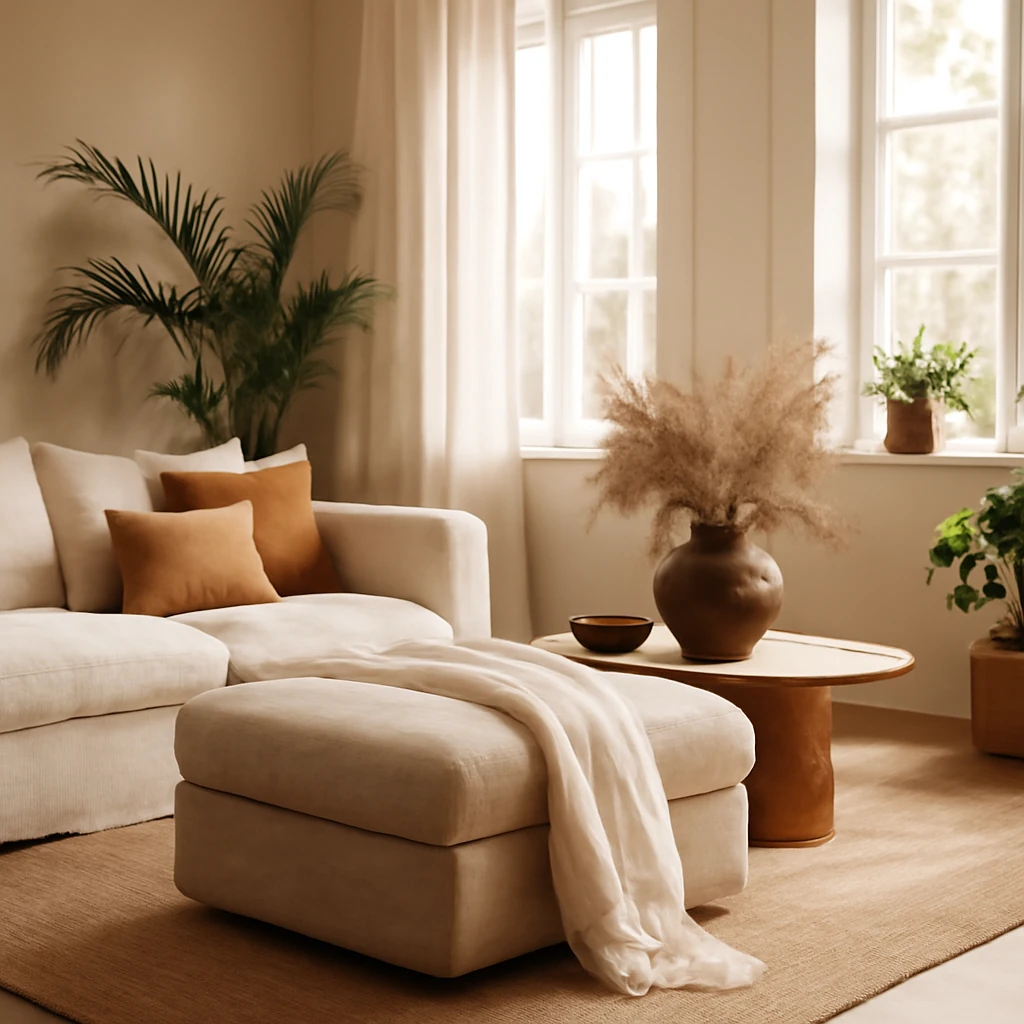
What is an ottoman?
An ottoman is a low, cushioned piece of seating designed for moments of rest, relaxation and, in many cases, overnight use. In European interiors it is commonly employed as a compact, comfortable alternative to a traditional bed or sofa. Unlike a sofa with a defined back and armrests, an ottoman often features a continuous backrest along its length, creating a welcoming, lounge-like form that can also function as a sleep surface. It is not a sofa bed with a mechanical unfolding or a rigid frame around a mattress, rather, it is a single, solid seating-bedding solution that can be placed in living rooms, bedrooms or other living spaces where versatility is prized.
The term has historical roots in Mediterranean and Near Eastern habitats, where low, long seating with a backrest was popular. In modern European design, the ottoman has evolved to accommodate contemporary materials, varying levels of comfort and a wide range of layouts, from minimal rectangular forms to plush, rounded variants. Its appeal lies in its ability to blend seamlessly with different schemes while offering a genuine alternative to owning both a sofa and a bed.
Ottoman vs. sofa, bed, daybed and sofa-bed: what to expect
Differences from a sofa
- The backrest height is typically lower or integrated along the length of the piece, prioritising a relaxed lounging posture rather than formal seating alone.
- The seating surface on an ottoman is generally continuous and cushioned, with a firmness level that supports a deeper night-time rest, while many sofas rely on modular cushions that may shift over time.
- Most ottomans are rectangular and compact, whereas sofas come in a variety of shapes and sizes, from snug loveseats to expansive sectional configurations.
In practice, an ottoman serves as a seating option that can easily convert to a sleeping surface without the bulk or mechanical elements of a traditional sofa bed.
Differences from a bed
- An ottoman usually provides a full mattress or mattress-like surface, but it lacks a dedicated headboard and a surrounding bed frame. This makes it comfortable for sitting and for sleeping, but it remains simpler in structure than a conventional bed.
- Because there is no fixed bed frame, an ottoman can be placed in a living room, home office, kitchen or guest room, expanding usage beyond the bedroom.
- It offers the sensation of a bed with a more flexible footprint, which can help in smaller dwellings where space must be shared between day and night activities.
Think of the ottoman as a compact alternative that bridges sleeping comfort with everyday seating, ideal for open-plan homes.
Differences from a daybed
- A daybed is designed primarily for seating by day and sleeping by night, often featuring a back and armrests. An ottoman, by contrast, has a continuous backrest along its length and is usually more compact and versatile in placement.
- Daybeds tend to occupy more space and suggest a dedicated sleep area, whereas an ottoman can live alongside other furniture and even function within a kitchen-dining or hallway scheme when required.
For those who want a more flexible two-in-one solution without committing to a full daybed, the ottoman provides a balanced compromise.
Construction and materials
Frame and structure: wood and metal
The framework of an ottoman is typically built from a combination of solid wood and engineered timber, with some models incorporating metal components for added durability. A well-made frame uses durable joints and resilient supports to cope with daily use and occasional weight shifts while seated or lying down.
- Hardwood such as beech, ash or oak offers excellent strength and long-lasting stability.
- Engineered woods like birch plywood or particleboard may be used to reduce cost while maintaining performance, often paired with a solid timber perimeter for rigidity.
- In higher-end designs, some frames integrate metal elements for increased load-bearing capacity or a lighter visual profile.
Upholstery: hypoallergenic fabrics
Because an ottoman is often used for prolonged sitting and sleep, selecting high-quality, hypoallergenic upholstery is essential. A fabric that resists staining, repels dust and remains comfortable over time will perform best in daily life.
As with any upholstered product, consider the balance between softness, durability and maintenance. Materials that glide smoothly, resist creasing and do not squeak with movement are especially desirable for a sleeping surface.
- Velvet offers a luxurious look and a soft, tactile feel. It tends to hold shape well and can be durable with proper care.
- Microfibre is a modern, robust option that resists wear, cleans easily and minimizes static build-up.
- Bouclé has a textured, cosy surface that lends warmth and depth to a room, though it may require more maintenance in homes with pets.
Some fabrics, including certain bouclé and velvet varieties, may be machine-cleanable at low temperatures. Always check the care guidelines provided by the manufacturer.
Where to place an ottoman in a European home
In a niche or compact space
In compact homes and studio flats, placing an ottoman in a tucked-away niche can create a cosy, sleep-ready zone without overwhelming the space. A backrest along one side helps shield the sleeper from a cool wall while preserving a dedicated sitting area for daytime use.
Customising the ottoman to fit the niche - through precise measurements, tailored upholstery and careful colour matching - creates a cohesive, built-in aesthetic that feels intentional rather than improvised.
In the living room
The living room is a natural home for an ottoman, where it can function as extra seating, a coffee-table alternative and a bed for occasional guests. Choose a size that complements your sofa arrangement, allowing comfortable circulation and easy access to cushions, throws and lighting without crowding the floor plan.
In the bedroom
An ottoman in the bedroom can serve as a stylish alternative to a bench at the foot of the bed or as a seating area near a wardrobe. When used in the bedroom, consider a higher seat height and a fabric that balances with the bed linens, ensuring the space remains harmonious and calm.
In a child’s room or family spaces
Ottomans are particularly well suited to family life. A cushioned, easy-to-clean surface can function as a reading nook, a play-area boundary or a compact sleeping corner for children. Storage-oriented models with drawers or lift-up lids help keep toys, blankets and extra linens neatly stowed away.
In kitchens or dining-adjacent zones
Because the seating surface on many ottomans is wide and forgiving, they can be used to extend a dining space for informal meals or relaxed chats. Look for models with a robust seat that won’t easily cave when leaned upon, and consider a fabric that can withstand occasional spills and cleaning.
On balconies and outdoor spaces
Weather-proof ottomans are increasingly common for outdoor rooms and balconies. A compact, cushioned form with resistant fabric can create a comfortable retreat for warm evenings, while a removable outdoor cover simplifies maintenance.
Ottoman styles for European interiors
Classic
In a traditional or classic interior, opt for neutral tones and timeless silhouettes. A simple rectangular ottoman with a subtle seam can echo a refined, upholstered sofa, while a wood base or slim legs add traditional warmth.
- Muted colours, such as taupe, cream or grey, work well with carved wooden furniture and layered textiles.
- Consider a contrasting wood frame or visible legs to punctuate the design without overpowering the room.
Modern and contemporary
Clean lines, minimal ornament and a restrained palette suit modern spaces. A low-profile ottoman with a slim, rectangular form in a solid colour or subtle texture can act as a grounding element in an open-plan layout.
In contemporary rooms, pairing a bold-colour accent ottoman with a restrained sofa adds a focal point without clutter.
Minimalist and Scandinavian-inspired
Minimalist interiors benefit from an ottoman with understated geometry, light timber or chrome detailing and a plain fabric. The aim is to create calm, cohesive lines that contribute to a sense of order and space.
Industrial and eclectic approaches
In more expressive schemes, an ottoman can play the role of a tactile counterpoint. Materials such as raw wood, metal accents, and textured fabrics like bouclé or distressed leather can enhance the industrial aesthetic while remaining comfortable to use as a sleeping surface when needed.
How to choose an ottoman
Selecting the right ottoman involves balancing function, size, materials and style. Consider the following factors to ensure a durable, comfortable and aesthetically pleasing choice.
- Size and layout: measure the space available and the arrangement of adjacent furniture. Aim for a model that leaves clear circulation paths and provides enough seating depth for comfortable lounging.
- Function and sleeping comfort: if the primary role is sleeping, prioritise a firm, well-supported mattress surface and appropriate depth. If the item is mainly for seating, focus on a softer seating area with a durable finish.
- Materials and maintenance: choose fabrics that suit daily life, are easy to clean and endure usage in the space. For households with pets or children, a durable microfibre or treated fabric can be advantageous.
- Style and integration: ensure the ottoman harmonises with the surrounding furniture, including colour, texture and scale. A cohesive look strengthens the overall interior design rather than creating a fragmented mix of pieces.
Good design is about adaptability. An ottoman should feel like a natural extension of the room, ready to act as a seat, a coffee-table surrogate or an extra bed when guests stay over.
Practical considerations and care
To maximise longevity, consider these practical tips when selecting and placing an ottoman:
- Check the inner fillings and upholstery for resilience. Independent spring blocks or layered foam constructions tend to offer better comfort and durability for a sleeping surface.
- Mind the height. An ottoman that sits too high or too low can disrupt posture when used as a bed or a seat. A balanced proportion relative to surrounding seating improves ergonomics.
- Consider built-in storage. Many ottomans feature lift-up tops or drawers, providing accessible storage for bedding, blankets or seasonal textiles.
- Test the edge comfort. A well-padded edge preserves comfort during long periods of sitting and prevents bruising when used as a sleeping surface.
In summary
- An ottoman is a versatile seating furniture that can also function as a compact bed, making it an efficient choice for European homes with limited space.
- It typically features a continuous backrest along its length and is available in a range of sizes, from modest to generously proportioned, with or without storage.
- Construction blends wood or metal frames with upholstered cushions, and fabrics range from durable microfibre to luxurious bouclé or velvet, chosen for comfort and practicality.
- Placement is flexible: in living rooms, bedrooms, kitchens or balconies, an ottoman can anchor a scheme or act as a proactive sleep surface for guests.
- When choosing, match size, function, materials and style to your space and lifestyle, ensuring it enhances both daily life and occasional overnight needs.
Final thoughts
For designers and homeowners alike, the ottoman offers a pragmatic route to maximise space without compromising on comfort or style. By selecting the right dimensions, supportive surfaces and durable upholstery, this unassuming piece becomes a proven workhorse in contemporary European interiors - an elegant, intelligent alternative to owning separate sofa and bed pieces.
You may also like these articles
 Tips & How-To
Corner kitchens: ergonomic layouts for European homes
Practical guidance for ergonomic corner kitchens across Europe.
Living room
How to size a sofa for a European living room: comfort, fit and function
Master the art of sofa sizing for stylish, well-proportioned living spaces.
Colour & Materials
Pink Interiors: Colour, Style and European Trends for Homes
A comprehensive guide to using pink in European interiors—from subtle elegance to bold statements.