
Explore interior trends, AI design insights, styling guides and real transformations
Designing modular, cat-friendly interiors: a European DIY guide to feline furniture
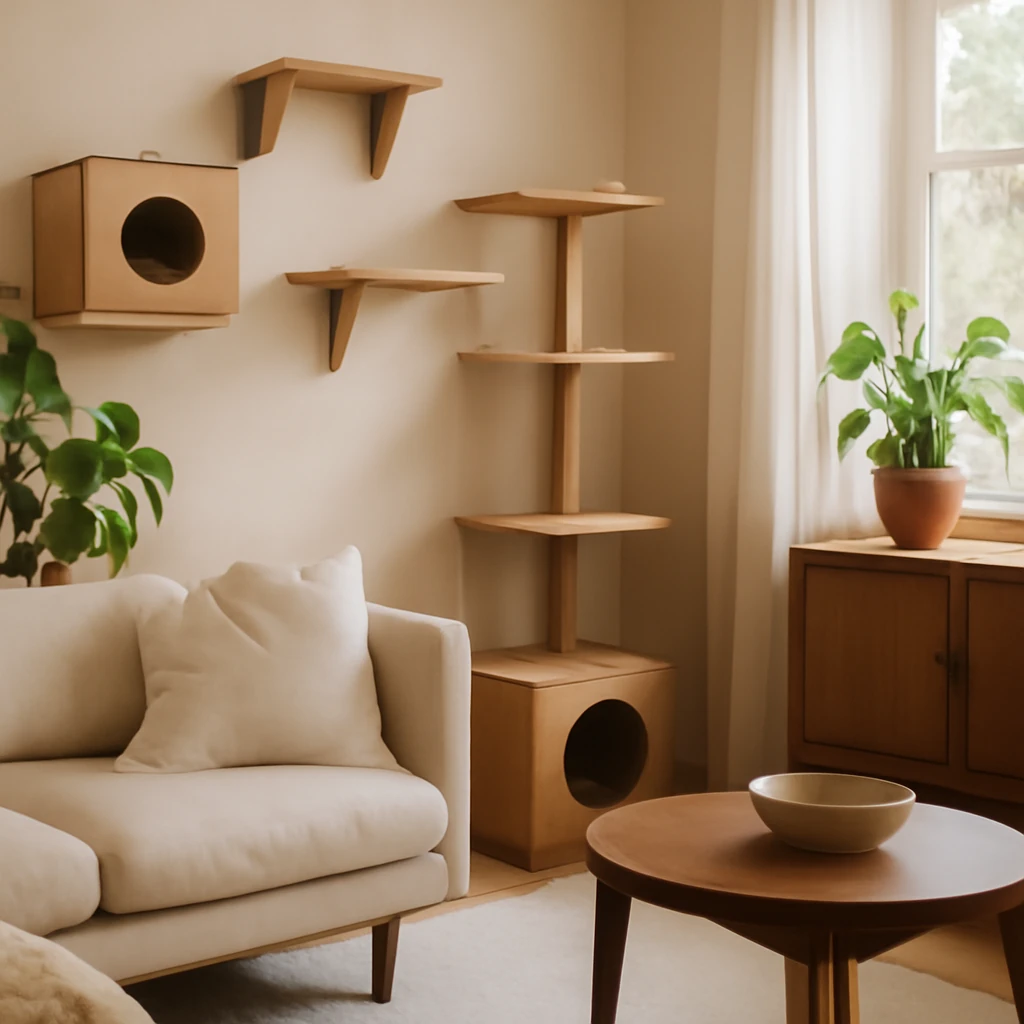
Designing feline-friendly interiors in Europe
In many European homes, interiors are a balancing act between compact living, timeless aesthetics and practical function. Cats, with their instinct for warm shelves, hidden corners and elevated viewpoints, complicate that balance in a delightful way. Rather than seeing a cat as a disruptor of décor, a thoughtful approach to cat-friendly design can create spaces that are as enjoyable for humans as they are for felines. This guide offers a clear, step-by-step path to crafting modular, durable, and stylish cat furniture that integrates seamlessly with contemporary European interiors. By prioritising safety, hygiene and modularity, you can build zones that your cat will use daily while enhancing the overall architectural language of your home.
Design-conscious households increasingly seek furniture that doubles as both practical amenity and visual statement. A well-planned cat nook or series of perches can act as a sculptural element - taking advantage of vertical space, aligning with natural light, and offering soft textures that soften hard edges in a modern apartment. The aim is not to “cat-proof” the home by tucking away everything, but to embed cat-friendly features into the design language of the living environment. The result is a calmer, more cohesive space where the pet’s needs are met without compromising furniture quality or aesthetic integrity.
Before you begin, consider one vital question: how will the furniture be used in daily life? Will the cat primarily observe from a high perch, or will it seek out cosy hideaways near a sunny window? Will you need a compact corner installation, or a modular wall system that can evolve with your space over time? The answers will shape the scale, materials and installation approach of your project.
You may also like these articles
 Bedroom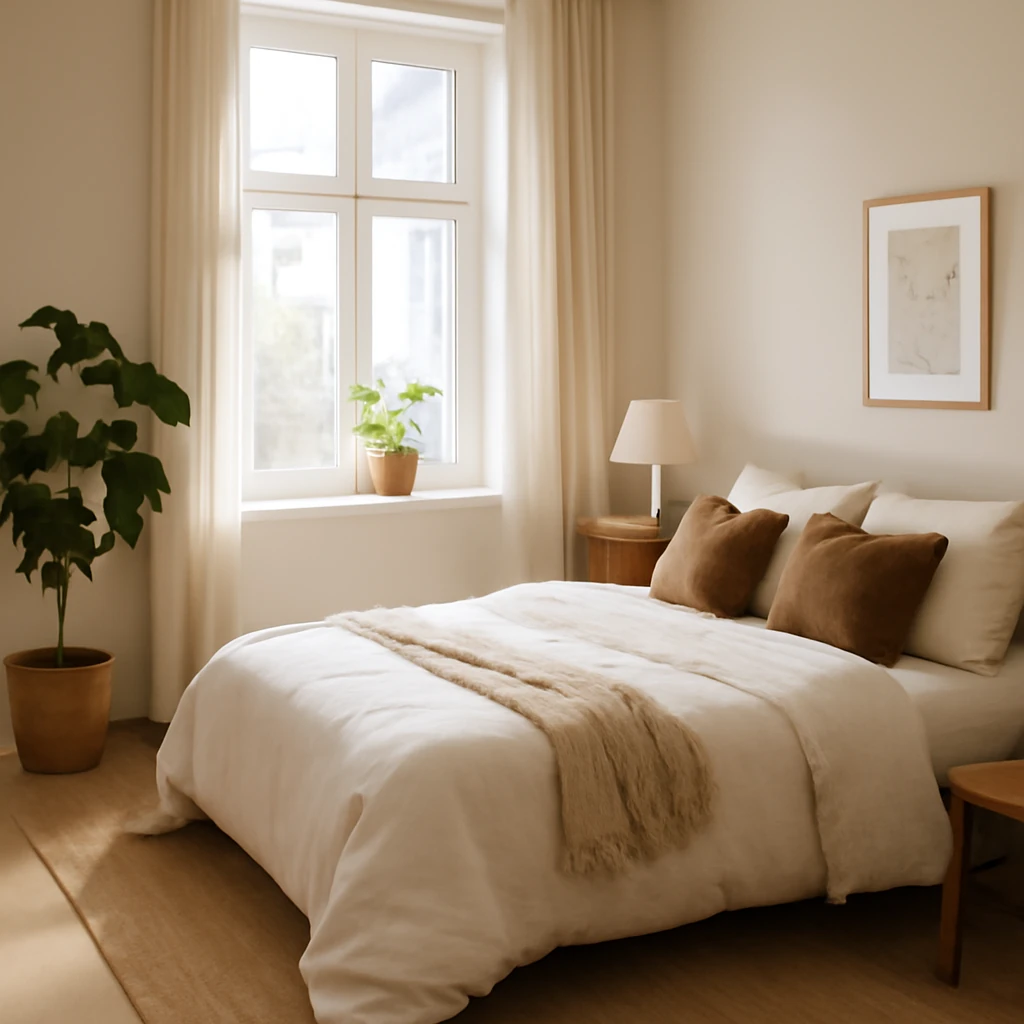
Scandinavian Bedrooms: Calm Light and Natural Textiles for European Homes
Nordic-inspired bedrooms: calm spaces, natural textures, layered lighting.
Small Spaces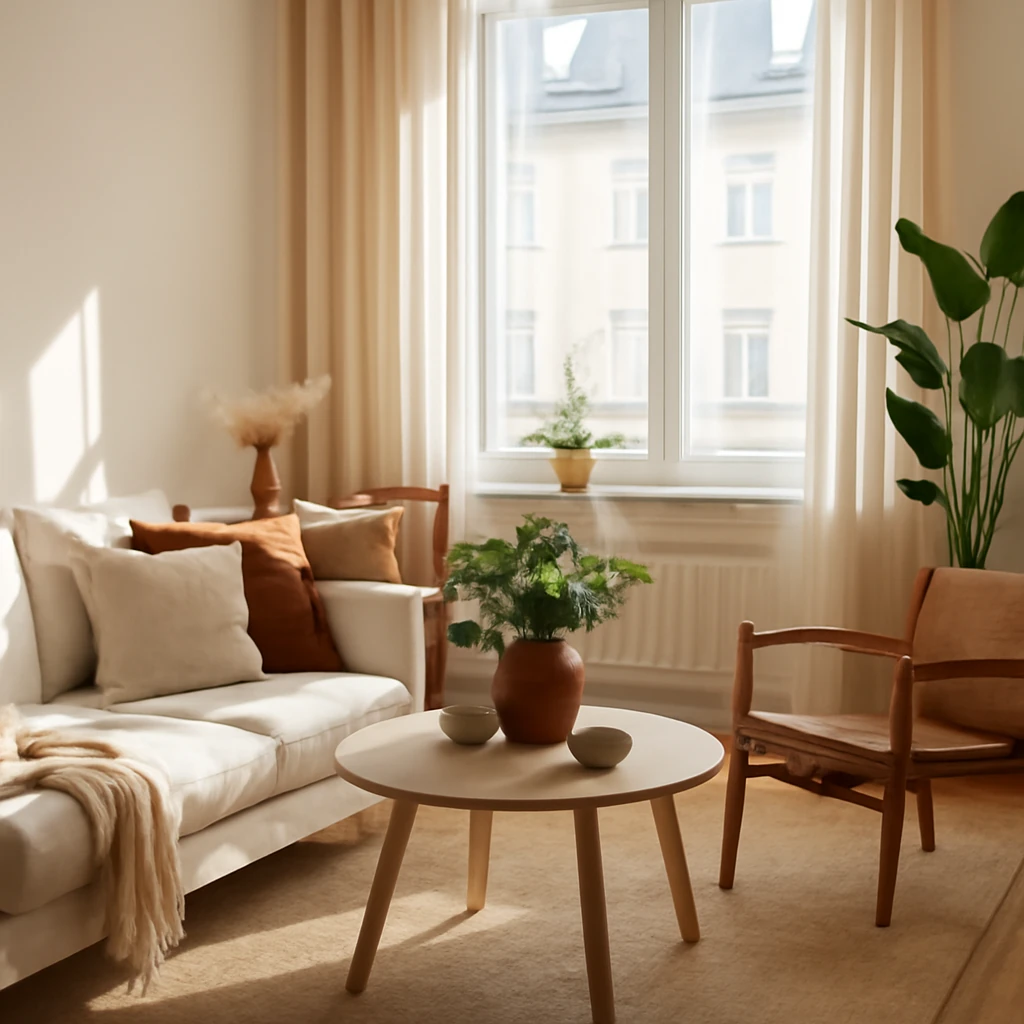
Zoning Made Simple: Flexible Layouts for European Apartments
Create flexible zones in compact European homes with style and smart storage.
Renovation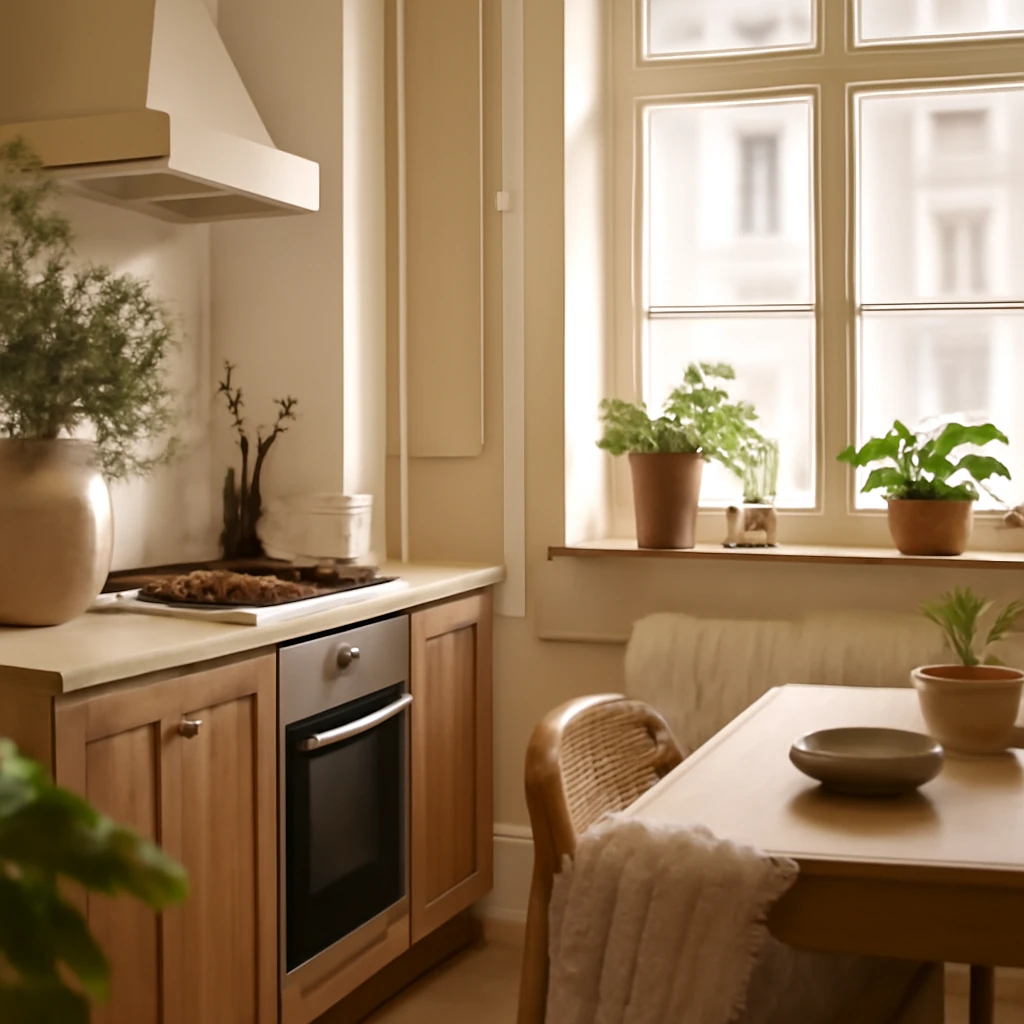
Gas pipes in European kitchens: 10 lawful design ideas for a seamless look
Balancing safety and style: compliant kitchen pipe décor across Europe.