
Explore interior trends, AI design insights, styling guides and real transformations
Backsplashes 2025: European Kitchen Trends, Materials and Colours
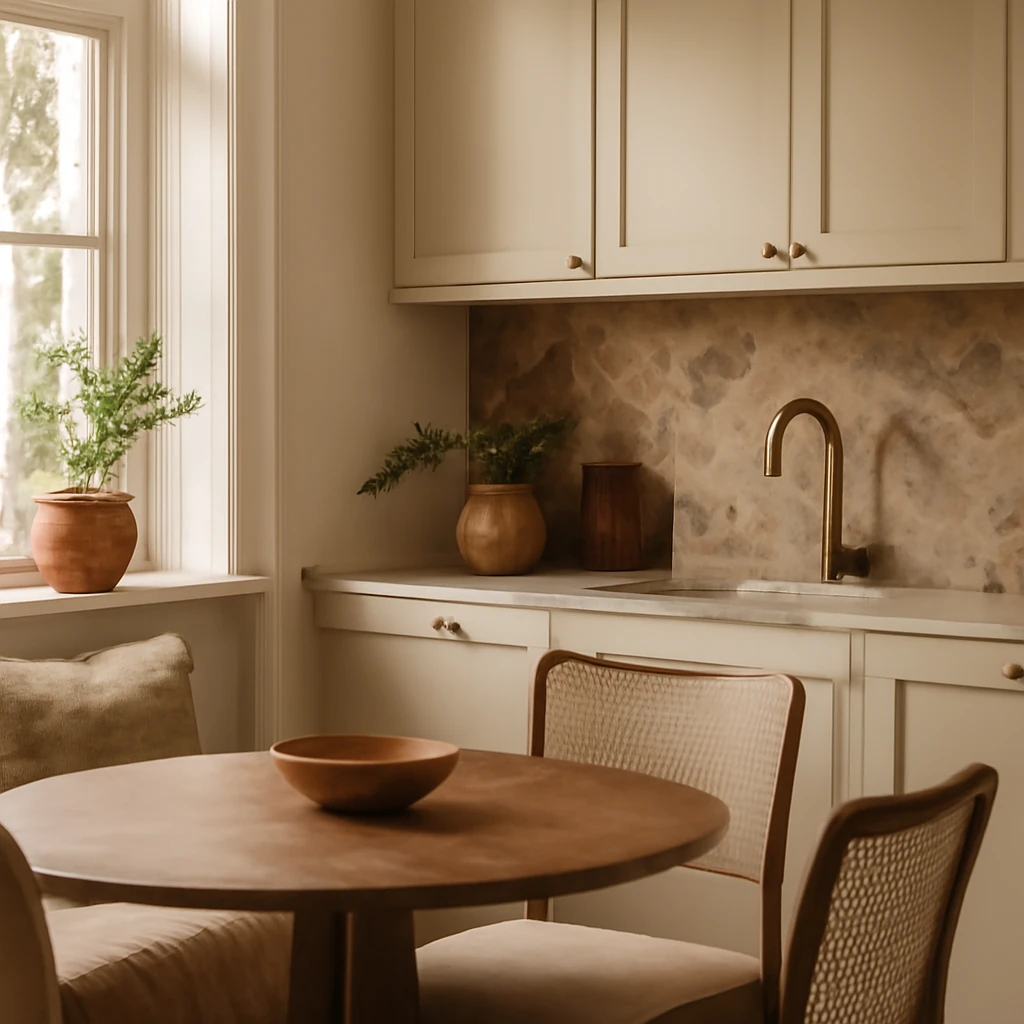
Introduction: The quiet revolution in kitchen splashbacks
In European homes, the kitchen splashback has moved from being a mere protective panel to a design feature that helps set the tone for the space. For 2025, the look is calm, durable and easy to maintain, with surfaces that can be wiped clean and colours that harmonise with the surrounding cabinetry. This article explores what makes a splashback relevant today, the materials that perform best in busy family kitchens, and how to choose a solution that reads cohesively with the rest of the home.
Key materials for 2025
Stone
Natural stone remains a premium choice for those seeking texture and longevity. Marble, limestone and quartzite offer depth and warmth, but they demand proper sealing and care. In a European context, clients weigh aesthetics against maintenance: natural stone can stain and weather with time if not properly treated, and some stones react to acidic foods and beverages. For many projects, engineered alternatives mimic the look without the upkeep. A popular approach is to extend the stone effect across the splashback and onto the adjacent work surface or plinth to create a continuous band that reads as a single material.
Tip: when opting for stone-inspired surfaces, choose shades with restrained veining and larger, soft patterns that remain elegant in a variety of kitchen styles.
Porcelain stoneware
Porcelain stoneware (often referred to as porcelain panels or large-format slabs) is now a default in many European kitchens. It is highly durable, non-porous and resistant to heat, moisture and most household cleaners. Large-format planks, sometimes up to 1200 mm by 3600 mm, minimise grout lines and create a seamless backdrop behind the hob and sink. Used as a continuous panel that meets or blends into the countertop, maintenance becomes straightforward and the overall aesthetic reads as one material.
Advice: select finishes that emulate natural stone or concrete while remaining in a restrained palette. Subtle veining or micro-textures are ideal for timeless sophistication.
Glass
Glass splashbacks offer a clean, reflective surface that brightens smaller kitchens. They are highly practical: wipe-clean and virtually seamless, with no visible joints. A transparent or lightly tinted panel keeps the room feeling open and avoids drawing attention away from cabinetry or worktops. In European projects, glass splashbacks are often specified with matching trims to maintain a crisp edge and tidy junctions with wall tiles or plaster.
Tip: choose clear or solid-colour glass rather than printed designs, as the right shade can shift with lighting and neighbouring finishes.
Ceramic tiles
Ceramic wall tiles remain a practical favourite for busy kitchens. They withstand heat and moisture and come in a vast range of finishes. The modern trend leans toward calm, low-contrast palettes and large formats that minimise grout lines. If pattern is desired, opt for subtle reliefs, smoked glazes or bevelled edges that catch light without dominating the space. Be mindful of grout, select stain-resistant formulations and grout colours that blend with the tile for a cohesive look.
Selection tip: large-format tiles (e.g., 60 x 60 cm or larger) reduce maintenance needs and create a restrained, contemporary backdrop for appliances and counter surfaces.
Imitation surfaces and large-format panels
The appeal of imitation stone and cement continues, driven by cost efficiency and performance. Large porcelain panels that resemble marble, limestone or travertine offer an authentic look with easier care. A growing trend is concrete-look panels for urban, industrial-inspired kitchens, paired with warm woods or soft neutrals to prevent the space from feeling cold.
Colour and finishes
Current shades
The palette for 2025 is diverse, but with a common aim: refined quietude. Soft whites with warm undertones, creams and biscuit hues provide a timeless base that works with both traditional and modern cabinetry. Greige - between beige and grey - offers a versatile backdrop that adapts to changing accents. For personality, cool tones such as slate blue, duck-egg and sage green appear in lighter versions, while deeper teals, charcoals and earthy browns anchor larger spaces.
In sunlit kitchens facing south or east, cooler hues help balance glare. North-facing kitchens can embrace warmer neutrals to add warmth without overpowering natural light.
Finishes and contrasts
Glossy surfaces reflect light and can brighten compact spaces, while satin or matt finishes read as more sophisticated and forgiving of fingerprints. Textured finishes - reminiscent of linen, leather or stone - offer tactility without overwhelming the room. A popular tactic is to treat the splashback as a design spine: a slightly stronger shade or a subtle pattern anchors the room, while surrounding cabinetry remains more restrained.
Patterns and accents
Two-tone schemes - one dominant colour with a restrained secondary shade - are increasingly common, used not as accents but as the main palette. If pattern is desired, keep it subtle: a restrained veining in engineered stone or a gentle geometric in ceramic tile can provide character without shouting for attention.
Planning a splashback that fits your home
Before choosing a splashback material, consider how the kitchen relates to the rest of the home. In contemporary European living spaces, the kitchen often forms part of an open-plan arrangement. The splashback should harmonise with adjacent zones - living areas, dining spaces and even the entrance hall - so the palette and materials read as a coherent family rather than a disparate set of rooms.
Matching the splashback to other surfaces is a reliable strategy. A splashback that mirrors the colour or material of the floor, or the shade of metal hardware, can tie rooms together with quiet confidence. A kitchen that shares a surface with the countertop or with wall cladding creates visual unity and simplifies cleaning.
In smaller homes or apartments, softer walls and lighter, reflective surfaces help maximise light. Conversely, in larger kitchens, a warmer or darker splashback can anchor the space and provide a cosy sense of scale.
Today design leans towards simplicity with carefully chosen accents. Smooth, handleless doors, soft chamfers and barely-there edges offer a modern, understated look. The splashback can be the one element that introduces texture or depth without complicating the overall form of the kitchen.
Practical considerations for European kitchens
Durability and hygiene are essential in Europe’s varied climates and living patterns. Kitchens may experience frequent use, from coffee spills to wine splashes and boiling water. The material selected for the splashback must be easy to clean, heat resistant and compatible with common cleaning products. In rental properties or public-facing spaces, longevity and maintenance are particularly important, so designers often opt for robust materials with long lifespans rather than the lowest price.
Pricing and installation are important, large-format panels reduce grout lines but require professional templating and precise preparation. When selecting a splashback for a domestic kitchen, work with a qualified installer who can assess wall preparation, moisture barriers and any underlying pipes or cables. In many jurisdictions, building codes require specific clearances near the hob and splash protection behind cooking surfaces. Plan accordingly and request a detailed installation plan from your contractor.
European kitchen scenarios: open-plan, compact, and bespoke
Open-plan European homes treat the splashback as a storytelling device. A continuous panel that travels across the back of the island and up the wall can unify the kitchen with dining and living zones, while a glass splashback with a subtle tint keeps the space light and cohesive. In compact city apartments, light-coloured glass or porcelain panels maximise perceived space, whereas in rustic interiors a warmer stone-look can balance heavy timber and natural stone floors.
Bespoke kitchens with island worktops and integrated sinks benefit from a splashback that integrates with the countertop or wall cladding. A seamless transition from countertop to splashback looks refined and simplifies cleaning. European studios often propose a continuous material that wraps from wall to countertop and into the backsplash, creating a single plane that reduces visual interruptions.
Maintenance, care and longevity
Maintenance drives material choice. Porcelain stoneware and quartz surfaces are popular because they are non-porous, highly resistant to staining and easy to wipe clean. Glass requires gentler care, as scratches can dull the finish if mishandled. Tiles may need more regular grout maintenance, though modern grout formulations help reduce staining and discolouration. Whether natural stone or porous surfaces are used, sealers should be applied as advised by the manufacturer and renewed on schedule.
To ensure long-term performance, follow these guidelines:
- Wipe spillages promptly with a soft cloth and mild detergent, avoid abrasive cleaners on stone and metal surfaces.
- Use non-acidic or mildly acidic cleaners to protect protective sealants.
- For stone, reseal according to manufacturer guidance - typically every 1–3 years depending on wear.
- Avoid placing hot pots directly on stone or glass without a heat-resistant barrier.
- When cutting near the splashback, use a cutting board to prevent scratches.
Cost considerations and budgeting
Backsplashes span a wide price range. Natural stone tends to be the most expensive option, followed by premium porcelain panels and ceramic tile. Large-format porcelain slabs may offer the best balance between look and durability at a reasonable price, particularly in open-plan kitchens where a seamless, uninterrupted surface is valued. Labour costs, underfloor heating, and wall preparation all influence the final figure. For many European homes, it is sensible to allocate around 5–15% of the kitchen budget to the splashback, depending on the chosen material and installation scope.
Case for a restrained, timeless splashback
Fashion will come and go, but the splashback remains an area where restraint yields longevity. The 2025 trend favours surfaces that look calm, wear well and still feel fresh after years of use. A well-chosen splashback should support the surrounding cabinetry and work surfaces, echoing colour and texture while offering a subtle focal point that does not shout above the rest of the kitchen design.
What to ask your design professional
To ensure a well-informed choice, consult with a qualified kitchen designer or contractor. Useful questions include:
- Which materials are best suited to our climate and lifestyle?
- What is the expected lifespan of the chosen finish, and what maintenance is required?
- How will the splashback integrate with the countertop, hob and sink?
- Are there regulatory or safety considerations for our space (for example, heat clearance or splash protection behind the cooker)?
- What is the projected installation timeline and budget for the project?
Sustainability and responsible choices
Many European clients are prioritising sustainability. Look for low-VOC adhesives, recycled-content materials and suppliers with transparent supply chains. Engineered stone and porcelain often offer lower environmental footprints than some natural stones, while still delivering authentic aesthetics. Consider local production where possible to reduce transport emissions, and choose finishes that can be repaired or refinished rather than fully replaced when wear occurs.
Maintenance and care for longevity
Proper care extends the life of a splashback and preserves its appearance. For stone and porous surfaces, follow the manufacturer’s sealing schedule. For glass and porcelain, use gentle cleaners and avoid harsh abrasives. Keep heat shields handy for hot pans, and manage the transition between different surfaces to prevent cracking or chipping at edges. A sensible routine now saves time and expense later.
Getting it right: a practical checklist
- Assess the kitchen’s overall design language and how the splashback will relate to cabinets, flooring and countertops.
- Choose a material that balances durability, maintenance, and budget for your space.
- Consider large-format panels to minimise grout lines and simplify cleaning.
- Plan for seamless transitions where possible, particularly between countertop and splashback.
- Evaluate installation requirements with a qualified professional and obtain a detailed plan.
- Factor in climate, usage patterns and potential regulatory requirements on safety clearances.
- Account for maintenance: resealing stone, grout care, and cleaning regimes.
Bottom line
In 2025, kitchen splashbacks in Europe are less about bravura and more about intelligent surface design. The best options combine durability, easy maintenance and a refined aesthetic, allowing the rest of the kitchen to shine. Whether you favour the quiet glamour of a stone-look panel, the crisp minimalism of glass, or the forgiving practicality of large-format porcelain, there is a solution to suit every home and living pattern.
You may also like these articles
 Trends
Interior Trends 2024–2025: A European perspective on finishes, layouts and ambience
A comprehensive guide to 2024–2025 European interior trends
 Tips & How-To
A Practical Yearly Deep Clean: The Essential European Guide
Plan a seasonal, thorough annual clean to refresh every corner of your European home.
Renovation
Design-Driven Apartment Renovation: A Practical Guide
A practical blueprint for smart, stylish apartment renovations across Europe.