
Explore interior trends, AI design insights, styling guides and real transformations
Steampunk Interiors: A European Guide to Industrial Chic
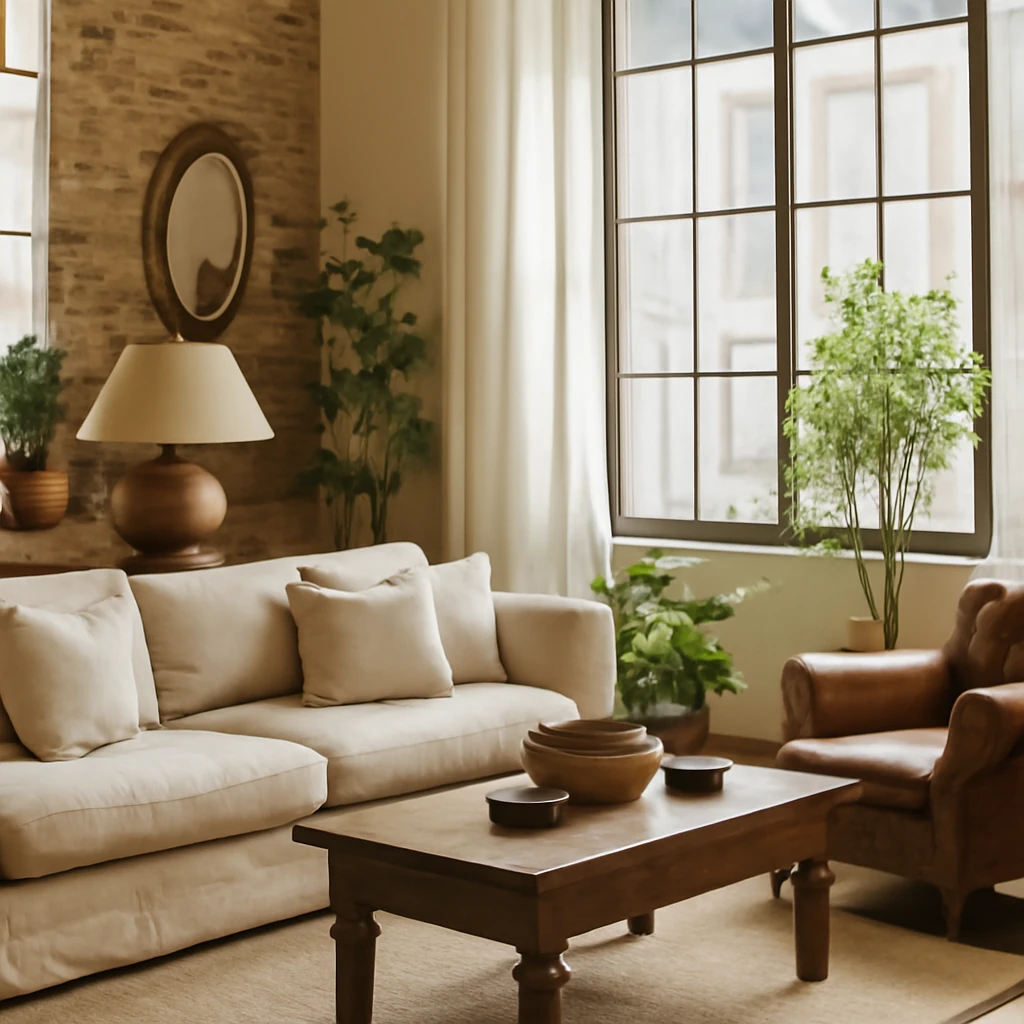
Steampunk interiors: a European perspective on industrial chic
Steampunk is a design language that sits at the intersection of past and future, where the elegance of the Victorian era meets the utilitarian clarity of industrial machinery. In many European cities - where heritage architecture marries contemporary living - steampunk has found a natural home. It offers a way to celebrate texture, craftsmanship and the romance of invention without surrendering modern comfort. The result is a nuanced, tactile environment: spaces that feel both curated and alive, where the beauty of metal, wood and glass tells a story alongside contemporary furniture and technology.
What makes steampunk particularly compelling in Europe is its adaptability. From a tall-hipped loft in a re‑imagined factory district to a compact city apartment in a listed building, the style can be scaled and tempered to suit a wide range of conditions. It is not a fixed recipe but a mood: warmth, a touch of breathless drama, and a wink to technical ingenuity. In this guide, we unpack the elements that define steampunk interiors and offer practical ways to implement them in European homes while honouring existing architecture and customs.
A historical lens: imagining the future through the past
To understand steampunk, picture the future as envisaged by a late‑19th‑ or early‑20th‑century mind. The era of steam power, spark‑plug engines and brass fittings imagined advancements in a tactile, mechanical language. In interior design terms, that means motifs rooted in gears, pistons, hulls and clocks, reinterpreted with a modern sensibility. The driving symbol is the gear - not merely decorative, but a suggestive emblem of progress and clever engineering.
Three broad directions characterise steampunk in interiors:
- Urban industrial: exposed structure, brick, metal and timber that celebrate industry as art.
- Science‑fiction edge: speculative details and fantastical mechanisms that provoke curiosity.
- Retro‑futurism: a dialogue between yesterday’s materials and today’s technology.
Recognising these threads helps when selecting a direction for a European home. You might prefer a restrained palette with refined brass accents in a graceful Parisian apartment, or a more exuberant, machine‑age mood in a Berlin factory‑conversion turned living space. The core idea remains: authenticity of materials, a sense of history, and a clear separation between decorative and functional elements.
Colour and atmosphere: warmth over austerity
The colour story in steampunk interiors leans towards warm, rich tones that create a cocooning, lived‑in ambience. Think light beige, warm taupe, chocolate brown and deep charcoal as foundations, with metallic highlights in copper, brass, bronze and gold. These metallic notes don’t shout, they glow softly and enrich the texture of surrounding materials.
Accent tones can introduce depth and mystery. Subtle blues or greens - smoke‑blue, teal, or olive - bring a sense of intrigue and a hint of the “steam” and “fog” that characterise maritime and nautical motifs within the genre. In smaller spaces, use colour to define zones rather than overwhelming the room, a darker accent wall behind a feature cabinet or a smoky ceiling can anchor the space without sacrificing light and air.
Lighting plays a pivotal role in shaping atmosphere. Steampunk thrives on a soft, diffuse glow, punctuated by pockets of warmer, amber light. The aim is to evoke the sense of a well‑loved instrument, not a showroom. The interplay between warm metals and natural materials - oak, walnut, leather, ceramic - illuminates texture and heightens tactility.
Materials and surfaces: honesty in craft
At the heart of steampunk is an insistence on natural materials and a respectful approach to construction. Plastics, if present, should be concealed or carefully mimicked by materials such as textured laminates or high‑quality veneers. The design language relies on authentic surfaces that age gracefully and patinate with use.
Key materials include:
- Metal: brass, brushed copper, bronze, iron. These metals are used not only for fixtures but as visible surfaces, decorative panels, and structural accents.
- Wood: solid timbers with rich grain, sometimes dark stains or wax finishes to enhance the tactile quality.
- Stone and ceramic: surfaces that read as durable, crafted and timeless.
- Glass: clear or coloured, used in a way that preserves transparency and light transmission in industrial frames.
- Leather: deep, natural tones for upholstery or accessories, adding warmth and a soft counterpoint to hard metals.
Walls in steampunk spaces are often finished in masonry, plaster or timber cladding. Brick walls, once painted or exposed, provide a raw canvas for a museum‑like display of objects. Where walls must be more refined, consider wallpaper with a subtle geometric or plaid pattern, or a high‑quality lime plaster in a soft ivory or stone colour. The flooring can range from wide plank timber with a satin finish to ceramic or stone tiles that emulate a classic workshop floor. In all cases, the floor should be robust, practical and capable of withstanding daily life.
Architectural details matter. Crown mouldings, archways, robust doorframes and even cast‑iron or wrought‑iron elements bring the authentic air of a historic workshop or a small production studio. Subtle nods to maritime or railway histories - portholes, porthole mirrors, or clock faces - can be woven into shelving, wall panels or cabinetry without feeling gimmicky.
Lighting and atmosphere: light as a storytelling device
Steampunk lighting is less about glare and more about narrative. Fixtures should speak of material truth: metal, glass, and textile cords, with a nod to gas‑light aesthetics or Victorian brass arms. The look can incorporate oversized ceilings with suspended luminaires that resemble ship lanterns or factory pendants, as well as wall sconces that mimic gas lamps with gentle, warm pools of light.
In practice, aim for lighting that can be dimmed and layered. A central chandelier or a pair of bold sconces can establish the tone, while task lighting near a desk or kitchen island adds practical warmth. Some designers embrace sounds and textures - soft crackle in a filament bulb, or the faint hum of an industrial fixture - as a tactile cue that anchors the space in a recognisable, mechanical world. Where possible, choose dimmable LED solutions that faithfully reproduce warmth and colour rendering while remaining energy efficient.
Furniture and decorative language: a dialogue between past and present
Steampunk furniture is characterised by heft, presence and a quiet celebration of engineering. Pieces often fuse retro silhouettes with contemporary comfort, resulting in a look that is at once nostalgic and wearable. Here are typical furnishings you’ll find in a well‑curated steampunk setting:
- Central seating: a substantial sofa or settee upholstered in leather or textured fabric, with broad arms and a solid, grounded silhouette.
- Desks and workstations: substantial, often raised on a plinth or pedestal, with brass drawer pulls and visible joinery reminiscent of a workshop bench.
- Coffee and side tables: solid timber or metal frames, occasionally embellished with gear motifs or riveted panels.
- Storage: cabinets and shelving with exposed hardware, brass hinges, and reclaimed timber or metal components.
- Decor and accessories: a mixture of timeworn artefacts - maps, compasses, navigational instruments, old typewriters, gramophones or camera bodies repurposed as display pieces.
- Gears and clockworks: decorative panels, wall art or framed mechanical diagrams that tell a story of motion and invention.
- Architectural reinventions: steam‑engine inspired railings, metal screens, or pipe shelving that doubles as display space.
One of the pleasures of steampunk is repurposing ordinary items into design features. A wooden door can become a striking headboard, an industrial pipe can support a shelf, an upcycled metal crate can function as a console. The point is not to create a stage set but to craft a space with honest materials expressed through a refined, imaginative lens.
Rooms and zones: applying steampunk across the home
European homes often balance living spaces with practical needs. Steampunk can be layered gradually, room by room, without requiring a dramatic upheaval. Here are versatile approaches for living rooms, kitchens, bathrooms and home offices:
Living room
The living room is an ideal theatre for a steampunk narrative. Start with a strong anchor piece - a leather‑upholstered sofa or a substantial wood‑framed armchair. Introduce a coffee table with a heavy top and metal detailing, and consider built‑in shelving with visible hardware to showcase vintage curios. A feature wall in textured plaster or exposed brick works well, complemented by warm lighting and a carefully edited collection of artefacts. If ceiling height allows, a statement chandelier with brass or copper detailing can act as a centrepiece that unites the space.
Kitchen and dining areas
A steampunk kitchen leans on robust materials and honest craft. Imagine timber‑framed cabinetry, metal countertops or appliance housings that mimic vintage machinery. You can integrate copper sinks, brass taps and ventilated metal shelving for practicality and visual resonance. The dining area benefits from a heavy‑duty table in timber or metal, paired with chairs that have a classic but comfortable silhouette. Accents in copper or bronze - such as pendant lights or a collection of small vessels - enhance storytelling without overpowering the space.
Bathroom design
In bathrooms, steampunk can be surprisingly refined. Consider brass or bronze fixtures, classic claw‑foot or freestanding bathtubs where appropriate, and wall finishes that mimic aged plaster or charcoal tilework. A vanity cabinet with a dark timber finish and clear glass doors can recast workshop precision as daily luxury. Minimalist storage and concealed plumbing keep the space practical, while distressed metal mirrors and industrial light fittings add character.
Home office and study
The home office is a natural stage for steampunk intelligence. A substantial desk with visible joinery, leather upholstery, and shelving that displays reference books, maps and old instruments creates an environment that is both inspiring and grounded. Consider a wall of framed diagrams or mechanical illustrations, along with task lighting that casts a warm glow on your materials. A rolling metal cart or trolley can serve as a mobile workstation, echoing the era’s workshop ethos.
Practical considerations for European homes
In Europe, architectural realities shape how steampunk is implemented. Many homes are historic or listed, with plaster or lime walls, timber floors and valuable masonry. Here are practical tips to integrate the style with respect for structure and regulations:
- Respect existing fabric: celebrate period features such as cornices, archways, parquet floors or radiators by surrounding them with complementary materials rather than removing them.
- Layer lighting and acoustics: busy interiors require thoughtful lighting and sound control. Use soft lighting to enhance texture, and add acoustic panels or rugs to balance reflections from brick or metal.
- Radiators and climate: many European homes rely on radiators or underfloor heating. Integrate radiators as design elements using covers or paneling that harmonise with the overall aesthetic, rather than hiding them fully.
- Storage considerations: in compact city homes, clever storage is essential. Opt for furniture that can be repurposed - utility chests as coffee tables, wall‑mounted cabinets with lockable metal hardware, and hidden drawer units within larger pieces.
- Scale and proportion: in tall rooms, emphasize verticality with shelving and tall cabinets, in smaller spaces, use reflective surfaces and lighter tones to preserve airiness while retaining the mood.
Finally, plan with longevity in mind. The strength of steampunk lies in the patina of materials and the storytelling aesthetic. Choose well‑made pieces that will age gracefully, and avoid trends that feel disposable. The result should be a space that remains authentic and comfortable for everyday living, season after season.
Palette and materials: suggested combinations
The materials and colours converge to create a coherent, mature look. Here are a few palette templates you can adapt to your space:
- Palette A - Warm timber, brass, and charcoal: oak or walnut cabinetry, brass hardware, a charcoal wall or fireplace surround, and leather seating.
- Palette B - Copper and stone with muted greens: copper fixtures, stone countertops, plaster walls in soft greys, and olive‑green accents.
- Palette C - Blackened metal with natural wood: blackened steel frames, weathered timber, off‑white or warm beige walls, and metallic hardware as accents.
In practice, start with a dominant neutral base and weave in metallic accents and texture through furniture, lighting and decorative objects. This approach keeps the look refined rather than loud, while still letting the steampunk language speak loudly where it matters most.
Authenticity on a budget: making the most of what you have
Steampunk is not an expensive design regime if you approach it with smart choices. A few well‑considered pieces can anchor the space, while cheaper add‑ons fill in the story. Consider these strategies:
- Focus on one or two hero pieces - perhaps a leather sofa or a substantial worktable - and build the room around them.
- Repurpose everyday objects: vintage crates as shelving, old wooden doors as headboards, repurposed machinery elements as wall art or decorative panels.
- Mix high‑quality materials with affordable finishes: solid wood or metal hardware can elevate budget pieces with a little refurbishment or customisation.
- Use lighting strategically: a strong central fixture paired with a few task lights creates depth without overwhelming the space.
Remember, the value of steampunk lies in its ability to evoke a narrative. A cohesive story will always trump a collection of superficially similar items.
Practical steps to begin your steampunk project
- Define your focal point: a large piece of furniture, a statement lighting fixture, or a feature wall that anchors the room.
- Catalogue materials in your space: what textures already exist? What can be enhanced with brass, timber or leather accents?
- Decide on a colour hierarchy: pick a warm neutral base, and select two metallic accents plus one cool or rich colour for depth.
- Plan for hardware and fixtures: replace or dress existing fittings with brass or bronze handles, taps, and lighting that match the chosen palette.
- Curate decorative elements thoughtfully: select a handful of objects (maps, clocks, instruments) that tell a story rather than filling every surface.
These steps help to translate the steampunk concept into a refined, practical interior that respects European living conditions and architectural heritage.
A closing thought: living with invention and character
Steampunk interiors offer more than a visual style, they present a way of living that values craft, material honesty and a sense of wonder. In European cities where tradition and modern life coexist, this approach provides a bridge between historic streets and contemporary routines. It invites you to touch, to notice, to imagine the mechanics that might power a future that still feels human. With careful material choices, balanced lighting, and a considered collection of furniture and artefacts, steampunk can become a timeless language for your home - one that rewards close attention and playful, intentional design.
You may also like these articles
 Interior Design
Hidden doors: flush-fit design for European homes
Flush-fit doors blend wall and room for a sleek, space-saving home
Small Spaces
Storage in the Bathroom: Principles, Zonal Solutions and Real‑World Projects
Smart storage strategies for compact European bathrooms, with expert tips and real projects.
Renovation
Cosmetic versus capital renovation: planning a smarter European home upgrade
A practical guide to choosing cosmetic or capital renovation across Europe.