
Explore interior trends, AI design insights, styling guides and real transformations
How to Place Furniture in European Rooms: Expert Guidance
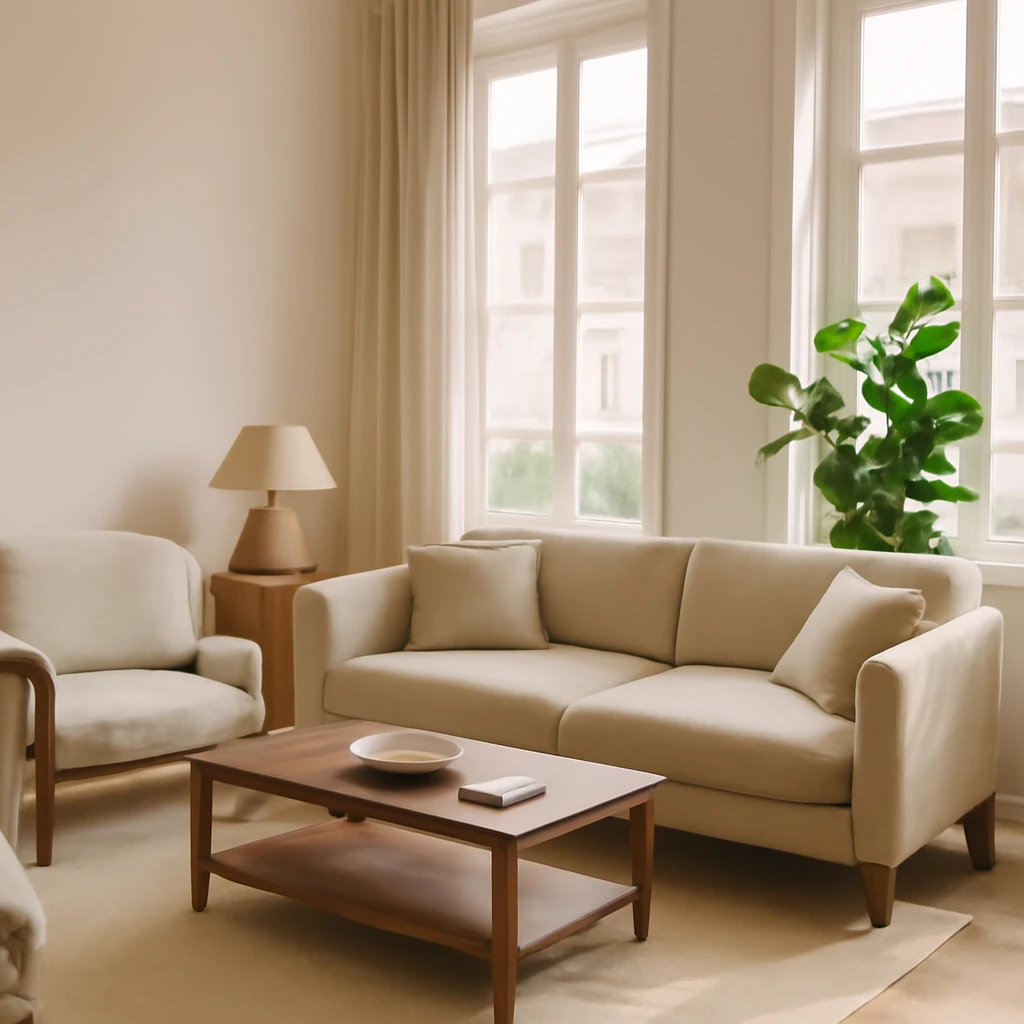
Introduction: designing with space and light in European homes
Across Europe, homes come in a vast range of shapes and sizes. Commissioned by careful planning and a sense of proportion, even compact apartments and open-plan living areas can feel expansive, coherent and comfortable. The goal is not merely to fill a room with furniture, but to choreograph a sequence of movements, sightlines and moments of rest that enhance daily life. The best arrangements respond to how people live, the room's architecture, natural light, and the way furniture interacts with circulation. This guide offers practical strategies suitable for European homes - from long, slender city flats to generous family spaces - without favouring a single, rigid formula.
Instead of exporting a single universal plan, we present flexible principles. Readers will find three fundamental approaches to furniture layout, a thorough look at common mistakes to avoid, and concrete tips for adapting strategies to living rooms, bedrooms, kitchens and studios. The aim is timeless design that remains comfortable as life evolves and as room shapes change through renovations or reconfigurations.
Main approaches to arranging furniture in a room
Before moving pieces around, it helps to visualise how a layout reads from different angles. Size, shape and features of the room - such as bay windows, columns, or a chimney breast - will influence decisions. In European homes, where rooms are frequently rectangular, L-shaped or open-plan, three central approaches stand out:
- Symmetrical
- Asymmetrical
- Circular
Each approach offers distinct benefits and trade-offs. The symmetry of paired pieces can create calm, classic interiors, asymmetry offers visual interest and practical flexibility, circular arrangements prioritise social interaction and clear sightlines in open plans. The key is to select an approach that aligns with the room’s geometry and your daily routines, rather than forcing a style that clashes with the space.
Symmetrical arrangement
This method places paired items at equal distances from a central point - often the room’s logical centre or a dominant feature such as a fireplace, entertainment unit or a single bold sculpture. In living rooms, a TV console can anchor the centre with matching armchairs flanking it. In bedrooms, a bed framed by identical nightstands on either side reinforces balance. The symmetry works best in geometrically regular spaces and traditional interiors that celebrate order and proportion.
When exact parity isn’t feasible, aim for scale, style and colour harmony across corresponding pieces to achieve a cohesive, balanced look. A symmetrical layout is easy to live with and tends to read as calm and purposeful, making it a good baseline for many European apartments.
Asymmetrical arrangement
Asymmetry deliberately places larger and smaller elements at varied distances, creating a dynamic, contemporary mood. It is particularly effective in irregular rooms, spaces with architectural quirks, or homes that prioritise flexibility and personal expression. The main rule is distance and perspective: larger pieces should sit farther from the central view and smaller items closer, so the eye travels naturally through the space.
In practice, an asymmetrical layout may pair a sizable sofa with a smaller chair or ottoman, position a tall bookcase away from other tall pieces, and use a mix of finishes to unify the composition. In kitchens and living areas, this approach helps to minimise the look of rigidity and makes a room feel more bespoke.
Circular or concentric arrangement
Circling a central feature - such as a chandelier, coffee table, or a fireplace - can foster sociability and cadence, particularly in large or open-plan rooms. A circular layout might place seating in a rough ring around a central table, or create multiple micro-circles around different focal points. This approach is most suited to larger rooms where there is space to define distinct, interrelated zones without obstructing movement.
Even in modest spaces, designers use the concept of mini-circles - for example, a seating cluster facing a coffee table, and a secondary seating edge near a window. When executed with restraint, circular arrangements can feel organic and spacious rather than heavy or crowded.
Common mistakes when arranging furniture
Many well-meaning homeowners fall into avoidable traps that erode comfort and flow. Recognising these missteps is the first step to a better plan. Here are the most frequent errors observed in European homes, with practical fixes:
- Perimeter-first thinking - Saturating the room’s edges with bulky units can create a hollow centre and hinder movement. Fix: consider a central or focal anchor a little inside the room, and balance perimeter pieces with lighter, more flexible options.
- An empty centre - Leaving the middle of the room free can feel expansive but may read as unfinished. Fix: introduce a small, well-proportioned anchor - an occasional chair, a slim console, or a rug that grounds the space.
- Overfurnishing - Too many items reduce circulation and complicate decorating themes. Fix: embrace a curated approach, select a few high-quality pieces that perform well and allow for easy movement.
- Light and fabric missteps - Light curtains in bright spaces can wash out character, while sheer fabrics may fail to frame the view when light is abundant. Fix: in brighter homes, opt for linen or heavier fabrics in mid tones to add warmth and depth.
- Accumulation of unnecessary objects - Little keepsakes and mismatched decor can visually weigh down a room. Fix: apply a rule of three or five decorative accents, and rotate pieces seasonally to keep the space fresh.
How to place furniture correctly
Understanding the principles behind placement helps you tailor arrangements to your specific room, lifestyle and how you move through space. Here are practical guidelines that translate well to European interiors, from compact city flats to generous family rooms.
In a small room
Small rooms demand discipline and clever use of scale. Start by choosing furniture that is proportionate to the room and avoid oversized bulk. Consider these tactics:
- Opt for narrow, tall storage with doors rather than wide, low cabinets, this preserves floor space while maintaining storage capacity.
- Where possible, replace bulky seating with compact sofas or sofa beds, and combine with a slim sidetable or wall-mounted storage.
- Use a wall-mounted desk or a compact console with a wall-mounted TV to keep the floor clear.
- Introduce vertical storage and open shelving to draw the eye upward and reduce sense of clutter.
- Leave at least 1 m of clear circulation around seating, and try to keep pathways intuitive and straight.
In practice, a classic small-room strategy is a compact sofa facing a wall-mounted media panel, with a slim coffee table and a pair of upholstered chairs kept at a comfortable angle. Mirrors can visually expand the space, but place them to reflect light without creating distracting reflections from everyday activities.
In a large room
Large rooms offer opportunities for defined zones - living, dining, reading, play - and for experimenting with proportion. The key is to think in terms of marketing the journey through the space: where do you sit first, where do you gather with others, and how does the eye travel from one zone to the next?
- Create a primary seating cluster oriented toward a focal point (a television, view, or fireplace) and a separate conversation area for intimacy and reach.
- Place high objects - together with a rug to anchor the seating group - away from windows and doors to avoid blocking pathways.
- Balance tall pieces with lower ones to prevent a boxed appearance, use varied textures and colours to maintain interest.
- Incorporate flexible furniture, such as ottomans or nesting tables, that can be moved to suit gatherings or daily use.
Feng shui-inspired guidelines can be helpful in larger rooms: avoid seating with backs to doors, place seating to face entrances, and ensure natural light flows into the space without glare. Yet practical European living often prioritises a more secular logic - clarity of paths, ease of cleaning, and flexibility for hosting guests.
In a studio or open-plan space
Studios and open-plan layouts benefit from clear zoning. The aim is to define functional areas (living, dining, sleeping) without walls, while preserving a coherent design language. Practical strategies include:
- Use a sofa or bookcase to visually separate living and sleeping zones, without creating a hard barrier.
- Choose furniture with interchangeable roles: a daybed doubles as seating, a roll-away desk can transform into a workstation.
- Maximise storage along one wall to keep surfaces uncluttered and easy to clean.
- Prioritise reflective surfaces and lighter finishes to maintain brightness throughout the day.
In open plans, mirrors and glossy surfaces can help bounce light, while soft textiles - rugs, cushions, throws - add warmth without visually congesting the space. The most successful studios find a rhythm where each zone supports the others, maintaining comfortable circulation and a sense of flow.
Layouts by room function: living room, bedroom, kitchen and beyond
Different rooms have distinct priorities. Here we translate the three foundational layout approaches into practical configurations for typical European spaces.
In the living room
The living room is the social hub. Start by identifying the main activity: TV viewing, conversation, or relaxed lounging. Then design a seating cluster that supports that activity. A common, versatile configuration is a cushioned sofa paired with two armchairs arranged to face each other across a low coffee table. If space allows, add a slim console behind the sofa to host decorative objects and provide a visual link to the next zone. A fireplace, art wall or large window can act as a backdrop, so the seating arrangement should be oriented toward the focal point while maintaining 60–90 cm of passage around the furniture for easy movement.
In the bedroom
The bedroom’s primary task is restful sleep, the arrangement should promote calm, privacy and easy access to storage. Position the bed with access on both sides where possible, ensuring a minimum clearance of 60–70 cm to drawers and other furniture. A compact wardrobe or wardrobe with sliding doors can save space, while a pair of nightstands anchors the bed and balances the composition. If space is tight, use wall-mounted options or a platform bed with integrated drawers. Lighting should be layered - bedside lamps or wall sconces plus a central ceiling light - to create a soothing ambience at night and a bright wake-up environment in the morning.
In the kitchen
Kitchen layouts are often governed by functional codes and ergonomics. Typical configurations include linear (one line), L-shape, U-shape and island or peninsula layouts. The goal is to maintain efficient work zones, clear counter space, and safe distances between the hob, sink and fridge. In small kitchens, a single line with compact appliances and high storage can be highly effective. In larger kitchens, an island or peninsula helps separate cooking from dining, improving social interaction and providing additional prep space. Always consider the work triangle concept - distance and ease of movement between sink, stove and fridge - to sustain practical, efficient cooking.
In the children’s room
The primary aim in a child’s bedroom is adaptability, safety and play. A flexible layout includes a bed with integrated storage, a desk near a window for natural light, and a shelving system for books and toys. If space is limited, consider modular furniture that can be reconfigured as the child grows, a study zone adjacent to the window for daylight, and a wardrobe with adjustable rails. Provide safe access to storage and ensure clear pathways for play and movement. The room should feel nurturing, with materials and colours that are easy to clean and maintain.
Designer tips for a well-planned space
Even with a sound layout framework, designers rely on a toolbox of practical tips to fuse aesthetics with function. Below are suggestions that translate well across European contexts, from compact city flats to expansive homes.
- Zone without walls - Use furniture as room dividers rather than walls. A sofa, bookcase, or alcove bed defines a space while preserving openness.
- Scale and proportion - Select pieces that relate to the room size. Large rooms benefit from substantial, confident furniture, smaller rooms need lighter, well-proportioned items that maintain clarity of space.
- Reflective and light surfaces - Mirrors, glass, and pale neutrals can amplify daylight and create a more open feel. Place mirrors to capture natural light without reflecting distractions.
- Storage as architecture - Built-in wardrobes, wall niches and concealed storage help keep surfaces clean and the room legible. Consider furniture that doubles as storage to reduce clutter.
- Flow and circulation - Movement around the space should feel effortless. Maintain clear routes and avoid placing obstacles in high-traffic areas.
- Textiles and colour - A restrained base palette with a purposeful pop of colour offers flexibility as trends change. Introduce texture through fabrics, rugs and finishes rather than relying solely on colour.
- Lighting layering - Combine ambient, task and accent lighting to create depth. In European homes, where daylight hours vary, layered lighting helps sustain mood and usability into the evening.
Practical tips for European renovations and renovations-ready spaces
Even in prepared spaces, thoughtful rearrangement can unlock extra value. When embarking on a renovation or reconfiguration, consider these practical steps:
- Measure and map - Create a precise floor plan with measurements of doors, windows, and fixed features. Use painter’s tape to outline furniture footprints on the floor for a tactile sense of scale before buying or moving pieces.
- Plan for flexibility - Choose modular or multi-functional pieces that can adapt to future needs, such as changing family dynamics or a shifting work-life balance.
- Invest in quality basics - A well-chosen sofa, a dependable bed and robust storage are worth prioritising, they form the backbone of a durable, timeless interior.
- Test the sightlines - From primary seating positions, ensure views to functional zones are clear and unobstructed. Adjust heights and angles to maintain visual coherence.
- Respect the existing architecture - In period homes or contemporary developments alike, alignment with architectural lines and materials creates a harmonious whole.
Final thoughts: creating rooms that feel right
Furniture layout is a blend of science and sensibility. The most successful European interiors achieve a balance between order and surprise, combining structured layouts with opportunities for personal expression. Start with a disciplined framework - symmetrical for timeless rooms, asymmetrical for contemporary spaces, or circular for social areas - and then refine with careful attention to scale, light, and circulation. Remember that a room should accommodate daily life as well as moments of rest and sociability. By focusing on flow, purpose and proportion, you can craft interiors that remain comfortable and inviting as needs evolve, regardless of the room’s size or shape.
You may also like these articles
 Small Spaces
Designing brilliance in 25 m²: four studio transformations across Europe
Compact studios, bold layouts, European flair.
Furniture
From pallet to polished: European pallet furniture for stylish homes
Rescue pallets to create stylish, sustainable furniture across Europe.
Small Spaces
Two Kids, One Room: A European Guide to Shared Bedrooms
Smart, scalable design for two kids sharing a compact European bedroom.