
Explore interior trends, AI design insights, styling guides and real transformations
Hallway Wallpapers for 2025: Trends, textures and practical guidance
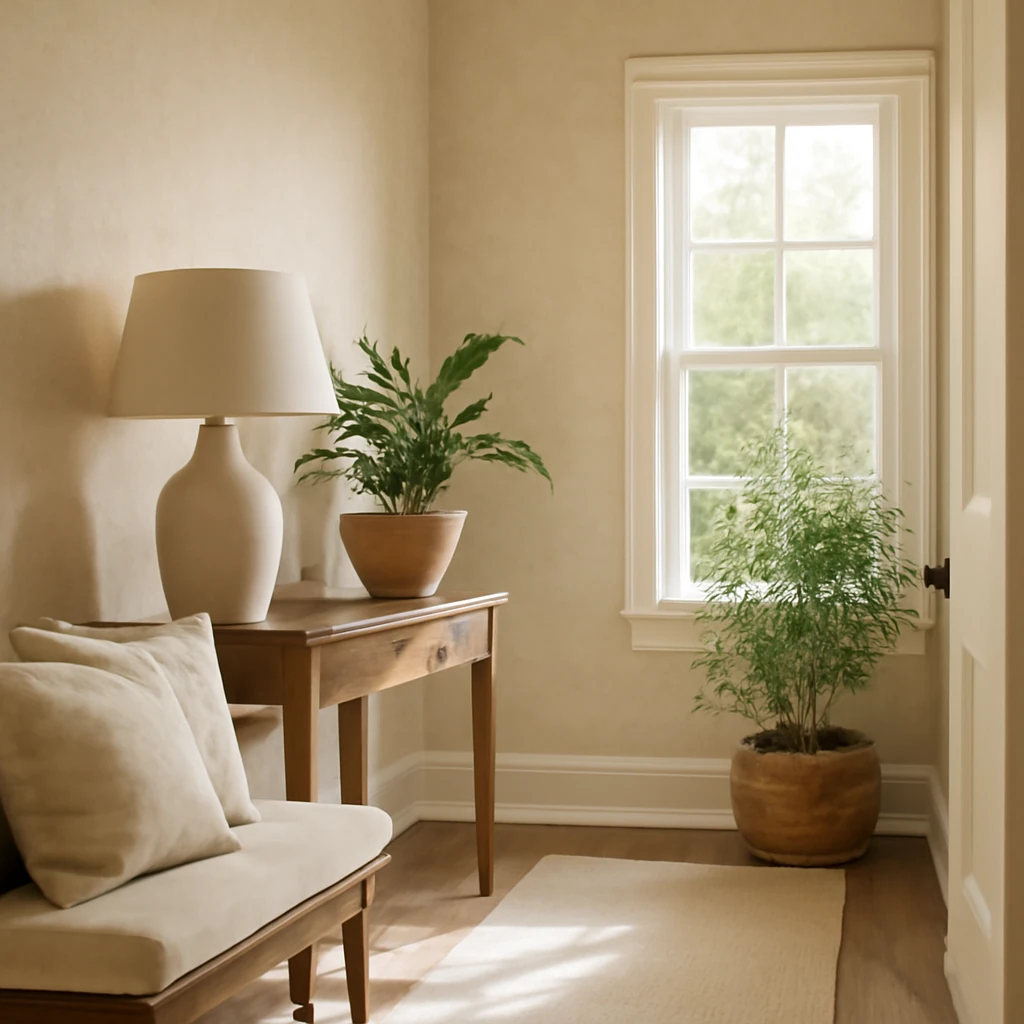
Hallway wallpapers for 2025: trends, materials and practical guidance
The hallway is the first space guests encounter and the face of a home. In 2025 European interiors continue to demand durability, ease of maintenance and refined style. The right wallpaper can transform a narrow corridor into a welcoming transition, balancing practicality with personal expression. This guide explores the wallpaper options best suited to hallways, the trends shaping design choices, and how to install and care for them across a range of European contexts.
Choosing hallway wallpapers for 2025
Key considerations include washability, durability, and the ability to conceal minor wall imperfections. Hallways are high-traffic zones, exposed to dirt, rain spray from doors and daily wear. Therefore, finishes with good scrubbability and moisture resistance are preferred. At the same time, you want a look that remains timeless, easy to refresh, and compatible with the architectural language of your home.
- Non-woven wallpapers are produced from a blend of fibres and pulp. They are robust, hide small wall irregularities, and require adhesive on the wall rather than on the panel. This makes installation quicker and cleaner, and they perform well in corridors that see regular use. They also handle humidity better than plain paper.
- Vinyl wallpapers feature a base of paper or non-woven with an upper vinyl layer. They are exceptionally durable, washable and long-lasting. They resist moisture and marks, but note that vinyl coatings are less breathable. In well-ventilated European homes, vinyl walls stay fresh and easy to clean.
- Glass fibre wallpapers are made from woven glass strands and are extremely tough, water and fire resistant, and durable against frequent cleaning. They must be painted and refreshed with new colour periodically, offering a high level of resilience for busy hallways.
- Liquid wallpaper is a seamless plaster-like coating applied with a trowel. It offers sound and thermal insulation, a smooth finish, and easy local repairs - apply fresh mix to the affected area. It is less forgiving in damp environments and requires careful ventilation during installation.
Plain paper wallpapers have charm but in busy hallways you should prioritise durability. They are affordable and eco-friendly with vast design options, yet they are not washable. In practice, you might choose paper where traffic is lighter or in transitional zones rather than main corridors.
Hallway wallpaper trends for 2025
As with other rooms, hallway wallpapers in 2025 reflect a balance between comfort, texture and subtle drama. The following trends are set to endure across European homes.
Natural warm tones
Natural tones such as beige, cream, terracotta, olive, honey and walnut brown remain deeply appealing. These hues convey warmth and welcome, acting as a versatile backdrop that supports furniture, flooring and textures. Depending on saturation, a tone can serve as the field colour on a plain wallpaper or appear in the motif itself. Pair this palette with wood or stone textures to amplify the organic feel and create a cohesive, timeless entrance.
Natural textures
Many manufacturers are focusing on textures that imitate natural materials - soft stone, wood grains, tactile fabrics. High-quality imitations can deliver a refined look at a more accessible price point. Texture adds depth to a hallway without visually overpowering the space, especially when the ceiling is kept light and the flooring is clear and simple.
Golden accents
Delicate metallic lines or restrained gold patterns provide a refined touch without tipping into theatrics. A hint of shimmer catches daylight and artificial light, elevating the corridor. To avoid overstatement, balance metallics with neutral or warm tones and with natural materials or credible imitations. Avoid overwhelming the space with too many textures or saturated colours.
Narrative or story wallpapers
Photographic murals and painterly scenes are popular for anchoring a hallway. Architectural sketches, landscapes, abstract compositions or botanical motifs can create a focal moment or imply perspective. In a narrow corridor, a well-chosen mural on a single wall can visually extend the space, especially when paired with restrained furniture and good lighting.
Bold solid colours
A modern approach is to use bold solid colours in the foyer area rather than always pale tones. In smaller spaces, a single attention wall can create a jewellery-like entrance. Choose deep hues such as wine, emerald, ultramarine, terracotta or ochre. Balance the intensity with neutral floors, white ceilings and warm, layered lighting to prevent a cavernous feel.
Scandinavian aesthetic
The Nordic look remains practical and fresh: light, restrained tones, clean lines, natural textures and generous daylight. In hallways, wallpapers that are plain or feature understated patterns - such as soft abstracts or botanical silhouettes - read as calm and spacious. This approach pairs well with light timber panelling and pale flooring to cultivate a serene arrival zone.
Dark backgrounds
For a dramatic effect, consider wallpapers with a dark base and a light motif, or a fully dark field with a pale pattern. A rich backdrop can be striking in longer, well-lit corridors where light is balanced by lighter flooring and mirrors. Dark walls require thoughtful design: introduce light furnishings, reflective surfaces and adequate illumination to avoid a closed or gloomy feel.
Patterned vs plain: how to decide for a hallway
The central decision is whether to employ a patterned or plain finish. In very small corridors (about 2–4 square metres), plain walls are the safer choice to prevent visual overload. If the hallway is longer or has architectural quirks, a restrained pattern on a single wall can add character without making the space feel busy. Extremely bold or dense patterns on all walls risk fatigue. For pattern lovers, opt for a small, non-contrasting motif that reads at distance and keeps the rhythm calm.
In larger or multi-zone hallways, a patterned wall can anchor the transition into the next area, while other surfaces remain plain to maintain balance. When selecting patterns, consider the following enduring categories:
- Plant motifs bring nature indoors and pair nicely with wooden floors or stone tiles.
- Abstract motifs offer contemporary energy through simplified forms, geometric hints or painterly brush strokes. Keep abstracts legible at distance, complex or highly detailed patterns can overwhelm a narrow corridor.
- Geometric patterns are timeless and versatile. Stripes, tessellations and simple grids can visually adjust the room’s proportions. Vertical stripes enhance height, while horizontal lines widen a space. Use these to correct awkward geometry or to visually extend a ceiling line in a compact hallway.
Practical guidance: installation, care and maintenance
Material choice is only part of the journey. Proper preparation and ongoing care are essential to keep a hallway wallpaper looking fresh for years.
Preparation and installation
Begin with a thorough wall prep: remove grease, dust and flaking paint, repair cracks, sand uneven sections, and apply a suitable primer. Select the appropriate adhesive for the wallpaper type and follow the manufacturer’s instructions closely. In environments with fluctuating temperatures or humidity, ensure adequate ventilation during installation and avoid applying complex patterns in poorly ventilated spaces for the first 24–48 hours.
Non-woven and vinyl wallpapers are generally friendly for DIY installs, but for large patterns or heavy textures, professional installation ensures proper alignment and long-term durability. If walls are particularly textured, consider paste-free options or pre-pasted backing for a cleaner result.
Care and maintenance
Regular cleaning keeps hallways looking fresh. Non-woven and vinyl wallpapers are typically washable with a mild detergent and a soft cloth. Avoid abrasive cleaners and aggressive scrubbing on delicate surfaces. Glass fibre wallpapers can be repainted for colour refresh or to refresh the look as trends evolve. Liquid wallpapers follow the product guidelines, with attention to moisture exposure, particularly near entrances where damp air or rain ingress can occur. Always consult the manufacturer’s directions for cleaning and water exposure, and in humid entryways consider a more resistant finish to preserve colour and texture over time.
In high-traffic corridors, prioritise washable finishes and plan for maintenance access, such as pre-fabricated panels or easily replaceable sections where possible. Consider protecting vulnerable corners with edge trims or a coordinating paint finish for added durability.
Pairing wallpapers with lights, flooring and furniture
Lighting profoundly influences how wallpaper reads. A lighter wall reflects daylight, making a space feel more generous, a darker wallpaper can create a cocooning effect that requires careful balancing with lighting. European homes vary in daylight, so plan lighting to complement the wallpaper choice. A well-placed wall lamp, ceiling fittings or a mirror can amplify light, visually expand the corridor and reveal the wallpaper’s texture. Pair wallpaper with flooring in complementary tones - timber such as oak or ash, or stone-effect tiles - to create a cohesive arrival experience. For furniture, opt for compact, functional pieces with soft edges to preserve scale in narrow passages.
Making a confident choice: quick checklist
- Assess the corridor’s size and traffic level to decide between plain or patterned surfaces.
- Select a material based on washability and moisture tolerance for the specific location within the hall.
- Consider a single feature wall to create depth without overwhelming the space.
- Test samples in natural and artificial light to see how colour and texture read at different times of day.
- Ensure the wallpaper coordinates with flooring, doors and hardware, as well as any built-in storage or seating.
Wallpapers for hallways offer a straightforward route to inject personality into an often overlooked zone. With thoughtful material selection, colour strategy and a careful installation plan, you can create a welcoming, durable and stylish transition that aligns with contemporary European design sensibilities.
You may also like these articles
 Tips & How-To
How to Hang a Mirror: 7 Universal Methods for Every Surface
Expert techniques for mounting mirrors safely on walls, doors and wardrobes.
Interior Design
Designing a European Country Home: Spaces, Styles and Practical Planning
Timeless ideas for cosy, practical European country homes.
Kitchen Design
Small Kitchen, Big Style: Designing a 12 m² Kitchen Across Europe
Smart layouts and finishes for a 12 m² kitchen you can live in.