
Explore interior trends, AI design insights, styling guides and real transformations
Faux Fireplaces in European Homes: A Designer’s Guide to Warmth and Style
Introduction
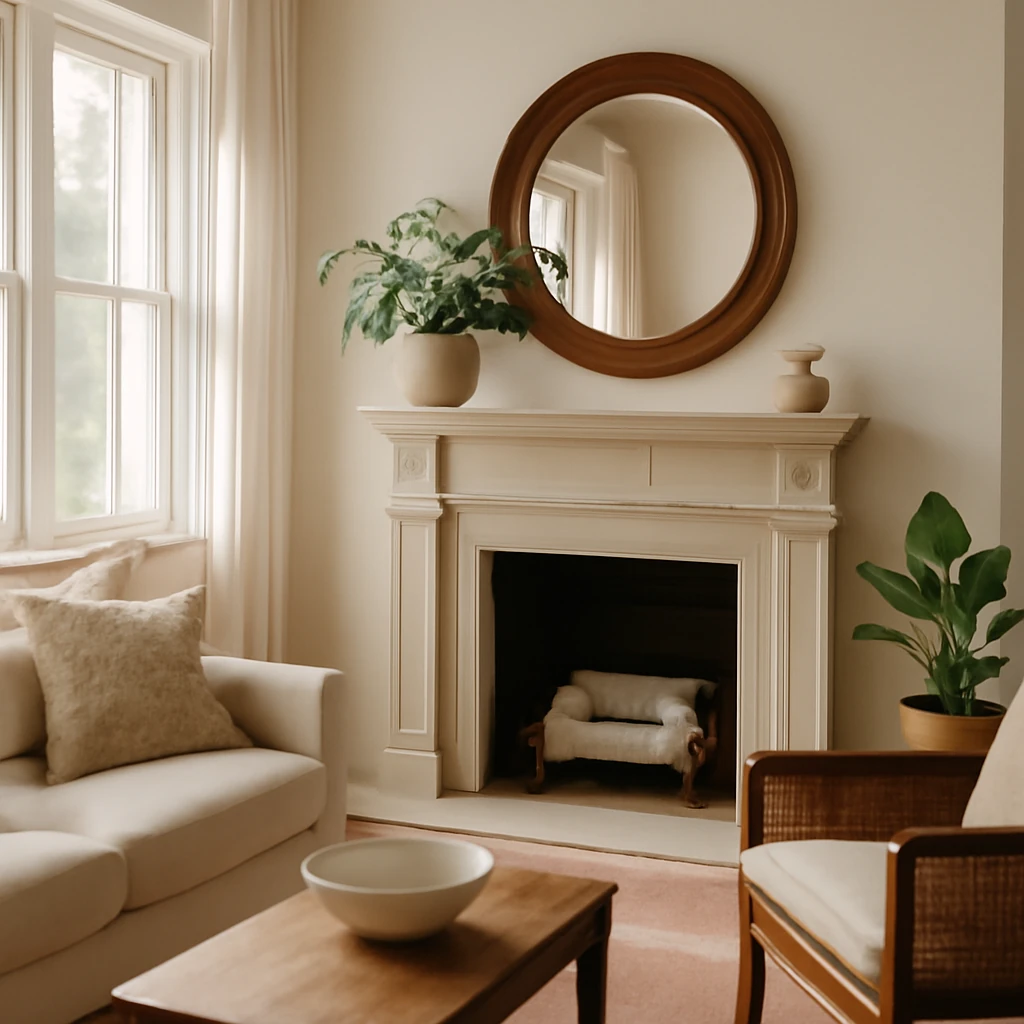
The dream of intimate evenings by a crackling fire can be realised in even the most compact European apartment. A genuine chimney or stove may be impractical or impossible to install, but a well-considered faux fireplace offers the warmth, ambience and architectural presence of a hearth without the complexities of construction, flues or permits. This guide explores how to design, build and integrate decorative and functional faux fireplaces in contemporary city homes across Europe, from compact living rooms to loft-like spaces and sophisticated kitchens.
What is a faux fireplace?
A faux fireplace is an artificial surround that mimics the silhouette and mood of a traditional hearth. It can range from purely decorative to semi‑functional, or even fully powered by electricity or bio-ethanol. The key is to balance aesthetics with safety, scale and the overall interior concept.
- Decorative - used purely to enhance the interior. These can be assembled from readily available materials (cardboard, foam board, lightweight composites) and finished to resemble a classic or contemporary hearth.
- Semi-functional - designed to host storage or conceal a hidden cabinet (for a bar, drinks cabinet, or safe). Constructed from sturdy materials such as plasterboard, high-density fibre (HDF) or wood composites, these installations combine form and practicality.
- Functional - built from stone, brick or engineered stone and powered by electric or bio-ethanol inserts. They provide ambient heat and a convincing flame illusion without relying on real burning fuel.
Forms and sizes
Faux fireplaces come in a variety of shapes to suit different floor plans and aesthetic moods. Consider how the fireplace relates to surrounding architecture and furniture.
- Miniature - compact inserts that act as a decorative focal point within a larger composition, such as a console area or a corner vignette.
- Corner - designed to sit against two walls, creating a stable visual anchor in L-shaped rooms or secondary spaces.
- Straight/linear - a longer, wall-adjacent form that echoes real fireplace proportions and can span a third of a wall, making a strong statement without overwhelming the room.
Fireplace portals: permanent, portable or temporary
Portals - the surrounding structures that define the hearth - can be designed for different life cycles and spaces. They may be:
- Disposable - temporary installations that can be dismantled after a season or a shoot, ideal for rental flats or seasonal decor.
- Portable - modular systems that can be reassembled in a new location with relative ease, without permanent fixings to walls or floors.
- Stationary - firmly fixed to the wall or floor, forming an integral part of the room’s architecture and often aligned with a media unit, shelving system or seating zone.
How to make a faux fireplace yourself
Before you start, envision the finished result and draft a detailed plan. A full-size model drawn on paper or a temporary mock-up using inexpensive materials helps you test scale, flow and proportions before committing to more substantial components. If you want realism, begin with a gypsum board or light frame and layer with finishing materials that suit your interior.
Cardboard fireplace - a creative project for collaboration
For a fast, economical test build, use sturdy cardboard boxes (such as packing or appliance cartons). Cut shapes to form the outline of the surround, then assemble with strong tape or glue. To evoke brickwork, you can tile the surface with faux bricks made from printed paper, lightweight panels or adhesive brick wallpaper. Seal edges with filler, sand smooth and apply a finishing coat of paint or decorative plaster. This approach is excellent for experimentation and for seasonal displays, and it helps you visualise the final footprint before committing to heavier materials.
Polystyrene (EPS/Styrofoam) fireplace - light and flexible
Expanded polystyrene offers great rigidity and allows you to create intricate shapes with a light touch. Carve the silhouette, then finish with acrylic paints or affix decorative brick cladding. Complementary details such as mouldings can be added with lightweight foam or plaster-ready decorative elements. For a more robust solution, consider a warmer, denser foam board (often marketed as extruded polystyrene) that accepts sharper cuts and easier detailing.
Wood-based fireplace - for warmth and storage
A timber surround made from MDF or laminated particleboard creates a substantial structure that can incorporate shelving, cupboards or hidden lighting. Panels finished in veneer, laminate or paint can coordinate with existing cabinetry. A wood surround lends tactility and warmth, offering opportunities to display photographs, keepsakes or small potted plants on the upper mantle or integrated shelves.
Shelf-based fireplace - a simple yet expressive solution
A practical and stylish option uses a pair of sturdy wall shelves as the vertical supports with a top shelf forming the mantle. To increase stability, add a second shelf as a base or use a separate underpinning element. This approach blends seamlessly with contemporary shelving systems and creates a flexible platform for decorative objects, books and lighting, while still delivering the recognisable fireplace silhouette.
Brick or brick-veneer fireplace - maximum realism
If space and budget permit, a faux brick or brick-veneer surround can be laid over a frame to achieve a highly realistic effect. The result is a compelling focal point that resembles a traditional hearth. Plan carefully for airflow, reuse of the surrounding wall, and the weight of the materials. In compact homes, consider a shallow brick installation that does not intrude significantly into the room’s footprint.
Gypsum board (drywall) fireplace - light and ready for finishing
Gypsum board is a versatile, easy-to-work-with material that lends itself to quick creation of a clean, contemporary hearth. If you intend to house an electric fire or a display of candles, choose fire-rated gypsum board and finish with paint, plaster or decorative panels. The key advantages are speed, lightness and customisability.
Step-by-step guide
If you aim for a realistic look without a real hearth, gypsum-board constructions are particularly forgiving. They are durable, safe and straightforward to update or repair.
Step 1. Concept and design
Decide on the fire type (decorative, ambient light only, or heat-capable) and the location (wall or corner). Consider traffic flow, door openings, radiators and furniture layout. Avoid placing the hearth directly in front of doors or in a way that obstructs movement. If the fireplace includes an electrical element, ensure it has access to a suitable outlet away from heat-sensitive furnishings.
Step 2. Building the base
- Construct the frame using metal studs or solid timber battens, depending on size and load. Create a back panel and a front boundary that will define the display area.
- Attach vertical and horizontal members to form the core structure. Ensure the base is level and anchored to the wall or floor as required by the design.
- For fixed installations, reinforce connections with brackets or cross-members to increase rigidity and reduce movement over time.
- Integrate any required storage or shelving into the surrounding frame if the design calls for it.
Step 3. Finishing the faux fireplace
- Apply gypsum board panels to the frame and seal joints with fibre tape and joint compound. Sand smooth once dry.
- Prime and paint the surface to match or contrast with the room. If you prefer a brick look, apply a brick-veneer finish or use self-adhesive brick tiles for a quick transformation.
- Optionally, add a mantle shelf or decorative ledge. Attach mouldings or a timber mantle to complete the traditional look, or keep it minimalist with a clean, flat surround for a contemporary aesthetic.
- Finish the surrounding area with skirting, panels or wallpaper that ties the hearth to the rest of the room.
Step 4. Creating the fire effect
To achieve a convincing flame without real fire, use an integrated bio-ethanol or electric fire insert, or a carefully staged lighting plan. Consider the following options:
- Electric flame effect - choose a freestanding or recessed electric fire with realistic LED flicker and heat output. Modern units can deliver both ambience and gentle warmth without chimney requirements.
- Bio-ethanol insert - a compact, ventless fuel option that provides real flame aesthetics and warm radiance. Always follow manufacturer safety guidelines and ensure room ventilation.
- Reflective accents - place mirrored or highly polished metal fragments behind the flame area to bounce light across the room and intensify the glow.
- Lighting strategy - combine warm-white task lighting with indirect ambient light to create depth and movement of light on the surround. Dimmer controls let you tailor mood for different occasions.
How to fit a faux fireplace into your interior
Place between storage units
In contemporary European interiors, a narrow, rectangular faux fireplace can align beautifully with bookcases or media wall systems. Positioning the surround flush with adjacent cabinetry creates a cohesive, streamlined composition. When space is tight, a slim, linear form offers architectural presence without crowding the room.
Add a mirror
Mirrors are powerful allies for a faux hearth. A strategically placed mirror or a mirrored pane within the surround can double the perceived space, bounce warm light around the room and infuse the hearth with an extra sense of depth. Consider vintage mirrors with subtle bevels for a touch of character, or minimal, frameless options for a modern look.
Create a cosy nook
For a tactile, inviting ambience, surround the faux hearth with natural materials such as wool throws, a textured rug and plush seating. Soft textiles in neutral palettes or gentle colour accents will amplify warmth and cosiness. A small stack of well-chosen books, a ceramic vase, and a couple of favourite objects can transform the space into a welcoming retreat.
Seating and layout around the hearth
Position seating to face the hearth but avoid blocking access to the room. A compact sofa or a pair of comfortable lounge chairs arranged in a semi-circle around the fireplace creates an intimate conversation zone. Use ottomans or low tables to complete the arrangement, ensuring there is a clear path for movement and heat-free zones for textiles and electronics.
Practical considerations for European apartments
- Scale and proportion - in smaller rooms, a slim, linear surround is often the most successful. Ensure the fireplace does not dominate the wall but rather complements the room's architecture and furniture.
- Materials and finishes - choose finishes that harmonise with existing cabinetry and flooring. A neutral surround with a subtle texture tends to age gracefully, while a bold colour can become a design focal point if balanced with quieter surrounding surfaces.
- Heat management - if your installation includes a heat source, ensure adequate clearance from combustible materials and provide appropriate ventilation. In tight spaces, select low-output electric or bio-ethanol options designed for indoor use.
- Flexible planning - modular, demountable systems are particularly suitable for rental apartments or shifting floor plans. A portable fireplace surround can be reconfigured in a future renovation without major disruption.
Finishing touches and styling ideas
Beyond structure, the way you style the hearth determines its character. The following ideas help tailor a faux fireplace to a broad range of interiors.
- Minimal and contemporary - keep the surround narrow with clean lines, a monochrome palette and restrained ornament. Use soft lighting and a small number of carefully chosen objects to maintain a calm, refined ambience.
- Classic with a twist - introduce a traditional mantle, mouldings or carved details, then punctuate with a modern flame effect and subtly contemporary materials (e.g., steel, brushed brass, or mirrored surfaces).
- Japandi or Scandi-inspired - pair a light timber surround with natural textures, woven textiles and a neutral palette. The warmth should be tactile and visible in cushions, throws and a wool rug.
- Accent colour and bold statements - a fireplace surround in a contrasting colour or texture can become a striking feature. Use it to pick up an accent hue found elsewhere in the room for coherence.
Maintenance and safety considerations
Faux fireplaces require regular but straightforward care. Wipe surfaces with a soft cloth, avoid abrasive cleaners on delicate finishes, and inspect any mechanical or electrical components per the manufacturer's guidance. If a bio-ethanol or electric insert is used, follow the safety instructions regarding ventilation, fire risk, and maintenance. Keep flammable objects away from the flame area, and ensure that any decorative materials meet fire-safety standards before installation.
Inspiration and considerations for real-world projects
In European city homes, the faux fireplace can anchor a living zone, define a dining area or create a contemplative corner in a bedroom. It offers a versatile way to add architectural depth without the wall realignment or chimney work a traditional fireplace would demand. When planning, consider the room’s natural light, furniture scale and the surrounding architecture - whether modernist, mid-century, or classic European - so the hearth feels earned, not imposed.
Final thoughts
- Faux fireplaces provide a cosy atmosphere without the complications of a real hearth. They can be temporary for seasonal display or a long-term feature that becomes a room’s focal point.
- Decorative options range from cardboard and foam to brick-veneered surrounds, the most convincing solutions often combine a sturdy frame (wood or plasterboard) with a carefully chosen finish.
- Finishing details, such as mirrors, lighting, and complementary textiles, are essential to making the faux hearth feel integrated and inviting.
- With thoughtful placement and proportion, a faux fireplace enhances a space, supporting both function and atmosphere in European apartments of all sizes.
In summary, a well-planned faux fireplace can transform a compact European home into a warm, stylish and practical sanctuary. With the right materials, scale, and finishing touches, it becomes more than a decorative prop - it becomes a flexible architectural feature that reinforces the room’s character and comfort.
You may also like these articles
 Colour & Materials
Decorative plaster: textures and finishes for European interiors
A definitive guide to decorative plaster finishes, textures and care for European homes.
Small Spaces
Loft Conversions for European Homes: Design Ideas, Planning and Practical Tips
Unlock attic potential with smart, light-filled design for European homes.
Interior Design
Industrial style interiors in Europe: brick, steel and warmth for every home
Practical guide to industrial style for European homes, from materials to lighting.