
Explore interior trends, AI design insights, styling guides and real transformations
Scandinavian Calm: Minimal Warmth for European Homes
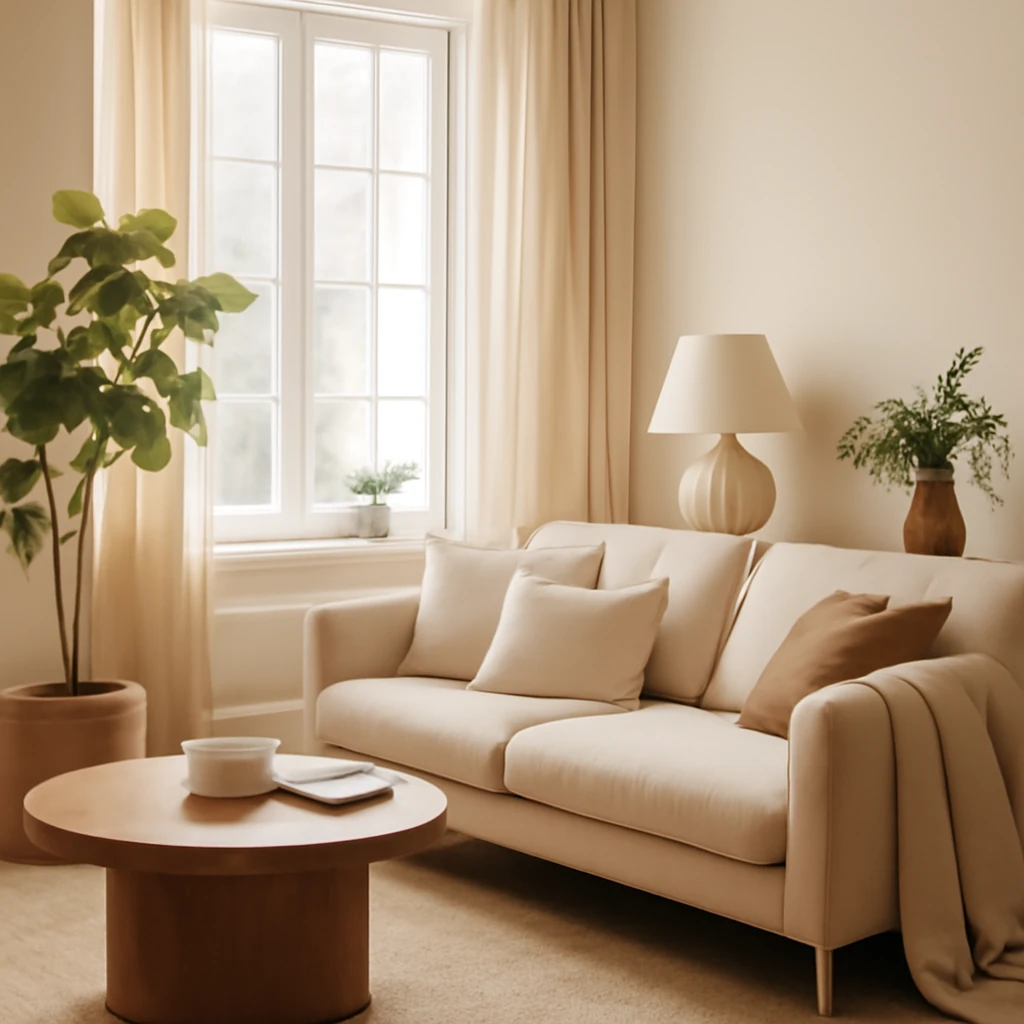
Scandinavian calm for European homes
The appeal of Scandinavian design extends beyond borders. For European country houses, cottages and even contemporary city homes, this pared‑back, discreetly luxurious approach to interiors offers a reliable route to comfort. It is a style that thrives in spaces of any size, transforming them into calm refuges where simplicity is not a constraint but a source of warmth. In a climate where daylight can be scarce for part of the year, the strategy is to maximise light, celebrate honest materials and create spaces that feel unforced, lived-in and welcoming - an ethos that resonates with the popular concept of hygge and its northern counterparts, without sacrificing modern practicality.
What follows is a practical guide to achieving this look in European homes, from rural retreats to compact urban dwellings. We will explore the defining traits, the most suitable finishes, furniture choices for each room, and the lighting and decorative details that bring the aesthetic to life while remaining resolutely useful and easy to maintain.
Characteristic traits of Scandinavian interiors
- Minimalism with purpose: Clean lines, restrained ornamentation and a clear hierarchy of objects. Each piece earns its place and serves a function, whether it is a seat, a surface or a storage solution.
- Light palette as a canvas: A dominant presence of white and pale greys, softened with warm timber tones. The result is spaces that feel larger, brighter and more serene, even when the weather outside is damp and dull.
- Natural materials at the core: Wood remains central - flooring, joinery, and structural details often left in natural or lightly treated finishes. Stone, wool, linen and leather provide texture without visual noise.
- Thoughtful colour accents: Subtle blues, greens and earthy tones appear in textiles, artwork or small decor items. Neon or overly saturated hues are avoided in favour of depth and nuance.
Homes in Scandinavian style across Europe
In Europe, Scandinavian-inspired homes appear in many guises. Traditional rural cottages may feature timber framework, plaster walls and large stone or brick fireplaces, while urban new-builds often showcase concrete or brick façades with warm timber interiors. The common thread is a respectful approach to the building’s fabric: durable materials, well‑proportioned spaces and a design that remains comfortable for everyday living. Large windows and light‑reflective surfaces compensate for shorter winter days, while efficient insulation and energy‑smart glazing support sustainable living across diverse climates.
One-room or multi‑storey layouts, you’ll find a familiar logic: functional zones that flow naturally, with living areas anchoring the social heart of the home and private spaces placed where acoustics and light permit. In many European contexts, single‑storey arrangements or compact, accessible patterns are popular for their ease of navigation and safety, particularly in households with children or ageing residents. Whether renovating an older dwelling or building anew, the Scandinavian approach encourages a cohesive, adaptable plan that grows with you.
Colour palette and atmosphere
The signature is a bright, neutral stage that enhances warmth and texture. Walls are commonly painted in soft whites, pale greys or bleached neutrals, creating a natural backdrop for tactile materials. Timber floors - whether wide planks, engineered wood or traditional boards - establish a warm encounter with the eyes and the feet. The aim is a hue palette that remains natural and unfussy even when you introduce accent colours through textiles or small decor items.
Accent colours are carefully chosen to echo nature. Think slate blue, forest green, charcoal or seafoam, used in moderation to avoid visual heaviness. Pattern rarely dominates, when present, it is subtle - gentle weaves, fine stripes or understated geometrics that complement rather than compete with the room. This restraint is what makes the style feel timeless, rather than fleetingly fashionable.
Seasonality is acknowledged through textiles. A soft wool throw in winter, a linen drape in summer, or a sheepskin by the chair can transform the atmosphere without shouting for attention. The palette and textures work together to create a sense of cosiness that is both practical and emotionally comforting.
Finishes and wall treatments
The quality of finishes often reflects the building’s age and construction method. Here are practical options suitable for European contexts:
- Exposed brick walls: In older or renovated homes, brick walls can be left intentionally exposed, lightly cleaned and painted in white or soft grey to preserve their texture. Alternatively, they can be rendered and plastered for a more uniform surface, maintaining a warmth that brick provides.
- Painted brick or plaster: If brick is concealed, choose a soft white or grey and balance with timber finishes and natural textiles to keep the space lively.
- Concrete block or industrial finishes: A polished or lime-washed approach can soften the look, with wood or fabric acting as a counterpoint to the coolness of concrete.
- Timber-clad or timber-framed walls: Timber adds warmth and character. If the overall house design uses timber exterior walls or interiors, protect the timber with clear varnish or a matte lacquer to highlight grain and longevity.
Floor finishes follow the same logic: timber boards are ideal in living and sleeping zones for warmth and acoustics, engineered wood and parquet offer durability with a high-end feel. In bathrooms and kitchens, durable porcelain or ceramic tiles with a natural texture provide practicality and ease of maintenance, while a herringbone or diagonal pattern can add subtle interest without overpowering the simplicity of the space.
Furniture for every room
The furniture philosophy in Scandinavian design emphasises function, scale and comfort. Pieces are chosen for their clean lines, honest materials and longevity. Here is a room-by-room guide to selecting the right pieces for a European home.
- Kitchens: Cabinets in white or soft grey with minimalist, handle-free fronts - often with a natural timber worktop. Appliances are typically black or stainless steel, integrated for a seamless look. A solid timber island or dining table provides a tactile counterpoint to the cabinetry and introduces texture and warmth. For smaller kitchens, a compact island or a compact dining table with slender legs creates a feeling of lightness without compromising functionality.
- Living rooms: A comfortable, well-proportioned sofa in a neutral fabric anchors the space. Pair it with a simple armchair or a rocking chair in timber or woven rattan. A low, rounded coffee table in wood or stone, and an open‑shelving unit or sideboard in light tones, help keep the room uncluttered while offering practical storage.
- Bedrooms: Beds with timber or metal frames, avoiding heavy upholstered headboards, help maintain a breathable, airy feel. Bedside tables should be compact and functional, perhaps with built-in storage or a hidden cable channel for lamps. Linen or cotton bedding in natural tones enhances the calm atmosphere.
- Entrances and hallways: A practical and welcoming zone with a timber or wicker bench, hooks or a wall-mounted rail for outerwear, and a small cabinet or a woven basket for footwear and accessories. For compact spaces, consider built-in wardrobes with sliding doors to maximise floor area.
In European homes, furniture is often chosen for its proportion relative to the room. The aim is to avoid overcrowding, ensuring each item has breathing space. A good rule of thumb is to leave at least 60–90 cm of clearance around large pieces to maintain a clear circulation path, particularly in living areas and kitchens where family life and entertaining occur.
Lighting: layers for mood and practicality
Lighting is essential in Northern and Central European homes where natural daylight fluctuates with the seasons. The Scandinavian approach uses layered lighting to create realism and ambience beyond the task of simply illuminating a room.
- Ambient lighting: A combination of ceiling sources and wall lights that spread an even glow across the room helps avoid harsh shadows.
- Task lighting: Focused light for cooking, reading, or working at a desk. This usually comes from table lamps, wall-mounted sconces or adjustable floor lamps.
- Accent and mood lighting: A discreet floor lamp by a reading chair, a pair of wall sconces on either side of a bed, or warmLED strips under shelves can enhance the room’s texture and depth.
- Natural daylight: Large, well‑insulated glazing and light-coloured interiors enhance daylight reflection. In winter, complementary lighting becomes the hero of the design, making spaces feel bright and inviting.
To keep energy use sensible, opt for dimmable fittings and warm colour temperatures (2700–3000K) for living and sleeping zones. A few well‑placed fixtures can deliver the flexibility of multiple moods without cluttering the ceiling with unnecessary hardware.
Decor and textiles: the final, thoughtful touches
Decor in Scandinavian interiors remains deliberately restrained. The objective is to build warmth and personality through textiles, texture and greenery rather than through ornament. Here are practical ideas to finish the look without clutter:
- Warm textiles: Think wool throws, knitted blankets, wool or shearling rugs, and soft cushions in natural fibres. They provide insulation and tactile comfort, especially on cold European floors.
- Simple decorative items: If a vase or artwork is used, it should have a clear form and restrained colour. A single statement piece, aligned with the room’s palette, often works best.
- Natural greenery: Plants bring life and improve air quality. Choose varieties with architectural silhouettes - monstera, yucca, olive - and group them in pairs or small clusters for visual calm.
- Smart storage: The Scandinavian interior prefers hidden storage and organised surfaces. Baskets, woven boxes and shallow cabinets in natural materials help keep surfaces clear and the space relaxed.
Importantly, decluttering is part of the aesthetic. A streamlined environment supports mental clarity and makes the home feel more expansive. In European homes with busy schedules and multiple functions, smart storage solutions that hide everyday items are enormously valuable. The goal is to create spaces that feel accessible, warm and effortlessly stylish without requiring constant upkeep.
Practical steps to implement the look in a European project
Whether you are renovating an older dwelling or planning a new build, the following practical steps help translate the Scandinavian ethos into a European setting:
- Define your core palette first: Start with a neutral base - white or stone grey walls and warm timber floors. Add depth with textiles and a restrained selection of accent colours drawn from nature.
- Map the natural light: Assess window orientation and daylight hours. Use mirrors and light-coloured finishes to bounce light, and select window treatments that maximise brightness while offering warmth and privacy.
- Choose materials with longevity: Invest in solid timber floors, high-quality fabrics, and durable surfaces. European homes benefit from materials that age gracefully and gain character over time.
- Plan for flexibility: Interiors should adapt to changing needs - moveable screens, modular seating, and furniture with hidden storage help spaces evolve without disruption.
- Prioritise acoustics: Timber, fabric and soft furnishings dampen noise and contribute to the calm atmosphere. Consider rugs and ceiling treatments in open-plan areas to balance sound levels.
- Integrate energy efficiency: In colder climates, combine passive design with efficient glazing, improved insulation and controlled ventilation. A well-insulated shell preserves the warmth that the interiors are designed to be perceived with.
- Reflect regional character: Adapt the style to the locality by celebrating local timber species, stone, or brick textures and the surrounding landscape. European homes gain depth when regional materials and craftsmanship are visible.
With these steps, the Scandinavian aesthetic becomes a practical, repeatable language for design across Europe - one that respects climate, culture and the urban rhythm of each country while delivering the universal benefits of light, order and comfort.
Care and maintenance considerations
To preserve the beauty of natural materials, adopt simple, regular care routines. Wooden floors benefit from a gentle cleaning regime and occasional re-sealing or buffing with products suitable for the specific finish. White or light walls can reveal marks more readily, use high-quality paint and consider washable wall coverings where appropriate. Textiles should be chosen for durability and easy cleaning, with removable covers where possible. Finally, check humidity levels in rooms with timber and textiles to prevent warping, mould and degradation of sensitive surfaces. In climates with seasonal humidity variations, proper ventilation and dehumidification are essential allies to keep spaces healthy and comfortable.
Conclusion: a timeless European interpretation
Scandinavian design offers more than a surface aesthetic - it provides a philosophy of living well with less. For European homes, this translates into interiors that are bright, tactile and calm, with functional layouts, durable materials and a gentle use of colour. By prioritising natural textures, clean lines and a thoughtful lighting plan, you can create interiors that feel both contemporary and warmly inviting. The goal is not simply to imitate a trend, but to cultivate a home environment that supports daily life, from cosy winter evenings by the fire to bright summer mornings at the dining table. In this sense, Scandinavian calm is a practical, accessible blueprint for modern European living.
You may also like these articles
 Colour & Materials
Pink in the interior: how to apply it across rooms in Europe
Pink as a versatile ally for every European room.
Bedroom
Bedroom trends for 2026: calm, colour and clever layouts across Europe
Timeless, restful European bedrooms: trends, palettes and smart layouts.
Small Spaces
Designing a Narrow Balcony: 7 Practical Ideas for European Homes
Turn tight balconies into multifunctional living spaces across Europe.