
Explore interior trends, AI design insights, styling guides and real transformations
Grounding at Home: A practical guide to calm, focus and better sleep
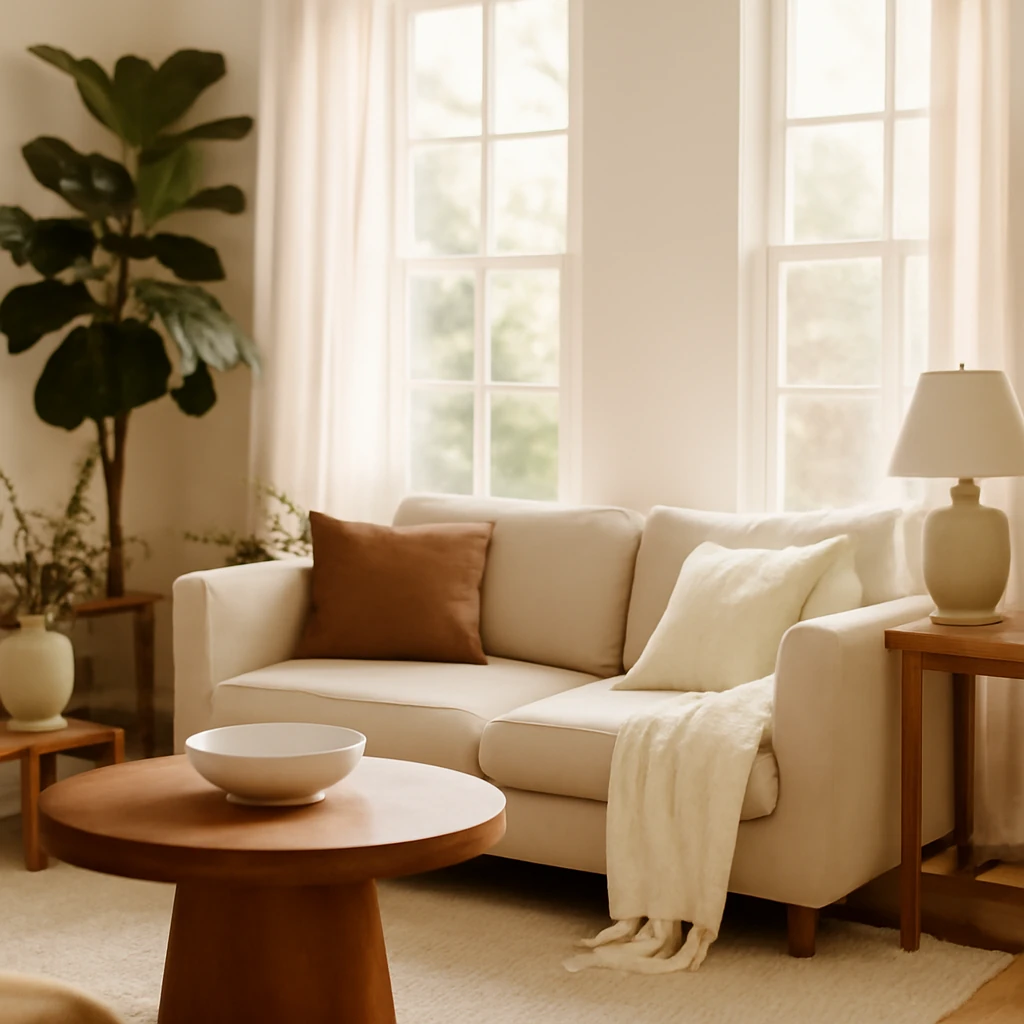
Grounding at home: an approachable wellbeing practice for European interiors
Across Europe, many households are exploring accessible routines that support mental clarity and physical calm. Grounding, also known as earthing in some circles, is a straightforward practice that brings consciousness to the body by establishing direct contact with a surface. In modern flats and houses - whether a parquet-floored city apartment, a timber-framed countryside home, or a contemporary build with smooth stone floors - the principle remains the same: you connect physically with the ground, or with a surface that conducts energy, to ease tension and nurture a calmer mind. This article explains what grounding is, how it works, and how to integrate it into your interior design without resorting to specialist equipment.
What is grounding?
Grounding is the act of making direct contact with a surface that can carry subtle energy between body and environment. In everyday language, it means touching the ground or a surface while relaxed, letting awareness shift from internal chatter to the sensory cues of the body in contact with the surface. In urban homes, this usually translates to lying on the floor or resting on a rug, rather than seeking earth beneath you. Advocates report a sense of balance, reduced rumination, improved sleep and a calmer mood after grounding sessions. Critics note that robust scientific evidence is limited, nevertheless, many people value the practice as a simple, low-risk element of a mindful routine.
How grounding works
The central idea is straightforward: when the body is allowed to relax, the mind often follows, becoming steadier and more secure. Grounding can be particularly helpful after periods of stress, anxiety or sleep disruption, when imprints of tension accumulate in the muscles and fascia. The process invites a patient, gentle awareness of where you carry tightness - feet, calves, hips, shoulders, jaw - and encourages releasing those points one by one. Lying flat on a uniform surface reduces physical distractions, making it easier to notice sensation and to practice breathing and mindfulness techniques. Over time, this body-first approach can help interrupt a cycle of rumination and encourage a healthier sleep-wake pattern.
Scientific inquiry into grounding’s mechanisms is ongoing, and results vary. Some researchers suggest the practice may influence autonomic balance and perceptual attention, while others emphasise the importance of respiratory pacing and body awareness as the primary drivers of relaxation. In practical terms, grounding offers a simple, portable tool for modern interiors: it requires no special equipment, fits within a range of room layouts, and can be performed in a personal space designed for calm and quiet.
How to lie on the floor correctly
The most reliable beginner technique is deliberately uncomplicated. Here is a practical guide you can follow in a European home with a wooden, laminate, stone or tiled floor, or on a rug placed unobtrusively in the living room or bedroom.
- Prepare your surface – choose a soft, clean area. If you prefer, place a rug or mat beneath you to cushion the contact and to introduce a pleasing texture. For a first session, a low-pile rug or a mid-height carpet can provide a comfortable compromise between softness and structural support.
- Position your body – lie on your back with legs extended and arms resting naturally by your sides. Let the body settle, with palms facing upwards if that feels comforting. The aim is to create an even surface contact from the heels to the crown of the head.
- Initiate a gentle scan – close your eyes or soften your gaze. Start at the toes and slowly move attention up through the legs, hips, abdomen, chest, shoulders, arms and neck. Observe any sensations without judging them. If thoughts intrude, acknowledge them and return attention to bodily sensations.
- Tackle the breath – begin with slow, steady inhales and exhales. A simple pattern could be a 4-4 count (inhale for four, exhale for four). Let the breath guide you into a deeper sense of stillness while the body softens into the floor.
- Duration – begin with 6–10 minutes and gradually extend to 15–20 minutes as you become more familiar with the process. When you finish, roll slowly onto your side before rising to avoid dizziness.
What to expect: it is normal not to feel much at first. A developing sense of awareness and a subtle release of muscular tension typically emerges after several sessions. If you find yourself feeling restless, give yourself permission to wiggle slightly or change position briefly and then resume. The goal is mindful stillness, not a rigid procedure.
Refining the practice: a short grounding routine
To help integrate grounding into daily life, try a light, 2-step routine that fits into a calm evening or a mid-day pause in a busy European home:
- Step 1: settle and align – find a quiet moment, lie on a comfortable surface, and align your body with the floor. Allow the spine to lengthen, and let the limbs fall into natural, relaxed positions.
- Step 2: body scan and breathing – perform a relaxed body scan from toes to head while maintaining even breathing. If you notice tension in a particular area, gently invite release with each exhale.
For those who prefer a more guided experience, consider pairing grounding with a short mindfulness or breathing practice. This can enhance the sense of calm and set a favourable mood for sleep or a restorative break in a home office or living room. In European interiors, this pairing works well in spaces designed for quiet retreat, where lighting is soft, textiles are tactile and temperatures are comfortable.
Grounding on the bed and other options
Some people wonder whether grounding is possible on a bed or with electronics. The simplest and most universal approach is to use a rug or floor surface. However, there are marketed products such as grounding mats and sheets that claim to enhance the effect when used on bedding. It is important to note that there is limited robust scientific proof for the necessity or superiority of such devices. If you choose to experiment with bed-based grounding, prioritise personal comfort and consult a healthcare professional if you have any medical concerns. A low bed geometry and a firmer mattress can encourage a grounded sensation without compromising spinal health for many individuals, but preferences vary and should be discussed with a professional if you have back, shoulder or neck issues.
In a typical European bedroom, a grounding practice on the floor may be more accessible and compatible with most floor finishes and furniture layouts. If you prefer to test a bed-based approach, ensure the bedding allows for easy movement and does not cradle the body too deeply. A configuration that supports safe rolling and limited deep sinking is often more sustainable for longer sessions.
How to adapt grounding to European homes and interiors
European interiors are diverse - ranging from compact city flats with polished concrete floors to light, timber-floor homes in the countryside. Grounding integrates seamlessly with thoughtful interior design that prioritises comfort, texture and warmth. Here are practical ways to incorporate grounding into your home without disrupting style:
- Texture and tactility – layer textiles to invite the body to rest. A natural wool rug with a moderate pile provides warmth and a pleasant surface for floor-based grounding. Consider a rug with a varied pile height to offer subtle changes in texture as you move or shift position.
- Zoning for calm – designate a small wellbeing corner or a quiet zone within a living room or bedroom. A restrained palette, warm lighting and a comfortable rug can signal a space to pause and ground yourself.
- Temperature and comfort – maintain a comfortable floor temperature using underfloor heating or a lightweight insulating underlay beneath rugs. A cooler surface can make grounding sessions feel more refreshing, while warmth supports longer, comfortable practice in cooler seasons.
- Aesthetic alignment – choose colours and materials that feel grounding, earthy tones, soft neutrals, and natural fibres harmonise with most European interior schemes and support a serene mood during grounding sessions.
- Furniture placement – keep a clear, open area for lying down. Avoid clutter and ensure there is space at the edges for safe transitions from lying to sitting and standing.
Practical materials: choosing rugs and surfaces
A rug is more than a decorative element when it supports grounding. It becomes a sensory surface that influences how comfortable you feel during a session. Here are considerations for selecting a rug in a European home:
- Material – natural fibres such as wool or cotton offer warmth, breathability and durability. Blends can provide additional resilience for frequent use.
- Pile height – a low to mid-pile rug (roughly 6–25 mm) balances softness with stability. A short pile may feel firmer against the body, while a longer pile offers indulgent cushioning for longer sessions.
- Size and layout – ensure the rug is large enough to accommodate a full-length lying position with space to the sides. In smaller rooms, place the rug near a wall to define a calm zone.
- Maintenance – choose materials that are easy to clean and resist wear in high-traffic areas. Regular vacuuming and occasional professional cleaning will help preserve comfort and hygiene.
Safety and practical considerations
Grounding is generally a safe practice for most adults. However, consider the following precautions to ensure a comfortable and safe experience:
- Medical conditions – if you have chronic back or neck pain, recent injury, osteoporosis, or are pregnant, consult a healthcare professional before starting a new relaxation routine, especially one that involves long periods of lying on a floor or hard surface.
- Environment – perform grounding in a well-lit, ventilated space. If you feel dizzy or unsteady when you move from lying to sitting, pause and rise slowly with support.
- Footwear and clothing – wear comfortable clothing that does not constrict movement. Bare feet can encourage a stronger sensory connection, but use socks if you prefer.
- Hydration and timing – avoid sessions immediately after a heavy meal. A light, unfussy schedule works best for many people, particularly when integrating grounding with a bedtime routine.
Bottom line: grounding as a flexible interior practice
Grounding stands as a simple, adaptable practice that can be harmonised with European interiors and lifestyle. It does not require elaborate equipment or costly renovations, yet it invites a slower pace, focused sensory awareness and an improved sense of wellbeing. By pairing grounding with thoughtful room design - soft textures, warm lighting, a calm colour palette and clear space - you can transform a corner of your home into a personal sanctuary. Whether you use a rug on a cold floor, a low bed setup, or a dedicated floor space in a living room, grounding can become a modest yet impactful element of daily self-care.
Design-forward ideas: incorporating grounding into small spaces and urban living
In compact European homes, space is precious. Here are ideas to weave grounding into small footprints without compromising style or flow:
- Create a dedicated calm zone – a small, uncluttered area with a rug, a low stool or ottoman for easy transition, and soft lighting becomes a designated grounding spot. This encourages the habit without dominating the room.
- Use multi-purpose textiles – a textured rug can double as a seating surface during the day and as the grounding surface at night. Choose textiles that coordinate with your living room or bedroom palette for a cohesive feel.
- Temperature zoning – ensure the floor is comfortable at room temperature. In colder months, underfloor heating or a warm rug can make the practice more appealing and sustainable.
- Frame the experience with lighting – dimmable lighting or warm lamps create a tranquil atmosphere that supports the transition into grounding. Avoid harsh overhead lighting during sessions.
- Integrate with a wind-down routine – pair grounding with a calming postures and breathwork that signals the day’s end. A small, well-considered routine makes the practice sustainable over weeks and months.
Conclusion: a simple, adaptable tool for wellbeing in European homes
Grounding offers a practical, low-tech approach to supporting calm, focus and sleep quality within the realities of European living. By bringing attention to how the body sits or lies in contact with a surface, and by shaping environments that feel soothing and well‑balanced, you can make grounding a natural part of your daily rhythm. Start with a modest rug, a brief body scan, and a relaxed breath, then gradually expand the practice to suit your schedule and space. As with all wellbeing practices, consistency matters more than intensity: slow, regular practice can yield meaningful improvements in how you feel, both mentally and physically, as you move through a busy European day.
Key tips at a glance
- Use a comfortable rug or flooring surface to lie on. Aim for a surface that feels stable yet forgiving.
- Begin with 6–10 minutes and gradually increase to 15–20 minutes as you become more at ease.
- Combine grounding with mindful breathing and a gentle body scan for best results.
- Adapt the space to your needs: comfortable lighting, temperature, and a layout that supports calm and ease.
- Consult a professional if you have medical concerns or persistent pain before starting any new relaxation regimen.
You may also like these articles
 Small Spaces
A 49 m² European Home: Neoclassical Calm, Clever Zoning and Hidden Storage
Clever zoning transforms a 49 m² European apartment into warm, functional living.
Tips & How-To
Mirror Frame DIY: A Beginner's Guide for European Homes
Two reliable methods to craft a custom mirror frame for European homes.
Living room
Combined Wallpapers in the Living Room: Ideas, Techniques and Layered Decor
Master the art of combining wallpapers to create depth, rhythm and zones in the living room.