
Explore interior trends, AI design insights, styling guides and real transformations
Transform Your Kitchen with Durable, Washable Wallpaper: Styles, Colours and Expert Tips
Introduction
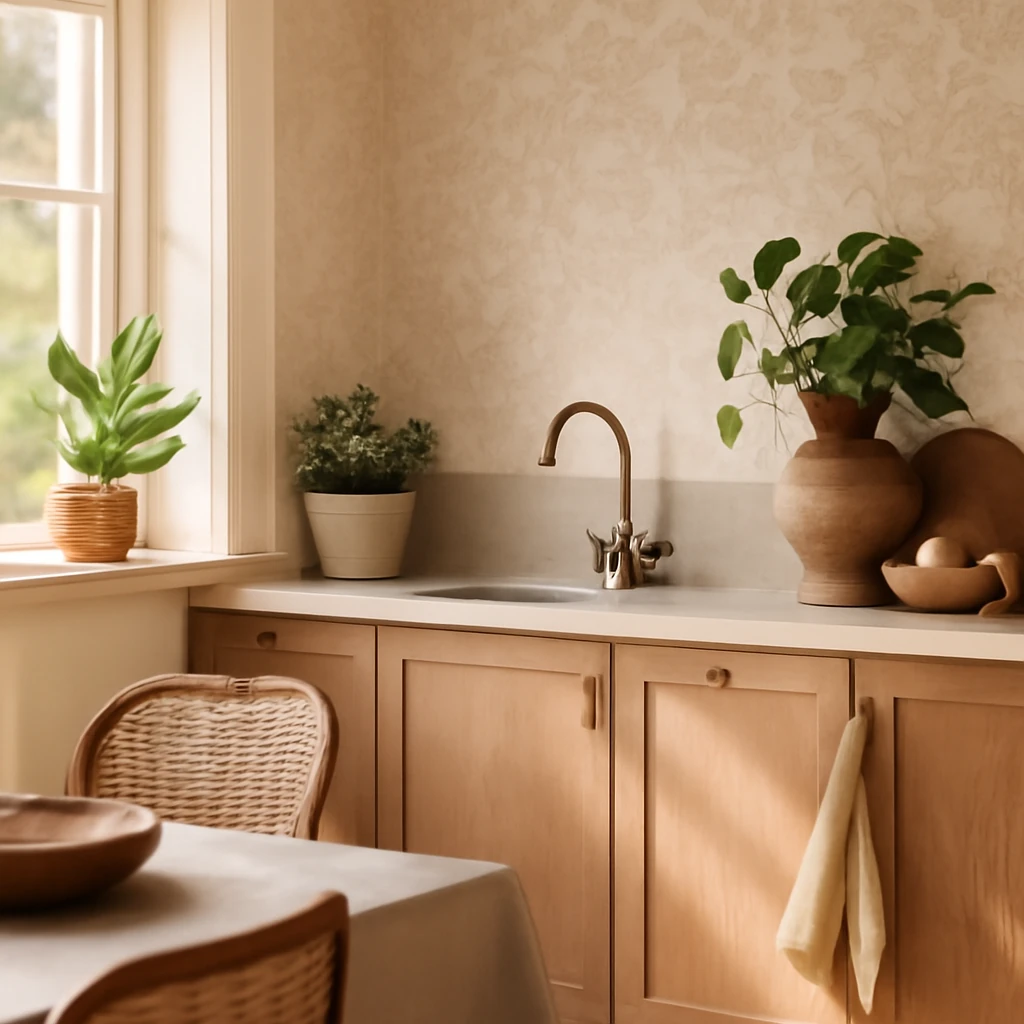
Wallpaper remains one of the most versatile tools in the European kitchen designer’s armoury. It offers texture, depth and colour without the permanence of tiling, while delivering performance that keeps pace with the demanding realities of cookery, humidity and daily life. A well-chosen kitchen wallpaper can unite cabinetry, lighting and soft furnishings into a cohesive, stylish and easy-to-maintain interior. This guide investigates practical considerations, the most durable wallpaper types for kitchens, colour and pattern strategies, and the staged approach required to achieve a lasting, high-quality finish across diverse European homes.
What makes a kitchen wallpaper practical?
Kitchens demand wall coverings that can cope with moisture, heat, steam and the occasional spill. For a wallpaper intended for culinary spaces, look for three core capabilities: washability, moisture resistance and durability. In many European homes, kitchens are treated as zones that blend with dining spaces, so the ideal solution should also be visually cohesive with furniture, flooring and window treatments.
Key characteristics to identify when selecting kitchen wallpaper include:
- Water and stain resistance – the ability to wipe clean with mild detergents.
- Durability against abrasion and UV exposure to minimise fading and wear.
- Breathability and mould resistance, particularly in rooms with limited ventilation.
- Compatibility with common wall substrates, such as plaster, lime plaster, or prepared drywall, as well as suitable adhesives.
In practice, a kitchen wallpaper that is washable, moisture-resistant and easy to maintain will outlast many decorative trends. It should be selected with consideration for how lighting, cabinetry and countertop materials interact with the pattern and colour choices. Remember: the aim is to create a space that feels calm and practical, not merely decorative during the first month of use.
Types of wallpapers for kitchens
Manufacturers in Europe offer a broad spectrum of wall coverings designed for kitchens. The following types are among the most reliable and widely specified:
- Vinyl wallpapers – one of the most durable and washable options. The vinyl layer protects the wall from humidity and splashes, and variants on non-woven bases tend to offer easier installation and better cover across imperfect surfaces.
- Non-woven wallpapers – often described as flizeline in some markets, these are made from synthetic and plant fibres. They are breathable, tear-resistant and relatively easy to remove during renovation, making them popular for European kitchens with plaster or lime plaster walls.
- Glass fibre wallpapers – highly robust, excellent for hiding wall imperfections and remarkably moisture resistant. They accept paint multiple times and are a preferred choice for contemporary interiors that may undergo repainting over the years.
- Silk-screen and textured vinyl wallpapers – offer refined textures and subtle sheen. They are especially effective when aiming to mimic natural materials such as stone, brick or fabric, while retaining practical washability.
- Paintable wallpapers – some vinyl or fibre formats are designed to be painted after application. This allows for future updates without re-wallpapering, which can be advantageous in evolving European interiors.
Vinyl wallpapers
Vinyl-faced wallpapers provide robust moisture resistance and straightforward cleaning. In kitchens, they are often preferred for their ability to be wiped down with mild detergents without degradation. For a more refined look, consider vinyl on non-woven backing, which combines durability with a more forgiving installation process. Expect long service lives of several years, with some high-end designs designed to endure a decade of routine use when properly maintained. Textured vinyl can imitate stone, wood, or textiles, granting the room a tactile quality without compromising wipeability.
Non-woven wallpapers
Non-woven wallpapers are constructed from synthetic and natural fibres bonded together to create a sturdy, breathable surface. They tend to lie flatter on walls, cover seams well and resist mild moisture exposure. They also remove more cleanly than traditional paper, reducing the risk of wall damage during redecorating. For kitchens with plaster or lime plaster walls, non-woven options are particularly forgiving and provide a stable base for subsequent paint or finish touches.
Glass fibre wallpapers
Glass fibre wallpapers offer exceptional durability and very high moisture resistance. They are ideal for busy kitchens or those with limited ventilation, and they can be painted multiple times to refresh colour without replacing the wallpaper. The material has natural rigidity that helps disguise wall irregularities, delivering a smooth, modern backdrop that supports bolder cabinetry or statement lighting.
Textured and silk-screen wallpapers
Textured surfaces, including silk-screened vinyl and faux-texture designs, bring depth to a kitchen scheme while maintaining cleanability. Silk-screen printed wallpapers can mimic refined materials such as silk, linen or marble with a tactile gloss or matte finish. In European interiors, such surfaces are often paired with restrained colour palettes to avoid visual overload in smaller spaces.
Paintable wallpaper options
Paintable wallpapers offer an adaptable route to updating a kitchen without full redecorating. Start with a durable vinyl or glass-fibre base that accepts multiple coats of paint. This route lets you experiment with contrasting tones on feature walls or create soft, seamless finishes that enhance natural light. When repainting, choose high-quality interior paints with good scrub resistance and low odour to minimise disruption in living spaces.
Practical considerations: moisture-rated and washable designs
In areas where moisture and heat are common, select wallpapers explicitly rated as washable and humidity-resistant. For kitchens with direct heat from cooktops or exposure to steamy ventilation hoods, look for designs offering enhanced wipeability and fade resistance under UV exposure. Always check the manufacturer’s guidelines regarding surface preparation, adhesive compatibility and maximum number of repaint cycles for the chosen wallpaper.
Choosing colour and pattern for kitchen walls
Colour can transform a kitchen’s perceived size, mood and usability. The following guidelines help navigate the choices across European homes with varied natural and artificial lighting:
- Limit the palette to a maximum of three tones: a dominant colour, a supporting hue associated with the cabinetry or furnishings, and a tiny accent to highlight architectural features.
- Consider the room’s proportions and light. Light-palette wallpapers tend to brighten compact spaces, while deeper tones can anchor larger rooms or create a cosy, intimate dining area.
- Factor in personal preferences. The kitchen should feel welcoming to all household members, neutrals and monochrome schemes often provide the most flexible base for evolving accessories over time.
- Reflect the overall style of the home. Nordic-inspired spaces often benefit from cool whites and soft greys, traditional interiors respond well to warm creams, taupes and stone tones, urban and contemporary schemes can embrace bold contrast and dark accents balanced with light cabinetry.
Colour options and how they work in the kitchen
Colour decisions influence mood, appetite and the perception of space. Here are common hues and how they perform in European kitchens:
- White – versatile and timeless, white walls enhance brightness and provide a clean backdrop for colourful accessories. In full daylight, a pure white can feel clinical, paired with warm textures such as timber floors or brass hardware, it becomes inviting.
- Grey – a dependable neutral with a wide range of undertones. Light greys create airiness, mid-tones convey sophistication, and charcoal greys add drama when balanced with lighter cabinetry or metallic finishes.
- Yellow – a cheerful, energising choice that can stimulate appetite and social interaction. Softer butter or ochre tones work well in calm, open-plan spaces, brighter versions are suitable for accent walls in larger kitchens.
- Blue – a cool, refreshing option that pairs beautifully with wood tones and pale neutrals. Navy or deep slate blues work well as an accent against pale cabinetry or tiled backsplashes.
- Black – not for all walls, but when used as an accent in the right light, it creates a powerful statement. Pair with warm wood, brass accents and a light ceiling to prevent the room from feeling enclosed.
- Green – from olive to sage, greens bring a sense of calm and freshness. Lighter greens pair well with white and natural textures, darker greens can look luxurious with brass or copper details.
Styling for different interior aesthetics
Wallpaper can anchor a wide range of European interior styles. Understanding the design language of each style helps in selecting patterns and textures that read as authentic rather than decorative afterthoughts.
Classical elegance
In classic interiors, wallpaper with subtle motifs such as fine stripes, damask, or delicate florals can harmonise with timber cabinetry and traditional hardware. A restrained palette - creamy whites, soft beiges, delicate plaids - creates a timeless backdrop that enhances architectural details like mouldings and cornices. For a modern twist, incorporate a single feature wall with a slightly richer tone or a refined visual texture that echoes the room’s fabric or upholstery.
Provencal and Country influences
Provencal and country-inspired schemes benefit from wallpapers with organic motifs - floral sprigs, vines, or small fruit patterns - on light, natural backgrounds. Natural textures such as linen or raffia-inspired finishes bring warmth and authenticity. Palette choices tend toward sun-kissed creams, pale yellows, soft greens and dusty blues, used consistently to maintain a coherent and relaxed atmosphere.
Nordic and Scandi
Nordic kitchens thrive on light, uncluttered surfaces and subtle textures. White, pale greys and cool whites with gentle tactile surfaces help reflect daylight and create a sense of calm. If a pattern is desired, opt for restrained geometric motifs, fine radio-frequency stripes or barely-there textures that add depth without dominating the space.
Industrial and contemporary
Industrial-inspired kitchens often mix materials such as concrete, steel and timber. Wallpapers with a moody, deep colour or a textured finish resembling brick, concrete or metallic sheens can add urban sophistication. Avoid busy patterns, instead, choose controlled contrasts and a single bold wall to anchor the composition.
Minimalist and modern calm
Minimalist spaces benefit from pared-back textures and monochrome palettes. A single feature wall or a carefully chosen muted tone on all walls can create a seamless canvas for glossy cabinetry and architectural lighting. Subtle textures such as linen-like surfaces or soft, matte finishes can provide the tactile interest that pure colour alone may lack.
Design guidance from a professional designer
One of the cardinal rules in kitchen design is to avoid visual overstimulation. The wall treatment should either anchor the space or accentuate a feature element such as the island, the dining zone, or the cabinetry. When selecting bold or high-contrast wallpapers, ensure the surrounding furniture remains restrained to preserve balance. Conversely, if the room features strong architectural details or a statement piece of furniture, a subtler wallpaper can act as a calming counterpoint and prevent the design from feeling crowded.
Combination strategies: pairing wallpaper with cabinetry and surfaces
Harmonising wallpaper with cabinetry, countertops and hardware is essential for cohesive design. Consider these practical strategies:
- Vertical vs horizontal patterns: vertical stripes can visually raise the ceiling height, while horizontal patterns can make a wall feel broader. For tight kitchens, vertical motifs on one wall or a narrow strip can add interest without overwhelming the space.
- One wall as a feature: in open-plan kitchens, you might wallpaper the wall behind the dining area or the prep zone as a feature to define zones, leaving the remaining walls in a complementary solid colour.
- Texture coherence: to avoid a clash of textures, choose wallpapers that echo textures already present in the room - e.g., a linen-like wallpaper with linen textiles, or a stone-inspired print with a natural stone countertop.
- Timeline and adaptability: select a wallpaper from a cohesive collection so you can switch within the same family if you want to update the look without starting from scratch.
Strategies for small kitchens
Small kitchens benefit from lighter palettes and strategic patterns. A single light-toned wallpaper with a refined texture on one wall can visually expand the space, while the remaining walls stay neutral to avoid clutter. Consider these approaches:
- Limit patterns to occasional, quiet textures, bold motifs on compact walls can feel overpowering.
- Use a vertical stripe or a subtle geometric on a focal wall to create the illusion of height without sacrificing clarity.
- Ventilate adequately during installation and for daily use, as humidity hotspots can affect adhesives and the wallpaper’s longevity.
- Balance softness with materials that reflect light - glossy cabinetry, chrome hardware or glass-topped surfaces can help bounce light around the room.
Maintenance, longevity and care
Proper maintenance extends the life of wallpaper in kitchens. Washable vinyl and glass fibre wallpapers tolerate routine cleaning with mild detergents. For painted substrates, select paintable wallpapers with a scrubbable or washable finish, and recoat as needed to refresh the space without re-wallpapering. Important care tips include:
- Avoid aggressive scrubbing on delicate textures, which can wear the surface over time, use a soft cloth and a gentle cleaner for tougher stains.
- Inspect seams regularly and address any bubbling or loosening promptly, especially in areas with high humidity or temperature fluctuations.
- Prepare walls properly before installation to ensure uniform adhesion and reduce the likelihood of future peeling or damp spots.
- Choose adhesives that are compatible with the wall substrate and the wallpaper material, the wrong adhesive can compromise performance and finish.
Preparation and installation: getting it right the first time
Successful wallpaper installation in kitchens begins with careful wall preparation. The following steps are standard practice in European projects:
- Repair any cracks or holes in plaster or drywall, sand irregularities to create a smooth, even surface.
- Prime the walls with a suitable primer to improve adhesion and reduce the risk of staining from the wall substrate.
- Ensure the room is dry and well-ventilated during application and curing. Avoid applying wallpaper when ambient humidity is excessively high, as this can affect adhesive performance.
- Use adhesives formulated for moist environments if the wallpaper will be exposed to humidity or cooking vapours. Follow the product’s application instructions precisely and allow adequate cure time before use.
- Install with precision, aligning patterns and seams. For patterned wallpapers, plan the layout to minimise waste and ensure matching across joints.
Environmental and hygiene considerations
In European homes, environmental and health considerations are increasingly central to interior decisions. Select wall coverings that meet stringent durability and hygiene standards, particularly in kitchens where spills, steam and odours are common. Look for fabrics and finishes that are low in volatile organic compounds (VOCs) and that resist microbial growth. If a kitchen experiences strong odours or frequent moisture exposure, ensure the wallpaper you choose is specifically designed for such conditions and is easy to sanitise without degrading the surface.
Final thoughts: making a confident choice
Wallpaper is an adaptable, cost-effective way to refresh a kitchen while preserving practicality. In the European context, aim for a surface that combines reliability with a nuanced aesthetic that supports the overall design language of the home. Whether you favour a light, airy Nordic look, a warm Provencal-inspired scheme, or a contemporary urban aesthetic, the right wallpaper will help you achieve a harmonious, functional space that remains visually inviting year after year. Engage a professional designer to review the material choices, installation methods and the integration with existing cabinetry, lighting and surfaces. With careful selection and expert execution, wallpaper can be the unifying element that elevates your kitchen into a genuine design feature.
You may also like these articles
 Lighting
Bedroom Lighting: A Step-by-Step Guide for European Homes
A practical guide to layered bedroom lighting across Europe.
Bathroom Design
Tiles for the Bathroom in 2025: Trends Shaping European Interiors
Discover the 2025 bathroom tile trends that blend texture, tone and sustainability.
Kitchen Design
Designing a Grand Kitchen for a Modern European Home
A guide to planning and styling a large European kitchen with smart layouts and durable finishes.