
Explore interior trends, AI design insights, styling guides and real transformations
Six Beautiful Bedroom Wallpapers to Create Calm, Characterful Interiors
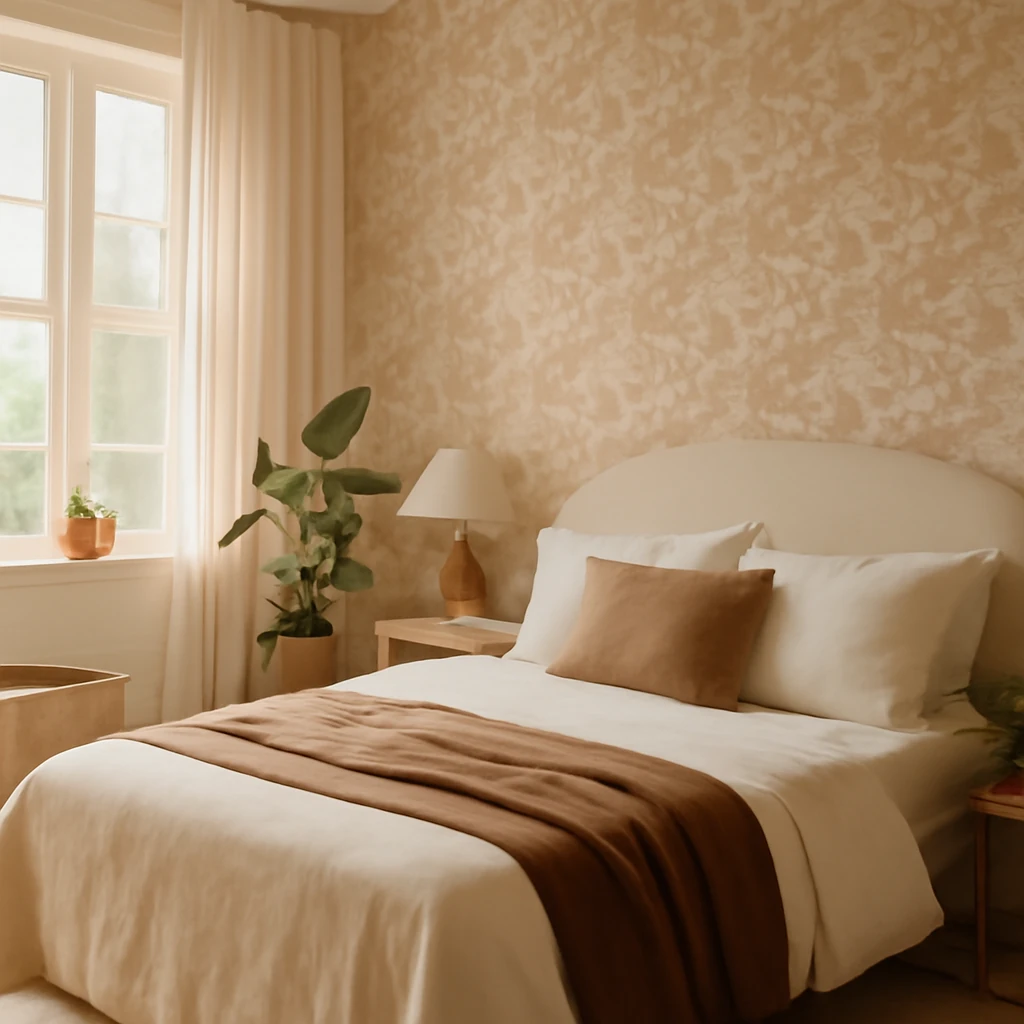
In European homes, the bedroom is a sanctuary where texture, colour, and light work together to foster rest and a sense of personal identity. Wallpaper remains a preferred method for adding depth, warmth, and mood, whether you’re renovating an era-listed townhouse, a modern city apartment, or a countryside dwelling. The choices have never been more diverse, from timeless florals that whisper Provencal charm to subtle geometric patterns that underline contemporary elegance. This guide explores six enduring wallpaper approaches suitable for a range of European interiors, with practical tips on selection, installation, and care.
Floral wallpapers: soft elegance and Provençal warmth
Floral wallpapers are among the most enduring choices for a bedroom, offering an immediate sense of softness and tactility. In European contexts, florals often lean toward a restrained palette - sage greens, blush pinks, powder blues, and warm creams - that complements natural materials such as light oak, linen textiles, and handmade ceramics. A delicate floral on a pale background can make a compact room feel open, while a larger scale print works beautifully as a feature wall behind the bed, creating a focal point without overwhelming the space.
Consider the orientation of the room and the quality of light before selecting a floral motif. A room with abundant natural light benefits from a slightly cool floral background that preserves airiness, whereas a room with limited daylight can benefit from a warmer palette that adds instant cosiness. When paired with simple furniture - a solid timber bedframe, clean-lined bedside tables, and natural textiles - floral wallpaper contributes to a cohesive, lived-in atmosphere rather than a staged look.
Practical notes: opt for non-woven or vinyl-coated wallpapers in florals if you anticipate higher traffic or cleaning needs. Choose patterns with a clear repeat and an off-white or soft-toned ground to minimise interruptions to the room’s light. Typical wallpaper widths in Europe are around 53 cm, with rolls commonly available in 10 m lengths, making calculations straightforward for standard rooms.
Toile de Jouy and French-inspired classics: timeless elegance
Toile de Jouy wallpapers reference a long European tradition of narrative prints - often pastoral or romantic scenes rendered with a delicate line and a restrained colour palette. In bedrooms, these designs bring a sense of heritage and refinement, echoing historic French interiors while fitting seamlessly into modern schemes. A single wall clad in Toile de Jouy can echo a bedroom’s headboard or alcove, letting the pattern emerge as a quiet but expressive backdrop rather than a dominant feature.
To keep a Toile de Jouy scheme from feeling heavy, balance pattern with pared-back furniture and a restrained colour scheme. Pair the wall with soft, tactile textiles - woven linens, muted wool throws, and natural fibre bedding. If you wish to inject a contemporary touch, select a Toile pattern in lighter inks on a warm neutral ground and accent it with monochrome fabrics and metal hardware in brushed brass or bronze.
European homes vary in size and proportion, for smaller bedrooms, consider using Toile on one wall or within an alcove to create depth without overpowering the space. When selecting the wallpaper, examine the scale of the motif in relation to the room’s dimensions and the bed, ensuring that the pattern feels generous rather than busy from a distance.
Chinoiserie: East-meets-West brought into European bedrooms
Chinoiserie-patterned wallpapers draw on European interpretations of East Asian art and design. They can range from delicate bamboo motifs to more elaborate landscapes and pagoda-inspired scenery. In a European bedroom, a well-judged chinoiserie wall can introduce a refined drama that pairs gracefully with minimalist or mid-century-inspired furnishings. The key is restraint: a single feature wall behind the bed, or a recessed niche lined with wallpaper, creates a focal point without competing with lighting or textiles.
When integrating chinoiserie, consider the room’s existing palette and architectural details. Neutral walls, along with furniture in warm woods or matte metals, help the wallpaper read as an intentional design choice rather than a loud statement. In heritage apartments with high ceilings, a chinoiserie wall can convey both sophistication and contemporary comfort by balancing old-world charm with modern char‑coal or ivory accents in bedding and upholstery.
Maintenance is straightforward with most contemporary chinoiserie wallpapers, particularly vinyl-coated or non-woven varieties. Choose glossier finishes for rooms with lower natural light to reflect more light, or opt for a soft matte to preserve a serene sleeping environment. A cautious approach - small-scale motifs in calmer tones - often yields the most timeless result in European bedrooms.
Linen and linen-textured wallpapers: natural calm and practical charm
Textured linen wallpapers are celebrated for their tactile depth and their ability to contribute to a soothing, almost spa-like atmosphere. In Europe, where natural materials are central to many interior philosophies, linen-textured wallpapers offer a sophisticated alternative to plain paint while remaining versatile enough to pair with a range of fabrics, from oversized wool throws to smooth satin bed linens.
Beyond aesthetics, linen wallpapers have practical advantages. They tend to be breathable, which supports comfortable humidity levels in bedrooms. They also hide minor imperfections on plaster walls better than flat paint, making them a pragmatic choice for older buildings with nuanced surfaces. The effect is understated luxury: soft texture under artificial lighting, with shadows adding subtle movement as the day progresses.
When specifying linen wallpapers, consider the weave’s coarseness and the wallpaper’s backing. A fine linen or linen-blend texture on a light ground creates a calm, luxurious backdrop for a restorative space, while a slightly richer texture on a feature wall can add depth without reducing room brightness. Ensure you select a washable or wipeable finish if you anticipate regular cleaning, particularly in shared bedrooms or spaces where sunlight is strong and can fade colours over time.
Panelling with crane motifs: a bold focal wall
In contemporary European interiors, a wall panel or mural featuring crane motifs can act as a dramatic, architectural gesture. When used behind the bed or along a freestanding niche, such motifs become a sculptural element that anchors the room. The design described in many modern projects often arises from a pattern panel or a carefully designed repeat that creates a sense of movement and vertical emphasis, echoing natural forms without overwhelming the space.
To keep this approach balanced, couple the panel with restrained furnishings in solid colours and textures. Use textiles in a cohesive palette - soft greys, warm greens, or ivory tones - to harmonise with the mural and prevent the room from feeling visually busy. Lighting is crucial here: wall lamps or concealed cove lighting can illuminate the panel softly, enhancing its depth after sundown while preserving a serene sleeping atmosphere.
Installation considerations are important with panel-style wallpaper: ensure precise alignment at joints and avoid over-stretching the material during hanging. A professional installer familiar with heavy-weight vinyls or fabric-backed panels will deliver the best results, and cladding should be planned with attention to adjacent surfaces to maintain a seamless finish.
Geometric wallpapers: calm structure with quiet character
Geometric patterns - particularly those in muted tones - offer a contemporary alternative to florals and scenery. For bedrooms, subtle geometric wallpaper can introduce architectural elegance through repetition and rhythm without overpowering sleep. Narrow lines, soft chevrons, or gentle tessellations in pale neutrals or desaturated hues pair well with pared-back furniture and low-contrast textiles. The effect is modern, refined, and highly versatile across European interiors from Milan to Helsinki.
Key considerations when selecting geometries: opt for patterns with a modest scale that won’t visually shrink the room. In rooms with limited daylight, choose lighter grounds or slightly luminous finishes that reflect light rather than absorbing it. If you wish to introduce multiple textures, keep the accompanying textiles - the curtains, rug, and bedding - in complementary tones and simple textures to maintain calmness and coherence.
Practical guide: choosing, installing and maintaining wallpaper in European bedrooms
Making the right wallpaper choice involves understanding both aesthetic intent and practical constraints. Below is a compact decision framework that designers and homeowners use across Europe to ensure a durable, beautiful result that ages well with the space.
-
Assess the room's light and size: In small or north-facing bedrooms, lighter backgrounds with soft textures help expand the sense of space. In larger or sunlit rooms, you can experiment with warmer neutrals, slightly richer textures, or small-scale patterns that add depth without overwhelming the view from the bed.
-
Choose the wallpaper type based on lifestyle: For high-traffic bedrooms (shared spaces or young families), consider vinyl-coated or washable wallpapers. For a refined, quiet retreat, non-woven substrates offer ease of installation and removal with a premium finish. Paper wallpapers are best in low-humidity interiors and dry rooms that are less prone to dampness.
-
Pattern scale and repetition: Large-scale prints read as statement pieces in larger rooms with generous ceiling heights. Small or medium patterns work well on feature walls or alcoves in rooms of all sizes. Always test scale with a sample card on your wall to observe how the pattern behaves under different lighting conditions.
-
Colour coordination: Use wallpaper as a design amplifier rather than a rival to furniture. Neutral or monochrome grounds allow textiles and furniture to breathe, while a bold wallpaper can set the mood for the entire room. In heritage spaces, a restrained palette helps preserve architectural details and avoids a dated look.
-
Installation and maintenance: Hire a professional for accurate pattern matching and trimming. Non-woven wallpapers are typically easier to install and remove, with less impact on plaster walls. For cleaning, follow the manufacturer’s guidelines, wipeable finishes may be suitable for households with children or pets, but avoid aggressive solvents on delicate textiles or painted decorative features nearby.
Across Europe, care for wallpaper also involves climate considerations. In coastal regions with higher humidity, choose moisture-resistant substrates and ensure adequate ventilations, such as operable windows or mechanical ventilation, to avoid mould risk. In historic townhouses, consider how wallpaper interacts with underlying plaster and existing decoration, a well-chosen wallcovering can preserve the essence of the space while updating its functionality for modern living.
How to build a cohesive bedroom scheme around wallpaper
A wallpapered wall is a catalyst for a well-considered room, not just a decorative feature. The following guidelines help world-class interiors feel coherent and restful:
-
Start with the bed as the anchor. The headboard wall or alcove behind the bed often benefits most from wallpaper. The surrounding walls should support the chosen motif with a calmer plane - either a solid colour or a very light texture that echoes the wallpaper’s undertone.
-
Match textiles to the wallpaper palette. If the wall features a strong colour or complex motif, keep bedding and window coverings in simpler, solid colours. If the wallpaper is more textural than tonal, you can introduce subtle patterns on curtains or cushions to create depth without visual clutter.
-
Consider lighting as a design instrument. Warm, indirect lighting enhances soft textiles and textile-driven palettes. Diredd light on a feature wall with wallpaper can sculpt the surface: use wall sconces, hidden LED profiles, or a slender ceiling pendant to highlight the wall at different times of day.
-
Balance pattern with structure. A room that feels chaotic usually benefits from strong architectural lines elsewhere - clean-lined furniture, a simple rug, and minimal wall décor outside the wallpapered plane. In contrast, a bedroom with minimal furniture can handle a more expressive wallpaper if the lighting is discreet and the room remains uncluttered.
Budgeting and procurement for European consumers
Wallpaper pricing in Europe reflects substrate, durability, pattern complexity, and brand position. A mid-range, well-installed wallpaper for a typical European bedroom might cost between £30 and £70 per square metre for materials, plus professional installation. Premium options - especially large-scale patterns in high-quality vinyl or fabric-backed substrates - can exceed £100 per square metre, depending on the country and retailer. Remember that European house sizes vary widely, a 12–15 m² room may require one to two rolls for a single wall feature, including waste for pattern matching.
When budgeting, include the cost of preparation: removing existing wallpaper or filling irregularities, sealing edges near moisture-prone windows, and the potential need for testing plaster compatibility. If you are renovating a heritage interior, allocate resources for professional evaluation of plaster and humidity and to ensure that the wall surface accepts wallpaper evenly. A long-term view matters too - the right wallpaper, chosen with regard to light and climate, will retain its character and resist fading far better than a painted surface in many European environments.
Final reflections: creating a calm, lasting bedroom with wallpaper
Wallpaper in the European bedroom offers a unique combination of visual interest and tactile comfort. By selecting motifs that resonate with the room’s architectural character and by balancing them with carefully chosen textiles, lighting, and furniture, you can craft a sanctuary that feels both intimate and timeless. Florals can evoke a coastal or Provençal mood, Toile de Jouy and chinoiserie provide heritage-chic and refined drama, linen textures deliver quiet luxury, panel murals make a bold architectural statement, and geometric patterns offer modern order. The best results come from viewing wallpaper as part of a holistic design language rather than a standalone feature.
Whether you inhabit a slim city apartment, a spacious urban loft, or a countryside villa, the decision to wallpaper a bedroom should begin with how you want the space to feel. If calm and softness are your priority, lean toward linen textures and pale florals. If you crave personality and a connection to European design history, Toile de Jouy or chinoiserie patterns performed in small, thoughtful doses can provide the perfect balance. For a contemporary home with a strong architectural voice, a geometric or crane-panel wall can define the room’s character while remaining compatible with modern furnishings.
You may also like these articles
 Kitchen Design
From Timber to Glass: A European Guide to Kitchen Fronts and Finishes
A comprehensive guide to modern kitchen fronts, materials and practical design advice.
Colour & Materials
Timber wall finishes: nine options for European homes
Timber wall finishes for European homes—budget to premium explained.
Bedroom
A 10-Year-Old Girl's Bedroom: Growth‑Oriented Design for Europe
Practical, stylish guide for a growing tween’s European bedroom.