
Explore interior trends, AI design insights, styling guides and real transformations
Bedroom Design in 2025: Seven Trends Shaping European Sleep Spaces
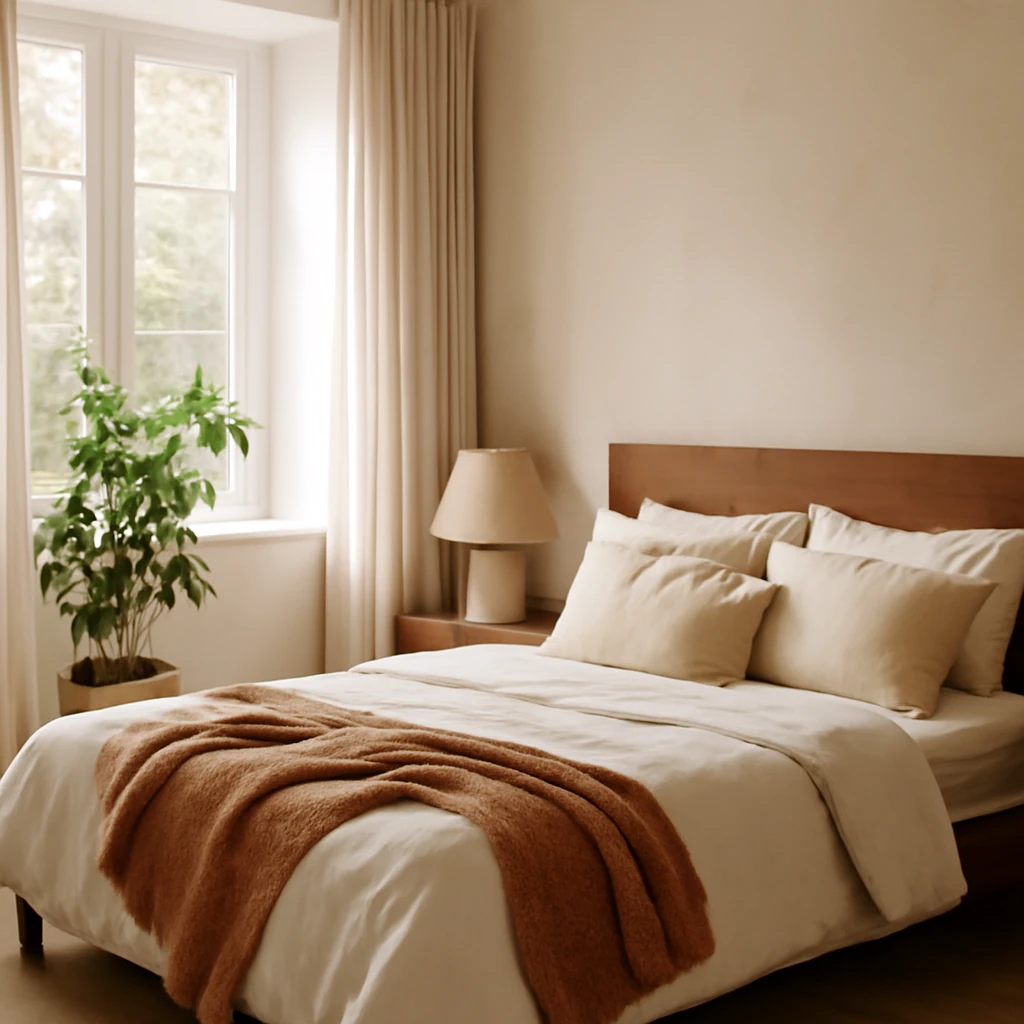
Introduction: designing a European bedroom for 2025
In European homes, the bedroom is increasingly treated as a sanctuary that blends rest, practicality and refined luxury. Across cities from Lisbon to Stockholm, from compact city flats to elegant countryside homes, designers are responding to a shared longing for spaces that feel cosy, uncluttered and quietly luxurious. The year 2025 signals a shift towards tactile materials, intuitive storage, and colour narratives that adapt to diverse climates and architectural contexts. This article distils seven dominant trends and four contemporary colour schemes that are adaptable across European interiors, helping you craft a bedroom that remains stylish through seasons and trends alike.
The seven leading trends for bedrooms in 2025
Five core principles recur throughout European projects: calm geometry, texture-led luxury, and a disciplined approach to storage. Designers are prioritising rounded silhouettes, expressive yet restrained finishes, and spaces that feel generous even when square metres are at a premium. Here are the seven trends at the heart of 2025 bedrooms.
Rounded silhouettes
Soft, curved shapes create an immediate sense of calm, which is essential in a room dedicated to rest. In 2025, rounded forms appear in bed frames with pillowed or curved headboards, bedside tables with soft contours, and seating that invites lingering. Light fittings, too, follow fluid lines, favouring circular or gently arced profiles that glow with warmth at night.
When paired with natural materials and warm textures, rounded silhouettes read as welcoming rather than decorative. Think bed frames in warm woods, upholstered headboards in plush bouclé or velvet, and seating that embraces the body. In practice, these shapes help soften architecture and create a cohesive, tranquil atmosphere across the room.
- Bed frames with curved headboards provide a focal point with comfort baked in.
- Rounded bedside tables reduce visual heaviness and create a gentle rhythm.
- Curved lighting fixtures soften edges and add warmth to evenings.
Decorative panelling and texture
In lieu of heavy paint, 2025 bedrooms turn to decorative wall treatments. Subtle panelling, sculpted plaster, and textured wall surfaces add depth without clutter. Panels can extend from the bedwall to the ceiling, forming a continuous, tactile backdrop that anchors the space. The aim is to create architectural interest while maintaining a calm, uncluttered surface that accepts natural light and soft textiles.
Panelling offers practical benefits as well: it can conceal wiring for lighting and sensors, provide acoustic benefits in compact rooms, and serve as a versatile base for colour and material storytelling. When used judiciously, it elevates a bedroom to a refined, contemporary interior without feeling contrived.
- Soft-panelled walls that blend into the ceiling create a cocoon-like effect.
- Textured or embossed panels introduce tactility and warmth.
- Decorative plaster or timber panels offer a durable alternative to paint.
Nostalgic design
Across Europe, nostalgia informs contemporary bedrooms through carefully chosen vintage pieces, heirloom items, and family artefacts. The aim is warmth and memory rather than a retro museum look. A small selection of personal objects - carefully curated - can humanise a modern space and deepen its emotional resonance. Think heirloom textiles, a beloved quilt, or a vintage lamp that has aged gracefully with the room.
In practice, cultivate a sense of story with restraint: 2–3 meaningful pieces can personalise a room without turning it into a cluttered capsule of the past. Contemporary upholstery, lighting, and storage systems sit alongside these items to create a balanced dialogue between time periods.
- Mix modern furniture with 1–2 vintage pieces linked to memory or family history.
- Use soft lighting and natural fabrics to temper nostalgic objects.
- Keep the number of nostalgic items deliberately small for a refined result.
Statement headboard and functional headboard design
The headboard is increasingly treated as a design feature and a practical storage or interface element. A statement headboard can be a sculptural focal point, often extending beyond the bed to incorporate shelves, lighting, and hidden cables. In many European schemes, headboards become multi-functional zones: a soft upholstery, integrated reading lamps, USB sockets, and sometimes even small display niches. The result is less need for extra furniture, a cleaner plan, and a more organised space.
When selecting a headboard for a 2025 bedroom, consider the room’s proportions. A tall headboard may overwhelm a compact room, while a low-profile version can visually enlarge a small space. Materials vary from tactile textiles and leather to sculpted wood veneers that mimic natural textures.
- Integrated shelves or niches reduce the need for bedside tables.
- Built-in lighting keeps surfaces clear and creates a calm ambience.
- Under-headboard storage can hide linens, blankets, or essential items.
Dark wood and warm-toned timber
Dark timber returns with a contemporary edge. Instead of the bold, heavy traditional usage, designers favour minimal panels in walnut, chestnut, or wenge complemented by warm finishes. Dark wood anchors a room with a sense of luxury and sophistication, while remaining versatile enough to pair with light textiles and metal accents in brass or bronze. The contrast between warm wood and lighter textiles creates a balanced, welcoming atmosphere even in cooler climates where daylight can be limited.
In practice, consider dark timber for a bed, wardrobe fronts, or a central console. Pair these with soft, tactile fabrics to soften the overall mood and prevent the space from feeling heavy.
- Walnut bed frames or paneling offer rich depth without overpowering the room.
- Dark timber works well with matte brass or bronze hardware.
- Combine with light textiles to maintain warmth and airiness.
Invisible or concealed storage
Clutter-free environments are a key objective in 2025 European bedrooms. Invisible storage - built into walls, behind flush doors, or fabric screens - contributes to an uncluttered atmosphere and a sense of lightness. Wardrobes with handleless, milled fronts, and integrated systems for bedding and seasonal clothing help maintain a calm horizon line. Concealed storage also supports small-space living by reducing the footprint of furniture while increasing usable capacity.
Practical planning is essential: define zones for sleeping, dressing, and relaxing, specify storage that keeps items out of sight yet easily accessible, and ensure ventilation and lighting do not rely on exposed electrical elements. In well-designed plans, storage becomes part of the architecture rather than a separate, utilitarian accessory.
- Flush-front wardrobes with push-to-open mechanisms.
- Hidden compartments within headboard or bedframe for small items.
- Closets integrated into wall cavities with concealed tracks and soft-close doors.
Natural decor and biophilic influence
The push to reconnect with nature remains a central thread. Natural decor - crafted from wood, rattan, cork, stone, and ceramics - adds warmth and texture in a restrained way. Plants play a vital role, not as afterthoughts but as architectural elements that contribute to air quality and mood. Large leafy plants or compact greenery can be placed to frame the bed or to create a living backdrop for a seating area. When lighting and textiles mirror nature, the space feels calmer and more regenerative.
In this design language, natural materials are paired with light, breathable textiles such as linen and cotton, plus wool or bouclé for upholstery. Colourways lean toward warm neutrals that echo earth and sky, with textures doing much of the visual work.
- Planting schemes that align with the room’s light direction.
- Natural fibre textiles to reinforce tactility and comfort.
- Stone or ceramic decorative objects to ground the scheme.
A fresh look at colour: 2025 palettes for European bedrooms
Colour remains a powerful tool for shaping mood, and 2025 palettes are about pairing depth with softness. Across European interiors, designers propose colour stories that feel sophisticated and versatile, easily adaptable to both traditional built forms and contemporary apartments. Here are four leading palettes that can work across climates and architectural styles.
Terracotta + grey
Terracotta is back as a warm, natural accent - neither loud nor overpowering when used with restraint. It reads as earthy and confident, capable of warming stone walls, timber flooring, and metallic hardware. A cool or mid grey provides the ideal counterpoint, tempering the orange-brown warmth and preserving a calm, contemporary edge. Use terracotta as an accent on one wall or within textiles, while letting grey govern the larger area through paint, wallpaper, or large-scale fabric.
Texture plays a significant role with this pairing: terracotta can be brought to life through matte or satin finishes, while the grey can be warmed with slightly beige undertones. The result is a sophisticated, layered look that remains comfortable in dim evening light and bright daytime sun alike.
- Feature wall in terracotta with soft grey on the remaining walls.
- Terracotta textiles (curtains, cushions) layered over a grey base.
- Wood and bronze accents to amplify warmth and depth.
Pink + yellow
This luminous pairing challenges conventional palettes with playful brightness that still reads refined when grounded by white, cream or soft grey. The pink can range from blush to rosy tones, while yellow shifts from pale butter to saffron gold. The key is balance: use one dominant colour and one supporting hue, and maintain a quiet background to prevent the space from feeling too cheerfully loud. In bedrooms, this combination works particularly well in contemporary interiors where softness and joy are welcome.
To keep the scheme harmonious, temper with natural textures such as linen drapery, oak flooring, or a warm timber bed frame. Subtle patterns or graphics on bedding can provide depth without competing with the colour pairing.
- One strong colour on a feature wall with the other used for textiles.
- Muted versions of both colours prevent over-saturation.
- Soft lighting enhances the warmth of pink and yellow together.
Caramel palette
The caramel palette embraces the sweetness of brown and beige tones, evoking the glow of sugar and roasted sweetness. This palette shines in spaces that want to feel premium yet cosy. Pair caramel with creams, oat tones, and honey for a light, inviting canvas. Rich textures such as satin, velvet, or silk can amplify the sense of luxury, especially when paired with glass or metallic accents.
Consider glossy surfaces for light-catching moments - lamp shades, lustrous bed linens, or lacquered storage fronts - to add a touch of glamour without sacrificing warmth. Subtle contrasts like charcoal or graphite can punctuate the palette and prevent it from becoming monotone.
- Caramel and cream as the core pairing.
- Textile finishes (silk, velvet) to elevate tactility.
- Metallic accents in bronze or brass to echo warmth.
Blue + green
Blue and green are nature-derived hues that feel restorative and tranquil. When used together, they create a serene microclimate ideal for sleep, especially in urban environments where external noise and light can intrude. Opt for softened, desaturated versions of both colours and balance with warm wood and natural textiles to avoid a chilly effect.
To maintain harmony, calibrate saturation carefully: an otherwise light base with one deeper blue or green as an infusion of colour, supported by pale textiles and natural textures. This palette adapts well to larger rooms where it can be expressed through feature walls, bedding, and carefully chosen accessories.
- Desaturated blues paired with sage greens for a calming atmosphere.
- Warm wood and textiles to counter cooler undertones.
- Consider wallpaper or fabrics with subtle botanical motifs to reinforce the natural mood.
Practical guidance for real European homes
Translating these trends into living spaces across Europe requires consideration of climate, architecture, and building regulations. Here are practical tips to implement the trends in a way that respects local contexts while preserving universal design principles.
- Plan for light and shadow: In northern climates, daylight is precious. Use lighter curtains or sheer fabrics to maximise natural light while maintaining privacy, and deploy layered lighting to shift ambience from dawn to night.
- Acoustic comfort: Rooms closer to busy streets or in multi-storey buildings benefit from soft textiles, rug layers, and acoustic panels that absorb noise without dampening style.
- Thermal comfort: Pair dark woods and paneling with natural fibres to create warmth that does not rely solely on artificial heating. Thermally comfortable spaces feel more luxurious and restful.
- Storage strategy: In European homes where space is at a premium, prioritise concealed storage and built-in solutions. Integrate wardrobes with wall panels and doors that blend with the wall for a seamless ceiling-to-floor appearance.
- Furniture scale and proportion: Ensure beds, wardrobes and seating occupy a coherent proportion to the room. A small room benefits from a low bed and slender storage units, while larger spaces can accommodate a multi-functional headboard with integrated shelves.
- Materials and finishes: Choose natural materials that age well across European climates - oak, walnut, linen, wool, and stone. Finishes should be matte or softly sheen to avoid glare and create a relaxing atmosphere.
When considering European design regulations or building standards, engage a qualified interior designer or architect to ensure compliance with ventilation, fire safety, and electrical requirements. A thoughtfully considered plan can be adapted to local regulations without compromising aesthetics.
Putting it all together: a sample European 2025 bedroom concept
Imagine a compact city apartment in northern Europe. The room uses rounded silhouettes: a curved headboard forming the bed’s focal point, and circular pendant lighting positioned to create a warm rhythm around the space. The walls feature subtle decorative panelling that continues from the bed wall to the ceiling, adding texture without visual heaviness. A single feature wall in terracotta anchors the room, with the remaining walls painted in a cool, soft grey to maintain a calm backdrop. A hidden wardrobe behind flush doors keeps the visual field clean, while a small bench next to the bed offers seating and a discreet storage solution for textiles and seasonal bedding.
The bedding combines natural linen with a velvet throw in a caramel palette. The room is accented with warm brass hardware and a few carefully chosen plants that bring life without clutter. A low, compact desk or reading nook can provide a functional space for work or study, while preserving a calm sleeping zone. The result is a bedroom that feels contemporary and welcoming, with a sophisticated sense of workmanship that can adapt to changing needs and personal memories over time.
Conclusion: how to start your 2025 bedroom project
Adopting 2025’s bedroom trends in a European context starts with purposeful planning and honest assessment of space. Begin with a concept that blends rounded forms, hidden storage, and a tactile material language. Choose one dominant colour narrative - whether terracotta and grey, pink and yellow, caramel, or blue and green - and build the rest of the room around it with textiles, lighting, and furniture that reinforce the mood. Build in layers of texture: a soft rug, a wool throw, a bouclé armchair, and wall treatments that offer subtle rhythm. Finally, curate a small, meaningful set of personal artefacts to create a sense of home, ensuring that each piece serves both a functional and emotional purpose.
With thoughtful planning and a clear vision, European bedrooms in 2025 can be serene, functional and enduringly stylish - spaces that welcome rest and support daily life, whatever the season or city you call home.
You may also like these articles
 Bedroom
Bedroom trends for 2026: calm, colour and clever layouts across Europe
Timeless, restful European bedrooms: trends, palettes and smart layouts.
Interior Design
European steam room design: materials, layout and finishes for modern baths
A practical guide to designing European steam rooms with durable materials and versatile layouts.
Small Spaces
Small Space Living: European Transformable Furniture for Every Home
Smart, modular furniture that adapts to European homes and smaller spaces.