
Explore interior trends, AI design insights, styling guides and real transformations
Creating a productive schoolwork zone in European homes: desks, storage and lighting
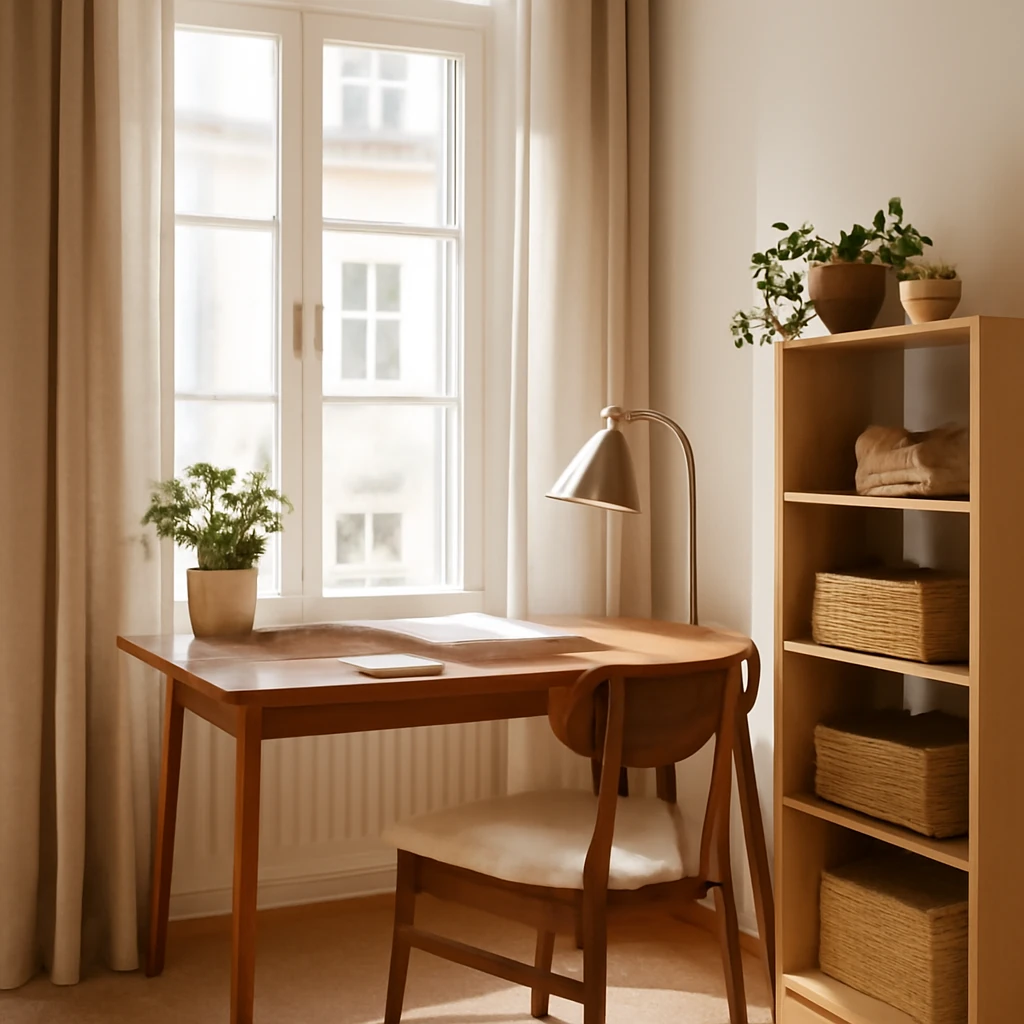
Creating a productive study space for schoolchildren in Europe
In many European homes, the schoolwork zone is more than a simple desk and a lamp. It should be a calm, ergonomic environment that grows with the child, accommodates a range of activities from writing and drawing to online learning, and remains organised within compact living spaces. A well-considered study corner can transform homework from a source of friction into a productive ritual, supporting concentration, posture and good study habits as children move from early primary to secondary school.
To design a space that works across diverse European settings - whether a compact city apartment, a spacious family flat or a partly open-plan layout - focus on three core ideas: adaptability, clear organisation and high-quality, low-maintenance materials. The goal is not only to create a dedicated area for studying but to integrate it seamlessly into daily life so that it is inviting for the child and unobtrusive for the rest of the household.
The essentials of a productive study area
Every schoolwork zone should combine three indispensable elements: a comfortable, adjustable desk, an ergonomic chair, and practical storage that keeps the surface free for work. In addition, consider lighting that supports clarity without glare and a layout that minimises distractions while allowing space for different activities, from handwriting to computer use and creative projects.
Key features to look for include:
- A sturdy desk with a stable surface of an appropriate size for the child’s tasks
- A chair with adjustable height and good back support
- Dedicated storage for notebooks, textbooks and writing implements
- Smart placement of the computer to avoid interference with writing or drawing
In practice, the exact configuration will depend on the room and the child’s age, but these elements form the backbone of any successful study zone.
Adapting the space for different ages
Children’s needs evolve rapidly. A space that works for a six-year-old will require adjustments as the child grows into adolescence. The approach is to build a flexible zone that can be reconfigured without a complete refresh every few years. This means selecting furniture with adjustability, using modular storage, and deploying lighting solutions that can be scaled up or down as required.
A calm, flexible colour and material palette
Colour can influence concentration and mood. In European homes it is common to favour neutral or muted tones for the workspace, with gentle colour accents drawn from the child’s interests. For younger learners, soft blues, greens or warm greys can create a soothing backdrop, for older pupils, deeper tones such as slate or sage provide focus without feeling clinical. Materials should be durable and easy to clean: natural wood or high-quality laminates, paired with wipe-clean surfaces, perform well in busy households.
Layout: where to place the desk
An optimal layout considers natural light, traffic flow and the potential for multi-use space. The classic recommendation is to position the desk so the child faces the room with light coming from the side or slightly in front, to minimise glare on the screen or the writing surface. In rooms where this is not feasible, a well-diffused light source and a non-reflective surface can help maintain comfortable working conditions.
When light comes from a window, the position of the desk is important. If daylight is strong, a sheer curtain or a light-diffusing shade can reduce glare while preserving brightness. In very small rooms, the desk can be placed along a wall with an adjustable wall light or a swing-arm lamp to provide targeted illumination without cluttering the surface.
Desk placement options and considerations
Different rooms demand different solutions. Here are common scenarios and practical ways to approach them without compromising function or aesthetics.
- Desk near a window, facing inwards
- Desk against a wall with daylight from the side
- Desk in a bay window or alcove
- Desk in a larger room with a dedicated corner
In each case, aim for a surface wide enough to accommodate writing, books and a computer, with a chair that aligns ergonomically with the desk height. If space is extremely limited, consider a convertible or wall-mounted folding desk that can be tucked away when not in use.
Desk size and growing with the child
Children grow quickly, so a desk that can adapt over several years is a wise investment. When selecting a desk, consider not only current needs but how the surface and storage can accommodate increasingly complex tasks and larger volumes of work. A longer, deeper desk that still fits into the room is usually preferable to a smaller desk that becomes cramped as the child grows.
Practical guidelines for desk sizes include a minimum surface width of about 100 cm for a single user, with a depth of 60–75 cm. For two children sharing one space, a longer desk or dual-workstation arrangement may be more efficient.
Storage strategies that promote focus
Clutter is the enemy of concentration. The right storage system keeps essential items within reach but out of the way when not needed. Consider a combination of Shelving for books, drawers for stationery, and a pegboard or wall-mounted organisers for quick-access items like scissors, rulers and coloured pencils. It’s helpful to group items by activity - pencils and notebooks together, art supplies in a nearby bin - to reduce disruption during tasks.
If space is at a premium, opt for a desk with integrated drawers or a compact vertical storage solution that keeps the surface tidy and free for work. A tall slim cabinet or a wall shelf above the desk can provide additional storage without encroaching on floor space.
Choosing the right chair for long study sessions
The chair is the cornerstone of ergonomic learning. A well-designed school chair should be height-adjustable, offer lumbar support and have a compact footprint to fit under the desk when necessary. Ideally, the chair should not have fixed arms, which can limit movement and comfort, and it should allow the child’s feet to rest flat on the floor with knees at roughly a right angle.
- Back support should gently align with the lower spine
- The seat depth should allow 3–5 cm of space behind the knees
- The seat width must accommodate the child’s hips without constriction
- There should be a small clearance between the edge of the desk and the edge of the chair
- Adjustability should be smooth and secure, not prone to slipping
A growing-space approach may involve a chair with height adjustment and a separate footrest to support correct posture as legs lengthen.
Lighting the study zone effectively
Lighting is as important as the desk itself. A combination of natural daylight and layered artificial lighting creates a balanced environment that reduces eye strain and helps sustain attention. Use a well-diffused ambient light for general room illumination and a task light for the desk surface. A flexible, adjustable lamp is ideal so the light can be positioned precisely for handwriting, drawing or screen work. For rooms with varied daylight, a daylight-balanced light (around 4000–6500 Kelvin) can help maintain alertness during study sessions.
In larger spaces, consider a floor lamp with a shaded or diffuser to avoid glare while ensuring even distribution of light across the desk area. In smaller spaces, a compact desk lamp with a directed beam can be a practical solution that doesn’t encroach on the working surface.
Organisation for two or more pupils sharing a space
When siblings share a room or a common study area, there are two common strategies: a single long desk with divided work zones or two separate desks placed in proximity. The choice depends on room geometry and the children’s ages. If the difference in height or needs is significant, separate desks positioned in different parts of the room can minimise distractions and conflicts, while ensuring each child has a clearly defined space for their activities.
For two children, providing individual storage within reach of each desk helps reinforce personal organisation. Marking spaces with labels or colour-coding can assist in boundary-setting and reduce disputes over shared resources.
What changes with age
As children progress through school, their tasks become more complex and technology becomes more central. Younger learners require more space for art projects, worksheets and drawing, while older students need space for a computer, a larger keyboard and room for notes. Expectations shift from primarily paper-based tasks to a mixed environment of handwriting, printed materials and digital work. Adapt the desk layout by increasing surface depth, adjusting the chair height, and organising digital storage to keep cables tidy and devices accessible but unobtrusive.
One practical approach is to select modular furniture that can be reconfigured. A spacious desk with a collaboration-friendly edge can accommodate a laptop and a notebook side by side, while a separate, adjacent filing drawer keeps loose sheets tidy. If the budget allows, invest in a workbench or corner desk with extension leaves that can be added as needed, rather than replacing furniture entirely.
Working in small European homes
European urban living often means compact spaces. When there isn’t a dedicated room for study, the dining area or living room can be adapted into a productive space. A shared table that serves as a family workspace can be paired with individual chair stations and a nearby organisers wall. Alternatively, a discreet alcove or a compact corner with a fold-down desk creates a dedicated study nook without overwhelming the room. The key is to maintain adequate lighting, comfortable seating and enough surface area for current tasks, while keeping the area visually calm to support focus.
Five practical tips for organising a school zone
- Prioritise ergonomics: choose a desk and chair that fit the child now and allow for growth.
- Plan storage near the desk to keep essential items within easy reach but out of the way when not needed.
- Teach tidiness: establish a habit of clearing the desk at the end of each session and returning items to their designated spots.
- Zone the space: separate the study zone from the sleeping or relaxation area to minimise distractions.
- Ensure quiet zones: locate the desk away from high-traffic or noisy areas to improve concentration.
Good organisation creates a stable routine that supports learning and reduces the energy spent on searching for materials. A well-considered layout also makes it easier to keep the living space tidy, which in turn reinforces healthy study habits.
Rules for computer use and screen time
Modern pupils often spend significant time at a screen. To protect health and concentration, implement sensible guidelines:
- The screen should be at eye level and about an arm’s length away, typically 60–70 cm from the eyes.
- Maintain a comfortable posture: back straight, feet flat on the floor, forearms resting lightly on the desk surface at a right angle.
- Take a break every 45–60 minutes to stretch and rest the eyes for at least 10–15 minutes.
- Consider anti-glare screens or blue-light reducing options if screens are used extensively after dusk.
These practices help maintain health and attention for longer study sessions and support long-term academic success.
Colours and materials that aid concentration
Neutral tones with gentle colour accents commonly support focus and reduce overstimulation. Subtle blues, greens, taupes or warm greys enable clarity and calm. Accents in fresh colours like soft greens or gentle oranges can stimulate creativity without overwhelming the senses. Materials should be durable and easy to maintain, with matte surfaces that minimise glare and reflections on screens.
Two pupils, different ages: separate desks or shared table?
For siblings with a noticeable age or height difference, two individual desks positioned in the same room often work best. This arrangement reduces competition for space and allows each child to work at an appropriate height and distance from the screen. If space is tight, a single extended desk designed with clearly divided zones can still function well, but be prepared to adjust as the children grow.
A final checklist for a versatile study zone
- Ergonomic furniture: height-adjustable desk and chair, supportive backrest
- Ample, accessible storage for books, supplies and digital devices
- Light that can be adapted throughout the day: natural daylight plus task and ambient lighting
- Clear zones for different activities: handwriting, reading, computer work and creative tasks
- Simple routines to keep the space tidy and ready for learning
A thoughtfully composed study area can become a reliable ally for schooling at home, helping children to build good habits that endure beyond the classroom and across different European homes and school routines.
Age-based height guidelines for desks and chairs
These guidelines offer a practical starting point for selecting furniture that can grow with a child. Adjust as needed based on the child’s actual height, leg length and comfort.
| Age group | Typical height of child cm | Desk height cm | Chair height cm |
|---|---|---|---|
| 4–6 | 100–125 | 50–56 | 28–34 |
| 7–10 | 125–145 | 56–64 | 32–38 |
| 11–14 | 145–160 | 64–72 | 37–42 |
| 15–18 | 160–180 | 68–76 | 40–45 |
These ranges are guidelines, the most important measure is how the child sits: elbows comfortably on the desk, feet flat, and the monitor at eye level when using a computer. If the desk is slightly too high or too low, a modest height-adjustable chair or a compact footrest can make a substantial difference to posture and comfort.
How to organise a study space for two or more children
When siblings share a room, the layout should support equal access to space and materials, while preserving individual zones. If the two children are close in height, a single long desk with two workstations can work well, provided there is a clear division between spaces and dedicated storage for each child. If there is a larger height difference or distinct needs, two separate desks positioned in different corners or along different walls may be preferable to prevent clashes and to foster separate focus areas.
In summary
The best study space for a schoolchild is one that grows with them, remains organised with minimal effort, and supports good posture and healthy study habits. By combining adjustable furniture with well-planned lighting, clear storage, and a flexible layout, European homes can create productive, peaceful environments that empower learners from primary school through to the final years of secondary education.
You may also like these articles
 Tips & How-To
10 Smart Ergonomic Wardrobe Strategies for European Homes
Master an organised wardrobe with 10 practical, space-saving strategies.
 Trends
Tulle for Interiors: 2025 Trends, Applications and Anti-Trends Across Europe
Explore 2025 tulle trends and practical styling ideas for European homes.
Tips & How-To
Sleeping by the Window: European Bedroom Layout and Design Solutions
Smart strategies for beds by windows across European homes.