
Explore interior trends, AI design insights, styling guides and real transformations
Corner Sofas in Europe: How to Size, Shape and Select for Every Living Room
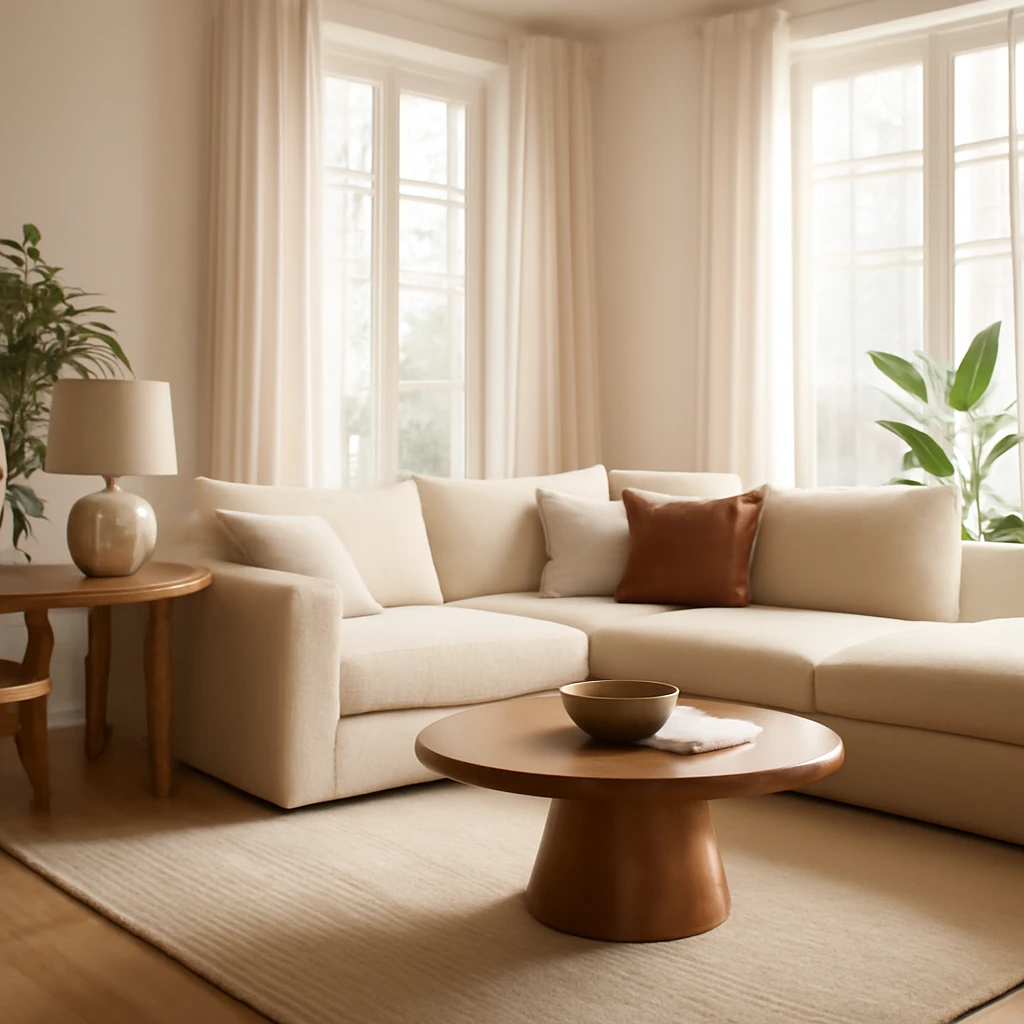
Introduction: why correct corner-sofa sizing matters
In European living spaces, where open-plan layouts are common and rooms often serve multiple functions, the corner sofa is more than a seating option. It defines the room’s proportions, influences movement, and can become the social hub of the home. A sofa that is too large can constrict circulation and visual flow, one that is too small risks looking out of place and failing to accommodate daily life or guest beds. This guide explains how to determine the right dimensions for a corner sofa and how to select a model that works across different room types, from compact apartments to generous family spaces.
Standard dimensions for corner sofas
Unlike fixed definitions for every furniture category, corner sofas vary widely according to design, the presence of transformation mechanisms, armrest style and the number of seats. However, several practical size bands recur across European manufacturers:
- Small: main section length 150–210 cm;
- Medium: 220–280 cm;
- Large: up to 350–400 cm;
- Length of the side section (the chaise or extended portion): 150–180 cm;
- Standard sofa height: 70–100 cm.
When planning, it is essential to sum both the main seating area and the chaise in order to determine total length, and to consider the room’s proportions rather than rely on a single dimension. In European townhouses and modern flats, you will frequently find combinations of modular and fixed configurations that offer flexibility while maintaining coherent proportions.
What dimensions influence comfort
Length of the seating
Comfort for a person typically requires about 60–70 cm of seating length. For two people, 120–140 cm is comfortable, for three, 180–210 cm. The smallest corner sofas usually accommodate two people without compromising comfort, while larger families or frequent guests will benefit from models that provide roomier seating and a well defined sleeping area if a sofa bed is required.
When planning for a family living room or a frequent hosting space, consider pairing a longer main section with a proportionate chaise to create a natural seating curve that encourages conversation and easy circulation around the room.
Depth of seating
Seating depth is measured from the front edge of the seat to the back cushion. The minimum practical depth is around 50 cm, though comfortable seating typically sits at 60–70 cm. A deeper seat can be very inviting for lounging but may hamper edge seating when space is tight or when the sofa functions as a bed.
Back height and armrest design
Back height influences neck and head support, most backs range from 70–100 cm from the floor. Armrests vary in height, width and shape and can dramatically affect comfort, use of space and the room’s aesthetic. High, generous arms can double as a small surface for placing a tablet or a cup, while slender arms contribute to a lighter silhouette that suits compact interiors.
If the intention is to place plates or drinks on the armrest, choose a model with a sufficiently wide and flat profile or consider a low profile arm that still provides an edge for support without protruding too far into the room.
Sleeping area size
Most sofa beds provide a sleeping area that is approximately 190–200 cm long, with a width around 140–160 cm for standard configurations. This allows two adults of average height to sleep relatively comfortably. If any occupant is taller than ~175–180 cm, it is advisable to seek a model with an extended bed portion or a bed mechanism that produces a longer, flatter sleeping surface.
For households with taller residents or for sofa beds used as a primary sleep option, wider sleeping widths of 160 cm or more are worth prioritising. Compact corner sofas can be designed to transform into beds of 160 cm width, which often provides a better balance between seating and sleeping comfort in smaller rooms.
Types of corner sofas by size and configuration
Modular sofas
Modular corner sofas consist of multiple individual units that can be arranged into a variety of shapes. They are well suited to apartments and homes where layouts change over time. The size and configuration can be altered by adding or removing modules, reconfiguring corners, and swapping cushions or upholstery sections. This flexibility makes modular systems highly attractive for evolving living spaces across Europe, from open-plan living rooms to narrow corridors with gentle curves.
- Well suited to compact rooms where a single fixed shape would feel restrictive;
- Can be expanded or reduced as needs evolve, without replacing the whole sofa;
- Offer opportunities to tailor the look with different fabrics for different modules;
- Common configurations include a two-seater with a chaise, a three-seater with a corner unit, or a longer straight run with an occasional stool element.
Solid or fixed corner sofas
Fixed corner sofas are classic, non-modular pieces whose form is not intended to be altered. They come in compact two-to-three-seater formats and expansive corner configurations designed for larger rooms. In many European homes, fixed corner sofas are paired with individual chairs and modular footstools to create a generous seating zone without overloading the space. While fixed models do not offer the same configurability as modular systems, they frequently provide clean lines, stronger structural integrity and a consistent look across upholstery choices.
Fixed corner sofa configurations
- Compact fixed corners suitable for bedrooms or small living areas;
- Medium and large fixed corners designed to anchor a spacious living zone;
- Corner units that include integrated storage or a built-in chaise for lounging and casual gatherings.
Mechanisms of transformation for corner sofas
Transforming corner sofas into beds is common in European homes, where guest sleeping arrangements often need to be accommodated without sacrificing living-room aesthetics. Mechanisms generally fall into two broad categories:
- One-segment mechanisms - where only a single section of the sofa unfolds to reveal a bed. These are popular in smaller models, where a straight fold-out or sofa bed action can convert the seating area into a flat sleeping surface without extensive reconfiguration.
- Multi-segment mechanisms - where several parts of the sofa unfold independently to create a larger, flatter sleeping area. These systems are typically found in larger sofas, providing a more expansive bed and smoother alignment when opened.
When choosing a mechanism, consider how frequently you will use the bed function, how easy it is to operate, and how well the mattress supports long periods of sleep. A well-designed mechanism should offer reliable operation, quiet action, and a bed surface that remains even and comfortable with use over time.
Materials, finish and upholstery: matching function with style
The upholstery and frame finish influence both aesthetics and longevity. European homes benefit from fabrics and leathers that resist wear in high-traffic areas and are straightforward to maintain. Look for:
- Durable, easy-care fabrics with stain resistance and fade resistance for sunlit living spaces;
- Leather or faux leather options for a premium look that also cleans easily;
- Upholstery that is colourfast and breathable, to avoid heat and moisture retention on longer sessions;
- Frame construction using kiln-dried timber or hardwoods for durability and long-term stability.
Colour and texture contribute significantly to the room’s character. In light-filled European interiors, lighter neutrals with tactile textures such as boucle, chenille or wool blends can create a warm, inviting anchor. In more dramatic spaces, consider deeper colours with lighter cushions to provide visual relief and seasonal flexibility. When choosing fabrics, consider the room’s lighting, usage, and whether the sofa will undergo frequent rearrangement in a modular layout.
How to measure the room accurately before buying
- Use a proper measuring tape and note down length and width of the room. Do not rely on visual estimation or a ruler alone.
- Identify the sofa’s intended position and account for doors, windows and other fixed elements. The back of the sofa should not obstruct opening or access to windows and storage.
- Measure the space needed for the sofa when fully closed and, if the model unfolds, the space required when extended. Include clearances for doors and pathways to ensure easy navigation around the furniture.
Take into account ceiling heights and any architectural features that may constrain furniture placement. A well-measured room prevents buying a sofa that feels oversized or undersized once installed and helps to plan for delivery and installation access.
Guidance for choosing a corner sofa in different European spaces
Living rooms: prioritising comfort and sociability
In living rooms, aim for a balance between generous seating and clear circulation. A corner sofa should occupy roughly one-fifth to one-quarter of the floor area, depending on the room layout and other furnishings. If the sofa doubles as a sleeping space, a model with a straightforward transformation mechanism and a comfortable mattress is worth prioritising. Consider how the sofa interacts with other seating, such as accent chairs or a modular ottoman, to create a cohesive conversational area.
Open-plan kitchens and living areas: scale and accessibility
In open-plan kitchens and living rooms, the sofa should visually ground the space while leaving room for dining tables and movement. A corner unit with a shallow depth and a chaise can create a natural boundary between cooking, dining and lounging zones. Upholstery in durable fabrics is advisable in high-traffic, spill-prone zones, and lighter fabrics can be used strategically with protective throws or cushions that can be refreshed seasonally.
Bedrooms: compact comfort with flexibility
The bedroom corner sofa is often chosen to provide a cosy reading area, guest seating, or a compact sleep solution for occasional guests. Opt for a compact corner with a low back and slim arms to avoid visually overpowering the room. If storage is scarce in the bedroom, seek models with built-in drawers or a discreet lift-up mechanism under the seat to hold bedding and linens.
Children’s rooms: durable and easy to clean
In children’s rooms, prioritise fabrics with stain resistance and easy maintenance. A corner sofa that can convert into a bed for sleepovers is particularly valuable. Choose a model with rounded edges and a robust frame, and consider a modular approach to adapt the space as the child grows and their storage needs change.
Measuring and planning a room with a corner sofa in mind
- Start with the room’s longest wall and measure the available length for the main seating run, including the chaise if present.
- Next, assess the depth required by the sofa, subtracting space for arm movement behind the sofa and for a walkway of at least 90 cm in high-traffic areas.
- Account for door entries and transitions, ensure the sofa can be moved into place without disassembly or excessive manoeuvring.
- Measure the sofa in its stored state and, if possible, when extended or opened to a bed. Include space needed for a bed sheet change, blankets, and pillows without obstructing pathways.
With careful measurement, you can reserve the right proportions for your corner sofa, ensuring it anchors the room while maintaining flexibility for daily living and occasional hosting.
Putting it all together: a practical decision framework
When selecting a corner sofa, a structured approach helps align function, style and budget. Consider the following criteria in order of importance for most European homes:
- Total length and the proportion of the corner section, ensure the sofa fits the room without crowding or leaving awkward gaps.
- Seat depth and back height that suit the users’ comfort, posture and preferred lounging style.
- Whether a fixed or modular configuration best suits the space and future plans.
- The mechanism type and bed quality if the sofa will serve as a regular sleeping surface.
- Sleeping-area dimensions for taller inhabitants or frequent overnight guests.
- Storage options and under-seat clearance if storage is a priority in the room.
- Durability of the upholstery and the frame, as well as upholstery colour and texture that will wear well over time.
The value of adaptable seating in European homes
Flexible seating is a hallmark of contemporary European interiors. A well-chosen corner sofa can adapt to changing life stages - from daily family life to hosting friends and relatives. The right model accommodates comfort, storage, durability and style without imposing on the room’s movement. An adaptable corner sofa is not merely a place to sit, it is a modular backbone for living, adapting to different configurations as needs evolve. Sustainability considerations, such as modularity, longevity of frame construction and choice of durable upholstery, contribute to a responsible, future-facing interior.
Checklist for buyers
- Length of the main seating section
- Length of the chaise or side extension
- Seat depth and back height
- Armrest height and width
- Sleeping area dimensions and mattress quality
- Mechanism type and ease of use
- Storage options and hidden features
- Overall footprint and how it interacts with doorways and circulation
Conclusion: making the right choice for a European living space
Choosing a corner sofa is a blend of measurement accuracy, functional requirements and personal style. By understanding standard dimensions, the impact of seating depth and back height, and the difference between modular and fixed configurations, you can select a piece that looks intentional and feels comfortable in everyday use. Whether you live in a compact apartment or a spacious home, the aim is a seating arrangement that supports conversation, relaxes the body and remains adaptable for years to come. With thoughtful material choices and careful consideration of mechanisms, a corner sofa can become the heart of a well-planned European living space.
You may also like these articles
 Interior Design
English Style in Interiors: Five Defining Features
A European guide to recreating cosy English style with five timeless features.
Small Spaces
Entrance Hall Design 2026: Trends, Colours & Ideas
European guide to hallway redesign: style, storage and textures.
Renovation
Finishing a European Home: The Complete Guide to Clean Finishes
Design-led tips for flawless clean finishing in European homes.