
Explore interior trends, AI design insights, styling guides and real transformations
Bedroom Lighting: A Step-by-Step Guide for European Homes
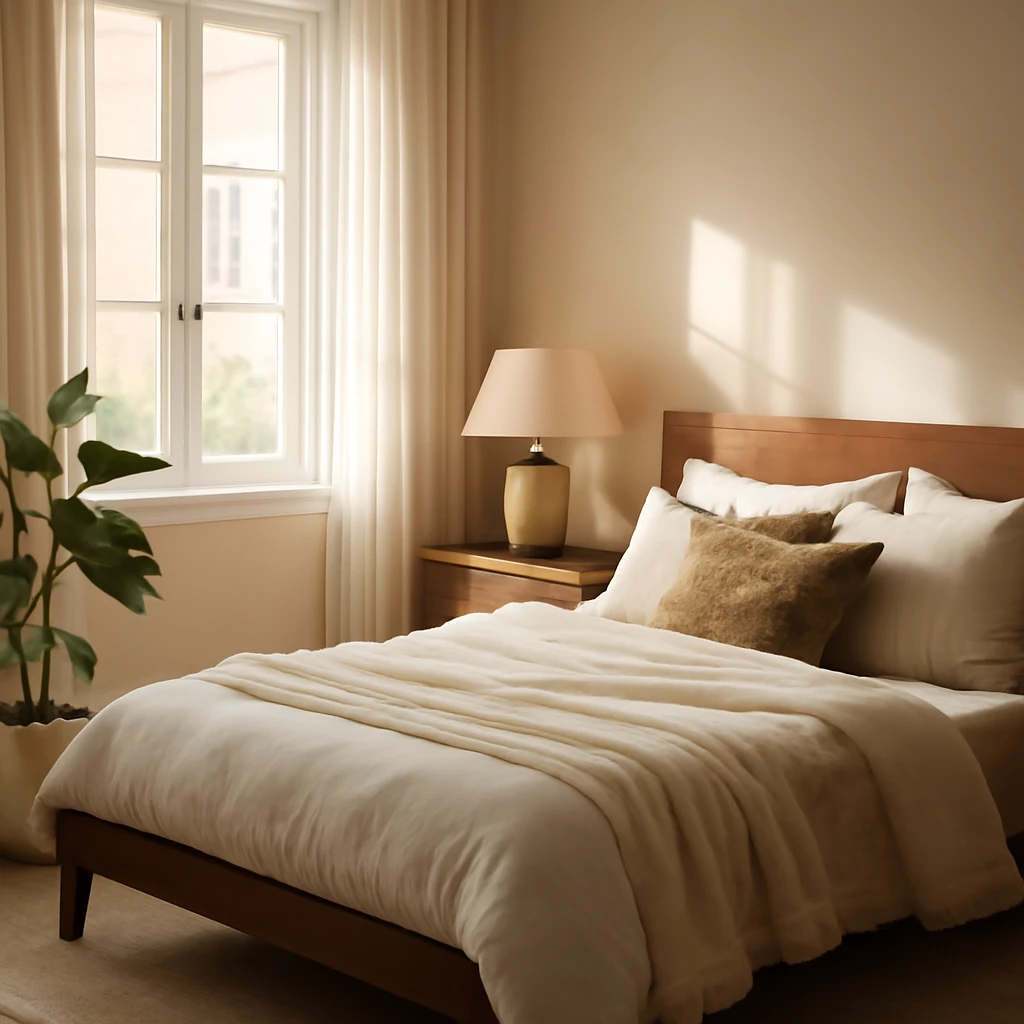
Introduction: Lighting bedrooms with three layers
In European interiors, successful bedroom lighting relies on three layers: ambient or general lighting, task or local lighting, and decorative accents. The right balance depends on room size, ceiling height and how you live in the space. This practical guide offers a step by step approach to designing lighting that works across diverse European homes - from compact city flats to generous family rooms. The aim is to create spaces that feel thoughtfully lit, comfortable to be in, and flexible for different routines.
Envelope these ideas with a focus on energy efficiency, good colour rendering and the ability to dim light levels. When planned well, lighting can transform a bedroom from merely illuminated to emotionally reassuring and functionally precise.
Step 1: measure the room area and ceiling height
Accurate measurements are the starting point for a lighting plan that feels right. Begin by calculating the floor area in square metres and note the ceiling height. These figures inform whether you need a single, diffuse general light or a combination of ambient, task and decorative sources distributed across the space.
In larger bedrooms (roughly 12 m2 and above), a ceiling light placed centrally can be supplemented by built in recessed lights or a track system to illuminate the far corners and work zones. In smaller bedrooms (up to about 12 m2), two or three local light sources may suffice to light the whole room without a dominant ceiling fixture.
For rooms with low ceilings (up to around 2.6–2.7 m), seek low profile ceiling luminaires such as flat discs or flush mounted fixtures. Large or multi level chandeliers can make a compact room feel crowded. As an alternative, consider a grid of recessed spots or a slim track, which provides even distribution without overwhelming the ceiling line.
Low‑ceiling lighting options
Look for fixtures with a shallow profile and minimal visual mass. Pancake style ceiling lights or slim LED panels are practical in rooms with height restrictions. If you wish to create a focal point, a linear light strip integrated into the ceiling or a wall mounted solution can add character without reducing headroom.
Step 2: think about how you spend time in the room
The way you use the bedroom determines where local lighting should be placed. Consider the common scenarios that apply to many European homes and plan zones accordingly.
In bed - reading or scrolling
Bedside wall lights or pendants offer task lighting while keeping the sleeping area uncluttered. If you choose wall mounted reading lights, select models with a directional beam so the light can be aimed at the page rather than into the eyes. If you prefer lamps, consider flexible or swing arm designs that can be positioned as needed. A paired setup on each side of the bed is a conventional and practical approach, but where space is limited, a single high quality bedside fixture with an adjustable head can also work well.
At the desk or working area
A dedicated task light at the desk is essential for reading, writing or working on a laptop. Local desk lamps or wall mounted fixtures with a neutral or cool light temperature (around 4000 K) help maintain focus and clarity. Warmer light may be soothing in the evening but can reduce visual acuity for detailed tasks. If possible, employ a dimmable light source so you can modulate brightness as needed.
Practical desk lighting options
- Adjustable desk lamps with a neutral beam
- Wall mounted sconces that illuminate the work area without casting shadows on the page
- Clamp on lamps or portable table lamps that can be moved as required
Near the wardrobe - putting together outfits
Wardrobe lighting can be installed inside the wardrobe to illuminate clothing or mounted outside to provide ambient glow. Internal lighting is especially useful in early mornings when you want to avoid waking others, external lighting can help create a more expansive feel or highlight textures and finishes in the room.
At the dressing table - makeup and grooming
A mirror with integrated LED lighting can provide even illumination for cosmetics. Side lighting from sconces or linear fixtures helps reduce shadow lines on the face, so avoid relying on a single overhead source that can cast unflattering shadows. When placing lighting around a dressing area, balance brightness with softness to prevent glare while ensuring enough illumination for precise tasks.
General lighting tips for bedside and desk
When selecting lamps, be mindful of the effect of lamp shades. Dense shades can absorb light and reduce output, for brighter tasks, avoid heavy fabrics or opaque materials. If you want a gentle ambience in the evening, warm tones are helpful. For desk tasks, a cooler, more energetic light can improve alertness. Aim to keep colour temperature within a similar range across the room to avoid perceptual mismatches.
Step 3: decorative lighting
Decorative lighting contributes warmth, texture and atmosphere without providing heavy illumination. Use it to soften the overall mood, highlight architectural details and create visual interest. Perimeter lighting along coves, subtle uplights along skirting boards, or hidden LED strips behind a headboard can add a soft ambience that makes the room feel more expansive.
Ideas for decorative lighting
- LED strips hidden in coves or behind the headboard for a gentle halo
- Small wall or table lamps placed to frame textures such as timber or fabric
- Backlighting for mirrors or alcoves to create depth
Step 4: where the light will switch on
Control and convenience are integral to a well designed plan. Position switches so you can turn off the entire room from the bed, while also providing easy access from the door for guests or visitors. A two‑gang switch near the bed can control both the central light and the bedside lights, while a separate switch near the door can handle other zones. If rewiring is not feasible, consider wireless controls or battery powered lamps as practical alternatives.
Step 5: draw a plan
Approach lighting design like a professional: start with the furniture layout and then place lighting points. A clear plan helps you test different configurations and avoid duplicating fixtures. When drawing, mark positions for ceiling fixtures, wall sconces, desk lamps and any decorative lighting. Include the reach of cords and consider how you will switch lights from the bed and the door. A simple plan on paper or in a planning tool helps you visualise the result before purchasing any fixtures.
Step 6: think about the design of the fixtures
For ambient lighting - ceiling fixtures, downlights and tracks
Ambient lighting is generally ceiling based. In larger bedrooms, a central ceiling fixture provides comfortable general illumination, which can be supplemented by track lighting or recessed downlights to illuminate distant corners or work zones. In smaller spaces, a carefully spaced pair of downlights or a slim track system can deliver even coverage without crowding the ceiling. When planning ambient light, consider the room size and the reflectance of finishes, light walls reflect more light and can reduce the need for bright primary fixtures.
For local lighting - sconces, lamps and task lights
Local lighting is essential for reading, dressing and desk work. Choose wall sconces with adjustable heads for bedside reading or pair a desk lamp with a warm shade for a relaxing evening. Ensure the light is sufficient for the task without creating glare or harsh shadows. When selecting lamps, consider the size of the shade and the material, heavy fabrics absorb more light, while reflective metals can enhance brightness.
For decorative lighting - LED ribbons and directional lamps
Decorative lighting should enhance the mood without overpowering the room. LED ribbons can be integrated into headboards or coves, while small directional fixtures can highlight textures or architectural features. Dimmable options are particularly valuable to shift from bright daytime light to subtle evening ambience.
Step 7: calculate the wattage and luminous flux
Guidelines for bedroom illumination commonly recommend about 150 lux as a baseline. To determine the total lumens required, multiply the room area by 150 and apply a ceiling height coefficient to account for distribution and space. The coefficients reflect how light washes across the room and how fixtures illuminate zones beyond their immediate reach.
Ceiling height coefficients
- Ceilings around 2.4–2.7 m: coefficient about 1.2
- Ceilings around 3.1–3.4 m: coefficient about 1.5
- Ceilings around 3.5–4.5 m: coefficient about 2.0
Example: a bedroom of 10 m2 with a ceiling height of 2.7 m would require around 1800 lumens for ambient lighting (10 × 150 × 1.2). That equals roughly five traditional 40 W incandescent bulbs, or a couple of efficient LED modules totalling around 15–20 W spread across the space.
It is worth noting that a single large chandelier over the bed will rarely deliver adequate light for all zones. Distribute light to illuminate the bed, desk, wardrobe and any seating area. If a room uses varied finishes, the perceived brightness will change, darker interiors require higher lumen output and brighter tasks tend to be concentrated in smaller zones.
Adjusting for darker interiors
The darker the interior, the higher the luminance target you need. Dark walls, heavy textiles and dark floors absorb light, while light walls and reflective surfaces bounce light around the room. A well balanced plan uses a mix of warm and cool sources to maintain visual comfort and reduce eye strain. White or light surfaces typically require less artificial light, whereas dark woods, heavy fabrics and matte finishes can demand higher light levels.
Temperature of light
Light colour temperature, measured in kelvin, influences mood and readability. Common ranges are:
- Warm white 2700–3200 K
- Neutral white 3500–4500 K
- White 5000–6000 K
- Cool white 6000–8000 K
Evening tasks benefit from warmer temperatures to promote relaxation, while morning routines and getting dressed may benefit from cooler whites around 3500–4500 K. To avoid abrupt changes in temperature within the same room, aim for a consistent range across the lighting plan or employ a controlled mix with dimmable lamps.
Step 8: add light when you cannot change the wiring
If a full electrical upgrade is not feasible, you can still create versatile lighting schemes using portable solutions and simple controls. Consider mobile floor lamps, clamp lamps and table lamps that can be relocated as needed. Battery powered fixtures offer flexibility for bedside use or dressing areas, while wireless controls or smart plugs enable dynamic schedules without rewiring. Cable management is essential for safety and aesthetics, so use cord clips, channels and discreet fittings to keep surfaces neat.
Portable lighting ideas
- Floor lamps that can sit beside seating or beds
- Table lamps for desks and dressing tables
- Clip on lamps that attach to shelving or headboard frames
Wiring light alternatives
Wireless or battery powered fixtures can deliver effective lighting where wiring is constrained. When selecting, consider brightness, colour temperature options and how easy it is to recharge or replace batteries. In some spaces, smart plugs and portable dimmers can provide dynamic lighting control without invasive installation.
Short take: the essentials in one glance
- A single central ceiling light will not adequately illuminate a bedroom of meaningful size. Each functional zone should have its own lighting layer.
- The light level you need depends on room size and colour palette. Darker spaces require more light than light spaces.
- For bedrooms without fixed ceiling lighting, rely on wall sconces, table lamps and floor lamps. Choose fixtures that offer directed light for tasks and diffuse light for ambience.
- If rewiring is not feasible, opt for portable fixtures or battery powered lamps that do not require new wiring.
In planning a European bedroom, the emphasis should be on flexibility, energy efficiency and calm aesthetics. LED sources with good colour rendering and dimmable capabilities enable you to fine tune the mood from bright daytime activity to quiet evening relaxation. When combined with thoughtful placement and a plan that accommodates bed and work zones, the result is a space that feels deliberately lit rather than merely illuminated.
You may also like these articles
 Interior Design
American Style in European Interiors: A Practical Guide
European take on American design: open plans, islands, and layered textures.
Interior Design
Neoclassical Interior Design: Modern Classics for European Homes
A comprehensive guide to neoclassical interiors for European homes—balanced luxury and practicality.
Bedroom
Bed sizes in European homes: a practical guide to comfort, scale and storage
A practical guide to European bed sizes, space planning and sleep comfort.