
Explore interior trends, AI design insights, styling guides and real transformations
Classic Kitchen Design: A European Guide to Timeless Luxury
Introduction
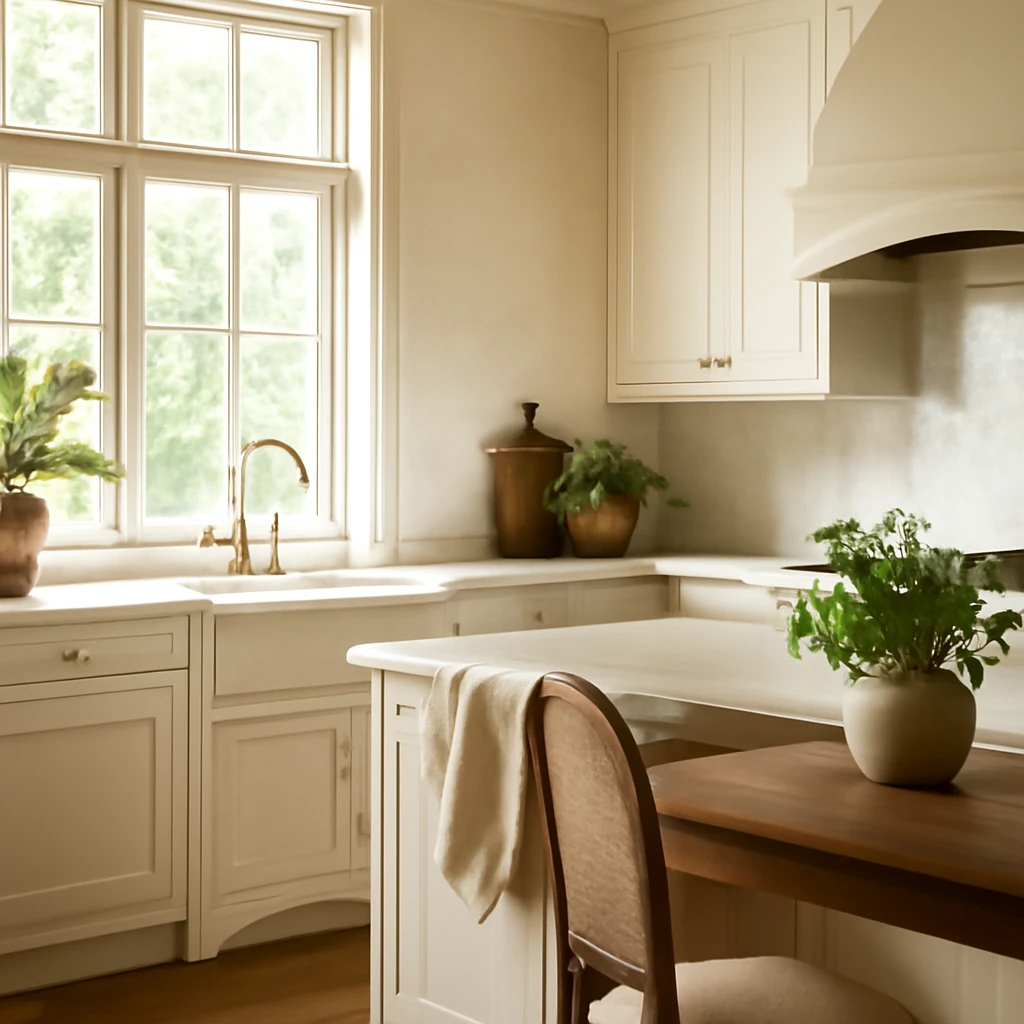
Classic kitchen design endures across European homes, offering a refined blend of tradition and modern living. A well conceived classical kitchen balances generous materials, proportion, and warmth, so that luxury feels natural and lived-in rather than ceremonial. In this guide we unpack how to translate the enduring motifs of classical design into kitchens that work for contemporary life - with practical layouts, durable finishes, and thoughtful details that age gracefully.
Two core expressions of the classical aesthetic
Historically, classical interiors in Europe have bifurcated into two contemporary expressions. The first is understated elegance: clean profiles, restrained ornamentation, and a focus on proportion and craft. The second embraces opulence: decorative mouldings, intricate plasterwork, sculptural ornament, and architectural details that announce luxury. The kitchen, though subject to practical needs, can sit comfortably in either camp so long as the underlying rules are observed.
- Minimalist‑elegant approach: crisp lines, harmonious proportions, restrained detailing, and a calm, cohesive palette that lets natural materials speak for themselves.
- Ornate‑traditional approach: decorative mouldings, column-inspired supports, brass or gilt hardware, and fabrics that convey richness without shouting.
Whichever direction you choose, the principles below will help ensure a kitchen that reads as classic rather than nostalgic, adaptable to space, climate, and budget across Europe.
Guiding principles for a European classic kitchen
- Quality over quantity: classic design is about longevity. favour natural materials and craftsmanship, and avoid trend‑driven finishes that may date quickly.
- Concealment for a timeless look: when possible, integrate or conceal appliances behind cabinetry to maintain a cohesive silhouette. A well‑concealed oven, fridge, and dishwasher preserve the façade of traditional cabinetry.
- Layered lighting: a bright, well‑lit kitchen feels welcoming. combine an eye‑catching central fitting with layered task lighting near work zones and subtle ambient light for evenings.
- Define dining and work zones: in open-plan layouts, ensure a distinct dining area and a practical work zone. Avoid cramming the space, a dedicated island or a breakfast bar can visually separate zones while remaining sociable.
- Colour with warmth: classic schemes tend to rely on light, warm neutrals - ivory, cream, soft greys - with selective dark accents for contrast. Avoid cool, clinical palettes that erode the sense of warmth.
- Backdrops that recede and uplift: walls and ceilings form the quiet backdrop against which the kitchen furniture and fittings stand out. Subtle textures and mouldings can elevate the space without overwhelming it.
These principles ensure a kitchen that feels both refined and livable, rooted in European craft traditions while embracing modern convenience.
Layout and space planning
In classic European kitchens, layout choice should respond to room geometry, traffic patterns, and the intended balance between living and cooking areas. Two mainstream configurations work reliably well:
- L-shaped or straight layouts: efficient work triangles with ample counter space and storage, ideal for narrow or compact rooms.
- Island or peninsula layouts: great for open plans that combine kitchen and dining or living areas. An island can function as a social hub, with seating for casual meals and a surface for food prep or display.
When space allows, consider a separate dining zone integrated within the kitchen, rather than a dedicated dining room. A well‑placed table or a fixed dining bench can anchor the room and reinforce the classical feel. If the ceiling height permits, a statement central light over the dining area or a tiered chandelier above the island can emphasise the room’s architecture and scale.
Colour and finishes
A quintessential European classical kitchen embraces light, warmth, and subtle contrast. White remains a favourite, but it is the interplay of tones that creates depth and versatility. Practical palettes include:
- Soft whites and ivory for cabinetry and walls, providing a calm canvas.
- Warm beiges, creams, and taupes to soften contrasts and echo natural materials.
- Accents in charcoal, black, or deep brown to define edges, handles, and islands.
- Gentle metallic highlights - brass, gold, or antique bronze - used sparingly on fixtures and edges to conjure classic luxury.
Counterpoints can be achieved with carefully chosen timber tones, such as natural oak or walnut, which bring texture, warmth, and a sense of heritage. Even when the room features dark accents, the overall balance should remain inviting rather than heavy.
In coastal or alpine Europe, lighter stone and pale wood pair particularly well with cool blues and greys or soft greens. The key is harmony: let the palette unify furniture, fittings, and décor into a cohesive whole.
Materials and surfaces
Material choice underpins the authenticity and practicality of a classical kitchen. The European context often blends traditional forms with modern composites that withstand daily use while preserving a refined appearance.
Wall coverings
Walls may be finished with tactile plaster or painted in pale tones to maintain brightness. High‑quality wallpapers with restrained motifs can add texture without competing with cabinetry. For ceilings, consider material treatments that echo classical mouldings, such as fine plaster, micro‑mouldings, or subtle painted detailing.
Decorative plaster or fabric wall coverings can add a sense of luxury when used judiciously, typically on feature walls or within dining alcoves, rather than throughout the entire kitchen.
Ceilings
A classic kitchen ceiling is usually white with mouldings or cornices along the perimeter. In larger spaces, a restrained ceiling decoration can be balanced with generous lighting and clear, honest material choices below. When finishes are more modern, opt for a clean surface with a subtle cornice to retain the room’s architectural reading.
Flooring
Timber flooring, particularly oak or ash with a warm patina, remains a hallmark of classic kitchens. In practice, timber may be expensive or impractical in wet areas, so European designs often employ durable alternatives that mimic wood: high‑quality vinyl planks, laminate with wood‑grain texture, or ceramic/stone tiles with a wood‑look finish. The key is to maintain the appearance of natural timber while ensuring moisture resistance and ease of maintenance. Parquet can be used in larger spaces or dining zones for authentic character, but practical compromises are acceptable where needed.
Work zone, surfaces and backsplashes
The work zone should be both beautiful and functional. The backsplash is an opportunity to introduce a subtle texture or pattern without overpowering the space.
- Backsplash materials: ceramic tile with a restrained pattern, natural stone, or a glass tile with a matte finish. If the goal is a seamless look, a matching ceramic or stone run of tiles can extend visually and simplify maintenance.
- Countertops: natural materials such as marble or granite, durable stone composites, or wood veneers where appropriate. For most European homes, a stone or high‑quality composite that resists heat and staining is ideal. If wood is used, a durable treated timber or butcher‑block surface offers warmth and practicality.
- Colour coordination: the countertop colour may align with the cabinetry or be subtly contrasted to create a focal point. A dark or veined countertop can ground a light cabinet set, while light counters brighten the workspace.
The sink and faucet should harmonise with the overall aesthetic. A porcelain or composite sink paired with a brushed‑metal or brass‑toned tap echoes traditional forms while delivering modern performance. Consider an undermounted sink for a streamlined look and easier maintenance on a polished stone or composite countertop.
Lighting and illumination
Lighting is essential to the character and practicality of a classical kitchen. European homes benefit from layered lighting that renders the room bright for work while creating a welcoming atmosphere in the evenings.
- Centrepiece lighting: a statement chandelier or a substantial pendant above the dining zone or island establishes the room’s focal point and scale. The fixture should be proportional to the space, in larger rooms, a grand chandelier can welcome guests without overpowering the interior.
- Task lighting: discreet under‑cabinet illumination and track lighting near the work zone ensures functionality for cooking and food preparation.
- Ambient lighting: wall sconces, cove lighting, or softly diffused ceiling fixtures help soften shadows and enhance colour and texture without glare.
A classical kitchen should feel bright and airy. Avoid an overly clinical glow, instead, opt for warm white tones and dimmable controls to shift the mood from daytime clarity to evening luxury.
Furniture and storage
Storage and furniture are the soul of a classical kitchen. The cabinetry should communicate quality through materials, details, and hardware rather than sheer quantity of units.
- Cabinetry: solid timber or high‑quality timber veneer with traditional detailing, such as bead‑nosed edges, raised panel doors, or subtle fluting. Brass or aged‑metal handles add refinement, ensure hardware complements the overall palette and hardware style is consistent throughout.
- Counter height and table design: a robust timber table or an island with a substantial presence can anchor the room. Tables may feature carved legs or a plain solid top, chairs should be comfortable, with generous backrests and upholstery that echoes the room’s textiles.
- Integrated storage: built‑in pantries, concealed appliances, and tall cabinetry help maintain a clean, timeless silhouette. Consider pull‑out trays, deep drawers for pots and pans, and organisers that keep every tool in its place.
When selecting furniture, prioritise proportion and texture. A well‑made piece in a classic silhouette will age more gracefully than a highly decorative item that competes with other room elements.
Appliances: modern convenience with a classical façade
Modern European kitchens benefit from integrated appliances that respect the room’s aesthetic. The aim is to preserve a cohesive surface plan while delivering reliable performance. Practical strategies include:
- Built‑in appliances: consider a built‑in oven and microwave, a concealed refrigerator, and a panelled dishwasher that blends with cabinetry. This approach minimises visual disruption and helps preserve the classical rhythm.
- Ventilation: a high‑quality range hood that recedes behind cabinetry or a discreet island hood can maintain a clean profile while ensuring effective air extraction.
- Materials and finish: match appliance finish to cabinetry hinges and handles for a polished, unified look. Stainless steel can work in a restrained way if kept small in quantity, while cream or black finishes can be more harmonious with traditional palettes.
Even with hidden tech, it’s important that every element serves both the space and the workflow. Prioritise durability, ease of cleaning, and quiet operation to ensure a long‑lasting classical kitchen that remains comfortable for daily life.
Textiles and décor
Textiles play a crucial role in the tactile richness of a classical kitchen. In this context, fabrics carry the sense of luxury through weight, pattern, and drape rather than sheer brightness alone.
- Draperies: heavy draperies in dining areas - velvet or damask for formal spaces - lend texture and warmth. For work zones, use lighter window treatments such as soft linen blinds or Roman shades to maintain a calm, functional backdrop.
- Shades and curtains: coordinate with wall and cabinet colours. Limit the palette to three or four tones to preserve harmony.
- Decorative objects: porcelain, ceramic figurines, candlesticks, or silver trays can be displayed in cabinets or on shelves. Choose a few high‑quality pieces rather than a large quantity of items, and place them in carved or framed settings to enhance the room’s character.
Walls may carry restrained art: classic frames or quiet still‑life subjects that reflect the room’s mood without overpowering it. A careful balance of textiles, ceramics, and artwork will create a space that feels curated rather than cluttered.
Decorative details and artistry
Classical kitchens often integrate small details that signal craftsmanship and taste. Consider:
- Subtle mouldings andcornices that outline cabinetry and ceiling edges.
- Carved leg supports for tables or island bases that echo the era’s craftsmanship.
- Metal hardware in brass or antique bronze with a warm patina to mirror traditional hardware styles.
- Tile patterns that reference historic motifs but remain restrained in scale and colour.
These details should feel cohesive with the overall design intent, reinforcing a sense of enduring quality rather than ostentation.
Budget considerations and modern adaptations
A classical kitchen need not be prohibitively expensive. European practice often combines traditional aesthetics with cost‑effective materials and modern manufacturing techniques. Practical strategies include:
- Wood veneers and laminates: a high‑quality veneer or wood‑look laminate can replicate the warmth of solid timber at a lower cost while offering better moisture resistance in a kitchen environment.
- Ceramic tiles and mosaics: use as backsplashes or flooring accents to introduce texture without heavy investment. A well‑chosen mosaic can become a refined focal point in the work zone.
- Engineering wood and vinyl): modern engineered woods and luxury vinyl flooring can provide warmth and durability with lower maintenance requirements than traditional parquet in moisture‑prone areas.
- Ceiling treatments: suspended ceilings with decorative trim or understated plaster details can be achieved at reasonable cost while preserving architectural interest.
By selectively applying high‑quality materials in key areas (front of cabinetry, island, dining area) and balancing with more budget‑friendly finishes elsewhere, a classical kitchen can be both timeless and financially sensible.
Maintenance and longevity
Longevity is a core virtue of classical design. To keep a kitchen looking pristine and elegant, consider these upkeep practices:
- Choose finishes and hardware that are durable and easy to clean.
- Seal natural stone countertops appropriately and wipe spills promptly to preserve sheen and prevent staining.
- Regularly treat timber surfaces with appropriate oils or sealants to maintain colour and protection.
- Maintain consistent cleaning schedules for glass, ceramic tiles, and metal fittings to retain their luster and prevent wear from moisture and salt or acid foods.
Regular maintenance not only sustains aesthetics but also preserves value and usability for the long term.
Implementation checklist
- Assess the space: measure thoroughly, map traffic flows, and determine whether a dining area requires a separate zone or an integrated island.
- Choose a direction: understated elegance or ornate refinement - align all materials, textures, and hardware to this core concept.
- Set a palette: establish a base of light neutrals with one or two richer accents, ensuring all surfaces harmonise.
- Plan surfaces: select cabinetry, countertops, backsplashes, and flooring with an eye to durability and maintenance in a kitchen environment.
- Integrate appliances: opt for built‑in units that preserve a clean line across cabinetry.
- Design lighting: combine a central statement with task and ambient layers for flexibility and mood.
- Think about textiles: draperies for dining areas, lighter window treatments near work zones, and rich fabrics that reinforce the space’s tone.
- Source decor with restraint: a few well‑chosen objects in carved frames or on display cabinets to emphasise craftsmanship.
- Draft a phased plan: if the budget is constrained, prioritise structural aspects (cabinetry, countertops, flooring) before decorative elements.
Conclusion
A classical kitchen in a European home offers a rare combination: timeless aesthetics rooted in craft, balanced with the practicality demanded by contemporary life. By prioritising quality materials, thoughtful layout, layered lighting, and restrained decoration, you can create a kitchen that remains relevant and inviting for decades. The classical approach is not a static relic, when interpreted with modern materials and tactful technology, it becomes a living space that embraces both tradition and today’s needs. In essence, the classical kitchen is a centrepiece that not only feeds the body but also nourishes the senses and the sense of home.
You may also like these articles
 Tips & How-To
How to Soundproof Floors Without Major Renovation
Practical, affordable strategies to quiet noisy floors—without major renovations.
Tips & How-To
Eight Online Interior Planning Tools for Realistic Design
Plan with confidence: eight online tools to design, budget, and tour your future spaces.
Bedroom
Choosing the Right Orthopaedic Pillow for a Healthier Sleep in Europe
A comprehensive guide to selecting the perfect orthopaedic pillow for European beds.